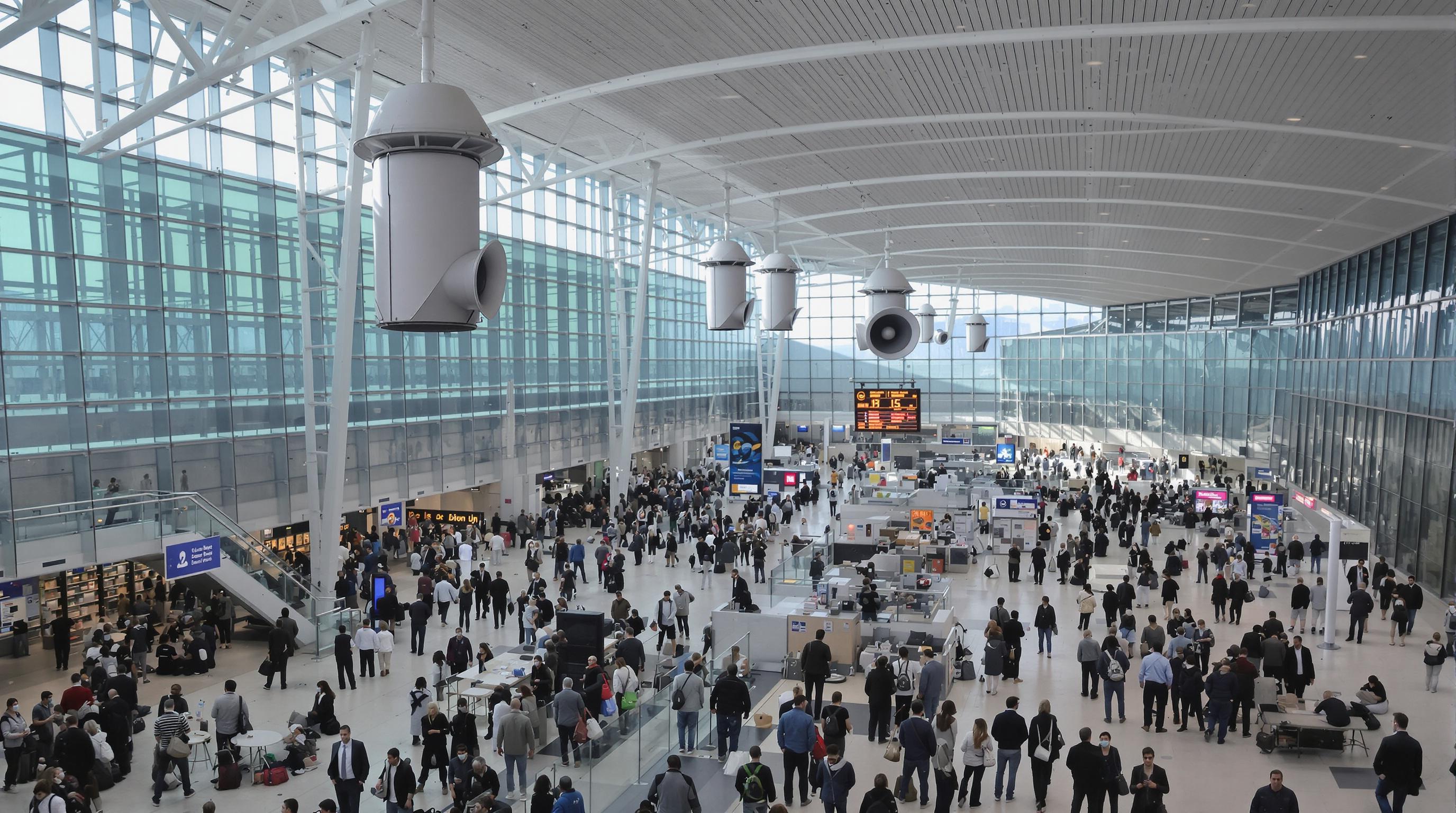
Modern transportation hubs struggle with audio clarity due to sprawling layouts and high noise levels. AVIXA studies show 32% of large terminals experience coverage gaps during peak hours, where passenger announcements and wayfinding instructions overlap, reducing comprehension. High-traffic zones like concourses often drown out critical updates, creating safety risks.
Traditional centralized PA systems face latency issues over long cable runs, while ad-hoc speaker arrays cause phase cancellation in ticketing areas. Research indicates 58% of travelers misinterpret time-sensitive announcements in environments exceeding 75 dB ambient noise.
Emerging solutions use IP-based distributed audio architectures to minimize signal degradation. These systems integrate intelligent zoning capabilities to isolate alerts in specific areas like boarding gates without disrupting adjacent spaces. However, retrofitting legacy infrastructure remains costly, with ROI timelines exceeding 18 months for pre-2010 hubs.
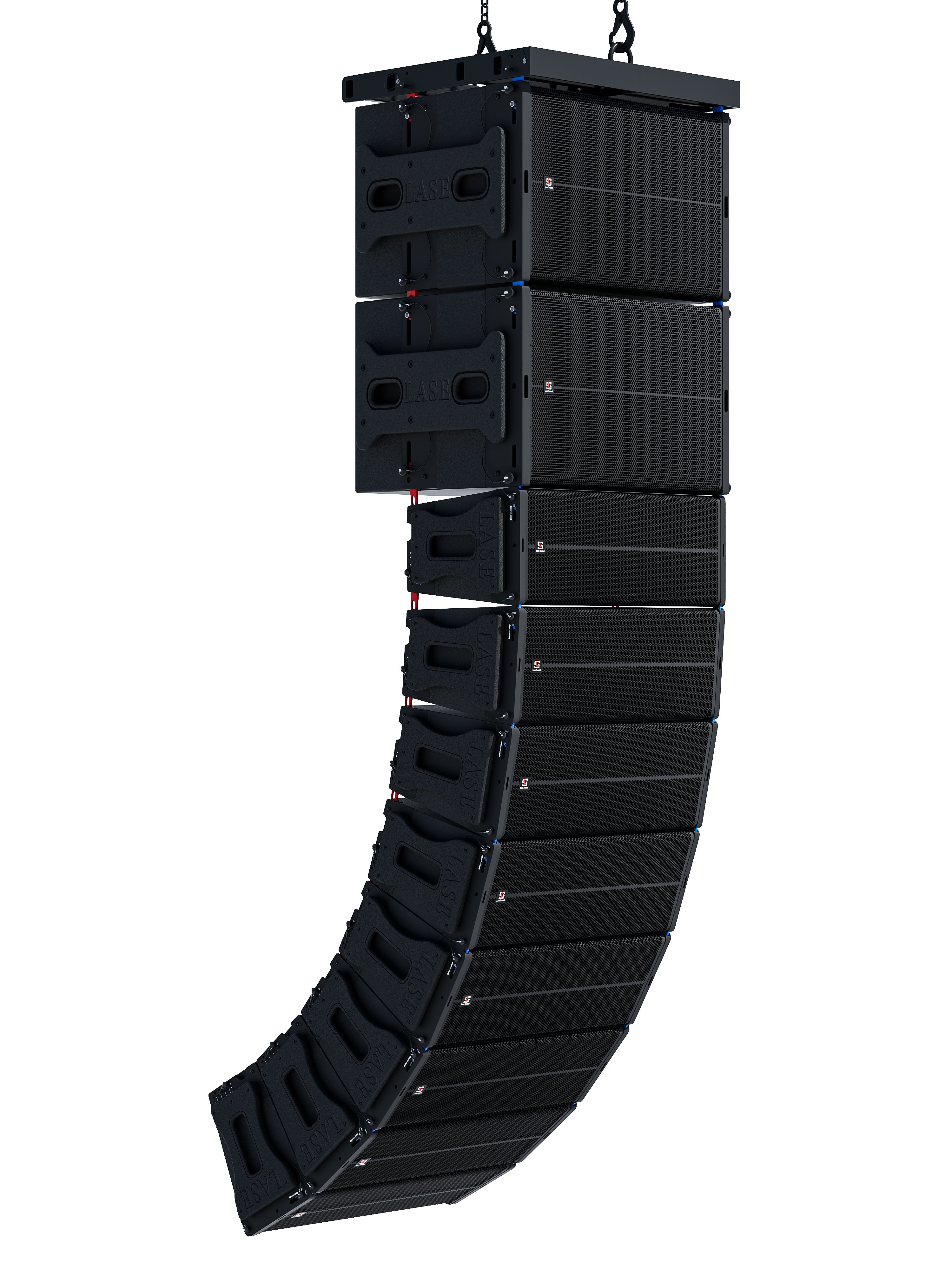
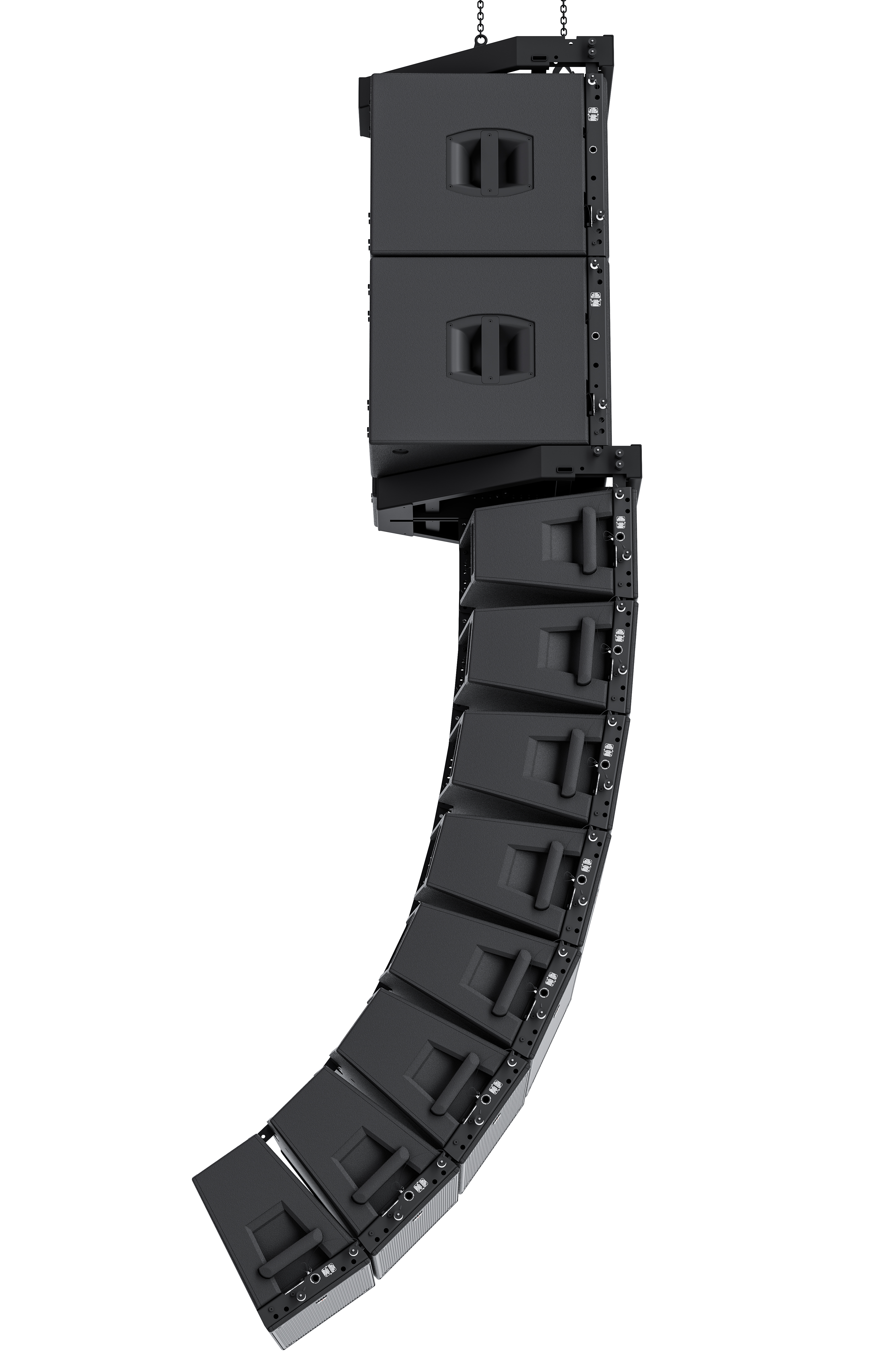
Modern transport hubs require audio solutions that balance high intelligibility with minimal spatial footprint. Advanced column PA systems achieve this through three innovations: compact design, environmental adaptability, and phase-controlled clarity.
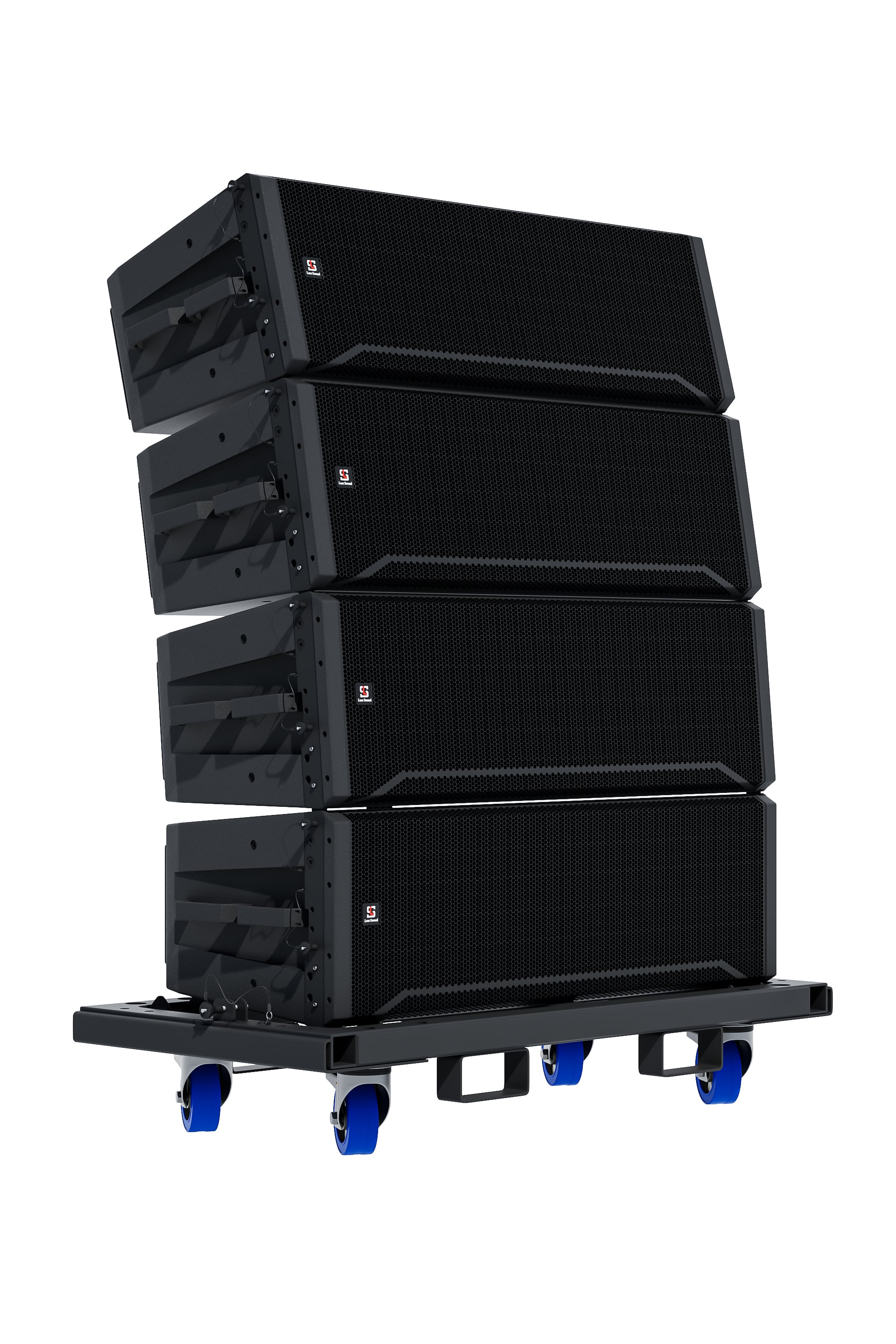
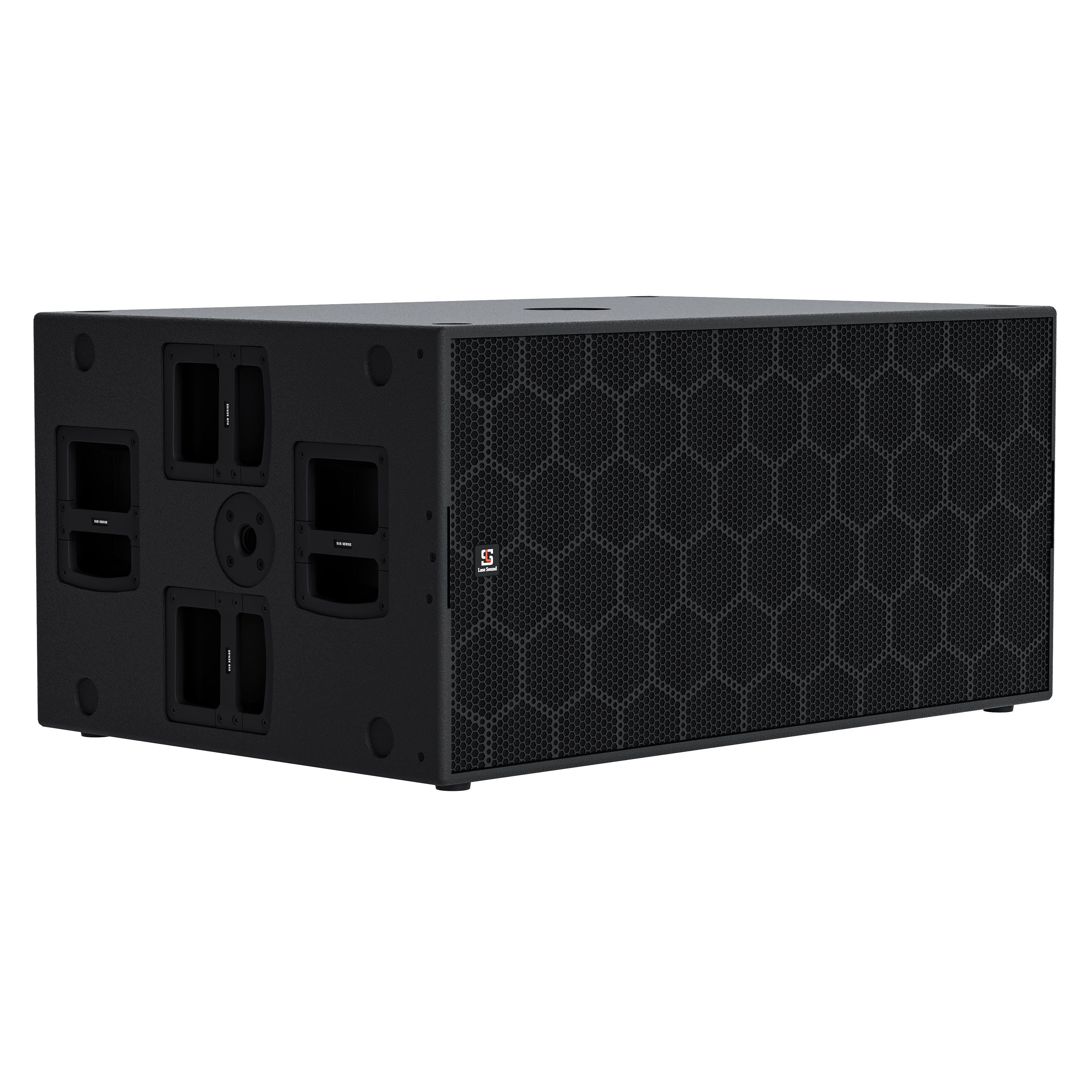
Contemporary column arrays use aircraft-grade aluminum enclosures with neodymium drivers, reducing weight by 30% compared to steel housings. Modular stacking and quick-connect subwoofers allow deployment in under 90 seconds, while wheeled cases simplify relocation—critical for hubs handling 50,000+ passengers daily.
Real-time environmental sensors adjust output dynamically. Hydrophobic grilles maintain 94% acoustic transparency in high humidity. Adaptive EQ compensates for concrete reverb (≥2.5s RT60) in concourses while enhancing vocal clarity in carpeted ticketing areas. Directional waveguides limit dispersion to ±15°, reducing cross-zone interference.
Multi-driver synchronization eliminates phase cancellation via DSP-controlled delays as precise as 0.02ms. This maintains speech intelligibility scores above 0.75 STI at 85dB SPL—outperforming traditional horn systems by 22% in airport noise tests.
A Southeast Asian hub deployed column arrays with adaptive beamforming, achieving 83% announcement intelligibility at boarding gates (+16% YoY). Luggage carousels maintained ±0.8 dB SPL consistency despite machinery noise. Twelve overhead mics dynamically adjusted mid-frequency EQ to ensure clarity amid 90 dB ambient noise.
In a European high-speed station column clusters containing the announcements throughout six zones. Parametric EQ presets Voice-optimized reverb settings—rooms used 250ms pre-delay versus 80ms in other retail environments. Directional speakers held emergency output levels of 108 dB and ran upwards of 45 minutes with battery backup. Certified by the International Transportation Safety Board, the system attained 98.2%ri penetration of messages in tests.
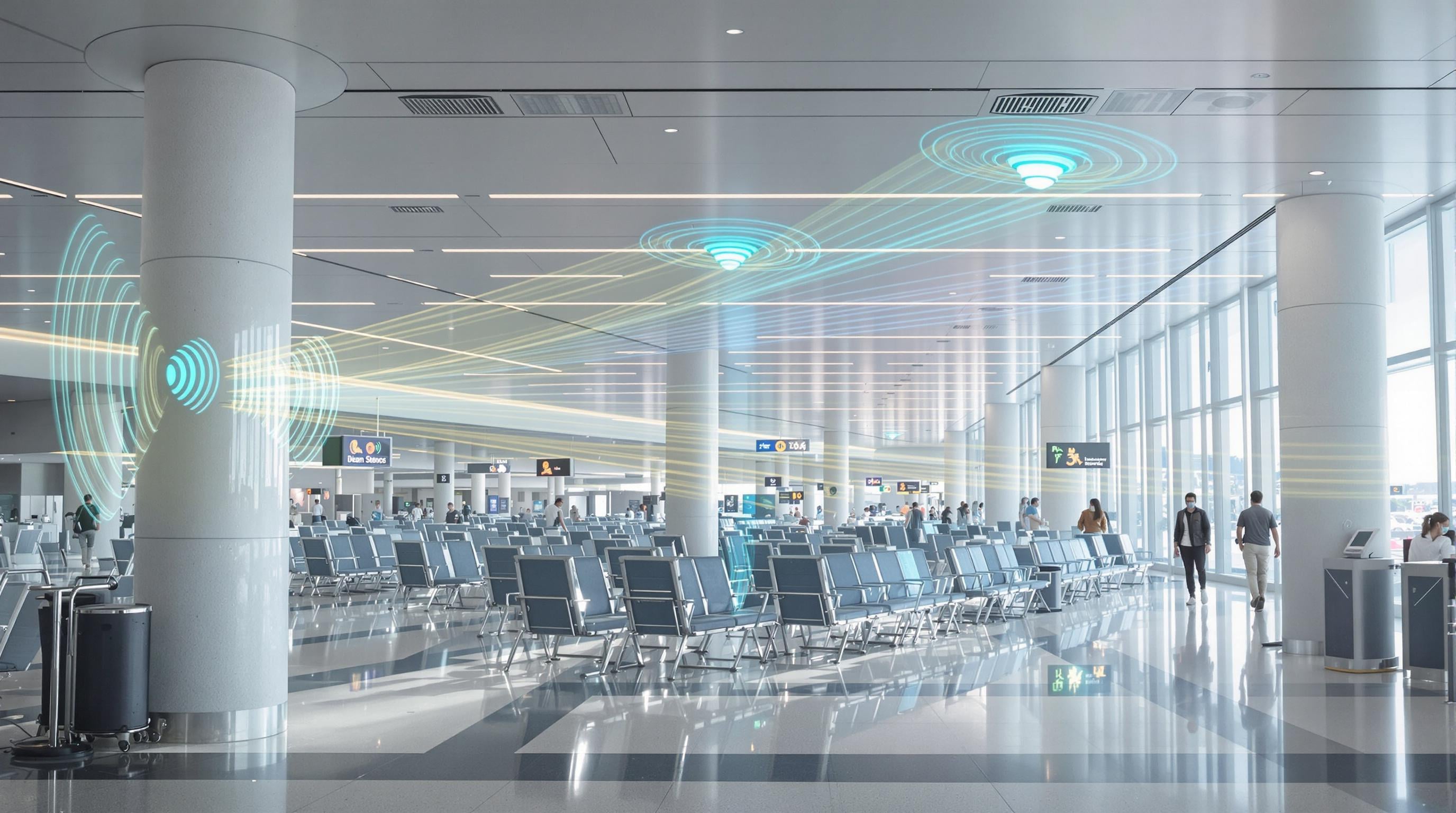
Beam-forming systems now concentrate announcements within 3°–5° arcs, reducing noise interference by 18 dB. Phased arrays enable gate alerts at check-in counters while keeping adjacent seating quiet. Acoustic artificial structures adjust sound beams via real-time passenger analytics, achieving 94% intelligibility in 85 dB environments.
AI-driven engines auto-adjust EQ based on materials and crowd movement. Machine learning models trained on 12,000+ noise samples suppress frequencies overwhelmed by trolleys or HVAC, expanding coverage by 40% and cutting feedback incidents by 63%.
Modular lithium-ion packs sustain 72-hour emergency paging during outages. Redundant pathways prioritize evacuation speakers, complying with NFPA 72. New batteries occupy 60% less space and recharge 3× faster.
LiDAR scans and impulse responses create 3D echo profiles to guide speaker placements. Glass-heavy terminals require absorption coefficients above 0.8 to reduce spectral coloration. Simulations predict STI ≥ 0.6 for IEC 60268-16 compliance pre-installation.
Automated diagnostics monitor impedance (±10%), humidity (IP55), and temperature fluctuations. Quarterly tests verify dispersion (±5°), while redundant nodes maintain announcements during repairs.
| Maintenance Metric | Tolerance Threshold | Testing Frequency |
|---|---|---|
| Impedance Fluctuation | ±10% | Real-time |
| Humidity Exposure | IP55 Rating | Continuous |
| Dispersion Accuracy | ±5° Variance | Quarterly |
| Frequency Response | 100Hz–16kHz (±3dB) | Bi-annually |
Beam-steering columns reduce false alarms by 33%, saving $150k annually. Clearer announcements cut compliance costs by 18%, while sleep-mode scheduling reduces energy use by 22%. Modular designs shrink retrofit expenses by 60% versus full replacements.
Hot-swappable amplifiers and DSP cards enable MPEG-H transitions without rewiring. Field-replaceable waveguides adapt dispersion from 90° to 120°, extending system lifespans beyond 10 years.
Modern transport hubs face challenges such as audio clarity due to high noise levels, coverage gaps, and phase cancellation in specific areas.
Compact column PA systems offer innovations like portable design, environmental adaptability, and phase alignment technology for enhanced audio clarity.
Beam steering technology helps by focusing announcements into specific areas to reduce noise interference and improve intelligibility.
Intelligent sound mapping software uses AI to auto-adjust audio for optimal coverage and reduces feedback incidents, enhancing system efficiency.


 EN
EN

 Hot News