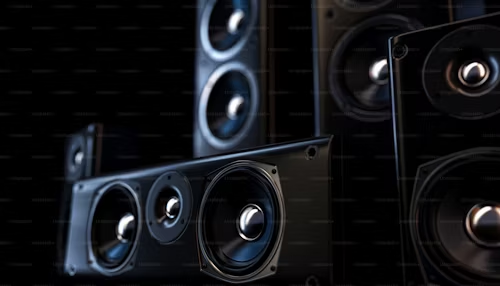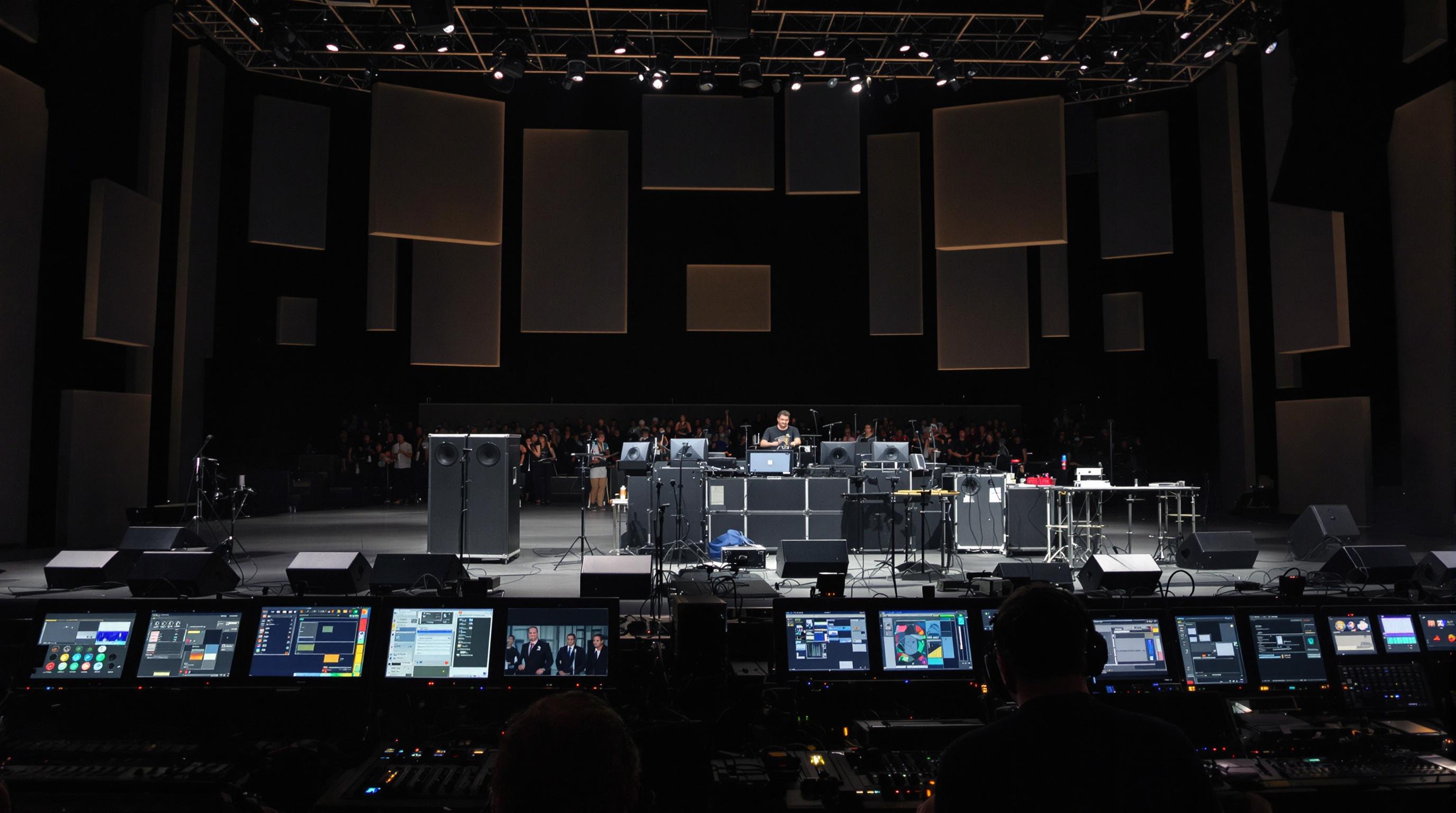
Sound Pressure Level (SPL), which is in decibels (dB), measures acoustic intensity and is also important for audience effect and performers’ health. Live shows need monitoring systems that are capable of producing 100-110 dB SPL continuously (or even louder to overcome stage volume) Still, at these levels, the monitoring systems need to be precise. Doing so requires accurate speaker placement and efficient power handling, as lack of headroom results in distortion that bass screws up your mix.
Critical few of the issues to be solved are to reduce phase cancellation effect on the reflective surfaces, and to achieve the desired frequency response on both vocal and instruments within the frequency range. Engineers use directional waveguides and multi-amped configurations to zero in on energy pockets, and avoid "SPL hot spots" that cause feedback or ear-fatiguing brinkmanship. The recent literature has suggested that 30 per cent of touring professionals complain of temporary threshold shift each year, as a result of exposure to uncontrolled monitor levels.
Balancing high-SPL demands with OSHA-compliant limits (85 dB time-weighted average) requires strategic soundfield modeling. Techniques like off-axis positioning and cardioid subwoofer arrays reduce rear-stage leakage by 6-8 dB, demonstrating how physics-driven designs mitigate health risks without sacrificing artist monitoring needs.
Stage monitors belch out 115-127 dB peak SPL stomping directly with vocal mics, and with metal/hard rock SPLs there are cascading feedback dangers at every turn. Sidefill systems deliver 122-131 dB SPL to stage areas via line array principles, but 9 dB less gain-before-feedback than single-source monitors due to comb filtering from multiple sources. In-ear headphones (IEMs) have become the standard for those exclusively wired on stage with 26-35 dB passive isolation – and no noise pollution. A 2019 AES report revealed that the use of IEMs decreased vocal mic feedback in concert settings of >105 dB house level by 63%.
Modern monitor engineers employ four key feedback suppression techniques:
Yamaha’s 2022 white paper demonstrated adaptive DSP algorithms achieving 18 dB feedback suppression headroom at 121 dB SPL compared to analog systems. Proper mic placement remains critical—vocal mics positioned >2 ft from wedges reduce feedback likelihood by 41% according to TourTech Analytics (2023).
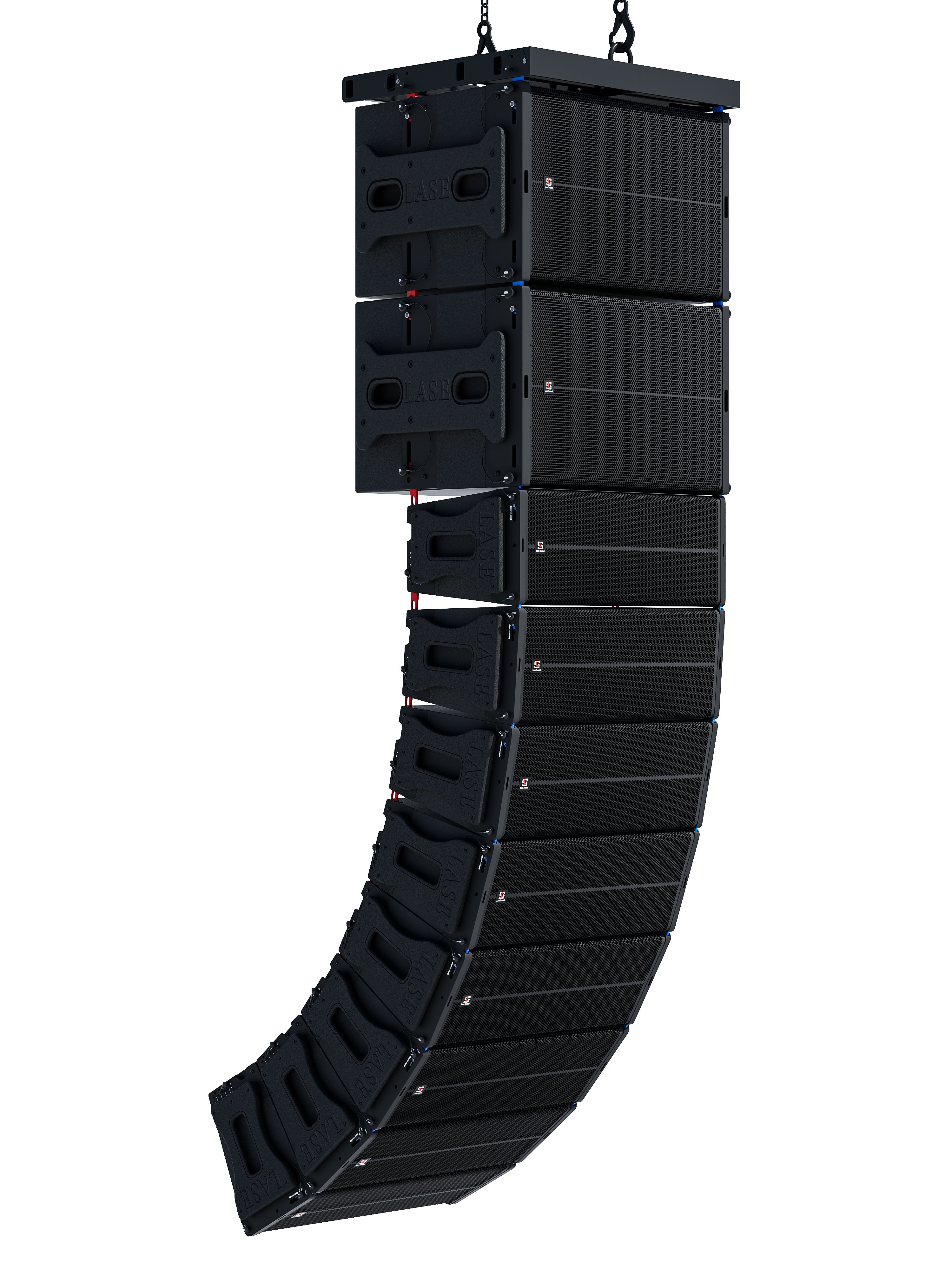
Touring wedges are 40-70 lbs a piece, that's 8-12 road cases needed for a medium tour. State of the art composite 129 dB output and 22% weight reduction (McCarthy and Sons 2023). 4-8 flown cabinets per side requires the truck space with sidefill arrays. IEM systems have been able to streamline 6RU racks of monitors down to wireless transmitters, but 5 GHz digital systems take 30% more antenna distribution than analog counterparts. Tour managers Trust quick set up on stage—DIGITAL MIXER SNAPSHOT recall presents 58% faster set up than analog patchbays (PLASA 2022 Report). Durable shock cases are essential, with a leading manufacturer even supplying IP55-rated monitor cases which will operate between -25F and 120F.
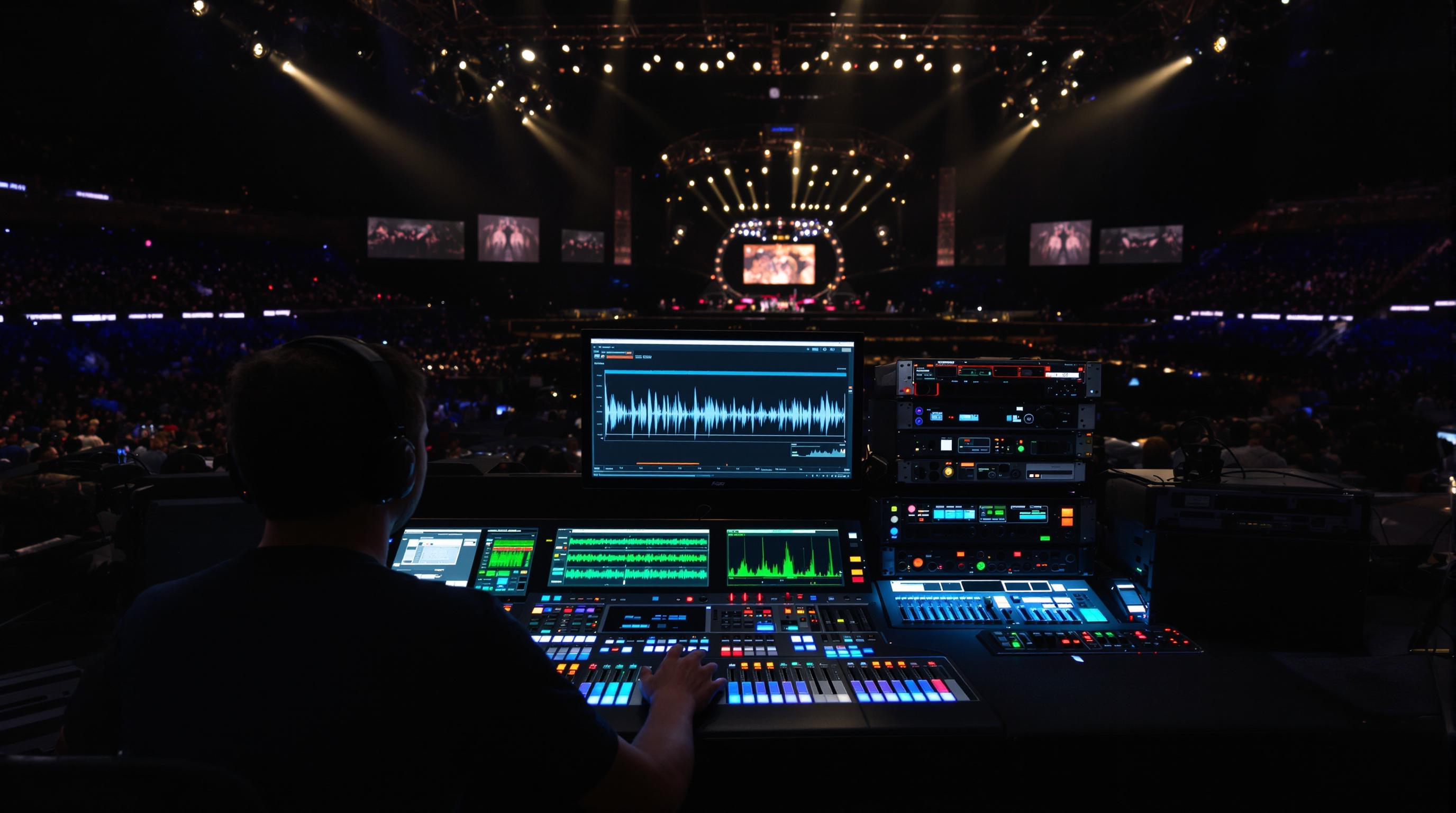
Today, touring monitor systems require wireless protocols of and above the power of 120 dB SPL with signal transmission quality. The recent techniques in data transmission such as Orthogonal Frequency Division Multiplexing with Subcarrier Power Modulation (OFDM-SPM) double the data rate without increasing the bandwidth, which is crucial for latency sensitive performances. The modulation’s low power consumption (-18% compare to traditional OFDM) reduces the potential of interference with stage lighting rigs and pyro effects. Antenna diversity arrangements increasingly employ phase alignment algorithms to deal with multipath distortions originating from reflectivity of stage surfaces.
Adaptive filters that continuously identify and target feedback frequencies (within 0.2s when operating and at >20 dB SPL) are employed by digital signal processing (DSP) chains in high-SPL environments. Different hybrid systems, such as the combination of PE, with multiband compressors, obtained 32 dB headroom gain-before-feedback in the monitor wedge setting. Venue impulse-response-trained machine learning models predicting filter bank responses in training time react proactively by compensating resonance shift related to crowd density change between concert and live settings.
Neural networks analyze ambient readings in real time – like levels of humidity, temperature, and how a crowd is moving – in order to determine the best way for the monitor to respond. An AI-calibrated 2023 field trial demonstrated ±1.5 dB SPL consistency minus/plus 40 °F swings among 18 outdoor sites using AI-processed systems. Reinforcement learning algorithms protect the back of the BA21 cabinets with port noise in the sub-40 Hz range To maintain focus and composure at high SPL’s. These systems apply corrective EQ automatically within 50 ms of detecting shifts in vocal timbre as the artist moves through points in a dead spot on stage.
Touring monitor calibration protocols balance extreme SPL with artist safety and audio clarity. With average stage volumes exceeding 110 dB (OSHA 2023), modern systems require precision adjustments to prevent hearing damage while maintaining fidelity. Challenges range from combating stage resonance to managing feedback thresholds in acoustically volatile venues.
Calibrated prior to the show by on-stage 3D spatial mapping of the acoustics. Touring engineers employ LIDAR-measurement rigs to find reflection hot spots, measuring frequency response profiles for every monitor position. This information helps focus specific attenuation on the offending bands—a reduction in the level of feedback occurrences of 12 dB has been demonstrated when SPL mapping is used in conjunction with impedance-matched speaker locations (AES 2022).
Musicians’ hearing sensitivity profiles directly inform monitor adjustments.
Modern systems incorporate machine learning to track SPL fluctuations caused by crowd noise or weather changes.
| Parameter | Adjustment Range | Response Time |
|---|---|---|
| High-frequency damping | ±8 dB | <0.2 seconds |
| Proximity effect comp | ±5 dB | <0.15 seconds |
| Phase alignment | 0-180° | <0.1 seconds |
Sensor networks automatically compensate for mic positioning drift during energetic performances.
Post-show diagnostics analyze cumulative SPL exposure across frequency bands. Teams correlate this data with artist feedback to refine future calibrations, achieving 92% prediction accuracy for venue-specific tuning requirements after 5 performances (Journal of Audio Engineering 2023). This closed-loop system reduces soundcheck durations while improving mix consistency across diverse touring environments.
Sophisticated algorithms now track mic patterns and room acoustics five to 10 seconds before the feedback starts. They use crowd sound, instrument pitch and stage reflection for predicting resonance peaks. Automatically reducing the problem frequencies these elements protect the all important headroom giving you a more loud while clean mix, ready to compete with the big guns. This preventative measure results in 55% fewer monitor engineer interventions over the course of high-energy shows as per audio tech trials in 2024:
Each manufacturer is developing common waveguide systems that integrate enclosure design with driver implementation. These designs utilize boundary coupling to enhance efficiency. One of the innovations is the tapered compression chamber, which minimise distortion at 130+ dB SPL. CFD simulations have shown that the new prototypes are 18% more efficient and 33% lighter, which is hugely important for touring logistics.
Spectrally, tour-level Lms in 2019 were 7 dB A-weighted higher than recommended by the WHO’s occupational noise guidelines, on average. This tension drives innovations such as individualized hearing safeties: Smart earplugs that track exposure over time, while in-ear monitoring (IEM) systems that feature real-time dosage alerts. New standards by audio engineering societies recommend amplification not as much through volume rise, but distortion controlled amplification. Today’s top designers are no longer just chasing output, they are after directionality of wavefront.
Sound Pressure Level (SPL) measures acoustic intensity and is crucial for both audience effect and performer health during live shows.
Engineers use techniques like notch filtering, cardioid microphone patterns, predictive DSP algorithms, and parallel compression to suppress feedback.
IEMs offer significant passive isolation and reduced vocal mic feedback, making them effective for reducing noise pollution on stage.
AI analyzes real-time ambient conditions and adapts monitor responses to maintain consistency and minimize feedback during performances.
Trends include predictive feedback control through machine learning, integrated acoustic designs, and innovations focused on hearing conservation.


 EN
EN


 Hot News