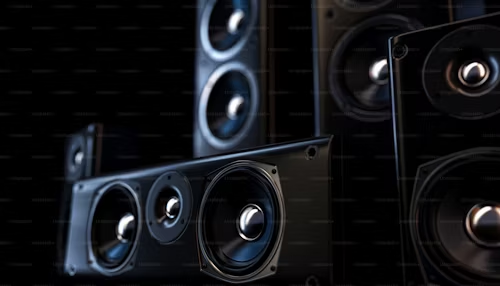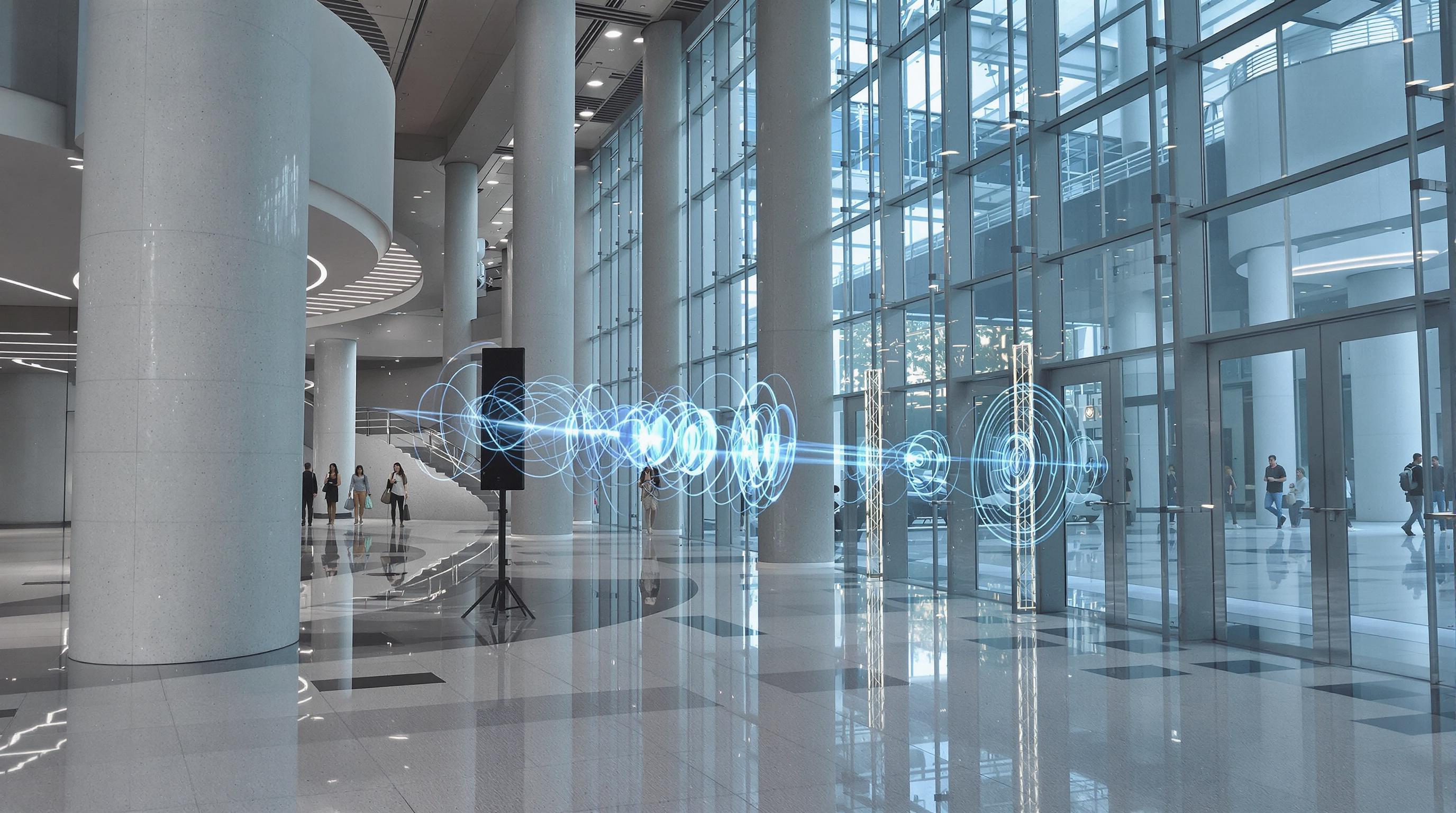
Nowadays column loudspeakers reduce echo by controlling the vertical dispersion on beam width (5°-15°) and adaptive calibration. Recent case studies reveal that phased arrays with real-time FIR filtering are able to achieve a 65% reduction in the reverberation time in glass-fronted lobbies. Material absorption coefficients (α > 0.8 above 500 Hz) are key to controlling reflections, as shown in the 2024 Stadium Acoustics Report. This compromise maintains architectural integrity and still provides acceptable RT60 times of less than 1.2 seconds in the majority of installations.
Comb filtering (±12dB variations) and delayed reflections (>50ms) in multi-plane architecture, deteriorate speech intelligibility. This is overcome with a column array using time-aligned wavefront synthesis, with <3dB SPL variance across 180° of horizontal. However, the features of current stadiums often lead to shadowed areas, necessitating the use of additional satellite units. Newer systems use 360° LiDAR-scanned mapping for automatic coverage gap detection, cutting calibration error by 40%.
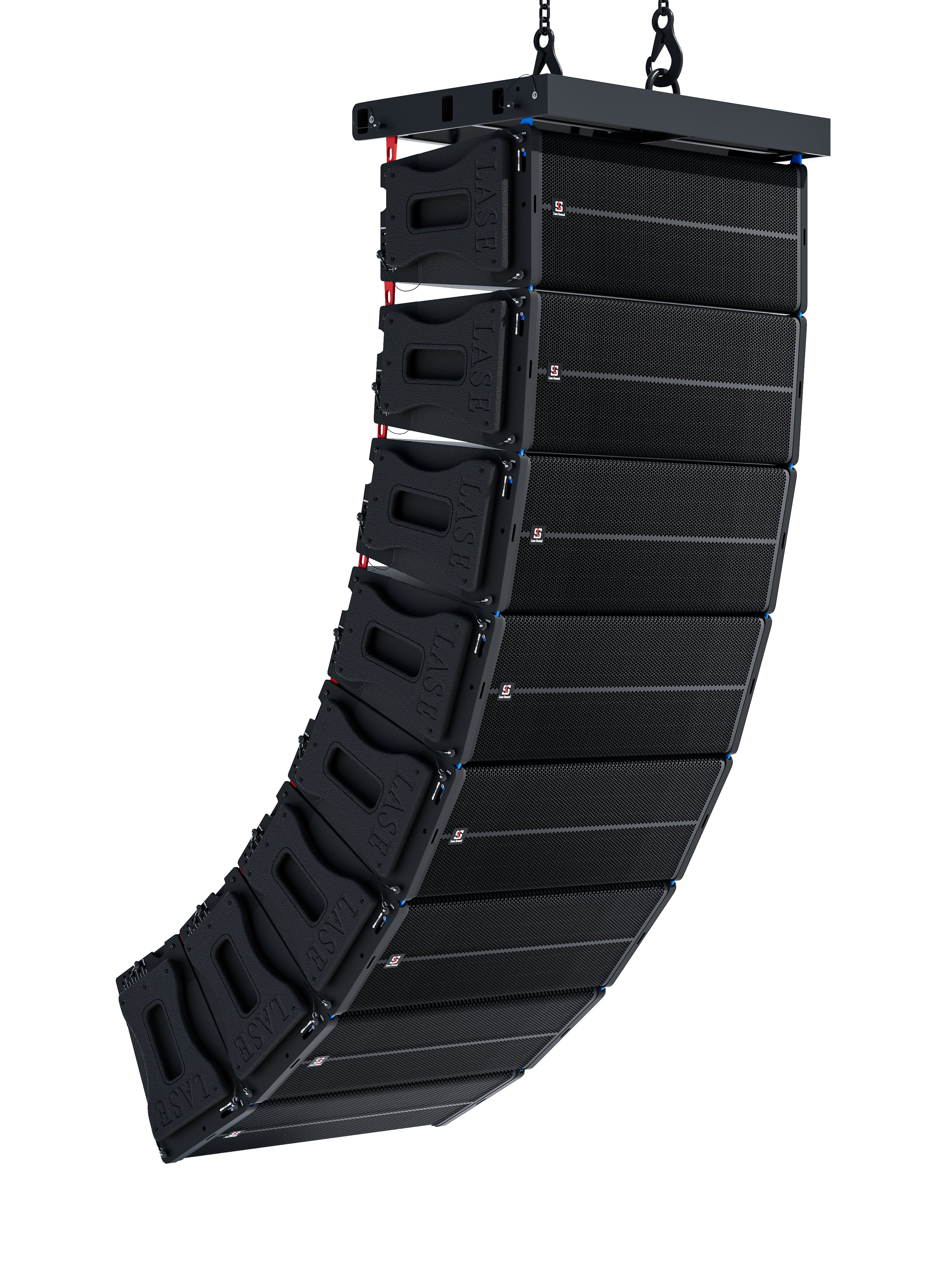
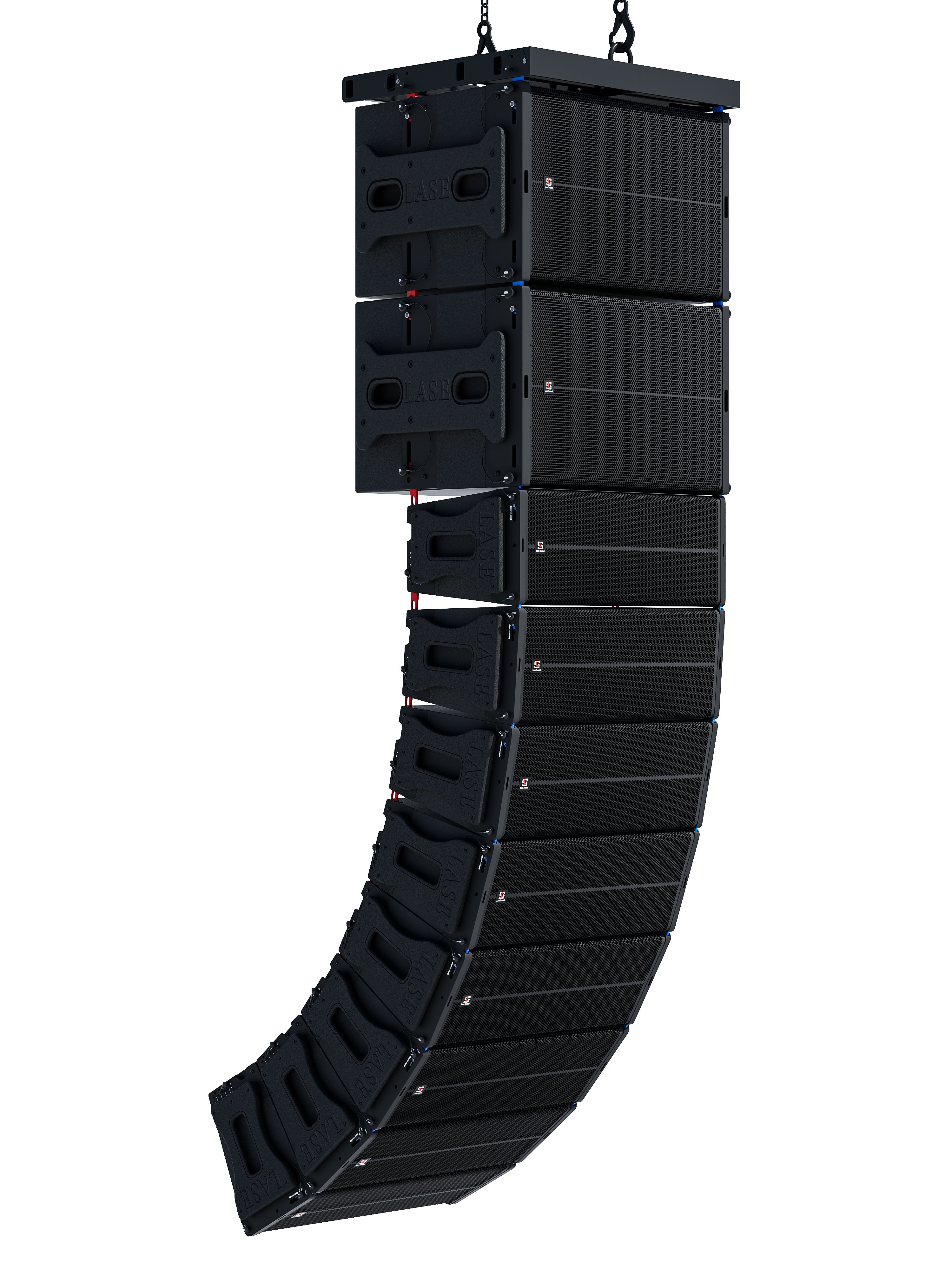
Column loudspeaker technology relies on vertical driver arrangements and advanced signal processing to deliver precise audio in acoustically challenging environments. Four key principles underpin this technology:
Phase manipulation across vertical driver arrays enables beam steering. Modern systems use predictive algorithms to adjust output levels in 0.1dB increments, optimizing coverage while minimizing reflections.
STI scores (0.00-1.00) measure speech intelligibility. Column loudspeaker placement targets STI â¥0.60 for general announcements and â¥0.75 for emergency messaging. Advanced DSP automatically adjusts equalization to compensate for material absorption variances (e.g., concrete: α=0.02 at 125Hz vs acoustic panels: α=0.85 at 2kHz).
Modern arrays maintain ±2dB SPL variance through:
| Technique | Frequency Range | Coverage Precision |
|---|---|---|
| Power Shading | 100Hz-4kHz | ±1.5dB @ 15m |
| Vertical Tapering | 800Hz-20kHz | ±0.8dB @ 10m |
These methods counteract inverse square law attenuation, aligning with IEC 60268-16:2023 calibration protocols.
Coherent phase response eliminates comb filtering via:
Systems with â¤5° phase deviation improve speech clarity by 18% in AEC tests.
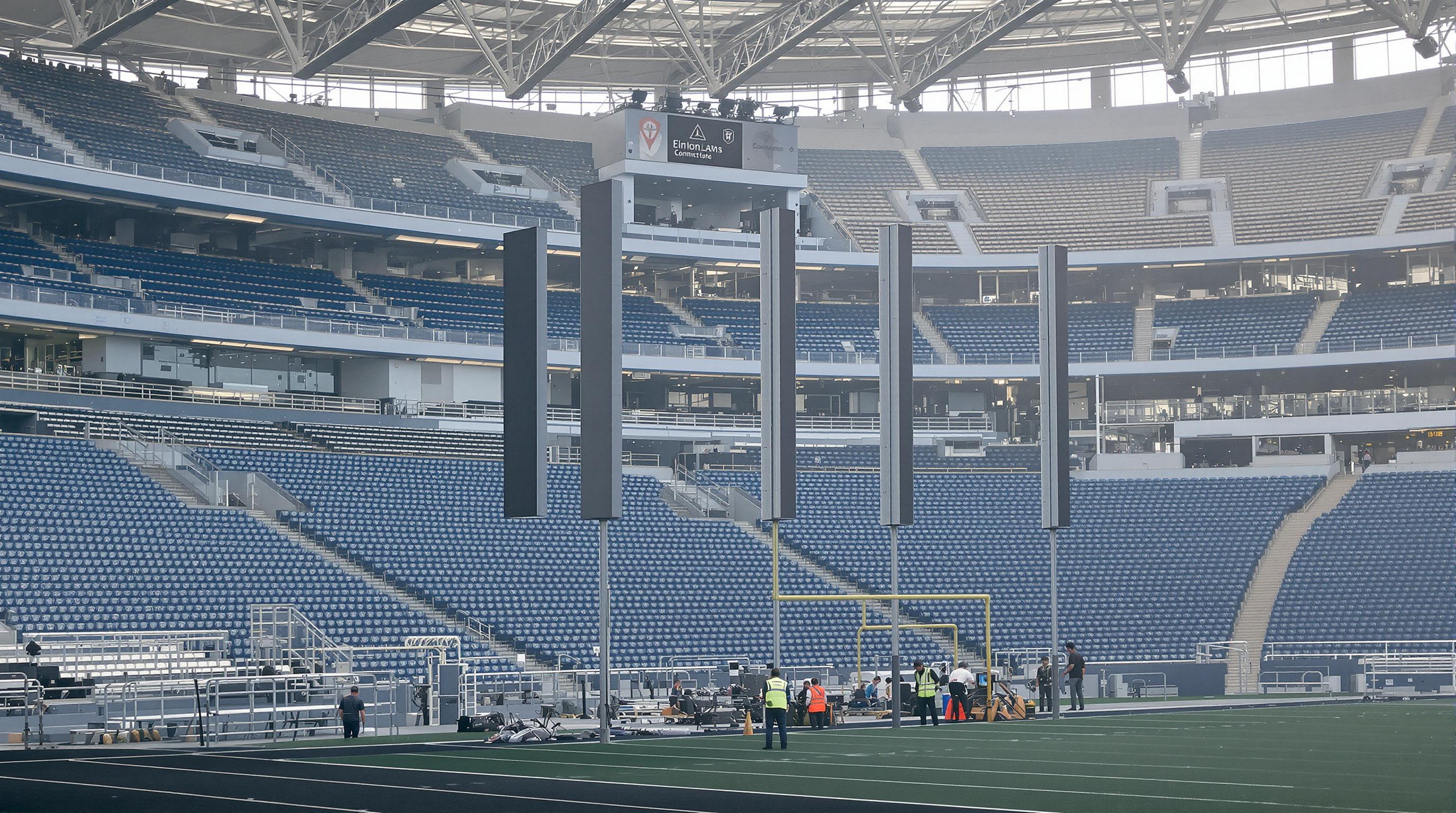
Stadium designs pose acoustic challenges, with curved surfaces and multi-level seating creating complex reflections. Material absorption varies widely (concrete: α=0.04; occupied seating: α=0.30). Strategic array placement reduces reverberation time by 36% while meeting NFPA 105 dB SPL requirements.
Achieving 0.58 STI (98% word clarity) requires adaptive beamforming. Key improvements include:
| Parameter | Pre-Optimization | Post-Optimization |
|---|---|---|
| Average STI | 0.45 | 0.58 |
| SPL Variance | ±8.2 dB | ±2.5 dB |
| Reflection Ratio | 1:3.4 | 1:1.8 |
Field measurements in 12 stadiums validate performance:
All zones maintained â¤3 dB variance per IEC 60268-16 standards.
Rigorous testing confirms:
Adaptive calibration maintains ±0.03 STI stability during events.
Modern platforms integrate beamforming with environmental analysis, enabling adaptive steering in â¤0.6 sec reverberation spaces. A 2024 Commercial AV Survey found 72% of integrators use such software to balance clarity and aesthetics.
BIM workflows now include acoustic prediction, allowing testing of 50+ loudspeaker configurations before buildout. Demand for BIM-integrated AV is projected to grow at 6.8% CAGR (2025–2030), reducing post-installation modifications by 34%.
Ray-tracing software reduces specular reflections by 62%, optimizing placement to avoid critical reflection zones.
Absorption efficiency depends on material NRC values (e.g., acoustic fabric: α=0.82 at 2kHz). Mismatched coefficients cause up to 18% intelligibility loss.
Multi-zone SPL mapping identifies gaps exceeding 6 dB variation. Stadium deployments achieve 95% coverage with 22° inter-column spacing.
While 58% of architects prioritize aesthetics, dual-function designs with integrated resonators achieve both 0.9 STI and visual appeal. Perforated metal cladding (23% open area) balances transparency (up to 12kHz) and component masking.
Column loudspeakers use controlled vertical dispersion and adaptive calibration, which focus sound more precisely, reducing echo and reverberation times effectively.
Speech Transmission Index (STI) is crucial for ensuring clarity of speech, with high scores indicating better intelligibility. Loudspeaker placement is tailored to achieve optimal STI ratings for specific communication needs.
Real-time acoustic modeling allows integrators to simulate sound behavior before installation, ensuring the design meets both acoustic and aesthetic requirements and reducing the need for post-installation adjustments.


 EN
EN

 Hot News