For audio engineers and system designers, delivering a truly immersive and impactful experience in large venues and expansive outdoor settings remains a significant technical challenge. The primary pain point consistently revolves around the effective reproduction of low-frequency content. Standard subwoofer systems, often comprising 15-inch or 18-inch drivers, frequently fall short in these demanding environments. They struggle to generate the sheer acoustic energy required to pressurize a massive space, resulting in a weak, anemic bass response that fails to reach the farthest attendees. This lack of visceral impact directly undermines the audience's experience, whether it's the heart-pounding crescendo in a live concert or the earth-shattering explosion in a cinematic trailer. Furthermore, attempting to compensate by pushing smaller subwoofers beyond their operational limits leads to premature distortion, driver failure, and an overall degradation of sound quality. The quest for clean, powerful, and articulate bass that can travel long distances and maintain its integrity is paramount. This is precisely where the strategic implementation of a 21-inch subwoofer becomes a critical engineering consideration. The larger surface area and increased displacement capabilities of a 21-inch subwoofer directly address these fundamental limitations, offering a tangible solution for maximizing venue impact.
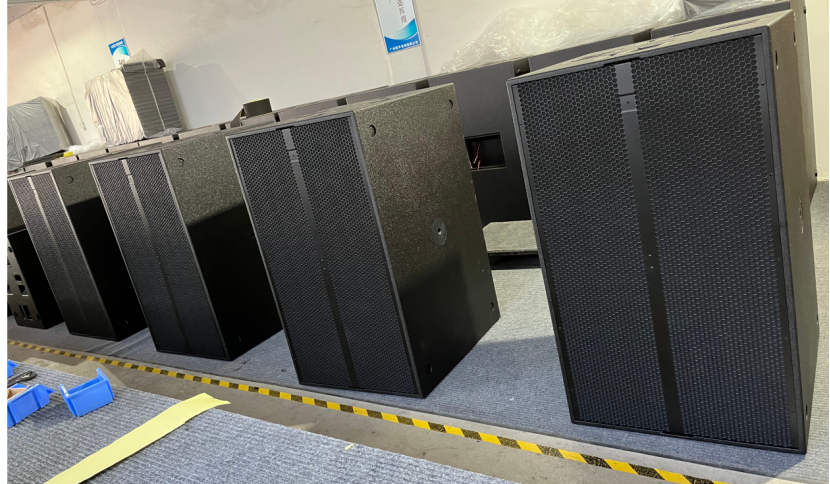
The decision to specify a 21-inch subwoofer is not merely about size; it is a calculated engineering choice based on fundamental principles of acoustics and electro-mechanics. This platform delivers a suite of performance characteristics essential for large-scale applications.
The core advantage of a 21-inch subwoofer is its ability to move a tremendous volume of air efficiently. The large cone diameter, coupled with a long-excursion voice coil assembly, results in significantly greater air displacement (Vd) compared to smaller counterparts. This is the key metric for generating high sound pressure levels over a large area. In an open outdoor field or a cavernous arena, where there are no walls to reinforce bass frequencies, this capability is non-negotiable. A properly designed 21-inch subwoofer is engineered to project low-frequency energy across vast distances with minimal loss, ensuring every member of the audience experiences the full intensity of the performance.
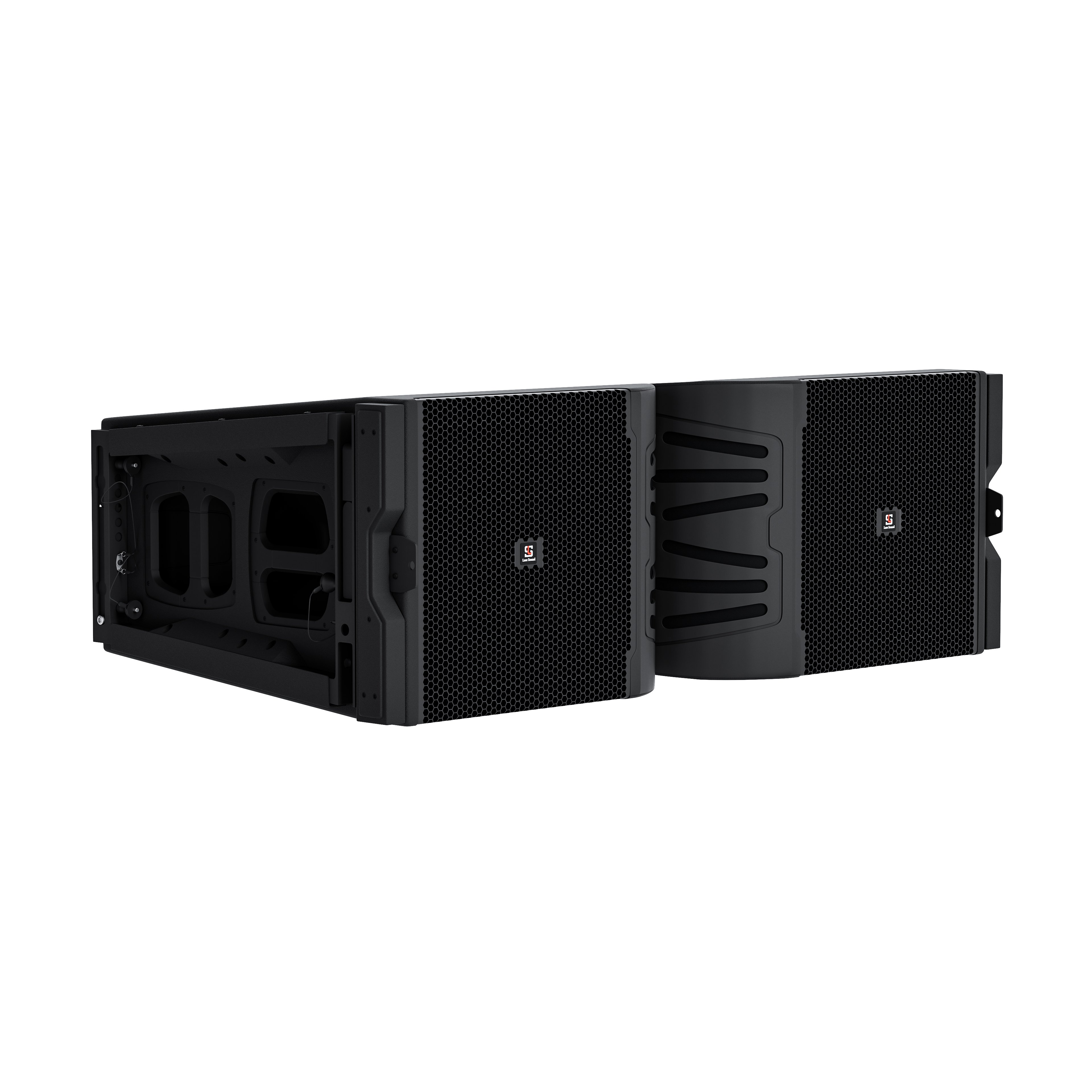
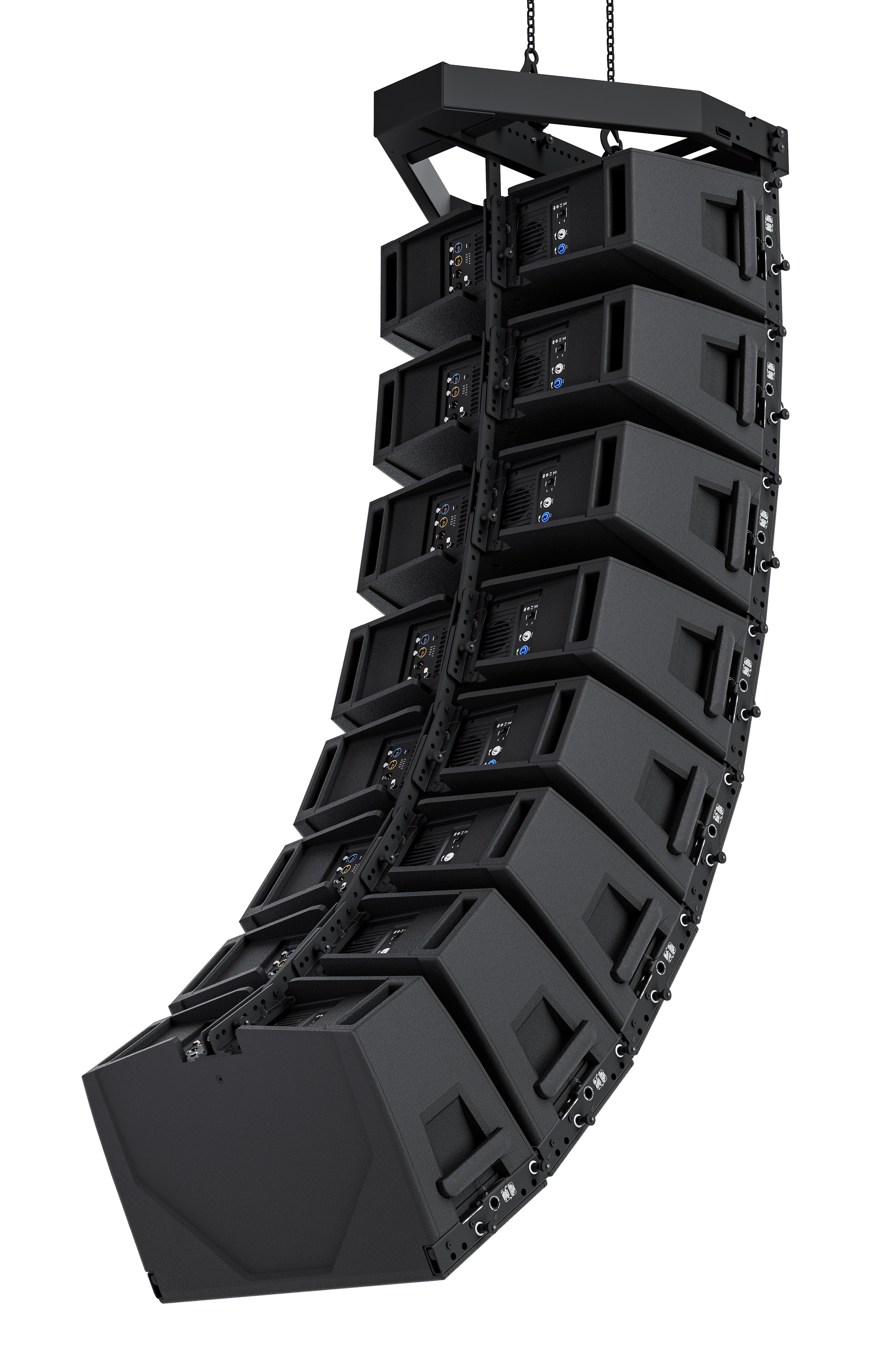
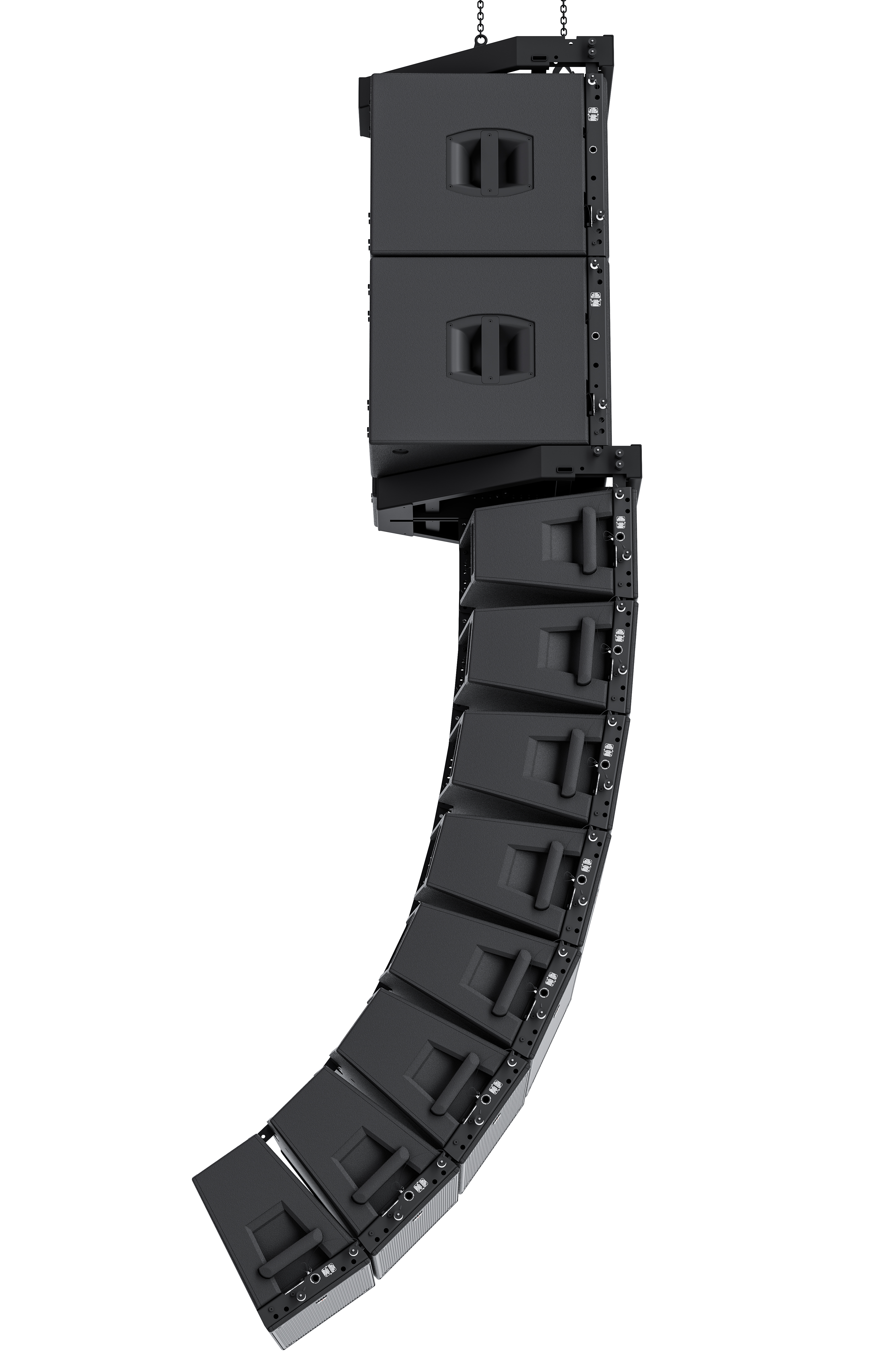
A single 21-inch subwoofer is powerful, but its true potential is unlocked in array configurations. Modern 21-inch subwoofer designs prioritize features that facilitate seamless integration into larger systems. With robust rigging points and precise aiming angles, multiple units can be combined to form directional arrays or powerful cardioid stacks. This allows system engineers to shape the low-frequency dispersion pattern, focusing energy towards the audience area and reducing unwanted bass buildup on stage or in certain areas of the venue. The consistency and power handling of the 21-inch subwoofer driver ensure that each element in the array performs identically, creating a cohesive and predictable wavefront for superior sound reinforcement and control.
The pursuit of maximum SPL is a primary driver behind the adoption of a 21-inch subwoofer. The combination of a high-power handling amplifier and a driver built with a massive magnet structure and durable components allows these systems to operate at extreme output levels with low distortion. Where a cluster of 18-inch subwoofers might be driven into compression, a single 21-inch subwoofer can often deliver the same output with greater headroom and dynamic range. This results in cleaner, punchier bass that can meet the demands of the loudest musical genres and special effects without compromising clarity or risking damage to the system.
Beyond sheer volume, depth matters. The physics of a larger, heavier cone allows a 21-inch subwoofer to resonate at lower frequencies more naturally and with greater authority. It can deliver sub-harmonic content (20-35 Hz) with tangible energy that is felt as much as it is heard, creating that chest-compressing sensation that defines an impactful experience. This extreme low-frequency extension is crucial for modern media, which is increasingly mixed with profound low-end effects. The 21-inch subwoofer provides the physical energy required to reproduce these frequencies at reference levels, ensuring the creative intent of the mix is fully realized for the audience.
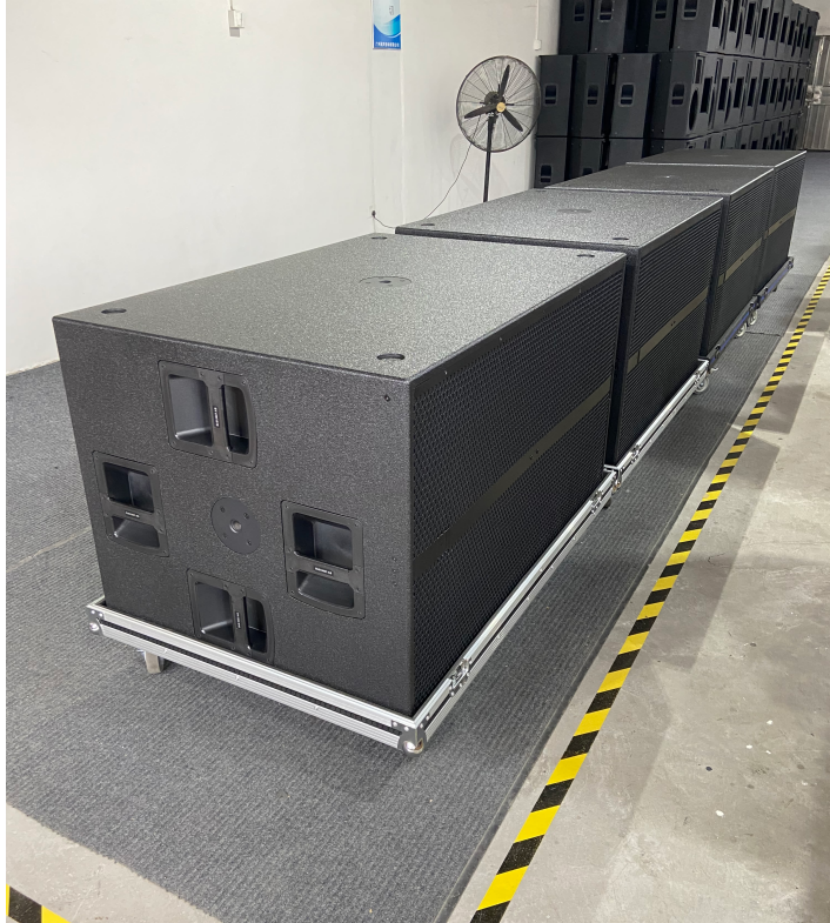
Implementing a 21-inch subwoofer solution requires careful planning to harness its full potential. The process begins with a thorough analysis of the venue's acoustics and audience sightlines. The goal is to determine the number of enclosures and optimal placement to achieve even coverage and minimize acoustic cancellations.
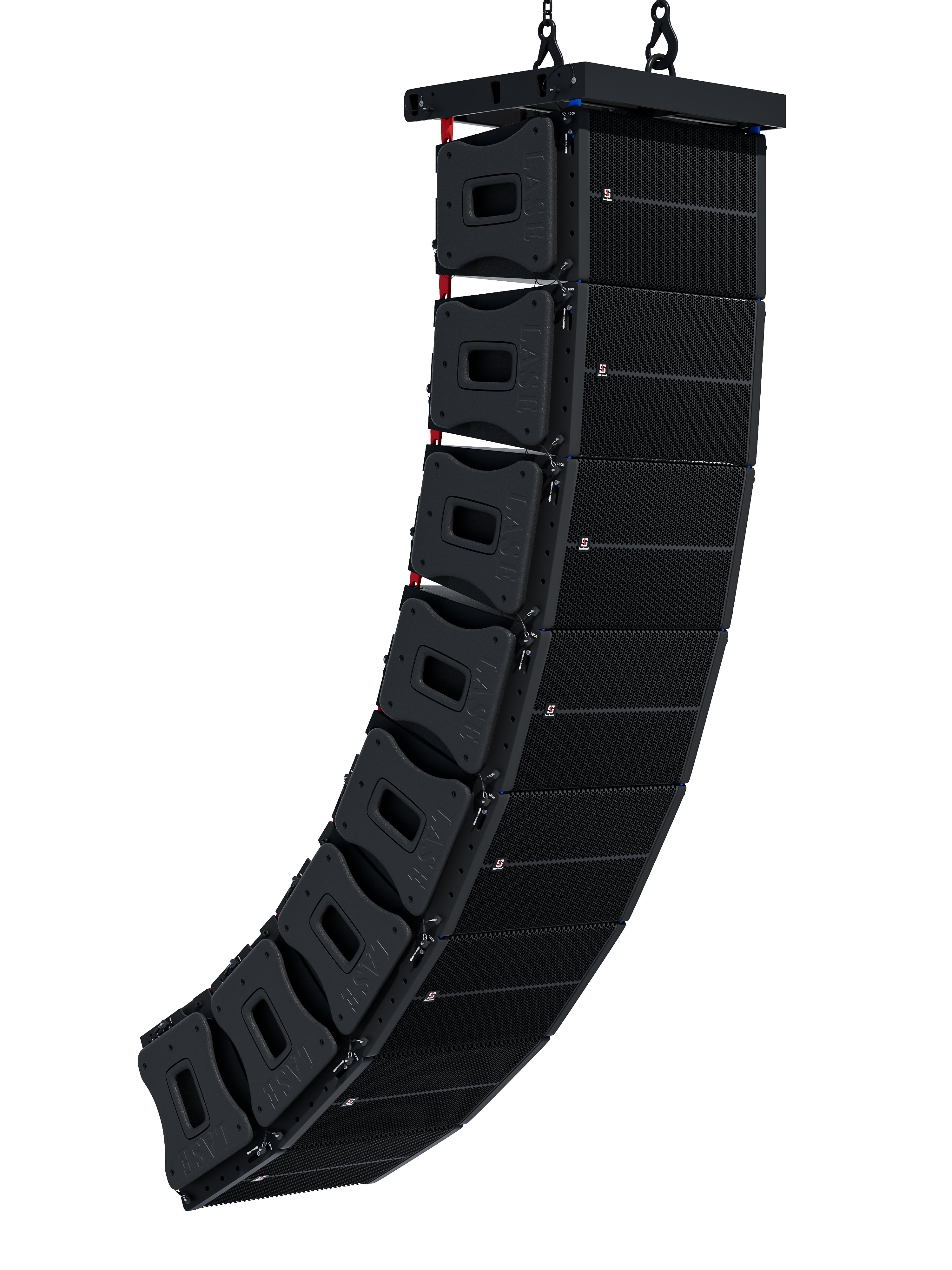
For a typical large indoor venue, a left-right cluster or a central array under the stage may be sufficient. However, for very wide spaces or outdoor events, a distributed line array of 21-inch subwoofers is often the most effective strategy. By coupling multiple 21-inch subwoofer units together, engineers can create a contiguous acoustic source that behaves more like a single, large radiator, improving wavefront coherence and reducing losses over distance. This arrayability is a hallmark of a well-designed 21-inch subwoofer system.
Signal processing is another critical component. Each 21-inch subwoofer must be powered by a dedicated high-current amplifier and managed with a sophisticated DSP. The DSP settings, including crossover points, phase alignment, limiting, and equalization, are tailored to the specific model of 21-inch subwoofer and its interaction with the main loudspeakers. For instance, a steep low-pass filter at 80-100 Hz ensures a smooth handoff to the mid-bass units, while careful EQ can tame room modes that cause uneven bass response.
To achieve directional control and reduce rear-stage energy, a cardioid configuration can be employed. This involves stacking multiple 21-inch subwoofer enclosures in a specific orientation and using electronic delays and polarity inversion to cancel sound waves propagating backwards. This advanced technique, made possible by the predictable performance of a high-output 21-inch subwoofer, results in a cleaner mix on stage and a more focused energy delivery toward the audience, further maximizing the effective impact.
In the relentless pursuit of audio excellence for large-scale events, the question posed is answered definitively: for maximizing venue impact, a 21-inch subwoofer is not just a solution—it is often the optimal solution. Its superiority is not based on speculation but on the immutable laws of physics. The significant increase in cone area and air displacement provides a fundamental advantage in achieving the extreme SPL and deep, articulate bass extension required to energize massive spaces.
While smaller subwoofers have their place, they simply cannot match the authority and headroom offered by a properly implemented 21-inch subwoofer system. The investment in a 21-inch subwoofer platform translates directly into a superior audience experience, reduced system strain, and greater flexibility for the audio engineer. It provides the necessary foundation upon which a powerful, clear, and immersive sonic experience is built. For any technical engineer or system designer tasked with delivering unforgettable impact in challenging environments, specifying a high-performance 21-inch subwoofer is a strategic decision that guarantees professional-grade results.


 EN
EN
 Hot News