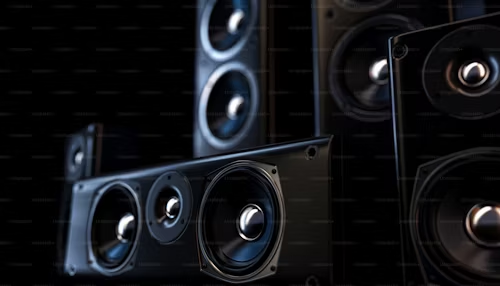
Outdoor audio applications present a unique set of challenges that differentiate them radically from controlled indoor environments. Unlike indoor venues where walls and ceilings contain and reinforce sound, outdoor settings lack natural acoustic boundaries. This results in rapid sound energy dissipation, making it difficult to maintain consistent audio pressure levels across a wide area. Furthermore, the operating environment itself is inherently hostile to electronic equipment. PA systems must contend with a relentless combination of moisture, dust, temperature extremes, and direct UV exposure, any of which can lead to premature component failure and system downtime. For technical engineers and system designers, the primary objective shifts from merely achieving high-fidelity sound to guaranteeing absolute reliability and continuous operation under these demanding conditions. The core of any solution lies in the specification and deployment of truly robust PA systems. These are not merely weather-resistant versions of indoor equipment; they are engineered from the ground up with a fundamental philosophy of resilience. This involves selecting materials that resist corrosion, designing seals that prevent ingress of particulate matter, and utilizing electronic components rated for extended temperature ranges. The ultimate goal is to deliver clear, intelligible, and reliable audio that audiences can depend on, regardless of the elements.
The defining characteristics of a robust outdoor PA system are those that directly address the environmental and operational challenges of exterior deployment. These systems are built not just to perform, but to endure.
The best outdoor PA systems are designed for intuitive operation and exceptional longevity. Recognizing that these systems are often operated by personnel with varying levels of technical expertise, the user interface is streamlined for simplicity. This includes clear, logical control layouts, pre-configured settings for common applications, and straightforward monitoring indicators. More critically, durability is paramount. The enclosure of a professional PA system is typically constructed from materials like coated aluminum or ABS composites that are resistant to rust, impact, and UV degradation. Internal components are strategically mounted on shock-absorbent isolators to protect against vibration during transport and operation. Connectors are often of the weatherproof Neutrik-type or are equipped with protective caps to prevent corrosion, a common point of failure in lesser systems. This focus on robust construction ensures a long service life with minimal maintenance, even in punishing conditions.
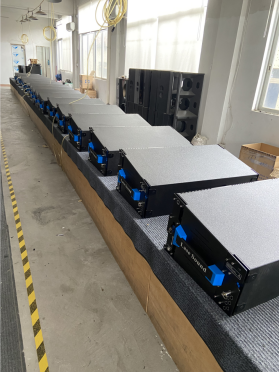
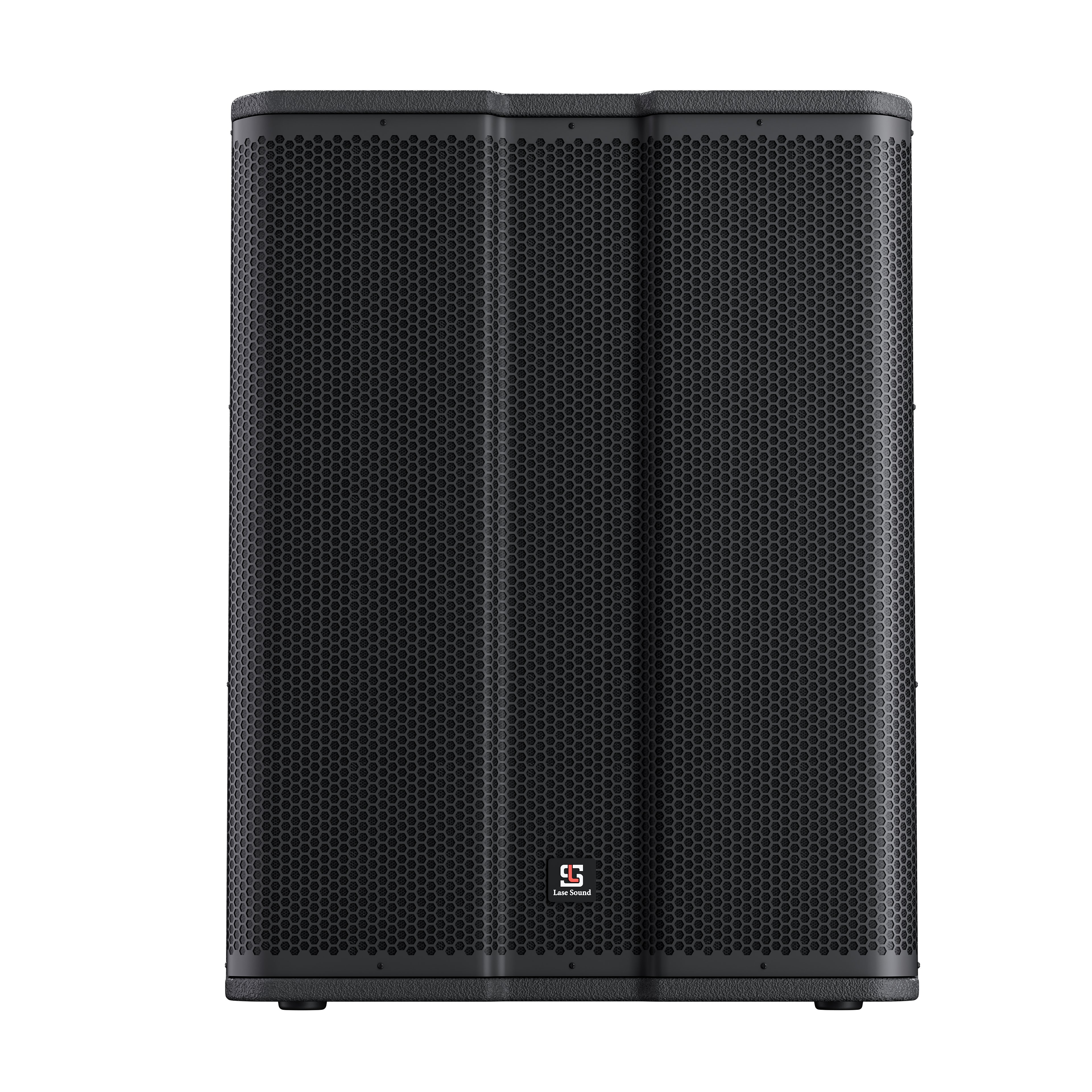
A significant advantage of modern, well-designed PA systems is their remarkable versatility. The same core system can be adapted for a diverse array of outdoor applications without sacrificing performance or reliability. For instance, a single robust PA system can provide clear public address announcements for a corporate campus, deliver high-energy music for an open-air festival, ensure intelligible safety instructions at a transportation hub, or cover a large sporting event with crowd noise and commentary. This adaptability is achieved through flexible system architecture. Manufacturers offer a range of complementary components—from compact satellite speakers for filling in near-field coverage to powerful subwoofers for full-range music reproduction—that can all integrate seamlessly with the main PA systems. This allows engineers to tailor a solution precisely to the acoustic and coverage demands of any specific scenario.
No outdoor audio system exists in a vacuum. The ability to integrate with other equipment and scale to meet future needs is a critical feature of professional-grade PA systems. Modern systems are designed with comprehensive connectivity options, including analog inputs, digital audio network interfaces (such as Dante or AES67), and remote control capabilities via Ethernet or wireless networks. This allows the PA system to function as the central audio hub, easily receiving signals from mixing consoles, video conferencing units, emergency alert systems, and media players. Furthermore, a robust design philosophy extends to scalability. Systems are often modular, allowing engineers to start with a core setup and then expand by adding more speaker cabinets, amplifiers, or processing units as requirements grow. This future-proofing protects the initial investment and ensures the PA system can evolve alongside the venue's needs.
The theoretical features of a robust PA system are realized through meticulous functional design. The process begins with a thorough analysis of the site. Engineers must account for the coverage area, ambient noise levels, and any specific architectural obstacles. Sophisticated prediction software is then employed to model the sound dispersion and determine the optimal placement and aiming of loudspeakers to ensure even coverage and avoid acoustic dead zones.
The heart of the system's reliability lies in its amplifier and processing technology. Modern amplifiers designed for outdoor PA systems are highly efficient, generating less heat and consuming less power, which is crucial for permanent installations. They are often equipped with sophisticated DSP (Digital Signal Processing) that is pre-configured with system-specific presets. This DSP handles critical tasks such as equalization to compensate for the lack of acoustic reinforcement outdoors, delay timing to align multiple speaker clusters, and dynamic limiting to protect the speakers from being overdriven. Many systems also include comprehensive monitoring and diagnostics. Network-connected PA systems can provide real-time status updates on amplifier temperature, load impedance, and signal presence, enabling proactive maintenance and rapid troubleshooting before a minor issue escalates into a system-wide failure.
A practical example that underscores the importance of robustness can be found in a permanent installation at a coastal amphitheater. The client's primary concern was the relentless salt spray and high humidity, which had consistently caused failures in their previous audio equipment within a single season. The solution involved deploying a PA system specifically engineered for marine environments.
The selected loudspeakers featured a corrosion-resistant aluminum alloy enclosure with an IP55 rating, guaranteeing protection against low-pressure water jets and dust ingress. The internal components were treated with a conformal coating to shield them from the corrosive effects of salt air. The amplifiers and processing were housed in a nearby equipment rack room, connected via digital audio cabling, which is far less susceptible to environmental degradation than analog signals.
Despite being subjected to direct ocean winds and intense summer sun, this robust PA system has provided flawless audio reinforcement for three consecutive years. It reliably supports a weekly schedule of events, from spoken word presentations to full-band concerts. System diagnostics are monitored remotely, and required maintenance has been limited to routine visual inspections and cleaning. This case demonstrates that with the correct engineering approach, a PA system can become a utterly dependable asset, capable of delivering outstanding outdoor audio reliability for years to come, regardless of the challenges posed by the environment.


 EN
EN



 Hot News