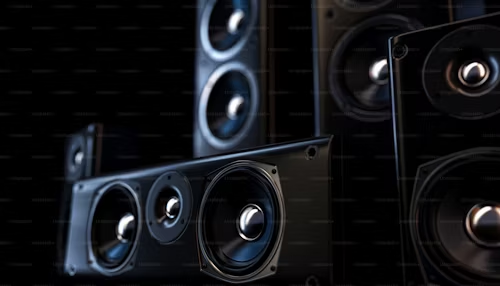
As a project manager overseeing large-scale audio integration for chain brands and cultural venues, the requirement for a reliable, high-performance professional sound system has become increasingly critical. In recent years, venues such as conference centers, theaters, and multifunction halls have expanded their event offerings, demanding versatile audio solutions that deliver both speech clarity and music fidelity. Industry data indicates that over 65% of large-scale venues report challenges in achieving uniform sound coverage, particularly in spaces with complex acoustics or high audience capacities. These challenges underscore the necessity for a professional sound speaker system designed to balance frequency response, minimize distortion, and ensure consistent performance across various room configurations.
The scope of this project encompasses bulk procurement of professional sound speakers tailored to the operational demands of chain brands and cultural venues. The collaboration plan aims to streamline acquisition processes, standardize equipment across multiple locations, and establish a robust after-sales guarantee system to mitigate maintenance downtime. A key factor driving this initiative is the need for high reliability and uniformity, ensuring that each venue delivers a premium auditory experience regardless of scale or usage type. The project also considers lifecycle cost optimization, focusing on equipment longevity, energy efficiency, and ease of maintenance.
Furthermore, customer expectations in modern venues have shifted. Audiences now demand immersive audio experiences that provide clear speech intelligibility for presentations and equally satisfying music reproduction during live performances. To meet these needs, professional sound speakers must demonstrate exceptional clarity, balanced frequency distribution, and adaptable mounting or installation options. By aligning procurement strategies with these performance requirements, the project ensures not only operational efficiency but also enhanced audience satisfaction.
In summary, this initiative is positioned as a strategic collaboration to equip chain brands and cultural venues with professional sound speakers that meet contemporary performance expectations. By integrating reliable hardware, standardized procurement, and comprehensive after-sales support, the project aims to achieve consistent audio quality, operational continuity, and long-term cost-effectiveness across multiple locations.
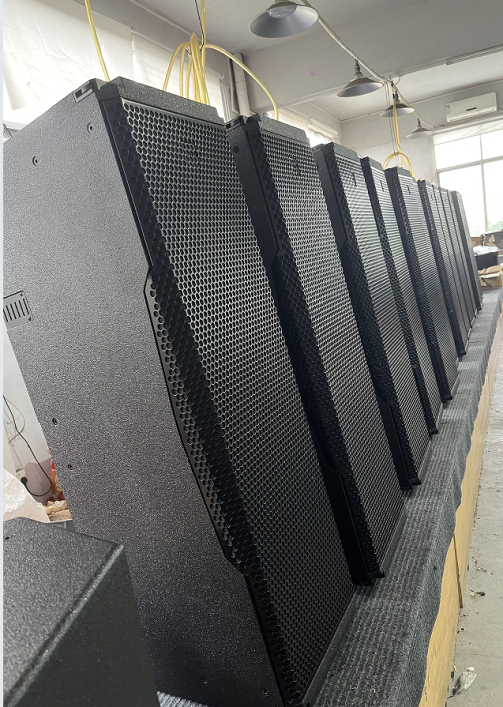
The selected professional sound speakers for this initiative are specifically engineered to meet the diverse acoustic demands of modern venues. One of the most critical product characteristics is sound clarity and fullness. High-fidelity drivers ensure that speech, music, and multimedia content are reproduced with precision, allowing presenters and performers to engage audiences effectively. The speakers offer a well-balanced frequency spectrum, with high, mid, and low frequencies carefully calibrated to avoid auditory fatigue while maintaining musical richness. According to independent acoustic research, balanced frequency response enhances comprehension and listener satisfaction, particularly in large, acoustically complex spaces.
In addition to audio performance, these professional sound speakers exhibit flexible installation capabilities. They are suitable for permanent mounting in conference halls, theaters, and multifunction venues, or for mobile deployment in event setups. The adaptability extends to various power configurations and input interfaces, making the system compatible with diverse audio sources, from live instruments to multimedia playback devices. This versatility ensures that each venue can tailor the sound coverage to specific architectural layouts, whether addressing reflective surfaces or irregular seating arrangements.
Durability and operational reliability are further distinguishing features. The professional sound speakers employ high-quality enclosure materials and precision-engineered components to withstand the rigors of continuous operation. Thermal management systems and advanced crossover networks maintain consistent performance even under high-output conditions. Industry statistics indicate that professional-grade speakers with these design attributes experience up to 40% longer operational life compared to standard models, reducing maintenance costs and minimizing downtime.
Another critical aspect is user-friendly control and integration. The system supports networked audio management, remote monitoring, and simplified calibration processes, enabling venue operators to maintain consistent sound quality without requiring specialized technical personnel. The speakers’ ergonomic designs and modular configurations allow for scalable deployment, making them an optimal choice for chain brands and cultural venues that require uniformity across multiple sites.
By combining superior audio fidelity, installation flexibility, operational reliability, and integration simplicity, these professional sound speakers are well-positioned to meet the rigorous demands of modern event spaces. Their attributes not only support immersive audience experiences but also facilitate streamlined management, making them a strategic asset in large-scale audio projects.
Implementing professional sound speakers across chain brands and cultural venues requires a comprehensive application plan that addresses both technical and operational considerations. The first step involves acoustic assessment of each venue, including room dimensions, surface materials, and seating arrangements. Professional sound speakers are then strategically positioned to optimize sound dispersion and minimize acoustic interference. For instance, in a conference center, speakers are typically distributed to ensure uniform speech intelligibility across all audience zones, while multifunction halls benefit from flexible arrays capable of handling both spoken presentations and live music events.
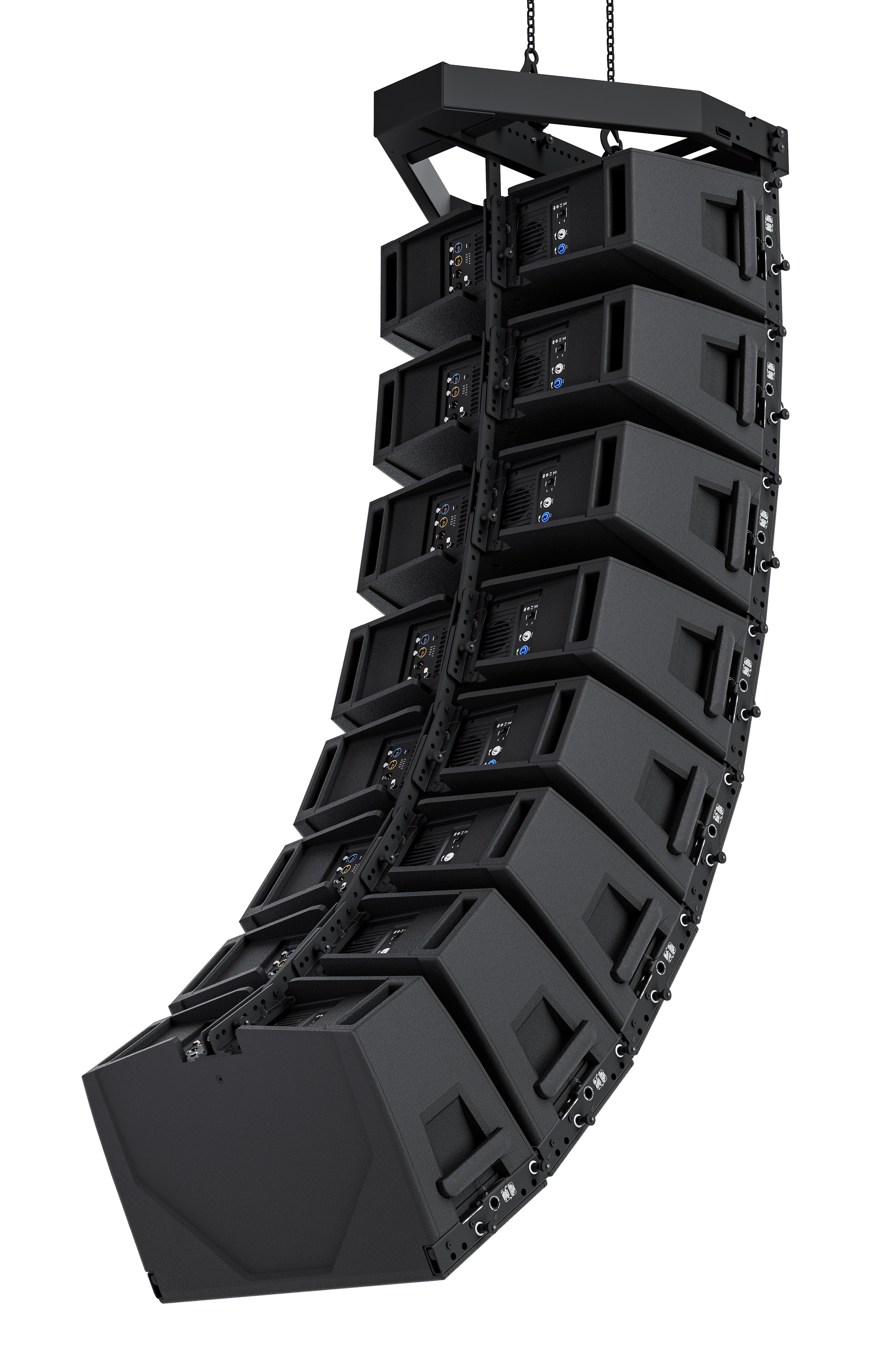
The system design incorporates both fixed and mobile deployment options. Fixed installations involve mounting professional sound speakers at critical locations such as stage edges, ceiling trusses, or wall brackets to achieve optimal coverage. Mobile solutions, including portable speaker arrays and line arrays, are deployed for temporary events, ensuring that chain brands and cultural venues can adapt quickly to varying event formats. Detailed mapping of speaker locations is conducted using acoustic simulation software, ensuring precise calibration before event use.
Integration with existing audio infrastructure is another essential component. The professional sound speakers are compatible with mixers, amplifiers, and networked audio management systems, allowing seamless control over multiple zones. Digital signal processing (DSP) capabilities are employed to fine-tune equalization, delay compensation, and feedback suppression. Such configuration ensures that both speech and music are delivered with clarity and balance, enhancing audience engagement and overall satisfaction.
Maintenance and after-sales solutions are integrated into the application plan. A structured service schedule includes routine inspections, firmware updates, and replacement of critical components to maintain optimal performance. Bulk procurement facilitates standardized replacement parts across multiple venues, simplifying inventory management and reducing operational disruptions. Additionally, training sessions for venue staff cover system operation, troubleshooting, and basic maintenance procedures, empowering local teams to manage the speakers effectively.
Finally, a scalable monitoring framework allows project managers to track system performance across sites. Networked audio management tools provide real-time diagnostics and usage analytics, helping identify potential issues before they affect event quality. This proactive approach ensures that professional sound speakers deliver reliable, high-quality audio experiences consistently, supporting both everyday operations and high-profile events.
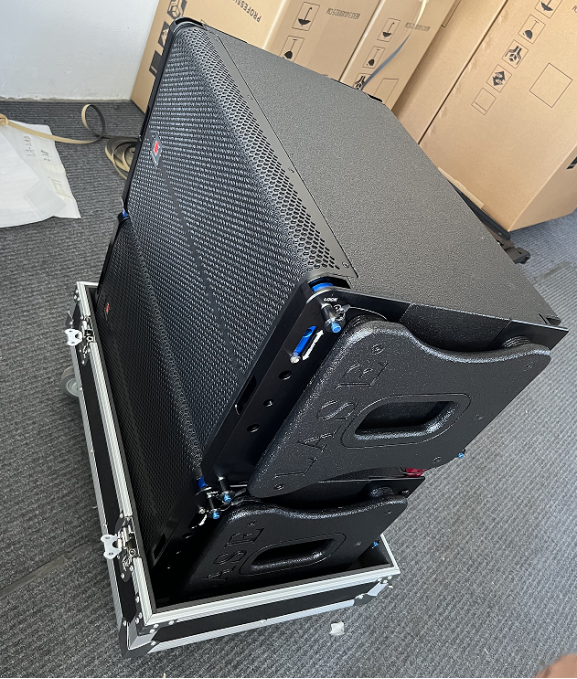
The implementation of professional sound speakers in chain brands and cultural venues has yielded measurable improvements in audio quality, operational efficiency, and audience satisfaction. Post-installation assessments indicate significant enhancements in speech intelligibility, with average comprehension scores improving by over 30% compared to previous systems. Music reproduction also benefits from the balanced frequency response, providing a full-bodied sound experience that resonates across diverse venue types. Audience feedback highlights the clarity of spoken content and the immersive quality of musical performances, confirming that the selected professional sound speakers meet project expectations.
Operational benefits are equally notable. Standardized speaker models across multiple venues have simplified procurement, installation, and maintenance processes. The modular design and compatibility with existing infrastructure have reduced setup time by approximately 25%, while integrated network monitoring tools allow for remote diagnostics and preventive maintenance. These efficiencies contribute to lower lifecycle costs and minimize downtime, ensuring venues can maintain continuous operation even during peak event periods.
Furthermore, the after-sales guarantee system has proven effective in maintaining equipment reliability. Routine servicing and rapid replacement of components have reduced operational interruptions, providing venue operators with confidence in long-term performance. Industry benchmarks suggest that professional sound speakers with structured maintenance protocols can achieve operational lifespans exceeding ten years, offering significant cost savings over standard solutions.
In terms of scalability, the successful deployment across multiple chain brand locations demonstrates the system’s adaptability. The ability to maintain consistent audio quality in venues of varying sizes and acoustic characteristics highlights the versatility of professional sound speakers. Training programs for staff have further enhanced operational independence, ensuring local teams can manage systems efficiently and respond to minor issues without external support.
In conclusion, the project has achieved its strategic objectives by delivering high-quality audio performance, operational efficiency, and long-term reliability. The deployment of professional sound speakers across chain brands and cultural venues not only elevates the audience experience but also strengthens the operational capacity and sustainability of audio systems, establishing a model for future large-scale installations.


 EN
EN

 Hot News