A Compact Line Array System should fix uneven sound, limited space, and unclear speech without forcing you to buy an oversized touring rig. This guide shows how to choose the right Compact Line Array System by venue size, audience capacity, sound coverage, subwoofer needs, installation method, and budget.
Why a Compact Line Array System Helps Small and Medium Venues
A Compact Line Array System is valuable when your main problem is uneven coverage, not simply low volume. In many halls, churches, clubs, and multipurpose rooms, a traditional PA system can be loud enough near the stage but weak or unclear at the back. That creates the common complaint: front-row listeners feel uncomfortable, while the rear seats still cannot hear clearly.
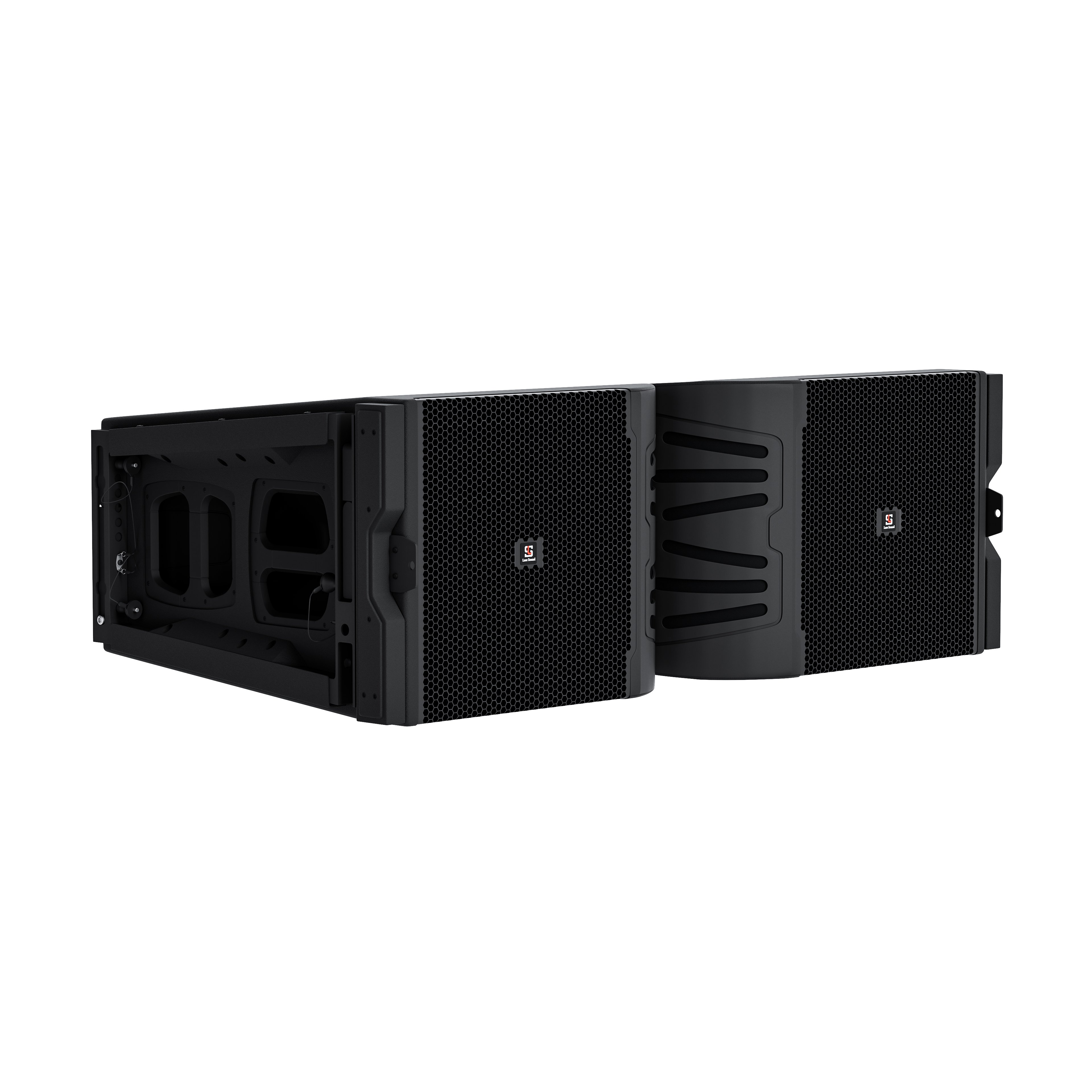
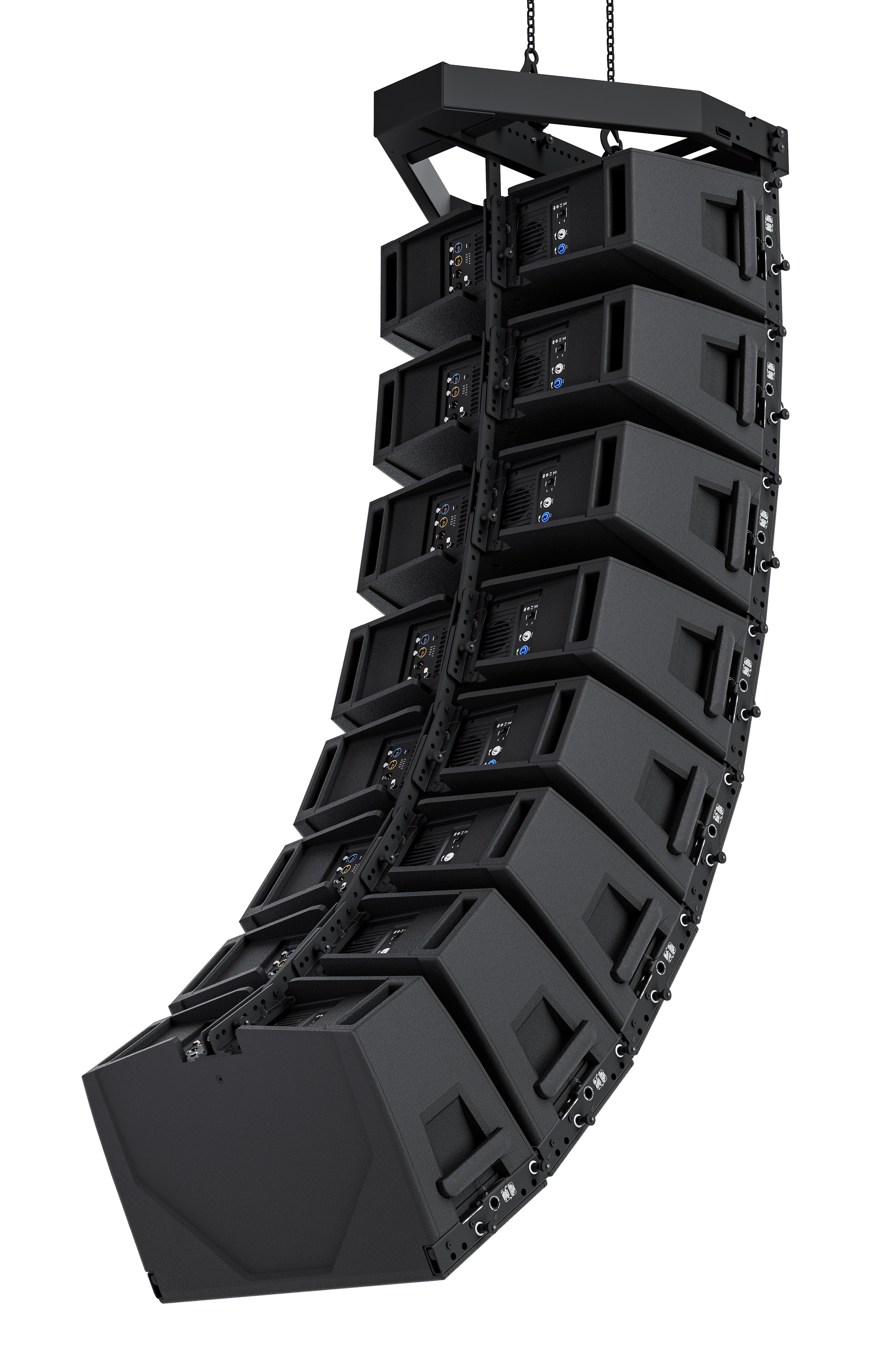
The advantage of compact line array design is controlled vertical dispersion. Instead of throwing sound randomly across walls, ceiling, and floor, well-designed line array speakers aim more energy toward the audience area. This helps improve sound coverage, reduce harsh reflections, and create a more consistent listening experience from front to back.
For a small venue sound system, the goal is usually clear speech, natural music, and easy installation. For a medium venue sound system, the goal often includes higher output, wider audience coverage, and better low-frequency support. A compact array sits between simple point-source boxes and large touring arrays, making it practical for venues that need professional results without excessive size.
Typical users include churches, schools, theaters, live houses, banquet halls, conference centers, and event companies. In these spaces, the system must often handle speech in the morning, music in the evening, and live performance on weekends. That is why choosing the right sound reinforcement system matters more than choosing the biggest speaker.
Compact Line Array System vs Point Source Speakers
A Compact Line Array System is usually better when the audience area is long, narrow, or difficult to cover evenly. Point source speakers can work well in small square rooms, but they may struggle in deeper halls where the rear seats need more clarity and the front seats need less direct pressure.
A traditional full-range speaker is simple, affordable, and easy to place. It can be a good choice for cafés, small meeting rooms, rehearsal spaces, and basic mobile events. However, when the venue becomes deeper or more reverberant, multiple full-range speaker boxes may create overlapping sound and inconsistent coverage.
By contrast, compact line array speakers allow the system designer to shape vertical coverage more carefully. This can improve speech intelligibility in a church sound system, reduce echo problems in a conference hall audio system, and provide more balanced music playback in a club or theater.
|
|
|
|
| System Type |
Main Strength |
Common Limitation |
Best Application |
| Point source speaker |
Simple setup and lower cost |
Uneven coverage in long rooms |
Small rooms, basic speech, background music |
| Compact array system |
Better vertical control and cleaner coverage |
Requires correct design and tuning |
Churches, theaters, halls, live houses |
| Large touring array |
Very high output and long throw |
Too large and costly for many venues |
Arenas, festivals, large outdoor shows |
The pain point is not that point source speakers are “bad.” The issue is matching the tool to the room. If your current PA system causes hot spots, dead zones, or poor speech clarity, compact arrays may solve problems that extra volume cannot fix.
How to Size a Compact Line Array System for Your Room
A Compact Line Array System should be sized according to audience area, ceiling height, program type, and expected sound pressure—not only wattage. Many buyers focus on amplifier power, but real-world performance depends on cabinet quantity, coverage angle, system tuning, and room acoustics.
A 150-seat speech room does not need the same design as a 600-person live house. A small venue sound system may use fewer array elements with limited low-frequency support. A medium venue sound system may need more cabinets per side, additional subwoofer units, and stronger DSP control.
Before choosing, review these key points:
1. Measure the audience area.
Check room width, depth, ceiling height, balcony areas, and seating layout. Good sound coverage starts with knowing where the audience actually sits or stands.
2. Define the main use.
Speech, worship, live band, DJ music, theater, and corporate events have different output and tonal balance requirements.
3. Estimate audience capacity.
More people absorb more high-frequency energy. A room that sounds bright when empty may sound dull when full.
4. Check SPL requirements.
A speech-focused conference hall audio system needs clarity. A live sound system for bands needs higher headroom and stronger dynamics.
5. Plan future expansion.
If the venue may host larger events later, choose hardware that allows additional cabinets or more subwoofer support.
For rough planning, small rooms may only need a compact left-right array with one or two low-frequency cabinets. Medium rooms may need more line array speakers, multiple subwoofer units, and proper delay or fill speakers. Final design should still be based on room measurements and professional simulation when possible.
Choose the Compact Line Array System that fits your real workload, not the largest model in the catalog. Oversizing can waste money, complicate installation, and create excessive reflections in rooms that are already acoustically sensitive.
Matching a Compact Line Array System with Subwoofers and Monitors
A Compact Line Array System needs the right low-frequency and stage support to become a complete event solution. The main array may cover vocals and instruments clearly, but music-heavy venues often require a dedicated subwoofer system to add depth, punch, and energy.
For speech-only applications, such as training rooms or lecture halls, a subwoofer may be optional. For worship music, theater, live bands, and DJ events, a subwoofer is usually important. Without low-frequency support, the system may sound clean but thin, especially for drums, bass guitar, electronic music, and movie playback.
|
|
|
|
| Venue Type |
Main Need |
Subwoofer Recommendation |
Extra Equipment |
| Church |
Natural voice and music balance |
1–2 units depending on music style |
Monitor speakers, DSP |
| Conference hall |
Speech clarity |
Optional or light low-frequency support |
Wireless mics, processor |
| Live house |
High output and impact |
Multiple units recommended |
Stage monitors, mixer |
| Banquet hall |
Speech and music flexibility |
Moderate support |
Portable control rack |
| School theater |
Clear dialogue and music |
Depends on performance type |
Fill speakers, monitors |
A good church sound system may use compact arrays for vocal clarity and moderate low-end for worship music. A live sound system for bands should include monitors so performers can hear themselves. An event company may prefer a portable line array system that can be packed, transported, and expanded quickly.
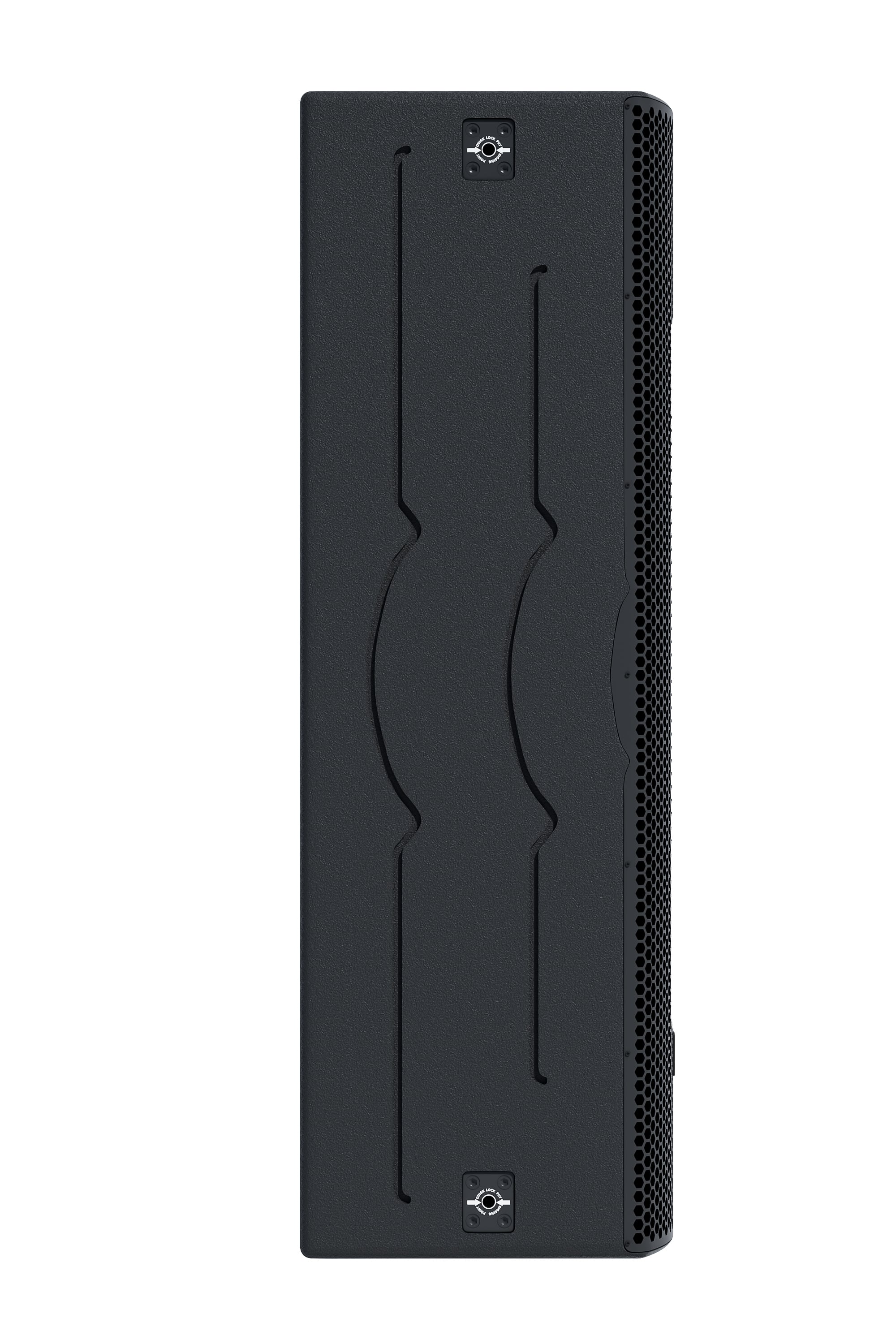
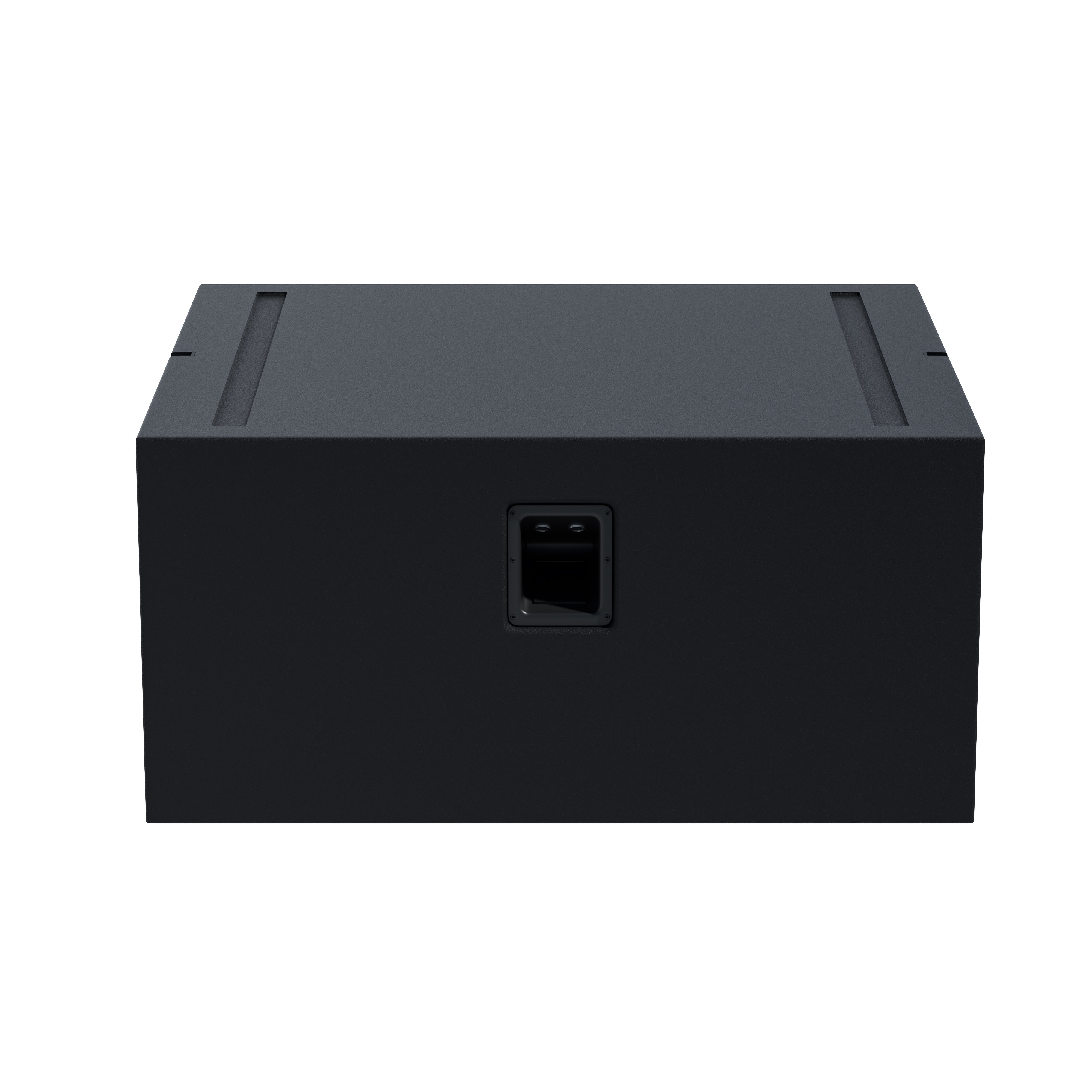
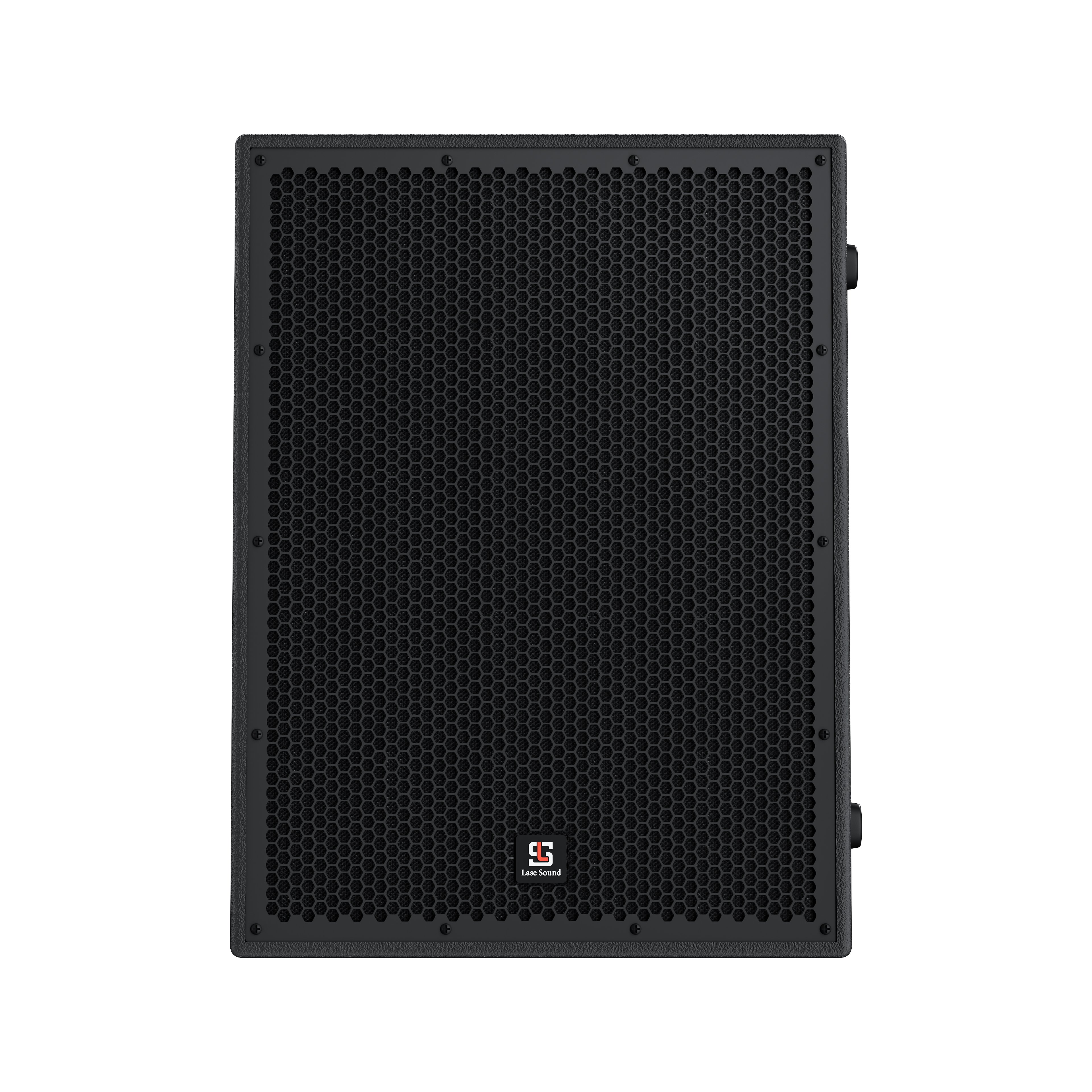
This is also where a professional speaker lineup matters. A complete setup may include compact arrays, professional speaker fills, full-range speaker options for smaller rooms, dedicated subwoofer cabinets, and stage monitors. Buying only the main array can leave the system incomplete.
Installation and Tuning for a Compact Line Array System
A Compact Line Array System only performs well when rigging, placement, DSP, and safety are handled correctly. Even excellent loudspeakers can sound poor if they are aimed badly, installed too low, or used without proper processing.
Installation choices usually include flown mounting, wall mounting, ground stacking, or portable frames. A permanent sound reinforcement system in a theater or church may require flown installation for clean sightlines and stable coverage. A mobile rental setup may need a portable line array system with quick rigging hardware and durable cabinets.
Important setup factors include:
1. Rigging safety
Check ceiling structure, hanging points, brackets, and load ratings. Compact does not mean casual installation.
2. Coverage angle
The array must aim at listeners, not ceilings or empty walls. Correct angle improves sound coverage and reduces unwanted reflections.
3. DSP presets
EQ, crossover, limiter, and delay settings protect the system and improve tonal balance.
4. Subwoofer alignment
The subwoofer should be time-aligned with the main array so low-end energy connects naturally with vocals and instruments.
5. On-site testing
Walk the room and listen from multiple positions. Measurements are useful, but real listening checks are still essential.
Poor tuning can cause the same problems users wanted to escape: harsh front rows, unclear rear seats, muddy bass, and unstable feedback. A well-installed compact system should sound controlled, natural, and confident.
Why Choose Lase Sound for Small and Medium Venue Audio
Lase Sound is a practical choice because it offers product categories that can be combined into a complete venue system, not just single loudspeakers. For buyers comparing a Compact Line Array System, that matters because real venues need matching components, stable manufacturing, and professional testing.
Lase Sound provides line array options, including LA-Audio and A-Audio series, along with professional speaker, full-range speaker, subwoofer, column speaker, and monitor products. This helps users build a full professional audio system for different applications, from a small venue sound system to a medium venue sound system with stronger bass and wider coverage.
The company’s manufacturing strengths also support buyer confidence. Steel works such as milling, grinding, polishing, and chamfering are handled by experienced operators using precision machines. CAD-CAM design helps transfer customer requirements quickly and reduce errors between machining departments. Professional assembly and testing by experienced technicians help ensure that the final PA system is ready for demanding event use.
For installers and venue owners, these details matter. A good sound system must be accurate in design, reliable in structure, and consistent in performance. The cabinet finish, hardware, assembly quality, and testing process all affect long-term use, especially for systems that are moved, installed, or operated every week.
Final Checklist Before You Buy
A Compact Line Array System is the right investment when it solves your actual venue problems: uneven coverage, poor clarity, limited space, and weak system flexibility. Before purchasing, compare your needs with the system’s coverage, output, installation requirements, and upgrade path.
Use this quick checklist:
1.Does the system provide even sound coverage for every seat?
2. Is it suitable for your room size and audience capacity?
3. Do you need one or more subwoofer units for music or live performance?
4. Can the system work as a fixed installation or mobile setup?
5. Are the line array speakers compatible with your mixer, amplifier, and DSP?
6. Will it support future expansion for larger events?
7. Does the supplier offer complete system support, not just cabinets?
For a small venue sound system, avoid buying more equipment than the room can use. For a medium venue sound system, avoid underpowered systems that must be pushed too hard. The best choice is balanced: clear highs, controlled mids, suitable bass, safe installation, and enough headroom for real events.
Conclusion
If you are planning a Compact Line Array System for a church, hall, theater, club, school, or event company, Lase Sound can help you compare array, subwoofer, monitor, and professional speaker combinations. Contact Lase Sound to discuss your venue size, audience layout, and performance goals, and get a system direction that fits real installation and operating needs.


 EN
EN

 Hot News