A Compact Line Array System is better when you need even sound coverage across a deeper room, while Point Source Speakers are better for simple, small, budget-sensitive setups. This article helps you compare both options by venue size, clarity, installation, cost, subwoofer needs, and real-world performance.
Where a Compact Line Array System Performs Better
A Compact Line Array System performs better when your main problem is uneven sound from front to back. In many small and medium venues, the front row gets too much volume, while the rear seats struggle with weak vocals, dull music, or poor speech intelligibility. This is especially common in churches, school halls, theaters, banquet rooms, and live houses where the audience area is deeper than it is wide.
The key advantage is controlled vertical dispersion. Instead of spraying sound toward the ceiling and floor, compact arrays help focus energy toward the listening area. Better sound coverage means fewer complaints, less harshness near the stage, and more consistent listening in the back rows.
A compact array is often a stronger choice for a church sound system, conference hall audio system, or medium venue sound system because these spaces need clear vocals, stable coverage, and a more professional listening experience. In a reverberant room, adding volume to a weak PA system often makes things worse. Better aiming and coverage control usually solve more problems than raw loudness.
For music venues, the benefit is also practical. A live sound system must handle vocals, guitars, keyboards, drums, playback, and sometimes DJ tracks. If the main speakers cannot cover the room evenly, the mix will only sound good in a few positions. A compact array helps make the mix more predictable.
Where Point Source Speakers Beat a Compact Line Array System
Point Source Speakers are better when the venue is small, the audience is close, and the setup must stay simple. Not every room needs array technology. If you run a café gig, small rehearsal room, training room, or mobile speech event, a pair of good Point Source Speakers may be more practical and cost-effective.
A point source box radiates from one main acoustic location. That makes setup simple: place it on a stand, aim it at the audience, connect it to the mixer, and adjust level. For short-throw spaces, this can work very well. A quality full-range speaker can deliver clear voice and music without requiring complex rigging, multiple cabinets, or advanced DSP tuning.
The biggest advantage of Point Source Speakers is speed. For mobile DJs, small rental jobs, school events, and quick corporate setups, fewer parts mean faster load-in and load-out. A simple PA system with two tops and one subwoofer can be enough for many small rooms.
Cost is another reason users choose Point Source Speakers. A small venue with limited budget may not benefit from investing in a more advanced array if the room is not deep enough to require it. In this case, choosing a reliable professional speaker and placing it correctly may produce a better return than buying a system that is too large or too complex.
However, the limitation appears when the space gets longer. Point Source Speakers may sound loud in front but weak at the rear. Adding more boxes without planning can create overlap, comb filtering, and uneven tone. That is where array-based coverage becomes more useful.
Compact Line Array System vs Point Source Speakers: Key Comparison
A Compact Line Array System is not automatically “better”; it is better for specific coverage problems, while Point Source Speakers remain better for simple coverage zones. The right decision depends on room shape, audience distance, installation conditions, and event type.
|
|
|
| Comparison Factor |
Compact Array Choice |
Point Source Choice |
| Best venue shape |
Long or medium-depth audience areas |
Small or square rooms |
| Main advantage |
More even sound coverage |
Simple setup and lower cost |
| Speech clarity |
Better control for speech intelligibility |
Good at short distances |
| Installation |
Needs rigging, aiming, and tuning |
Easier on stands or wall mounts |
| Budget |
Higher initial investment |
More affordable |
| Expansion |
Better for planned systems |
Easy to add, but coverage may suffer |
| Best use |
Church, hall, theater, live house |
Café, meeting room, small DJ event |
The comparison shows why the question “Which is better?” has no universal answer. If your audience stands close to the stage and the room is compact, Point Source Speakers can be the better tool. If your venue has 200–800 seats, a balcony, a long rectangular shape, or frequent complaints about rear coverage, an array solution may be the smarter investment.
For a small venue sound system, simplicity and clarity usually matter most. For a medium venue sound system, coverage control and headroom become more important. The best sound reinforcement system should solve the room’s actual pain points, not just look more professional.
How to Choose a Compact Line Array System or Point Source Setup by Venue
A Compact Line Array System should be chosen when the venue needs controlled coverage, while a point source setup should be chosen when the room needs fast, simple, focused sound. Before buying, define the room and the job clearly.
Use this practical selection guide:
|
|
|
|
| Venue Type |
Common Pain Point |
Better Option |
Why |
| Small meeting room |
Basic voice reinforcement |
Point Source Speakers |
Simple and affordable |
| Café or small bar |
Close audience, limited space |
Point Source Speakers |
Easy setup and enough output |
| Church main hall |
Uneven voice and music coverage |
Compact array |
Better speech intelligibility |
| School auditorium |
Mixed speech and performance |
Compact array |
More consistent sound coverage |
| Live house |
High SPL and music impact |
Compact array + subwoofer |
Stronger room coverage |
| Banquet hall |
Speech plus music playback |
Depends on room shape |
Flexible design needed |
| Medium theater |
Clear dialogue and music detail |
Compact array |
Better audience consistency |
A system for a church sound system often prioritizes natural voice, controlled reflections, and clean music. A conference hall audio system needs intelligible speech at moderate levels. A live sound system needs more dynamic range, more low-frequency extension, and sometimes stage monitors. These different needs affect the choice.
Before finalizing the design, follow this checklist:
1. Measure the room depth and width.
A deeper room usually needs stronger coverage control than a short room.
2. Define the main use.
Speech, worship, theater, DJ music, and live bands all require different output and tone.
3. Check audience capacity.
More listeners absorb sound, especially high frequencies.
4. Decide whether you need a subwoofer.
Speech-only rooms may not need much low end, but music venues usually do.
5. Review installation limits.
Ceiling height, rigging points, wall space, and sightlines can decide which system is practical.
6. Plan DSP and tuning.
A professional audio system needs proper EQ, crossover, limiter, and delay settings.
A common mistake is buying based only on wattage. Wattage does not tell you how evenly the system covers the audience. Another mistake is assuming Point Source Speakers are always less professional. In the right room, they are efficient, reliable, and clean. The real goal is choosing the correct tool.
Why Lase Sound Offers More Than a Compact Line Array System
A Compact Line Array System works best when it is part of a complete, matched audio solution, and Lase Sound supports that system-based approach. Instead of focusing only on one cabinet type, Lase Sound provides product categories that help users build complete venue and event systems.
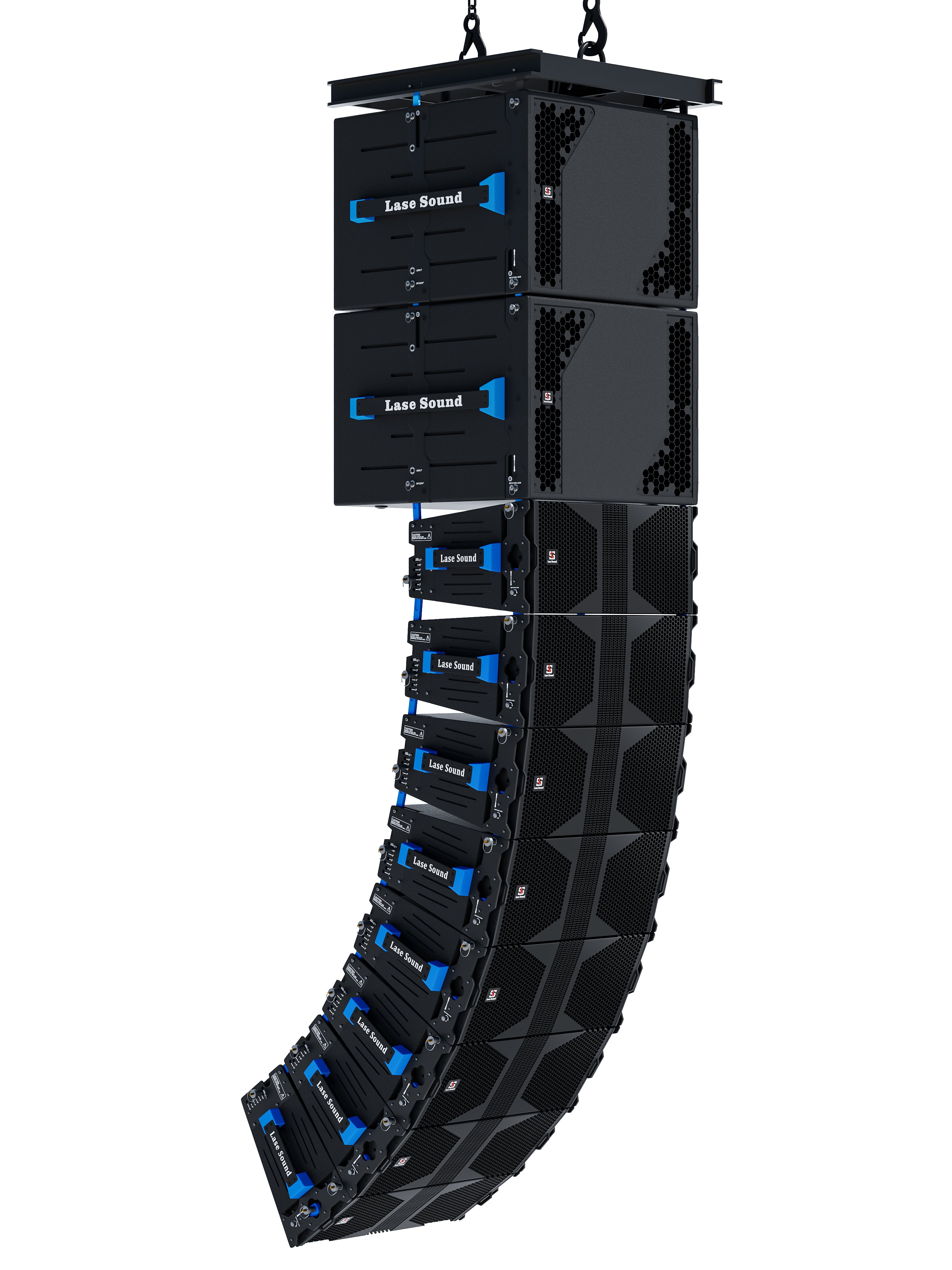
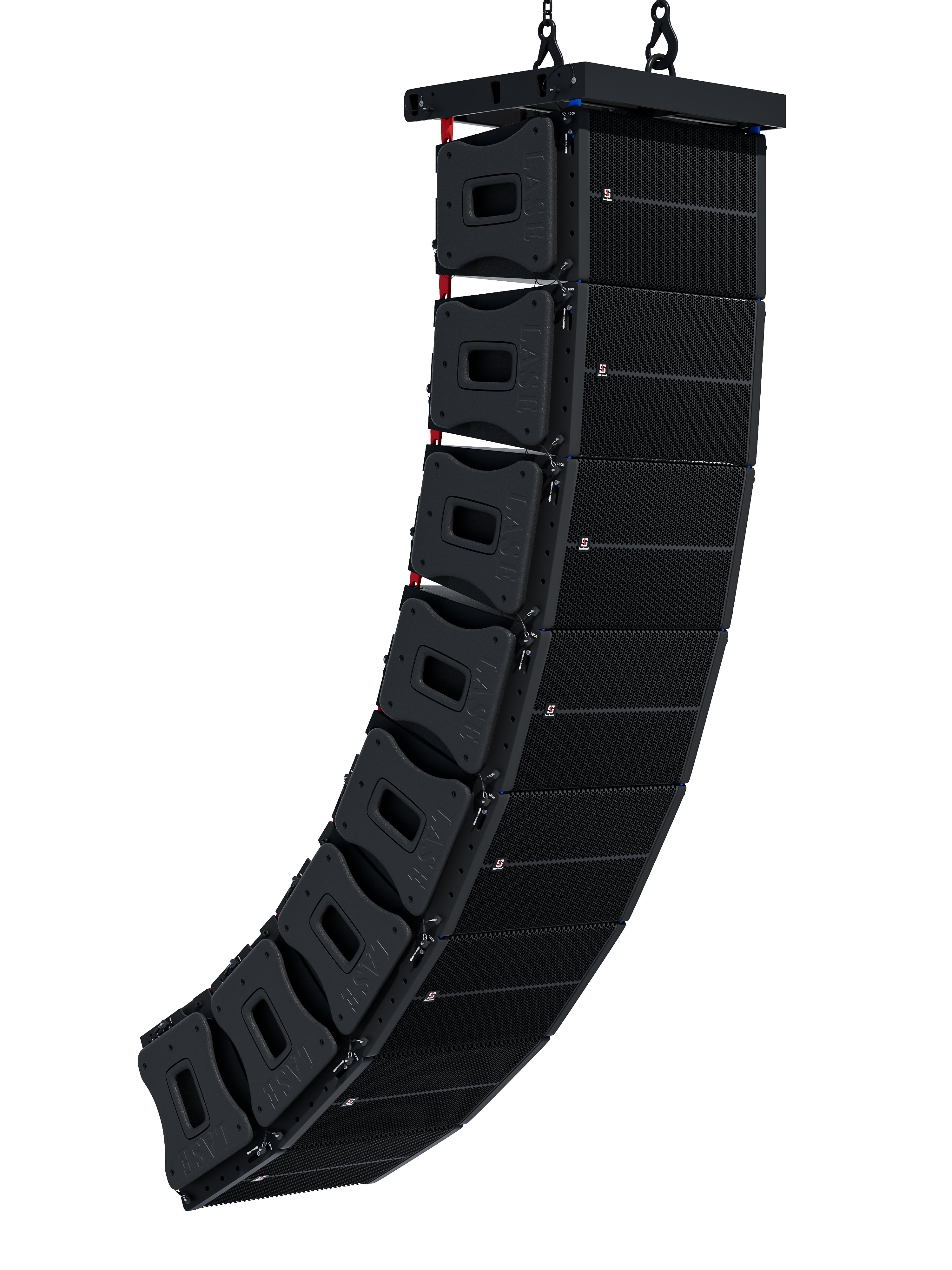
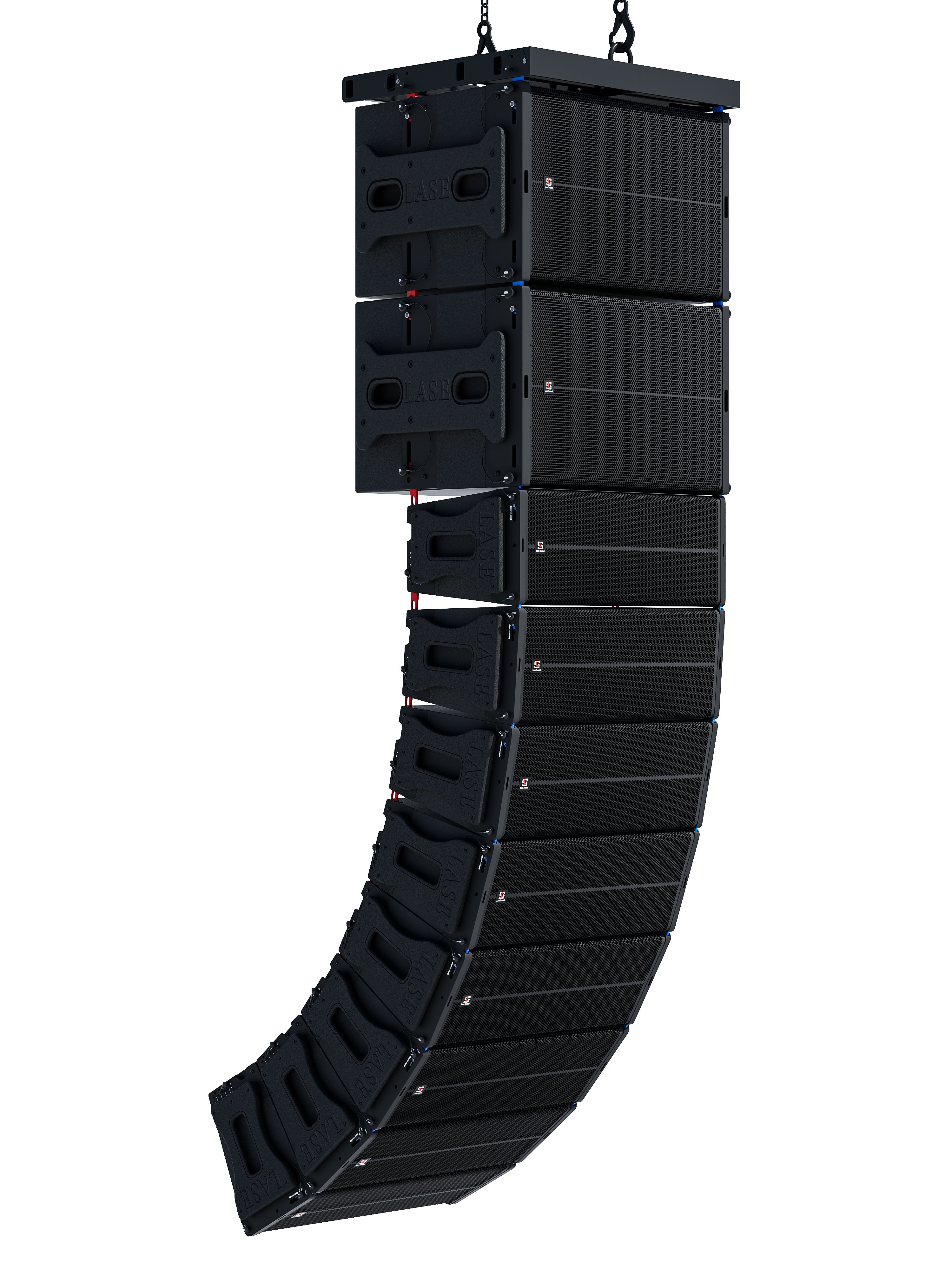
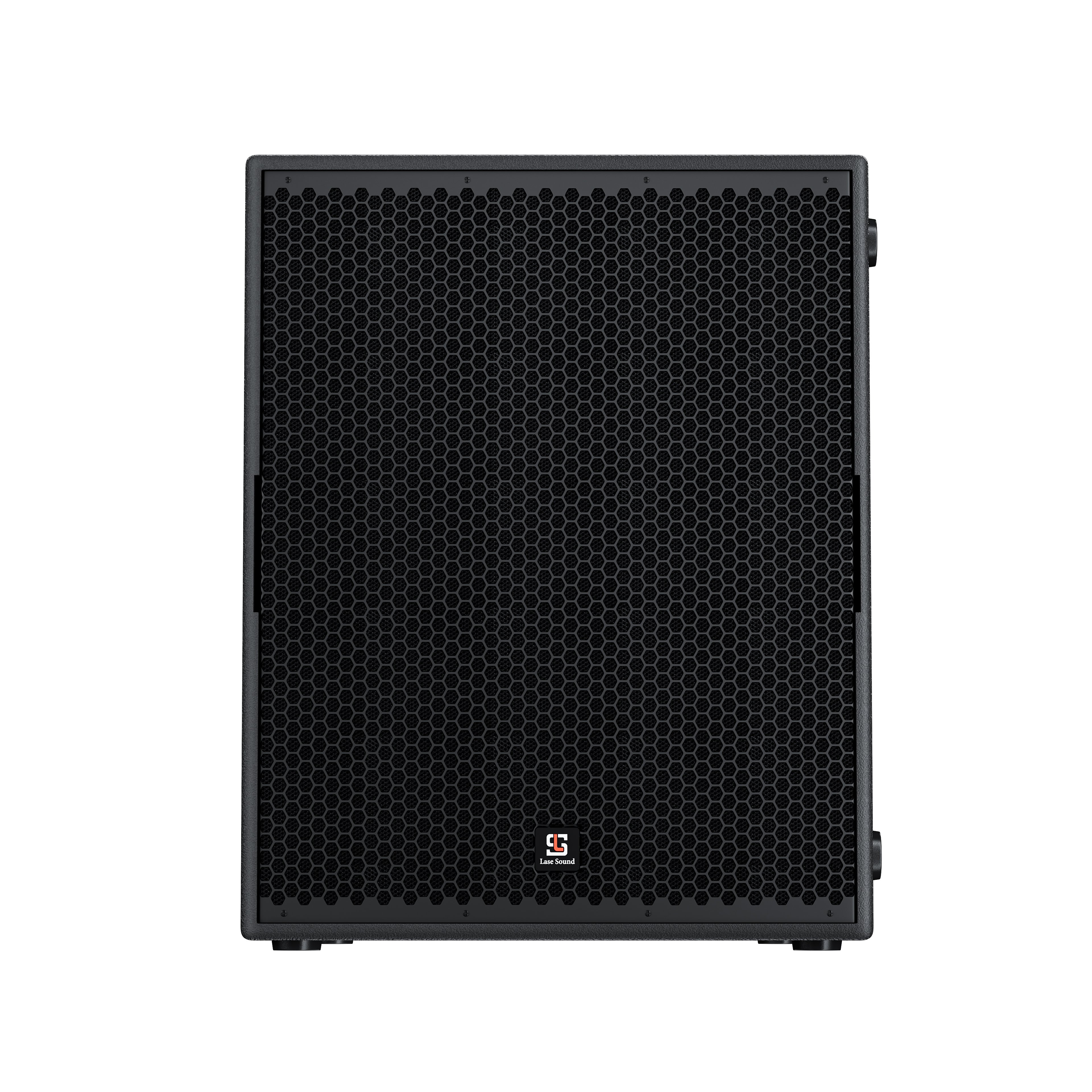
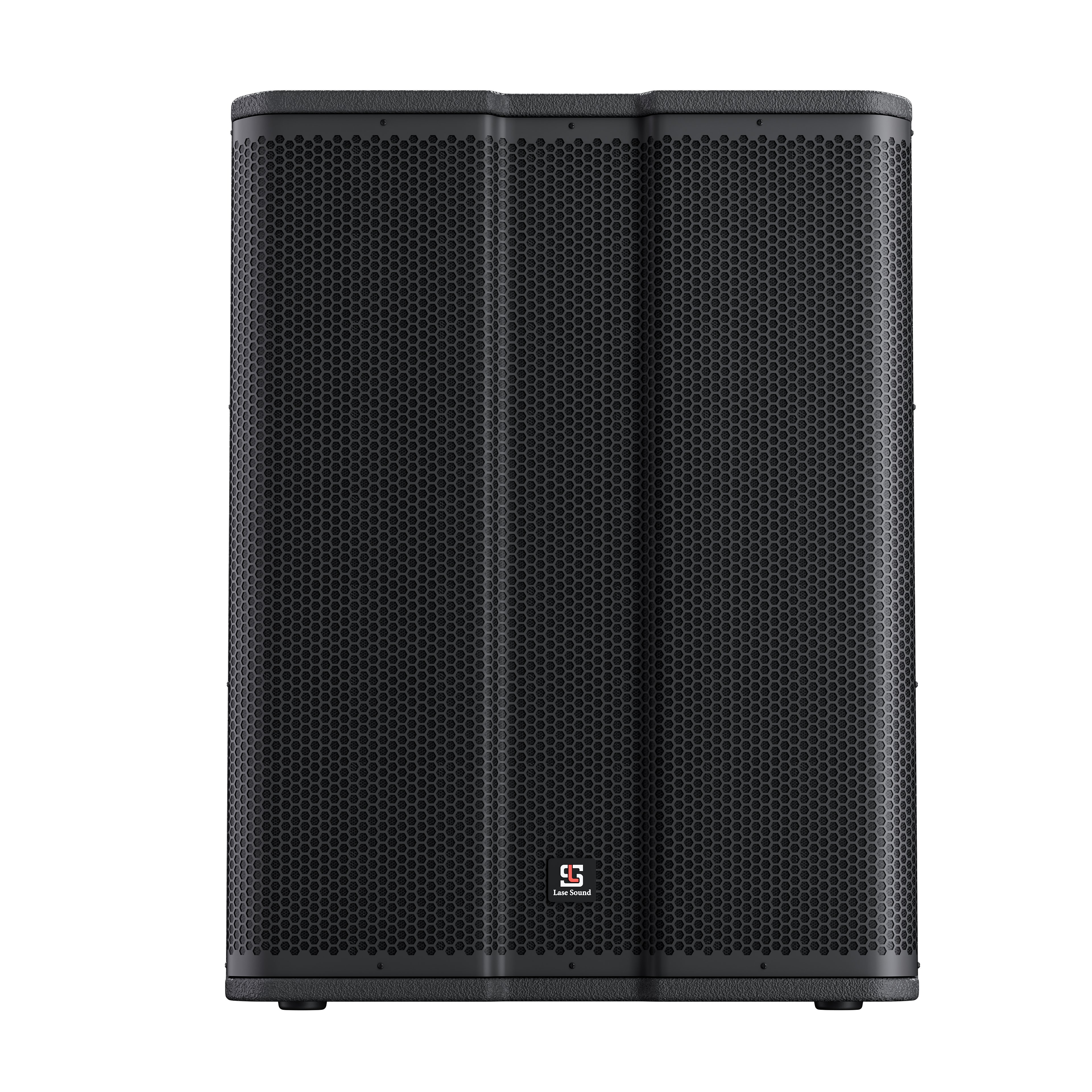
Lase Sound offers line array products such as LA-Audio and A-Audio series, along with professional speaker options, full-range speaker products, subwoofer cabinets, column speakers, and monitors. This makes it easier to design a complete professional audio system for different applications, from a small venue sound system to a medium venue sound system with higher output and stronger low-frequency support.
For venues comparing compact arrays with Point Source Speakers, this product range matters. Some rooms may need arrays as the main system and smaller speakers as fills. Some mobile events may use point source tops with one or two subwoofer units. Some theaters may need monitors, front fills, and delay speakers to support the main sound reinforcement system.
Lase Sound also adds trust through manufacturing and testing capability. Steel work processes such as milling, grinding, polishing, and chamfering are handled by experienced operators using precision machines. CAD-CAM design helps turn customer requirements into workable production files and reduces unnecessary machining errors. Professional assembly and testing help ensure that every PA system component is ready for real event conditions.
This matters because speakers are not used in perfect laboratory environments. They are installed, transported, stacked, moved, and operated for long hours. Consistent production quality, correct cabinet design, and proper system matching all affect long-term reliability.
Common Mistakes to Avoid Before Buying
The biggest mistake is choosing the system that looks more impressive instead of the one that solves the venue’s problem. A compact array is not always the right answer, and Point Source Speakers are not always too limited.
Avoid these mistakes:
1. Ignoring room shape
A long hall and a square room need different coverage strategies.
2. Buying too much system for a small space
Oversized equipment can create harsh reflections and waste budget.
3. Underestimating bass needs
Music venues often need a dedicated subwoofer to avoid thin sound.
4. Skipping DSP tuning
Even strong speakers can sound poor without proper processing.
5. Forgetting future expansion
A growing venue may need more cabinets, more bass, or better monitoring later.
6. Comparing only price
The cheapest system may cost more later if it cannot cover the room properly.
A good sound reinforcement system should feel natural to the listener. People should not notice hot spots, weak zones, unclear speech, or disconnected bass. Whether you choose arrays or point source boxes, the system should match the real audience area and event purpose.
Final Verdict
A Compact Line Array System is usually better for medium-depth venues, fixed installations, churches, theaters, and rooms where even coverage and voice clarity matter most. Point Source Speakers are usually better for small venues, mobile events, limited budgets, and simple setups.
If you are deciding between a Compact Line Array System, Point Source Speakers, a subwoofer package, or a complete PA system, contact Lase Sound for a practical recommendation based on your venue layout and event needs. Lase Sound can help you build a reliable solution that fits your space, not just a product list that looks good on paper.


 EN
EN

 Hot News