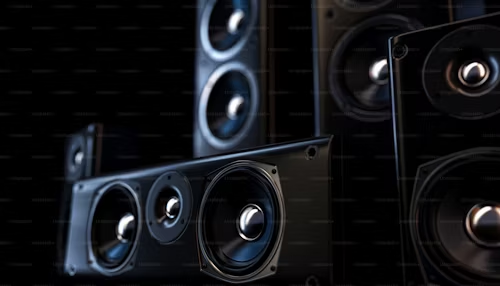
An 18 Inch Bass helps DJs, bands, and event teams solve one clear problem: weak low-end sound that fails to energize the crowd. In this guide, you will learn when an 18 inch subwoofer is worth choosing, how it compares with smaller options, and what to check before buying a professional subwoofer for real live use.
18 Inch Bass Solves the Low-End Problem That Full-Range Speakers Cannot
The main reason to choose 18 Inch Bass is simple: it adds depth, power, and physical impact that ordinary full-range speakers often cannot deliver alone. For DJs, the low end is not just “extra sound”; it is the part people feel in the chest. For bands, it supports kick drum, bass guitar, synth, and backing tracks. For live events, it gives the whole venue a stronger and more complete sound.
A standard top speaker may reproduce vocals and instruments clearly, but it often struggles when asked to handle deep bass at high volume. That is where an 18 Inch Bass unit becomes valuable. A dedicated 18 inch subwoofer takes pressure off the main speakers and lets the whole system work more efficiently.
Common pain points it solves include:
1. Music sounds thin even when the volume is high.
2. Kick drums lack punch and do not cut through the mix.
3. The crowd feels less energy, especially in dance or outdoor settings.
4. Small subwoofers distort when pushed too hard.
5. Back rows hear less bass than the front area.
For mobile performers, choosing the right DJ subwoofer can directly affect audience response. For production teams, a reliable live event subwoofer can reduce sound complaints and improve the overall impression of the show.
Why 18 Inch Bass Works Well for DJs, Bands, and Event Sound
An 18 Inch Bass is a smart choice because it balances deep frequency response, higher sound pressure, and practical use for medium to large venues. While smaller subwoofers can be easier to move, they may not create the same low-frequency authority when the audience size grows.
A well-matched 18 Inch Bass system can bring different benefits to different users:
1. For DJs
A strong DJ subwoofer makes electronic music, hip-hop, house, and pop tracks feel more dynamic. Drops hit harder, basslines sound fuller, and the dance floor feels more alive.
2. For bands
A quality bass speaker supports drums, bass guitar, keyboard, and playback tracks. Instead of sounding sharp or flat, the whole band gains warmth and body.
3.For live event companies
A dependable live event subwoofer helps cover weddings, corporate shows, school events, festivals, and stage performances with more confidence.
With 18 Inch Bass, the goal is not just louder bass. The real value is cleaner bass at performance volume. A good professional subwoofer should deliver power without muddying vocals or masking instruments.
This matters because many users make the mistake of adding volume before adding proper low-frequency support. Turning up a weak system usually creates distortion. Adding an 18 inch subwoofer gives the system the low-end foundation it was missing.
18 Inch Bass vs 15 Inch and 12 Inch: Which One Fits Your Event?
The right size depends on venue scale, music style, transport needs, and expected bass impact. An 18 Inch Bass is usually the better option when sound must travel farther, hit harder, and stay stable for long performances.
|
|
|
|
| Speaker Size |
Main Strength |
Limitation |
Best For |
| 12 inch |
Light and compact |
Limited deep bass |
Small rooms, speech, acoustic sets |
| 15 inch |
Balanced size and output |
May lack impact outdoors |
Small bands, mobile gigs, mid-size rooms |
| 18 inch |
Deep bass and stronger output |
Larger and heavier |
DJs, bands, outdoor shows, live events |
A 12 inch unit may be enough for background music or small indoor speech events. A 15 inch option can work for moderate sound reinforcement. But if your event needs strong low-end for dance music, live drums, or a larger audience, choose 18 Inch Bass over a smaller bass speaker.
The key is matching the subwoofer to the job. A single 18 inch subwoofer may outperform multiple smaller units in depth and authority, depending on cabinet design, amplifier power, and tuning. However, if you only perform in cafés or compact rooms, a smaller DJ subwoofer may be easier to manage.
How 18 Inch Bass Fits into a Complete Live Sound System
The best 18 Inch Bass performance comes from proper system matching, not from size alone. Even a powerful professional subwoofer can disappoint if it is poorly paired with top speakers, amplifiers, DSP settings, or placement.
For a strong live sound system, check these factors before choosing:
1. Power and sensitivity
Look beyond peak watts. RMS power, sensitivity, and maximum SPL are more useful for judging real output.
2. Frequency response
A good 18 inch subwoofer should reach low enough to add real depth without making the mix boomy.
3. Crossover settings
Subwoofers and full-range speakers should share the frequency range correctly. Poor crossover settings can create gaps or muddy overlap.
4. Cabinet design
The enclosure affects punch, depth, throw, and efficiency. The same driver size can sound very different in different boxes.
5.Venue type
Indoor halls, outdoor stages, clubs, and conference venues all require different placement strategies.
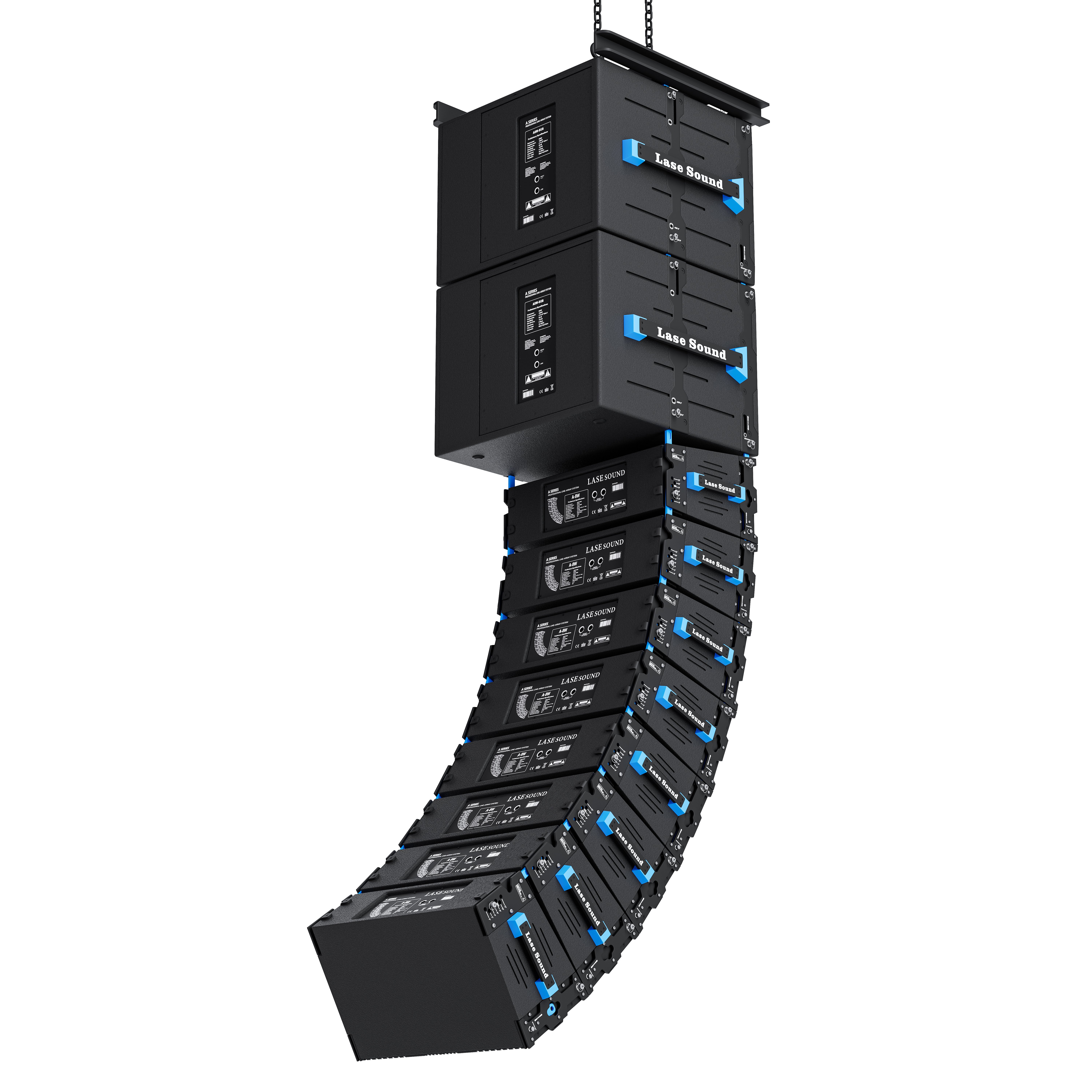
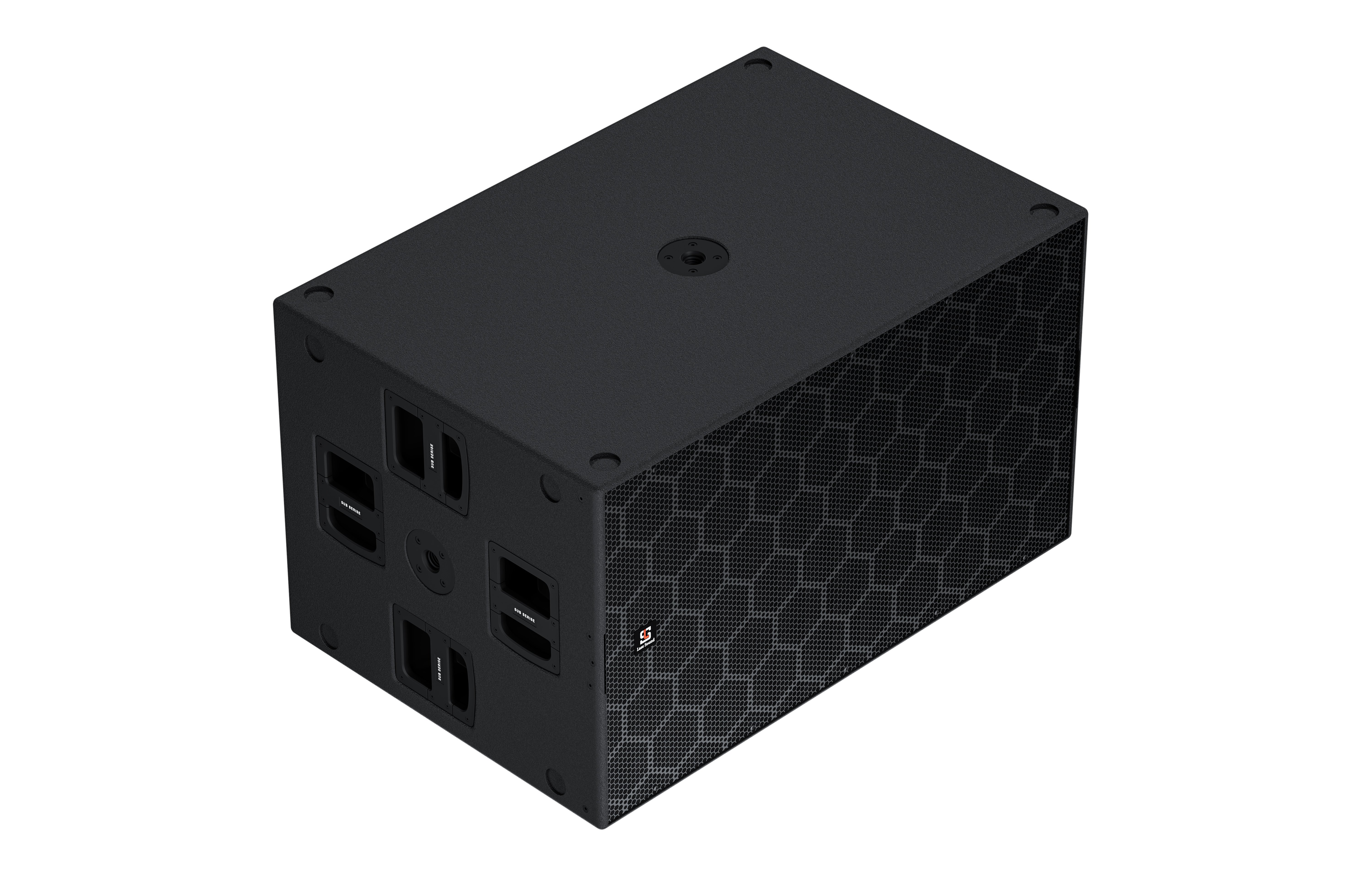
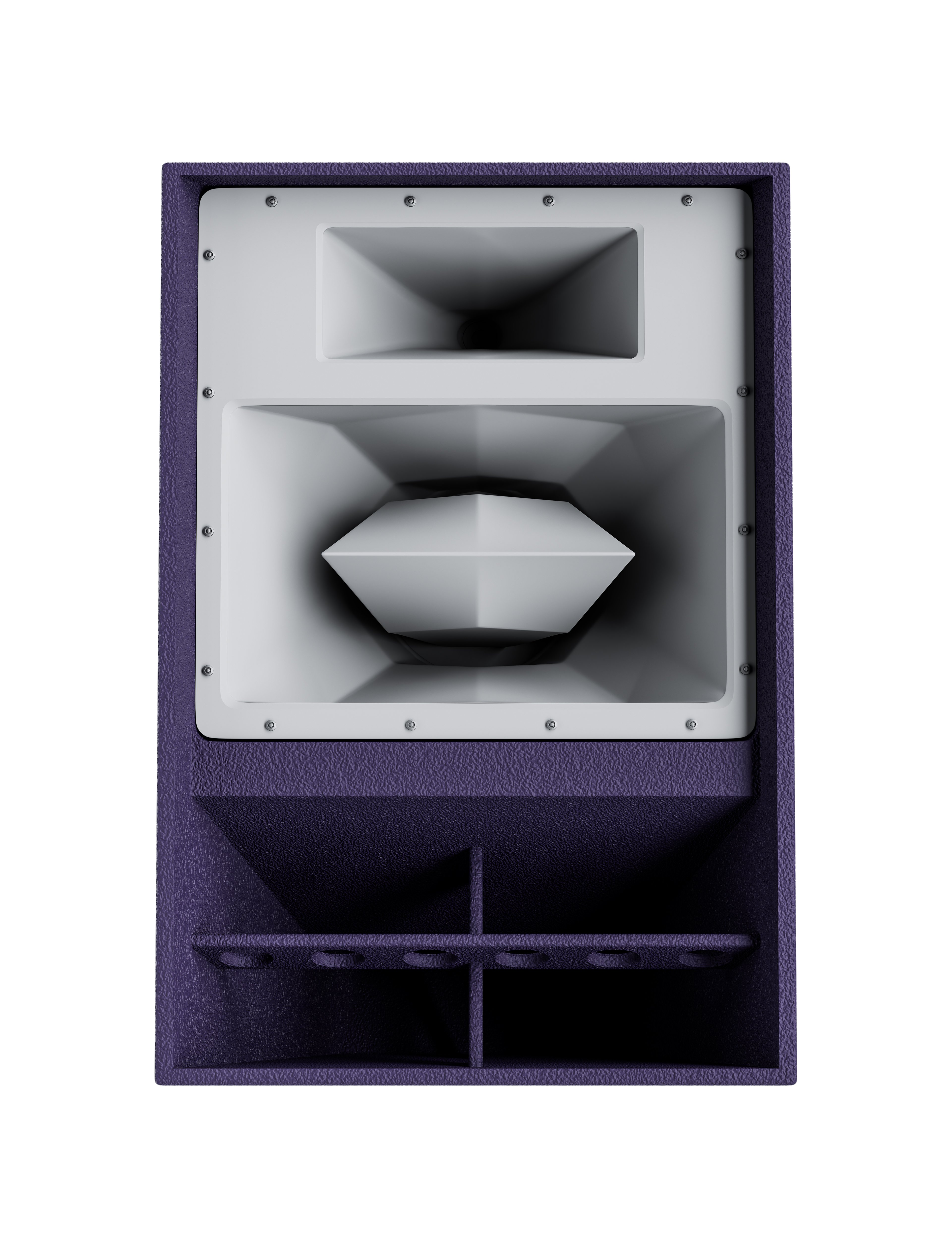
Lase Sound offers product categories that can be combined for these needs, including full-range speakers, professional speakers, line array systems, subwoofers, column speakers, and monitors. For example, an 18 Inch Bass subwoofer can be paired with full-range tops for mobile DJs, or used with line array systems for larger live event setups.
Lase Sound’s production advantages also support reliability. Steel works such as milling, grinding, polishing, and chamfering are handled by experienced operators with precision machines. CAD-CAM design helps transfer customer requirements more accurately, reducing avoidable machining errors. Professional assembly and testing by experienced technicians further help ensure that each professional subwoofer is ready for demanding use.
When 18 Inch Bass Is the Best Investment—and When It Is Not
An 18 Inch Bass is the best investment when your events need stronger bass, wider coverage, and a more professional audience experience. It is especially suitable for mobile DJs, rental companies, touring bands, churches, schools, clubs, and event production teams that regularly handle medium or large spaces.
You should consider an 18 inch subwoofer if:
|
|
| Situation |
Why It Helps |
| Outdoor events |
More low-frequency output helps compensate for open-air loss |
| Dance-focused music |
A stronger DJ subwoofer improves rhythm and crowd energy |
| Live drums and bass guitar |
A dedicated bass speaker adds weight and realism |
| Medium to large venues |
A live event subwoofer improves coverage and impact |
| Equipment rental |
A professional subwoofer can serve more event types |
However, it is not always the perfect choice. If your work is mostly small meetings, acoustic performances, or compact indoor parties, a lighter 12 or 15 inch system may be more practical. An 18 inch subwoofer also needs more transport space, proper lifting, and suitable power support.
Another common mistake is buying based only on driver size. The phrase “best bass speaker for live events” does not automatically mean the biggest box. Real performance depends on design quality, amplifier matching, tuning, and durability. A well-designed live event subwoofer will be more useful than an oversized but poorly controlled cabinet.
For users who already own top speakers, an 18 Inch Bass can be the missing piece that completes the system. For new buyers, it can be a long-term investment that allows the system to handle more demanding shows as business grows.
Final Thoughts
If your current setup lacks punch, depth, or crowd impact, an 18 Inch Bass can be a practical upgrade for DJs, bands, and event professionals. The right 18 inch subwoofer improves not only volume, but also the quality and confidence of the entire performance.
Contact Lase Sound to explore suitable subwoofer, full-range, and line array combinations for your venue or event business. Our team can help you choose a system that fits your sound goals, setup conditions, and long-term use.


 EN
EN


 Hot News