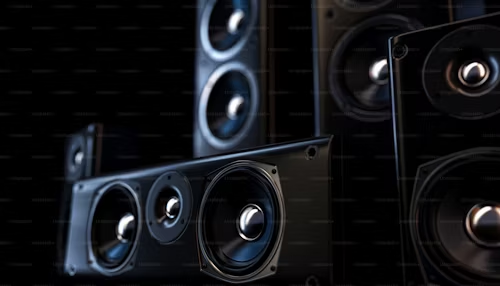
A Professional DJ Sound System should give DJs, rental firms, bars, and wedding performers clear highs, powerful bass, reliable control, and fast setup. Use this checklist to choose DJ speakers, subwoofers, a DJ mixer, cables, stands, and a complete PA system without wasting budget on mismatched gear.
Start Your Professional DJ Sound System with the Event Size
A Professional DJ Sound System must be chosen by audience size and venue type first, not by watts alone. A 60-person wedding room, a 300-person bar, and an outdoor party all need different output, bass, and coverage. If you buy before defining the job, you may end up with loud sound but weak bass, poor clarity, or difficult transportation.
For a mobile DJ setup, portability and quick installation matter as much as volume. For a rental sound system, durability, flexible configuration, and easy maintenance are more important. A club sound system may need long operating hours and heavy low-frequency output, while a wedding DJ sound system should balance clean speech, elegant appearance, and dance-floor energy.
|
|
|
| Application |
Main Pain Point |
Buying Priority |
| Wedding events |
Speech must be clear, music must feel warm |
Clean tops, moderate bass, neat setup |
| Bar or club |
Music must stay powerful for hours |
High SPL, strong bass, durable cabinets |
| Rental jobs |
Equipment is moved often |
Rugged design, fast setup, flexible packages |
| Outdoor parties |
Bass disappears quickly in open air |
More headroom, extra low-frequency support |
| Corporate events |
Voice clarity and low noise matter |
Controlled coverage, reliable mixer, microphones |
The best approach is to estimate the largest event you handle regularly, then build a system that can scale down. A small pair of tops may work indoors, but outdoor use usually demands more subwoofers and stronger projection. For mixed event work, choose equipment that can serve both a compact PA system and a larger party setup.
Choose DJ Speakers for a Professional DJ Sound System
The best Professional DJ Sound System starts with the right main speakers for coverage, clarity, and headroom. Many buyers focus only on peak power, but professional results depend on SPL, cabinet design, frequency response, dispersion angle, and how well the speakers handle long sessions.
Good DJ speakers should deliver clean vocals, sharp percussion, and stable output without distortion. For most mobile and event users, full-range speakers are the main left-right boxes that handle mid and high frequencies. They can also reproduce some bass, but they should not be expected to replace dedicated low-frequency cabinets for dance music.
When comparing DJ speakers, check these points:
1. SPL and headroom
Choose speakers that can play loudly without sounding harsh. A system running at its limit will fatigue listeners and shorten equipment life.
2. Coverage angle
Wide coverage helps fill a room evenly, but too much spill can cause reflections. Match the coverage to the audience area.
3. Cabinet weight and handles
If you move gear every weekend, heavy boxes without good handles will slow down every job.
4. Active or passive design
Active speakers include built-in amplification and are easier for fast events. Passive speakers require an external power amp but can be flexible in larger systems.
5. System matching
Main speakers should work naturally with bass cabinets, mixer output levels, and processing.
For small events, a pair of quality full-range speakers may be enough. For larger parties, bars, and high-energy dance floors, those tops should be combined with subwoofers. Do not buy oversized tops and ignore bass; that often creates loud but thin sound.
Add Subwoofers to Your Professional DJ Sound System
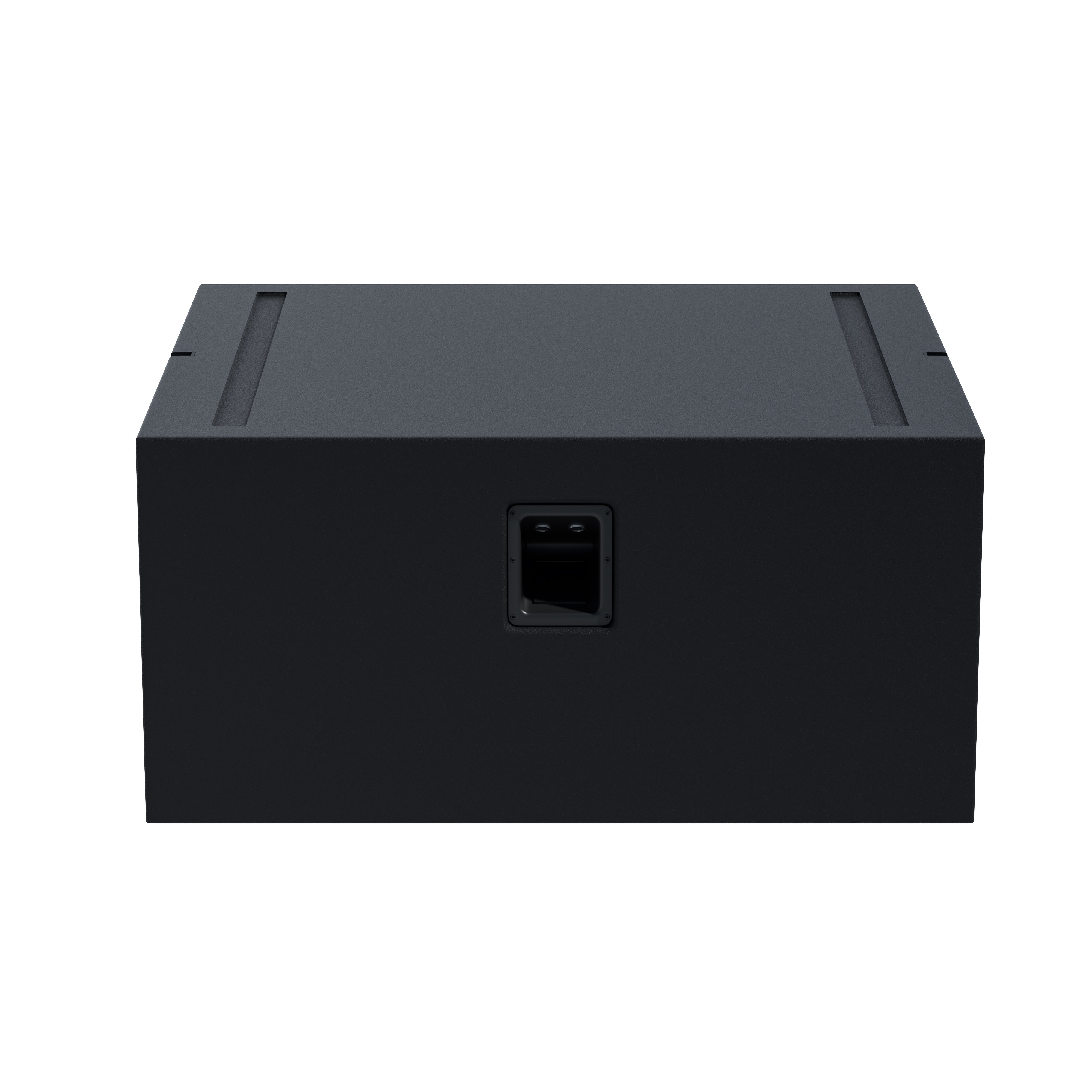
A Professional DJ Sound System needs subwoofers when the music must feel powerful, not just sound loud. Dance music, hip-hop, EDM, Latin, pop, and live DJ sets depend on low-frequency energy. Without proper bass support, the kick drum and bassline lack impact, especially in larger rooms or outdoor spaces.
For weddings and corporate events, one or two subwoofers may be enough to add warmth and dance-floor punch without overwhelming speeches. For bars and DJ parties, more bass capacity may be required. For an outdoor DJ sound system, low frequencies spread quickly, so indoor estimates often fall short.
|
|
|
| Event Size |
Suggested Bass Direction |
Practical Note |
| Up to 80 people |
1 compact sub may work |
Good for small weddings or private rooms |
| 80–200 people |
1–2 subs recommended |
Better dance-floor energy |
| 200–500 people |
Multiple subs recommended |
Match output with tops |
| Outdoor events |
More bass than indoor setups |
Plan power and transport carefully |
The key is balance. Too little bass makes the system feel weak. Too much uncontrolled bass makes vocals muddy. A proper crossover, cabinet placement, and a DSP processor can help align the bass with the main speakers.
If you already own DJ speakers, confirm that the bass cabinets can match their output. A small sub paired with very powerful tops may disappear in the mix. A large bass section with weak tops may sound boomy and unclear. A balanced professional audio system should make highs, mids, and lows work together.
DJ Mixer and Signal Chain for a Professional DJ Sound System
A Professional DJ Sound System can fail if the DJ mixer and signal chain are not compatible with the speakers. Many performance problems come from missing outputs, noisy cables, wrong signal levels, or poor gain structure—not from the speakers themselves.
A good DJ mixer should give you enough inputs for players, controllers, microphones, and backup devices. Balanced XLR outputs are important for cleaner long cable runs. A booth output is helpful when the DJ needs separate monitoring. Good metering helps prevent clipping before the signal reaches the speakers.
Use this buying checklist before choosing the control section:
1. Does the DJ mixer have balanced XLR or TRS main outputs?
2. Are there enough channels for decks, laptop, controller, and backup music?
3. Do you need microphone inputs for weddings, hosts, or announcements?
4. Is there a booth output for the DJ area?
5. Can the mixer connect cleanly to active speakers or an external amplifier?
6. Do you need USB, Bluetooth, RCA, or digital input options?
7. Will the signal chain work with a DSP processor or speaker management system?
A common mistake is connecting professional speakers with weak consumer-level cables and adapters. This can cause hum, low output, and unreliable connections. Invest in balanced cables, proper power distribution, and backup adapters. For mobile work, keep spare signal cables, power cables, microphone cables, and extension leads in the case.
A stage monitor can also help when the DJ booth is far from the main speakers or when delay makes beat matching difficult. Even a compact monitor can improve confidence during live transitions.
Active vs Passive Choices in a Professional DJ Sound System
A Professional DJ Sound System can use active or passive designs, but the right choice depends on setup speed, control, and scale. There is no universal winner; each option fits different working styles.
Active speakers are popular for mobile DJs because they have built-in amplification. They reduce rack size, simplify wiring, and make quick setup easier. A pair of tops and one bass cabinet can be a practical package for weddings, parties, and small rental jobs. The downside is that each cabinet needs power, and repairs may require servicing the built-in electronics.
Passive speakers are often used where centralized control is preferred. They need an external amplifier, but they can be efficient for fixed installations, larger rigs, and systems where technicians want all power and processing in one rack. They also make it easier to service some parts separately.
For a rental sound system, the choice depends on your team and clients. If customers rent and operate the system themselves, simple active packages may reduce mistakes. If your technicians always deploy the system, passive or hybrid configurations may provide more control. Either way, the complete PA system should be easy to label, connect, and test.
Do not forget physical accessories. Strong speaker stands improve coverage and safety. Cases protect cabinets during transport. Cable management reduces setup time and makes the performance area look professional. These small details affect both sound quality and customer impression.
Why Lase Sound Is a Reliable Choice for Your Professional DJ Sound System
Lase Sound supports Professional DJ Sound System buyers with complete product options, not only single cabinets. DJs, rental companies, bar owners, and wedding performers often need a matched package: tops, bass, monitors, and larger systems for future expansion.
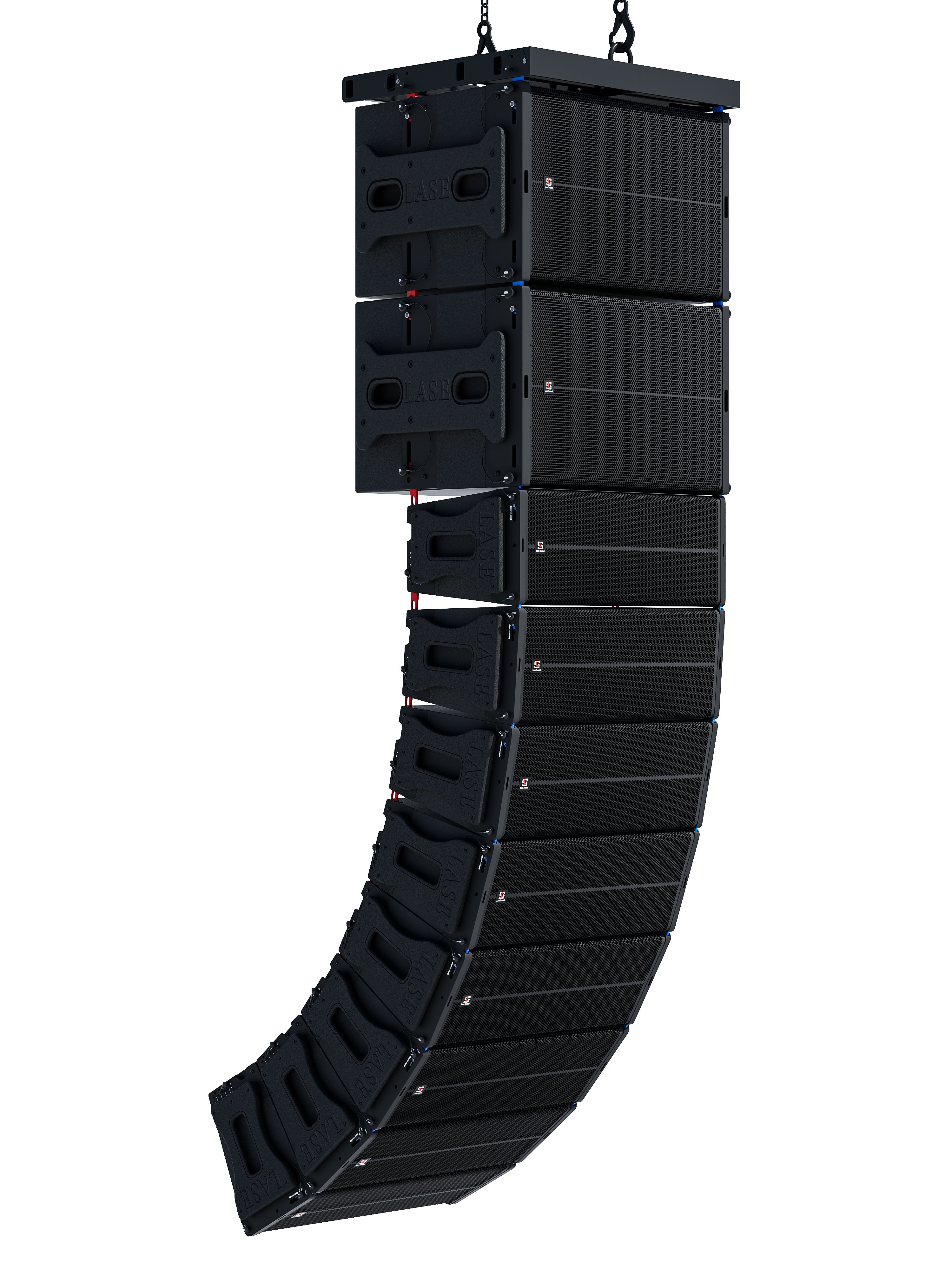
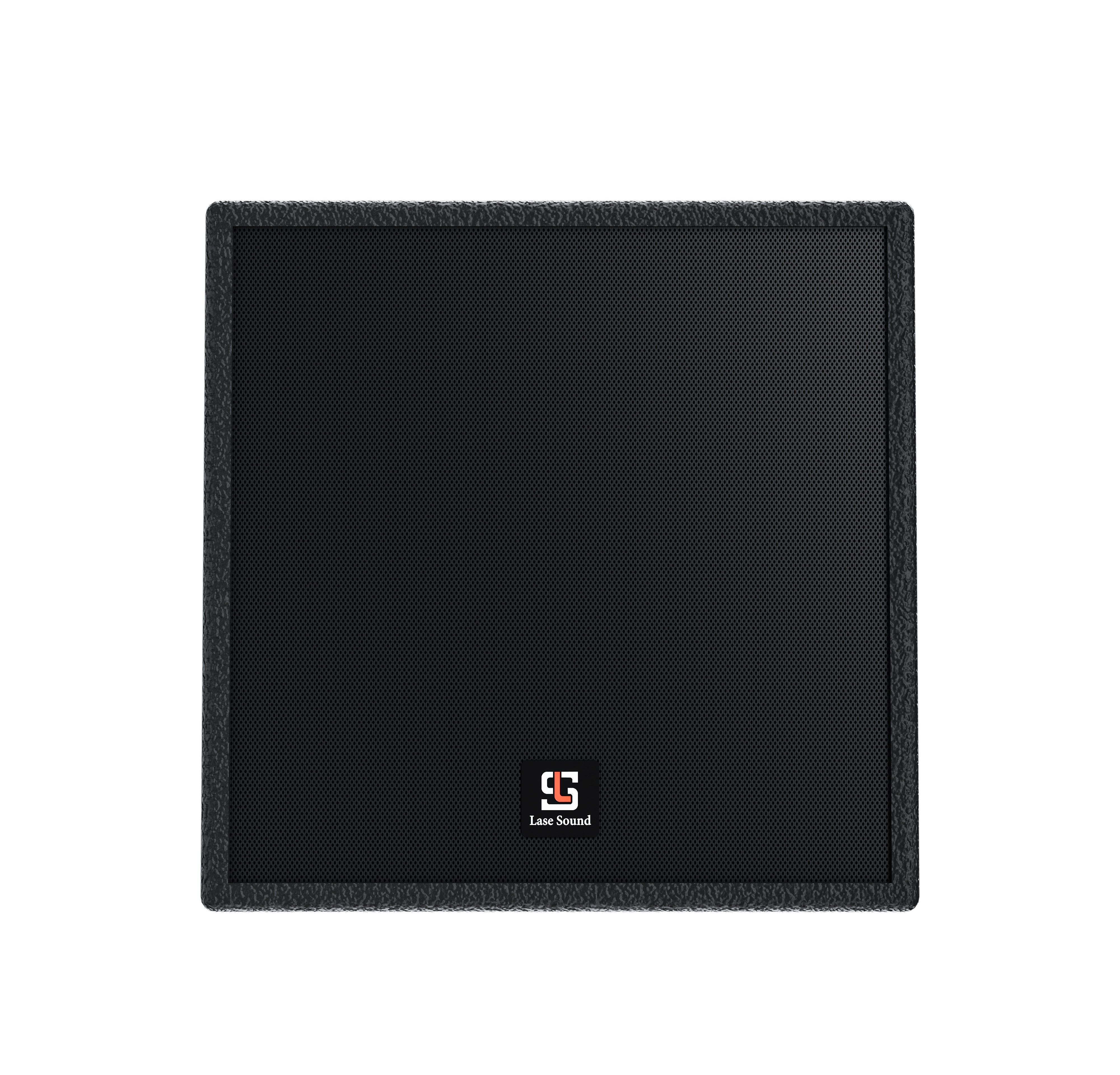
Lase Sound offers full-range speakers, professional speaker products, subwoofers, column speakers, monitor solutions, and line array options such as LA-Audio and A-Audio. This product range makes it easier to build a compact mobile DJ setup, a stronger bar installation, or a scalable event package under one supplier.
Company strength also matters for buyers who need repeat orders and stable quality. Lase Sound owns a 13,500㎡ factory, works with 60,000+ cooperative customers, has 286 professional staff, and supplies audio products to 100+ countries and regions. For dealers, rental companies, and venue owners, these figures show production capacity and broad market experience.
The manufacturing process also adds confidence. Skilled teams handle steel work, cabinet details, assembly, and testing. CAD-CAM design helps transfer requirements into production more accurately. For users who move equipment often, reliable structure and consistent quality are as important as sound performance.
Final Checklist Before Buying
Before buying a Professional DJ Sound System, confirm that every part works together as one complete system. A strong speaker pair alone cannot solve weak bass, poor control, bad cables, or unsafe setup.
Check these final points before ordering:
1. Main speakers match the room size and expected audience.
2. Bass cabinets provide enough low-frequency energy for the music style.
3. The mixer has enough inputs, outputs, and microphone options.
4. The system uses the right processing, crossover, and protection.
5. Cables, stands, cases, and power distribution are included in the budget.
6. The system is easy to transport, connect, and test.
7. The supplier can support future expansion and replacement parts.
If your work includes weddings, clubs, rental events, and outdoor parties, choose flexible products rather than a one-purpose package. A well-planned professional audio system protects your investment and helps every event sound more controlled.
Conclusion
If you are planning a Professional DJ Sound System for mobile events, bar use, weddings, or rental business, Lase Sound can help you compare speaker, bass, mixer, and system options. Contact Lase Sound to build a reliable setup that fits your event size, transport needs, and future expansion plans.


 EN
EN



 Hot News