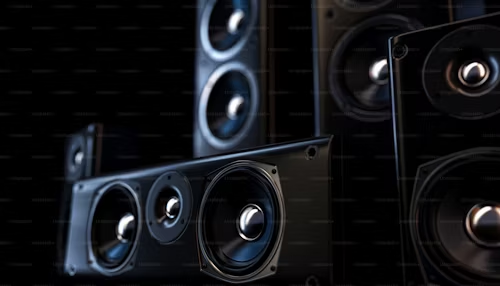
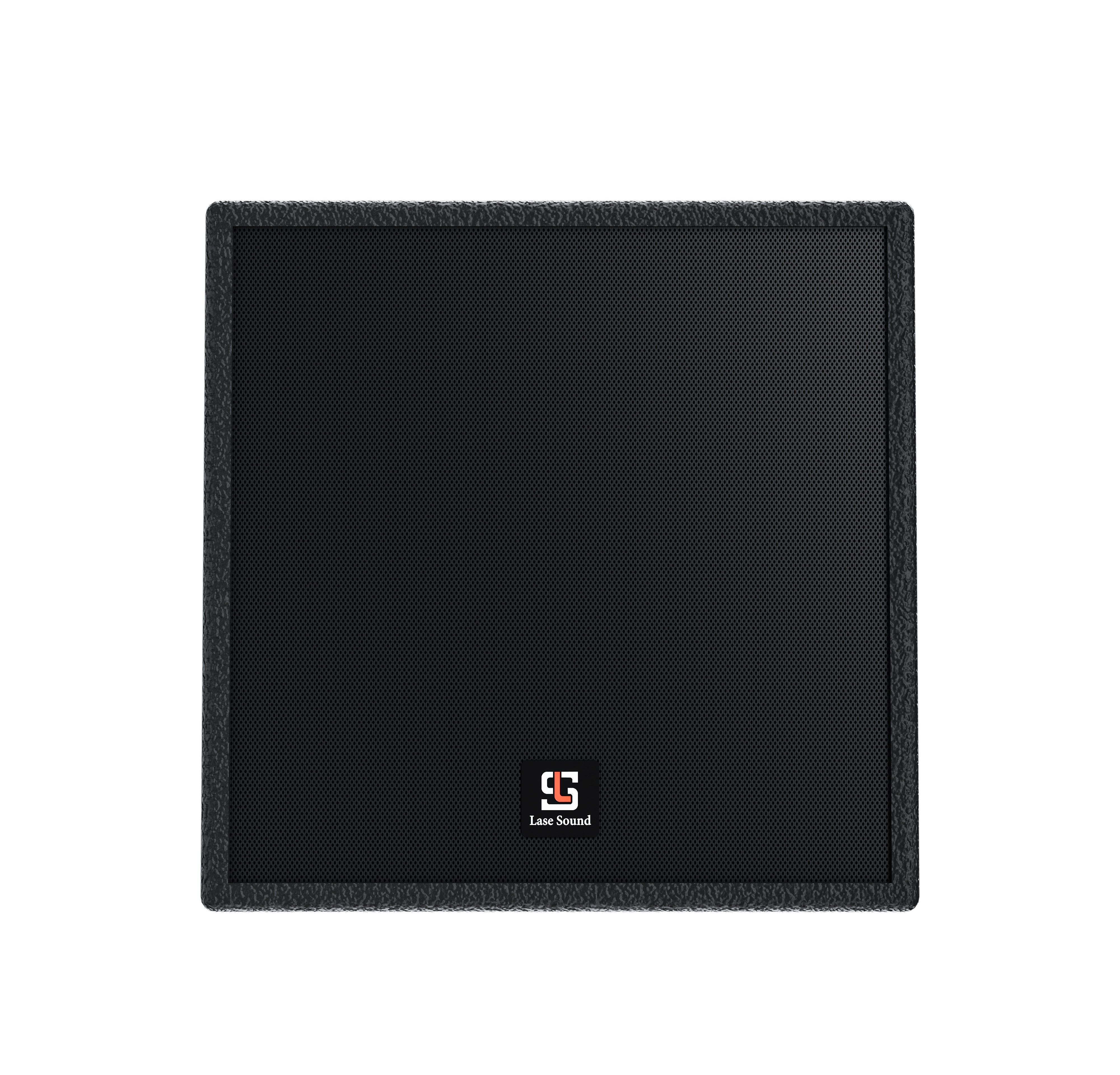
A Subwoofer for PA System should add strong bass without covering vocals. This guide shows how to choose size, output, crossover, placement, and DSP processor settings so your PA system gains better bass response while keeping vocal clarity, speech intelligibility, and clean balance with the main speakers.
Why the Wrong Subwoofer for PA System Hurts Vocal Clarity
The wrong Subwoofer for PA System hurts clarity when it adds too much low-mid energy or is not aligned with the main speakers. Many users think muddy vocals come from a bad microphone or weak mixer, but the real cause is often poor subwoofer matching, excessive level, or an incorrect crossover point.
A PA subwoofer should support the low-frequency foundation, not take over the vocal range. If the sub plays too high, male voices can become thick and unclear, while music may feel boomy instead of powerful. This is common in a DJ sound system, church sound system, wedding DJ sound system, and small live sound system where both speech and music are important.
The goal is not “more bass everywhere.” The goal is controlled low end. Good bass response should make kick drums, bass guitar, playback music, and dance tracks feel full while leaving the vocal body and presence to the full-range speakers. When the system is balanced, the audience hears stronger music and clearer words at the same time.
Choose the Right Subwoofer for PA System Size
The best Subwoofer for PA System size depends on venue size, music style, and how much vocal clarity matters. A larger cabinet can move more air, but bigger is not always better for every room. A small conference room, a church hall, a wedding ballroom, and an outdoor PA system all need different low-frequency planning.
|
|
|
|
| Subwoofer Size |
Strength |
Best Use |
Clarity Note |
| 12-inch |
Compact, quick response, easy to move |
Speech events, small weddings, small rooms |
Keeps bass controlled when used lightly |
| 15-inch |
Good balance of punch and portability |
Mobile DJs, churches, small bands |
Good choice when music and vocals both matter |
| 18-inch |
Deeper bass, stronger output |
Clubs, live bands, outdoor events |
Needs careful level and crossover control |
| Dual or multiple subs |
Higher SPL and wider coverage |
Rental systems, large venues, festivals |
Requires better setup and alignment |
If your priority is speech intelligibility, avoid choosing a large sub just because it looks more professional. A 15-inch professional subwoofer may work better than an oversized 18-inch box in a reflective room. If your priority is dance music or club-level energy, an 18-inch powered subwoofer or multiple subs may be necessary.
For mobile users asking how to choose subwoofer for PA system, start with your regular audience size. If most events are under 150 people, one or two portable subs may be enough. If you often work outdoors or handle DJ parties, plan more headroom and stronger low-frequency extension.
Match Your Subwoofer for PA System with Main Speakers
A Subwoofer for PA System must match the output, frequency range, and system type of the main speakers. A weak sub paired with loud tops will disappear; a powerful sub paired with small tops can overpower vocals and make the mix feel disconnected.
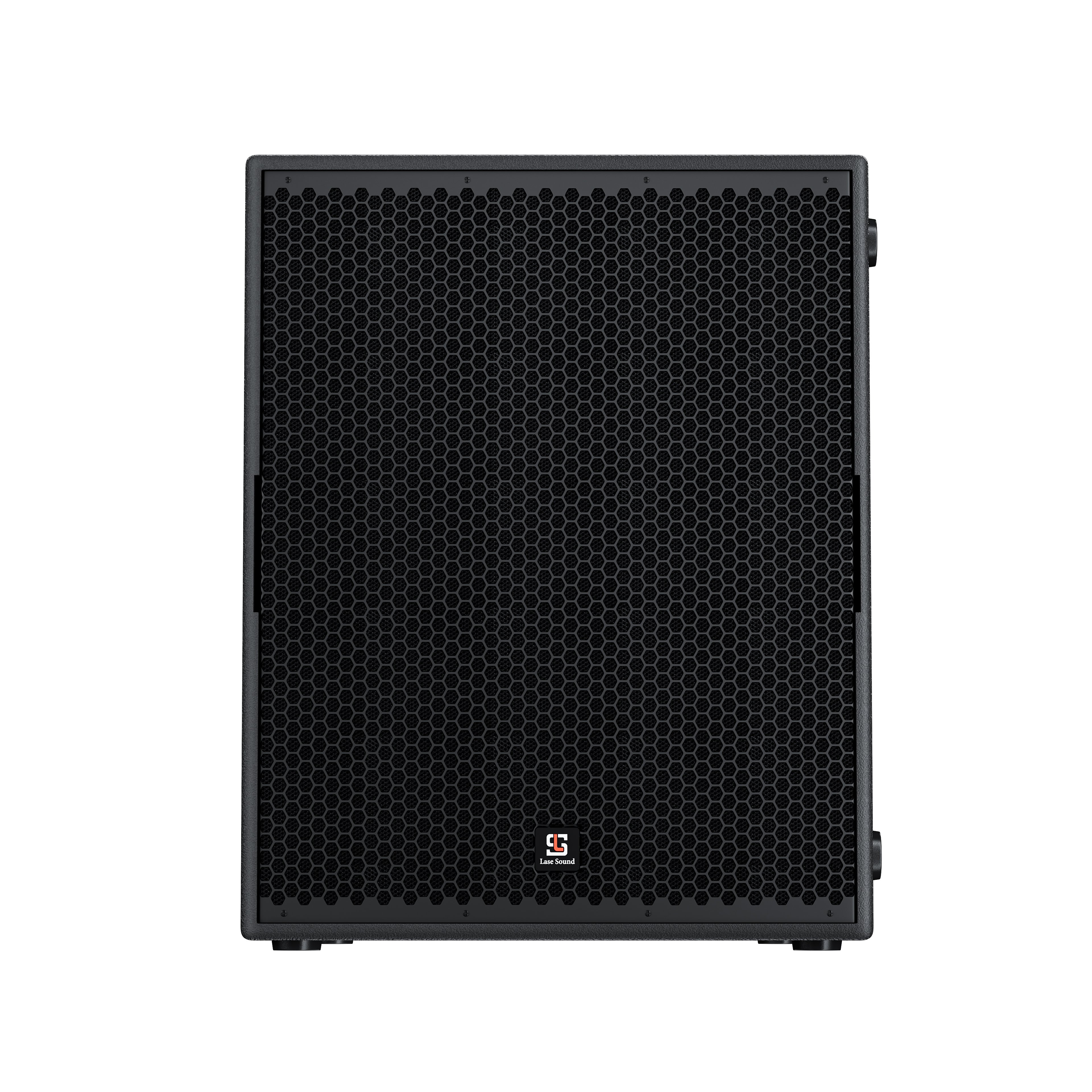
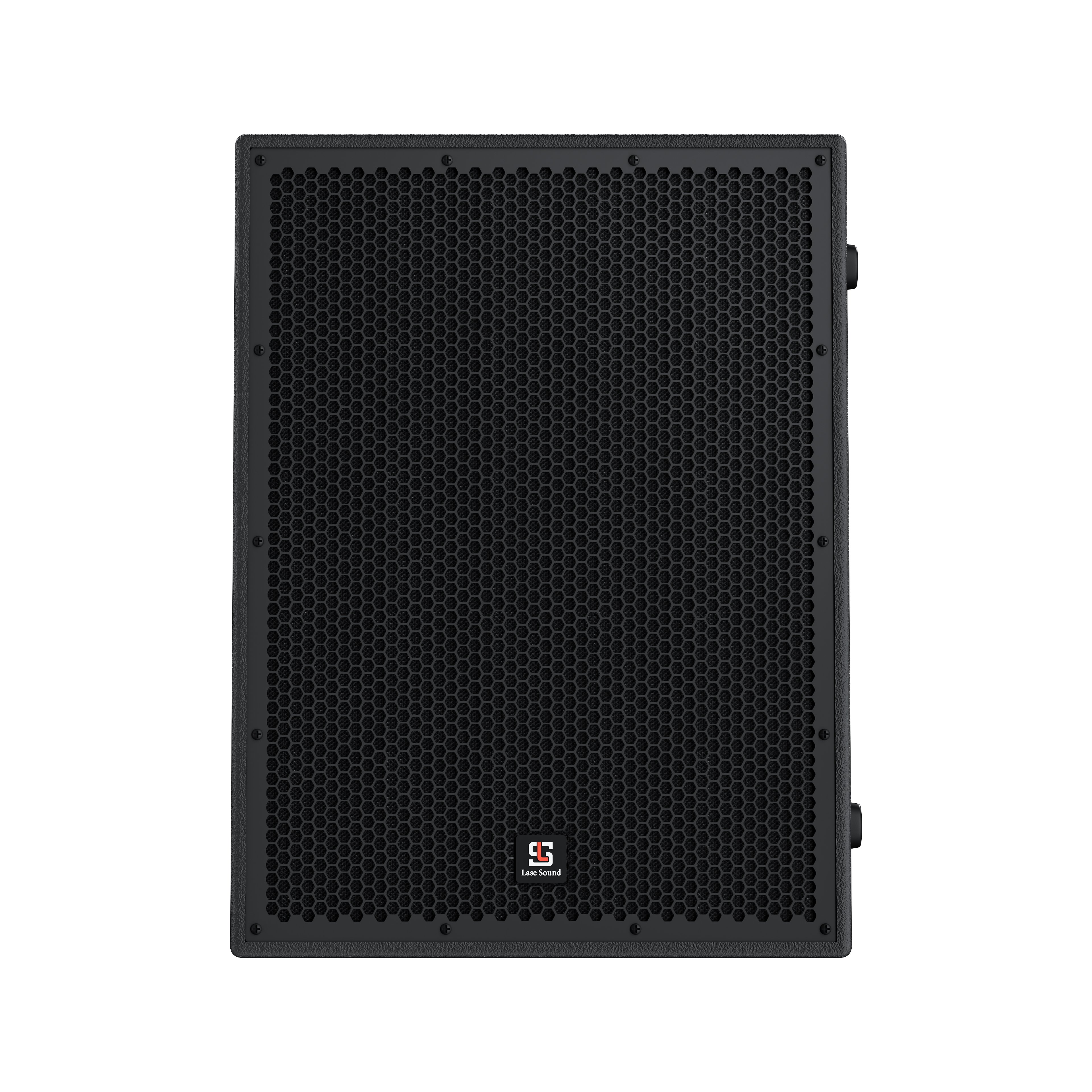
Start by checking whether your system uses active or passive equipment. A powered subwoofer has built-in amplification, which is convenient for mobile DJs, wedding performers, and small rental packages. A passive subwoofer needs an external amplifier, but it can be useful in fixed installations or larger sound reinforcement system designs where technicians want centralized control.
Your main speakers also matter. If you use compact full-range speakers, the sub should cover the deeper bass while the tops handle vocals and instruments. If you use large tops with strong low-mid output, you may need a lower crossover point to prevent overlap. Matching is not just about watts; it includes SPL, sensitivity, frequency response, cabinet design, and processing.
|
|
|
| Matching Factor |
What to Check |
Why It Matters |
| SPL capability |
Can the sub keep up with the tops? |
Prevents weak or unbalanced bass |
| Frequency response |
How low can the sub play cleanly? |
Supports real bass instead of noise |
| Crossover range |
Can you set the right handoff point? |
Protects vocal clarity |
| System type |
Active or passive? |
Affects wiring, setup, and service |
| Inputs and outputs |
XLR, loop output, DSP control |
Improves connection reliability |
| Weight and transport |
Handles, wheels, cabinet finish |
Important for rental and mobile work |
A good professional subwoofer should integrate smoothly instead of drawing attention to itself. If listeners say “the bass is loud but the vocal is unclear,” the system is not properly matched.
Tune Your Subwoofer for PA System with Crossover, DSP and Alignment
A Subwoofer for PA System keeps vocals clear when crossover, phase alignment, and delay alignment are set correctly. This is the technical area that makes the biggest difference after choosing the right cabinet.
For many systems, a practical starting crossover range is around 80Hz to 120Hz. This is not a fixed rule, but it helps keep the sub focused on low frequencies while the main speakers handle the vocal range. If you set the sub too high, such as 150Hz or above, it may reproduce too much low-mid energy and reduce speech intelligibility.
A DSP processor is valuable because it can manage the low-pass filter for the sub, high-pass filter for the tops, EQ, limiter, polarity, and time alignment. Without processing, the sub and tops may overlap badly or cancel each other at key frequencies.
For users searching PA subwoofer crossover setting for vocals, start with this practical process:
1. Set the crossover first
Begin around 80Hz–100Hz for vocal-focused events, and adjust based on speaker size and music style.
2. Balance sub level carefully
Raise bass until music feels full, then reduce slightly if speech becomes thick or masked.
3. Check polarity or phase
Use polarity reverse or phase control to find where kick drum and bass feel tighter.
4. Apply delay alignment if available
Proper delay alignment helps the sub and tops arrive together at the audience area.
5. Use EQ lightly
Cut problem frequencies instead of boosting bass heavily.
6. Test with speech and music
A system that only sounds good with music may fail during announcements.
This is the answer to how to add subwoofer without muddy vocals: do not just connect the sub and turn it up. Set the handoff correctly, align the system, and listen from multiple audience positions.
Place Your Subwoofer for PA System Correctly in the Room
A Subwoofer for PA System can sound tight or muddy depending on where it is placed. Placement changes bass level, coverage, and room interaction. Even a good sub can sound bad if it excites the wrong room modes.
For one sub, placing it near the center front of the stage often gives smoother coverage than placing it randomly on one side. For two subs, grouping them together can reduce left-right cancellation. Placing subs in corners increases bass level, but it can also create boomy buildup that damages vocal clarity.
In indoor rooms, walk the venue during soundcheck. Some seats may have too much bass, while others have almost none. This is normal because low frequencies interact strongly with walls, floors, and corners. In an outdoor PA system, there are fewer reflections, but bass spreads quickly, so you may need more sub output.
For subwoofer placement for PA system, avoid these common mistakes:
- Putting two subs far apart without checking phase
- Placing subs in corners only to get louder bass
- Aiming tops correctly but ignoring bass coverage
- Setting the sub level from behind the booth instead of the audience area
- Forgetting that empty rooms sound different from full rooms
A practical rule is simple: place first, tune second, verify from the audience area last.
Choose the Best Subwoofer for PA System by Application
The best Subwoofer for PA System changes with the application because speech, worship, DJ music, and live bands need different low-frequency behavior. One system can serve multiple uses, but only if you understand the priority.
For a church sound system, choose controlled bass that supports worship music without covering the pastor or singers. In highly reflective rooms, too much low end can reduce speech intelligibility quickly.
For a wedding DJ sound system, the sub must support both announcements and dance music. During speeches, bass should be restrained. During dancing, the same system can provide stronger punch.
For a DJ sound system in a bar or club, output and low-frequency extension become more important. The audience expects energy, but the mix still needs clean vocals and controlled highs.
For a live sound system, the sub should support kick drum and bass guitar without fighting lead vocals. This usually requires better phase alignment, careful EQ, and enough headroom.
For corporate events and conferences, a sub may not always be necessary. If used, it should be subtle. The best subwoofer for vocal clarity is often the one that is correctly limited, crossed over low, and not overused.
Why Lase Sound Supports Better PA Subwoofer Choices
Lase Sound helps users build a complete system instead of choosing a subwoofer in isolation. A reliable low-frequency solution depends on matching the sub with tops, monitors, processing, and the actual venue.
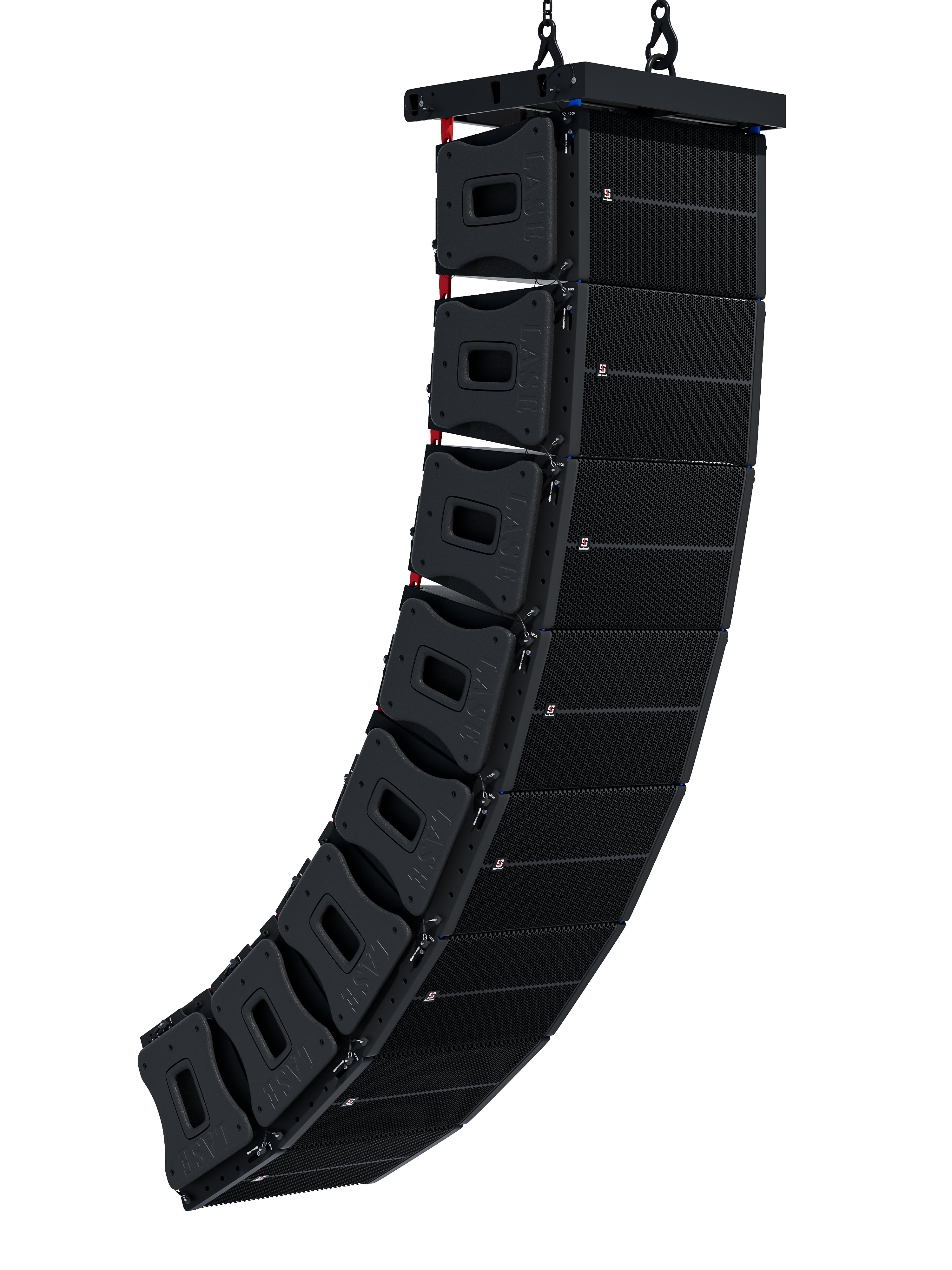
Lase Sound provides subwoofer products, full-range speakers, professional speaker options, monitors, column speakers, and line array systems such as LA-Audio and A-Audio. This makes it easier to design a complete PA system for mobile events, installations, churches, weddings, clubs, and rental applications.
The company also brings manufacturing strength. Lase Sound owns a 13,500㎡ factory, works with 60,000+ cooperative customers, has 286 professional staff, and supplies products to 100+ countries and regions. For installers, rental companies, and venue owners, these numbers show production capability, export experience, and long-term support.
A good supplier matters because low-frequency equipment faces heavy stress. Cabinets are moved, stacked, driven hard, and used for long hours. Consistent assembly, cabinet structure, component matching, and testing all affect reliability. When selecting a Subwoofer for PA System, working with a supplier that understands complete sound reinforcement system design reduces buying risk.
Final Checklist Before Buying
Before buying a Subwoofer for PA System, confirm that it improves bass without weakening vocal clarity. Do not buy only by price, size, or peak power. Choose based on the room, the main speakers, the event type, and the tuning options available.
Check these points before ordering:
1. The subwoofer size matches your venue and audience size.
2. The SPL can keep up with the main speakers.
3. The crossover range supports clear vocal handoff.
4. A DSP processor or built-in control is available.
5. Phase alignment and delay alignment can be adjusted if needed.
6. The cabinet is practical for transport, installation, or rental use.
7. The system has enough bass for music but can stay controlled for speech.
8. The supplier can support future expansion and service.
If you need a Subwoofer for PA System for a church, wedding, club, rental company, or outdoor event, Lase Sound can help you compare suitable cabinet sizes and system packages. Contact Lase Sound to build a balanced PA system with stronger bass, cleaner vocals, and reliable performance for real-world use.


 EN
EN


 Hot News