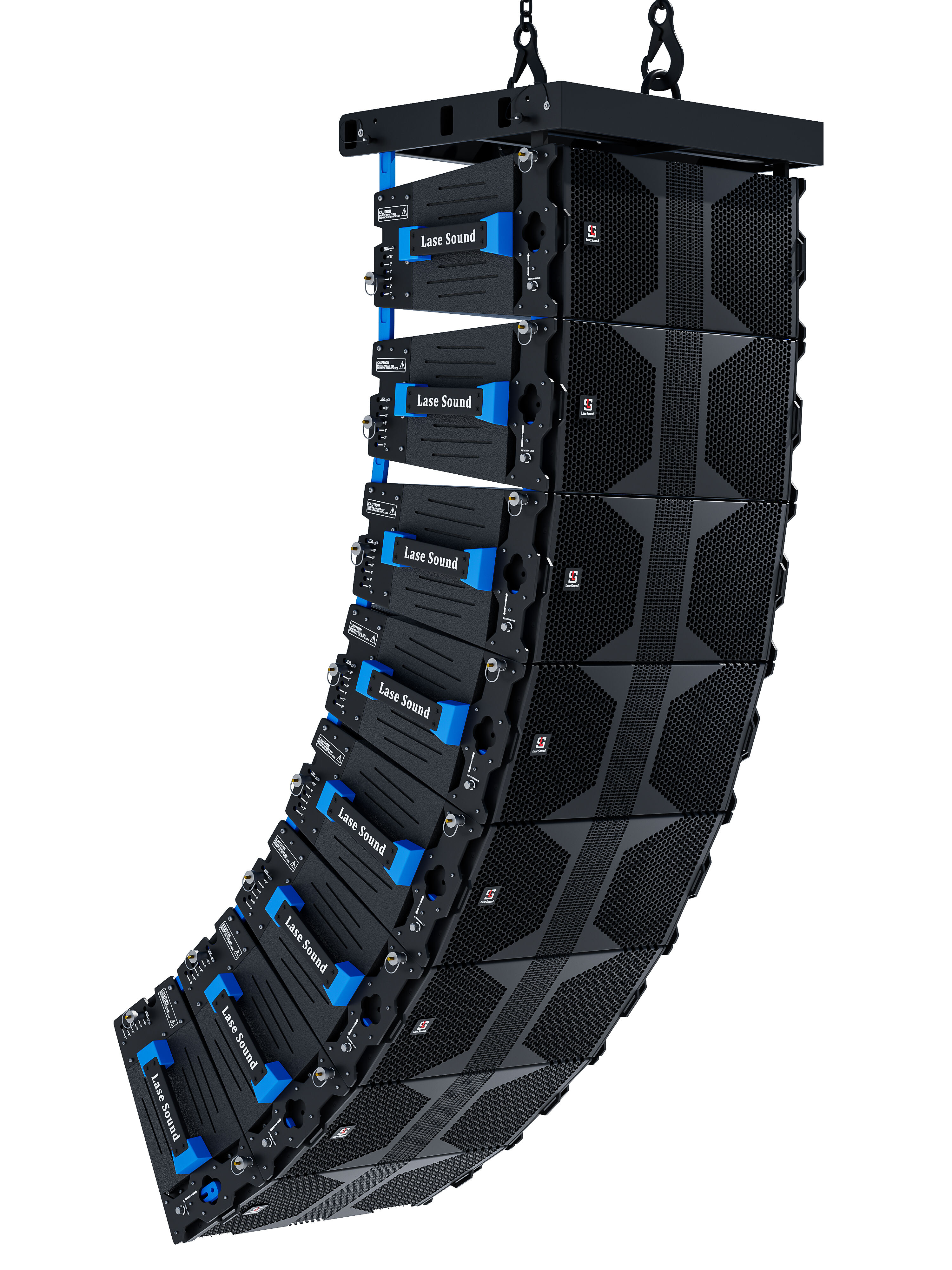
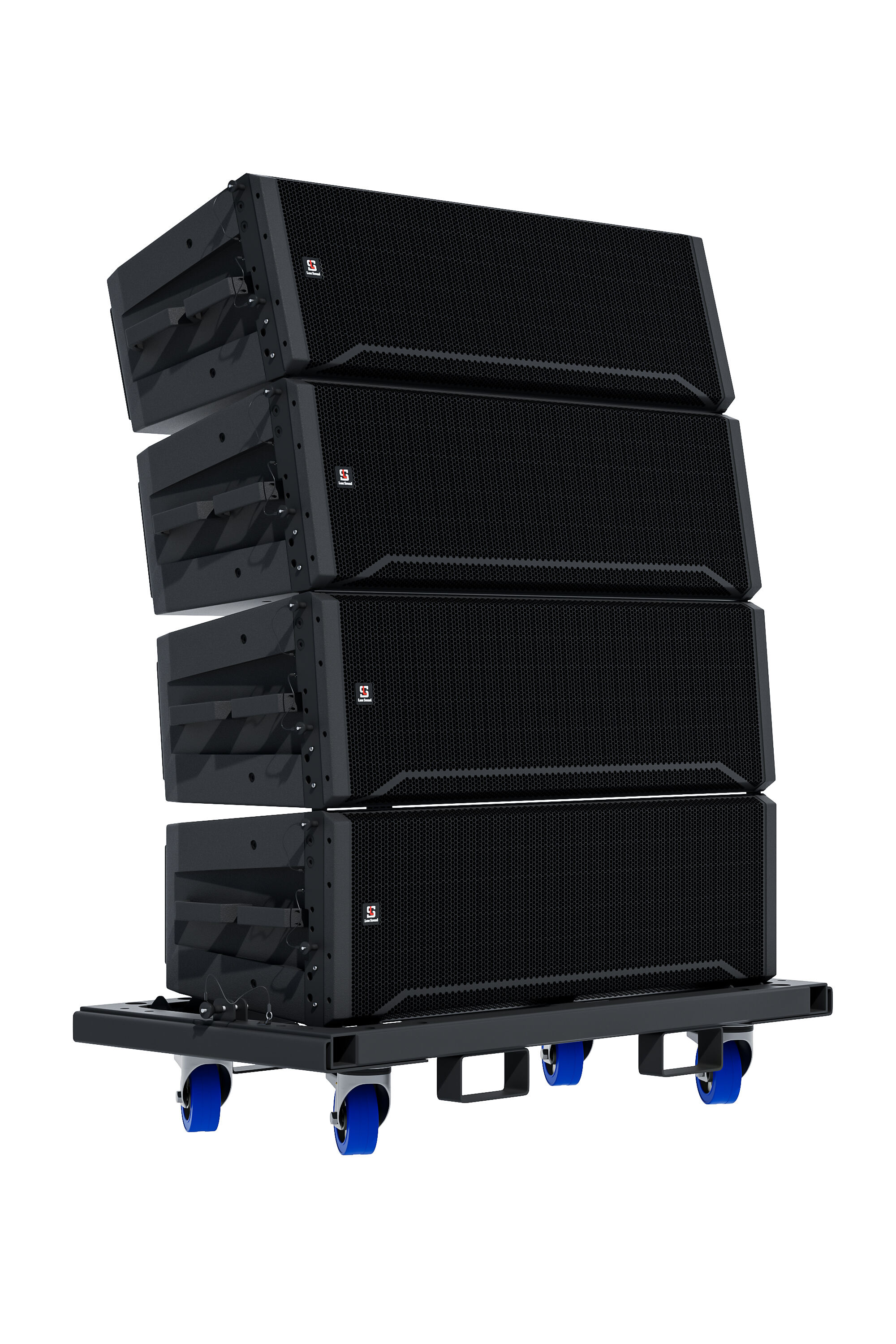
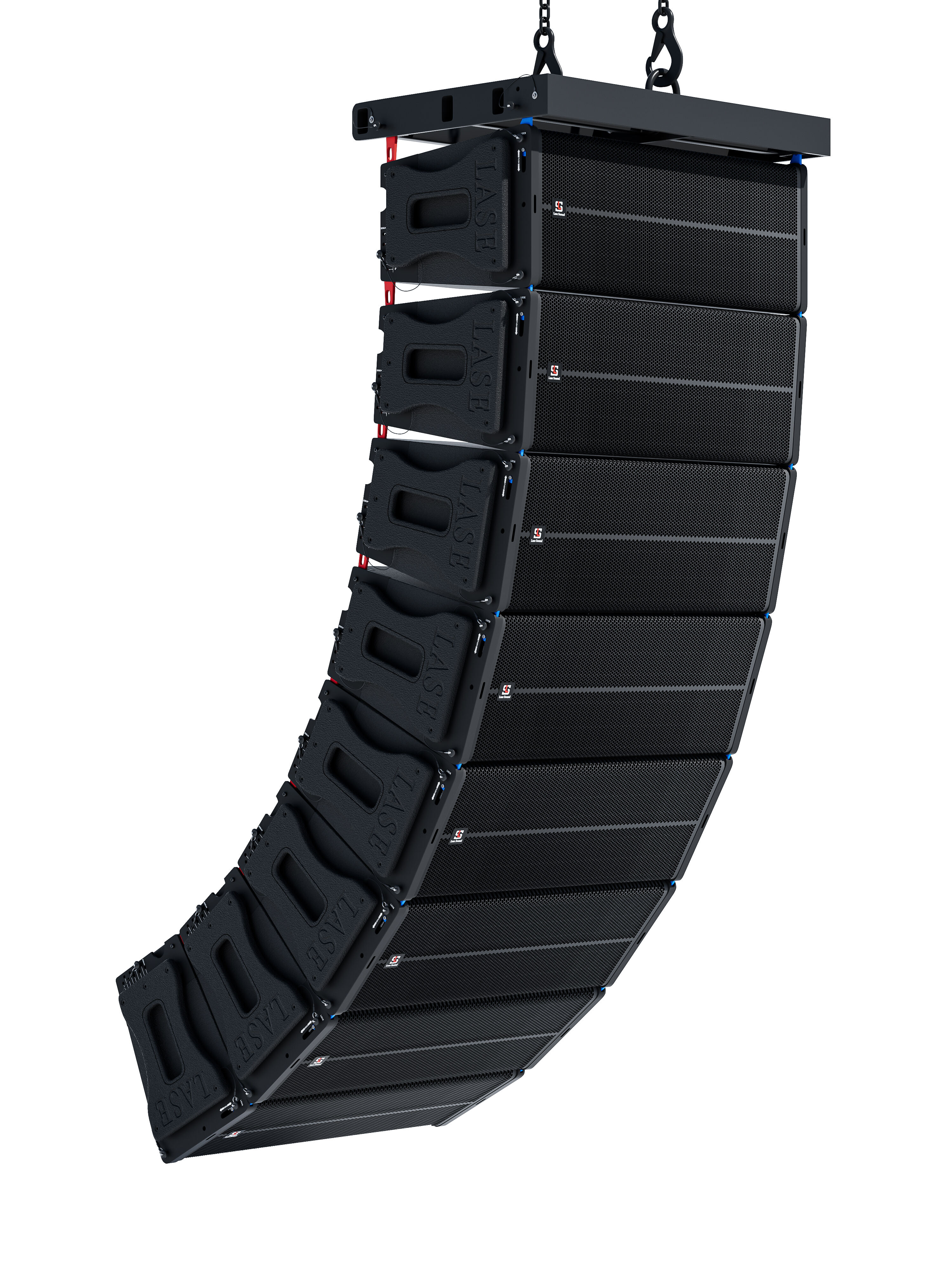
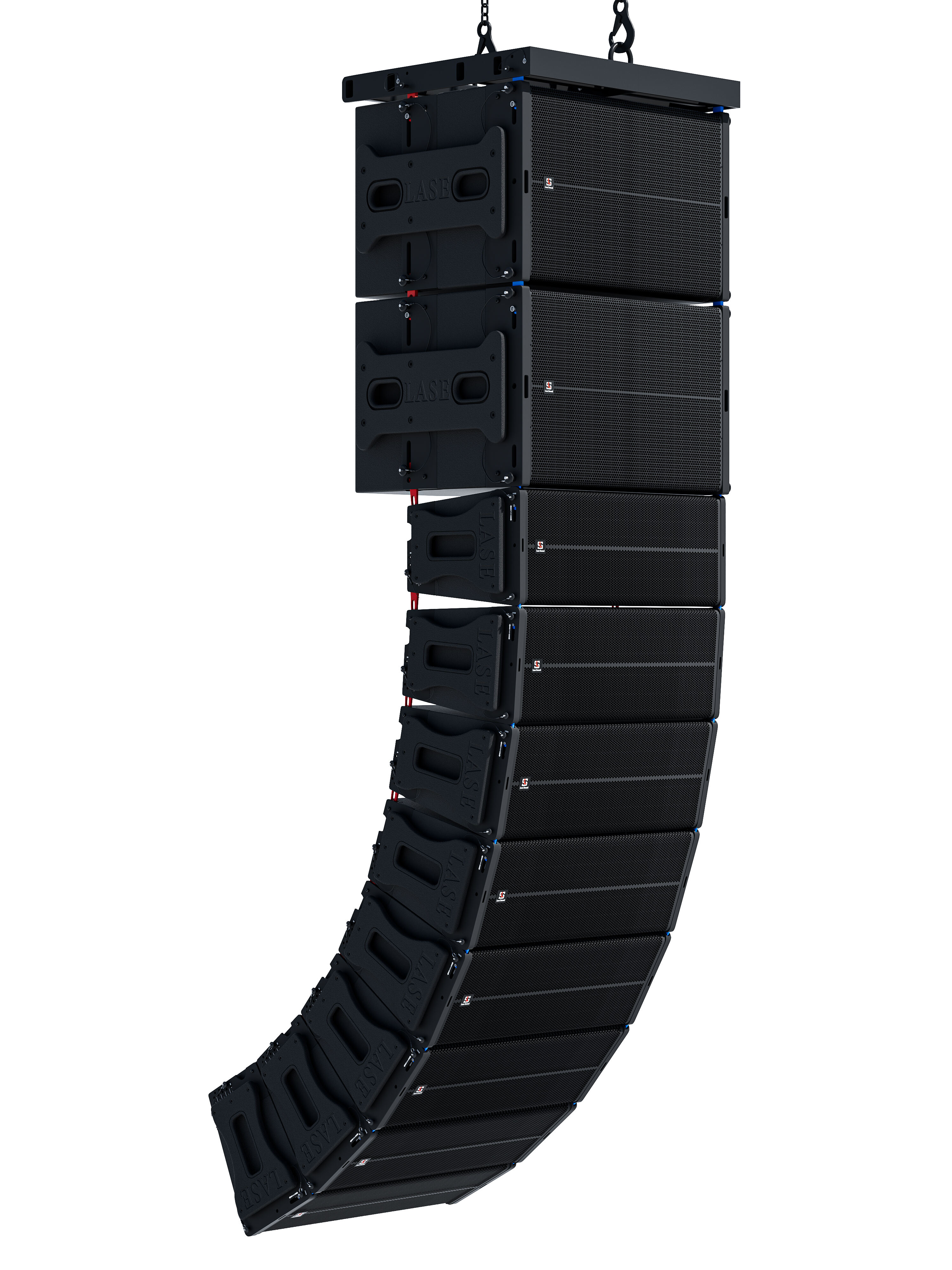
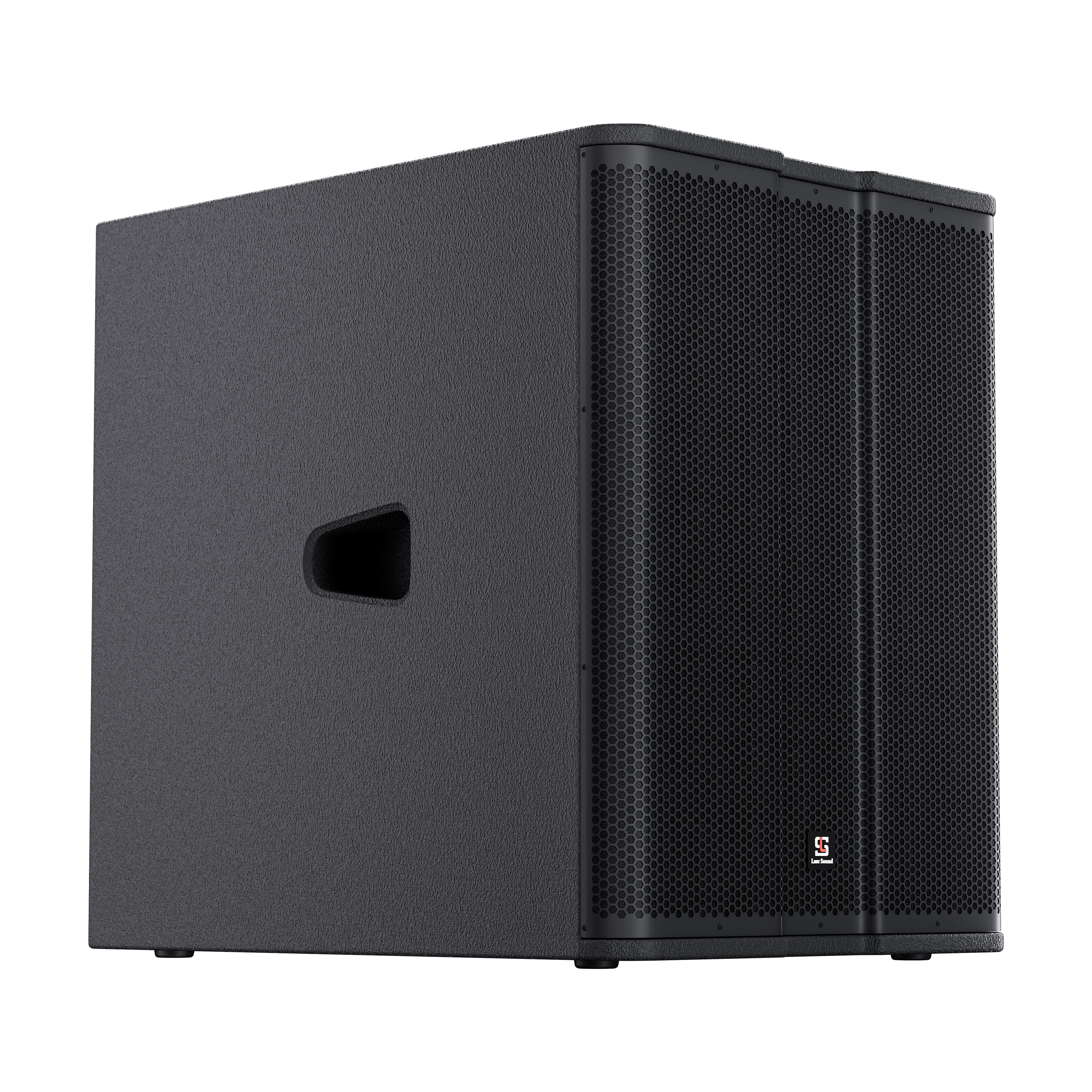
Lase Sound is a professional acoustic systems manufacturer focused on delivering high-performance loudspeaker solutions for commercial studios, broadcast production facilities, large-scale performance venues, and system integration partners worldwide. With over a decade of continuous investment in electroacoustic research, digital signal processing development, and automated manufacturing infrastructure, Lase Sound has built a vertically integrated production ecosystem that ensures consistent quality, predictable acoustic performance, and scalable supply stability for enterprise customers deploying Pro Studio 18 Inch Speakers across multiple facilities.
The company operates dedicated acoustic laboratories equipped with anechoic chambers, Klippel nonlinear distortion analyzers, laser Doppler vibrometry systems, and environmental reliability chambers. Every Pro Studio 18 Inch Speakers model undergoes full-spectrum frequency sweep verification, harmonic distortion mapping, impulse response analysis, and thermal endurance validation prior to shipment. Internal quality data confirms unit-to-unit response deviation controlled within ±0.5 dB and impedance tolerance within ±3 percent, exceeding typical industry benchmarks and enabling system integrators to deploy multi-room installations with minimal recalibration effort.
Manufacturing is executed through automated CNC cabinet machining, robotic surface coating, precision voice coil winding, and digitally controlled amplifier calibration lines. Large-format 18-inch drivers utilize reinforced composite diaphragms and extended linear excursion motors capable of sustained high displacement without mechanical fatigue. Cabinet structures adopt non-parallel internal geometries and multi-layer damping composites to suppress panel resonance and edge diffraction artifacts. Each amplifier module undergoes 72-hour burn-in testing under elevated thermal load to ensure long-term operational reliability. Average amplifier efficiency exceeds 92 percent, reducing heat generation and power consumption across large deployments.
Lase Sound develops its own embedded DSP firmware platform, enabling precise control of linear-phase crossover filters, room correction algorithms, boundary compensation models, and network synchronization protocols. Firmware validation simulates more than 20,000 power cycle events to ensure long-term stability. Network compatibility supports AES67 and Dante audio transport standards, enabling Pro Studio 18 Inch Speakers to integrate seamlessly into immersive production systems and centralized monitoring networks.
Supply chain resilience is maintained through long-term strategic partnerships with magnet suppliers, semiconductor manufacturers, and composite material vendors. This guarantees consistent component availability and stable acoustic performance across multi-year production cycles. Mean Time Between Failure data exceeds 50,000 hours, providing predictable lifecycle cost control for enterprise buyers.
After-sales support infrastructure includes regional service centers, spare module inventory pools, remote diagnostics platforms, and firmware update pipelines. Modular amplifier architecture allows field replacement in under 30 minutes, significantly reducing system downtime. Calibration profiles are digitally archived for every serialized unit, supporting traceability and compliance auditing.
Environmental responsibility is embedded into manufacturing operations through recyclable cabinet materials, reduced standby power consumption below 0.5 watts, and optimized logistics packaging reducing shipping volume by approximately 18 percent per unit. Certifications include CE, FCC, RoHS, EMC Class B, and electrical safety compliance for global distribution markets.
Beyond manufacturing, Lase Sound actively publishes technical documentation on low-frequency phase alignment, DSP linearization strategies, and thermal reliability modeling. Engineering teams collaborate with acoustic consultants and system integrators to continuously refine Pro Studio 18 Inch Speakers based on real-world deployment feedback, reinforcing long-term technical authority and customer trust.
 EN
EN