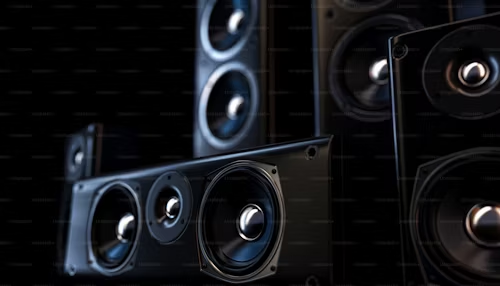
When public-sector buyers, tourism operators, and large-scale event organizers search for an outdoor PA system for sale, the first instinct is often to compare price lists and headline specifications. Unfortunately, this approach frequently leads to disappointing outcomes: premature failures, escalating maintenance costs, inconsistent coverage, and reputational damage when systems underperform in real environments.
After more than a decade advising municipalities, scenic attractions, and event operators on procurement strategy, I have learned that the true cost of an outdoor PA system for sale is not defined by the purchase invoice alone. It is defined by the total cost of ownership over five to ten years: reliability in harsh environments, predictable maintenance, stable acoustic performance, and the supplier’s ability to support the system long after installation.
This article provides a practical evaluation framework to help buyers move beyond surface-level comparisons and identify an outdoor PA system for sale that delivers long-term operational value rather than short-term savings. Drawing on engineering best practices and real-world procurement experience, the goal is to ensure your investment becomes a durable asset rather than a recurring liability.
In procurement reviews, I frequently see buyers select the lowest-priced outdoor PA system for sale, assuming that speakers are commodities and performance differences are marginal. The reality is the opposite. Outdoor environments accelerate wear, expose design weaknesses, and amplify any inconsistency in component quality.
Hidden costs typically emerge in four areas:
Installation complexity: Poorly engineered mounting systems, inadequate cabling protection, or unclear documentation extend labor time and introduce safety risks.
Energy inefficiency: Low-efficiency amplifiers and poor thermal management increase operational electricity costs over years of continuous operation.
Maintenance and downtime: Non-modular designs and limited spare parts availability lead to long service interruptions and higher service fees.
Premature replacement: Weather damage, corrosion, or thermal stress shortens lifespan, forcing reinvestment far earlier than planned.
In contrast, a properly engineered outdoor PA system for sale should be viewed as a long-term service platform that delivers consistent acoustic coverage and predictable operating costs for many years. The purchasing decision, therefore, must focus on engineering quality, lifecycle economics, and supplier reliability.
To evaluate any outdoor PA system for sale, buyers should translate the keywords into measurable procurement criteria.
Outdoor audio equipment must tolerate rain, dust, UV radiation, temperature swings, and airborne pollutants. A credible outdoor PA system for sale should demonstrate:
Verified IP protection ratings: IP45 or higher is recommended for permanent outdoor installations. The first digit indicates dust protection, while the second digit reflects water resistance. Certification documentation matters more than marketing claims.
Weather-resistant materials: Cabinets should use aluminum alloys, marine-grade plywood with sealed coatings, or composite materials that resist moisture ingress and ultraviolet degradation.
Wide operating temperature range: Electronics should reliably operate from approximately –10 °C to +50 °C without performance drift or thermal shutdown.
Corrosion-resistant hardware: Stainless steel or treated fasteners, rigging points, and brackets prevent long-term structural degradation.
Environmental resilience directly correlates with lifecycle cost. Systems lacking these safeguards may appear attractive as an outdoor PA system for sale, but quickly accumulate repair and replacement expenses.
A genuine PA system is more than a loudspeaker. It is an integrated ecosystem designed to deliver controlled coverage, intelligibility, and operational manageability.
Key attributes include:
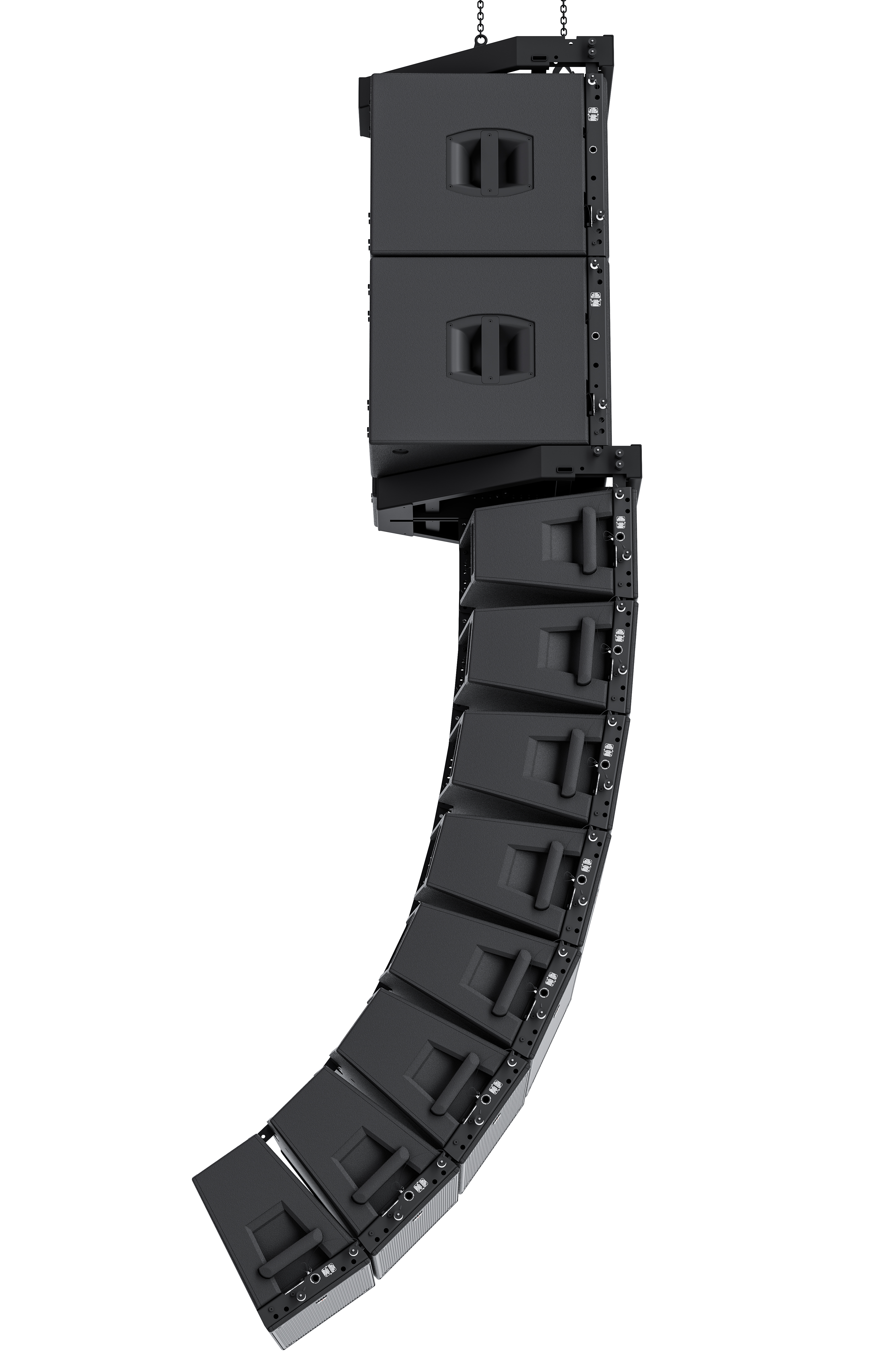
Acoustic matching to site geometry: Sound pressure level (SPL), dispersion angles, and array scalability must align with the physical layout of the venue. Coverage modeling should validate uniformity rather than relying on nominal specifications.
Signal processing and protection: Integrated DSP ensures consistent tonal balance, protects drivers through limiters, and allows fine tuning for environmental conditions.
Networked monitoring: For large sites, remote monitoring of amplifier temperature, load status, and fault conditions significantly reduces maintenance response time.
Scalable architecture: The ability to expand zones, add delay fills, or integrate with public address and emergency systems increases long-term flexibility.
When reviewing an outdoor PA system for sale, buyers should insist on seeing how the system performs as a cohesive platform, not just as individual components.
The phrase outdoor PA system for sale implicitly includes long-term support obligations. Buyers should evaluate:
Warranty transparency: Clear terms, duration, and scope of coverage reduce future uncertainty.
Spare parts availability: Drivers, amplifier modules, and control boards must remain accessible for many years.
Technical documentation: Detailed manuals, wiring schematics, and maintenance procedures lower operational risk.
Supplier engineering support: Commissioning assistance, acoustic simulation, and post-installation optimization directly influence system performance and reliability.
At Guangzhou LASE SOUND Co., Ltd., our engineering and service teams support clients from system design through lifecycle maintenance, ensuring each outdoor PA system for sale aligns with real operating conditions rather than theoretical benchmarks.
When comparing an outdoor PA system for sale, the following questions establish objective due diligence:
Request certified IP documentation, temperature range specifications, and material durability data. Avoid relying on marketing claims alone.
Ask for acoustic simulation models based on your site drawings, audience density, and ambient noise conditions. This validates coverage and intelligibility.
Clarify standard warranty terms, extended service options, spare parts stock strategy, and technical response timelines.
Evaluate amplifier efficiency, standby power consumption, and compatibility with existing control or emergency systems.
Understand labor hours, mounting complexity, structural reinforcement needs, and special tooling requirements. These costs materially affect ROI.
Applying this framework ensures that each outdoor PA system for sale is evaluated on operational merit rather than superficial pricing.
A well-selected outdoor PA system for sale becomes a predictable operational asset: stable coverage, controlled maintenance budgets, and consistent user satisfaction. Poorly selected systems, however, behave as recurring cost centers, consuming capital through unplanned repairs and reputational risk.
From a strategic perspective, procurement decisions should prioritize:
Lifecycle predictability over initial savings.
Engineering validation over catalog specifications.
Supplier partnership over transactional pricing.
At Guangzhou LASE SOUND Co., Ltd., we design and manufacture outdoor audio solutions for long-term deployment in demanding environments. Our engineering teams collaborate with system integrators and asset owners to ensure that every outdoor PA system for sale delivers measurable performance, reliability, and economic value over its full service life.
Selecting an outdoor PA system for sale is not simply a purchasing task; it is a strategic investment decision that affects operational reliability, public perception, and long-term financial performance. By applying a structured evaluation framework focused on environmental resilience, system integrity, and lifecycle support, buyers can transform procurement from a short-term expense into a durable asset that consistently delivers value.
If you are currently evaluating an outdoor PA system for sale, consider engaging with an engineering-driven supplier capable of validating performance through data, simulation, and long-term service commitment. A disciplined approach today prevents costly corrections tomorrow.
Audio Engineering Society (AES). Guidelines for Environmental Testing of Professional Audio Equipment.
IEC 60529. Degrees of Protection Provided by Enclosures (IP Code).
ANSI/ASA S12 Series. Acoustics Standards for Sound System Performance and Measurement.
Internal Engineering Validation Reports, Guangzhou LASE SOUND Co., Ltd.


 EN
EN


 Hot News