Analog stage Sound, has evolved from taking 12+ hours to assemble such sound systems on stage, to digitally networked arrays that can be deployed in less than 4 hrs. The 2010s represented a wake-up call for the industry, with the touring carbon footprint being brought under similar scrutiny - arena concerts now consolidate to an average freight expenditure of $28,000 CO2e per event (Live Event Sustainability Report 2023). So manufacturers began dropping cabinets using steel reinforcements and now only 22% of new systems use aluminum and composites. It is worth noting effectively, energy-efficient networked amplifiers with sophisticated thermal management have trimmed power consumption (by 40%) Audio Engineering Society (n.d.).

Quick rigging combines three key innovations:
Low-emission design extends beyond materials to systemic optimization. Leading systems now use 85% recyclable composite panels and amplifiers meeting ¥92% efficiency (CEA-2021B standard). The 2024 Sustainable AV Report found these approaches reduce per-event emissions by 11.3 metric tons versus legacy systems.
Three forces shape adoption:
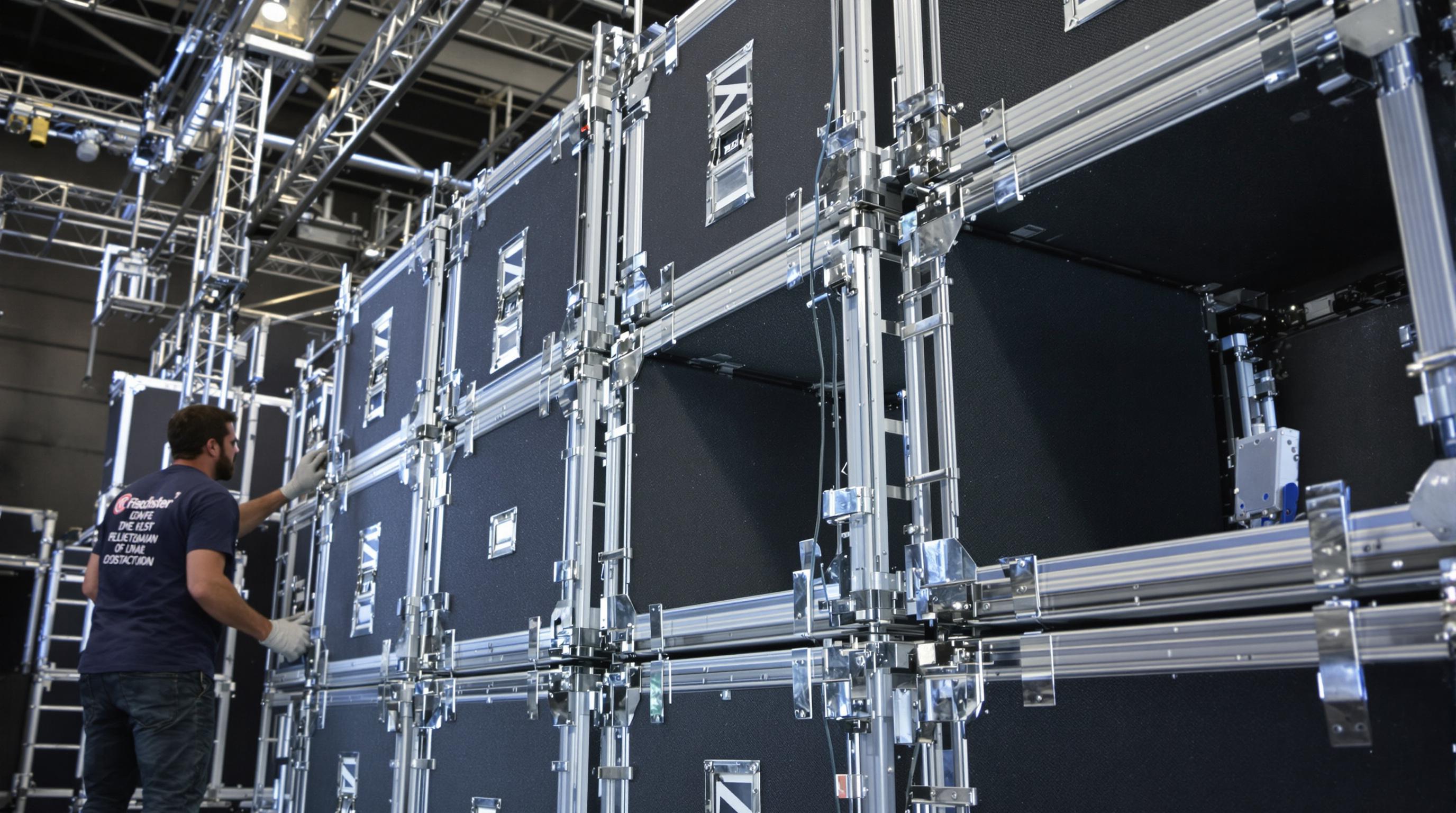
Modern systems use interlocking cabinets with standardized connectors, cutting array assembly to 45 minutes—a 40% reduction (Live Sound International 2023). Carbon-reinforced polymers reduce component weights by 30% without acoustic trade-offs.
Embedded safety locks and color-coded guides eliminate 60% of external rigging kits. A 2023 study showed these systems reduce rigging errors by 75% while ensuring consistent array angles.
Venue modeling software simulates:
The European Arena Alliance reported 33% fewer setup revisions after adoption.
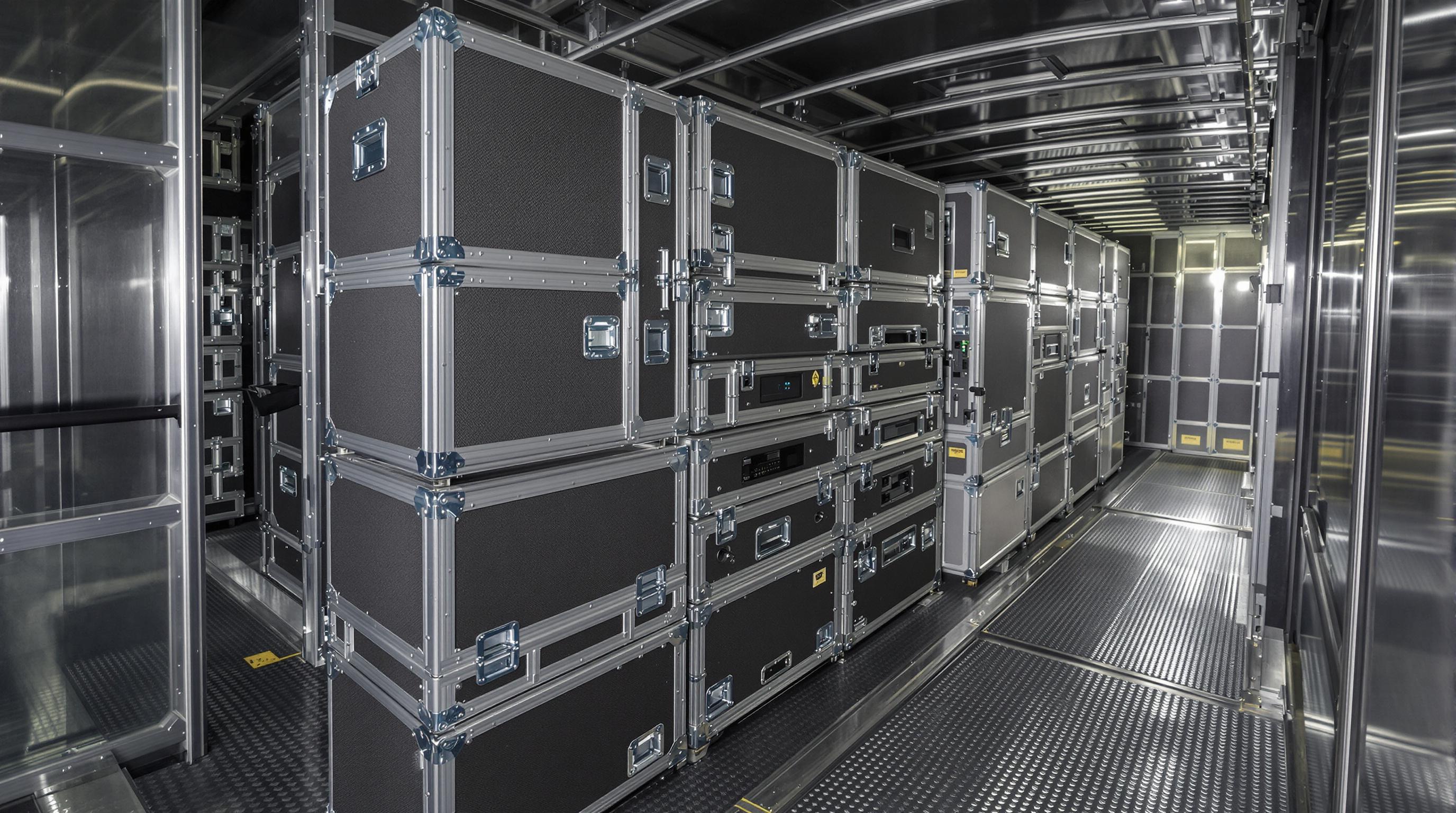
Aerospace aluminum and carbon fiber cut transport weight by 25–30%. Nesting designs allow 40% less trailer space, enabling:
| Metric | Traditional | Compact | Improvement |
|---|---|---|---|
| Cabinets per Truckload | 45 | 68 | +51% |
| Average Weight (lbs) | 89 | 62 | -30% |
A 15-stop tour using lightweight arrays achieved:
This aligns with the EU’s Green Touring Initiative, incentivizing low-emission logistics.
Real-time monitoring of amplifier temps and power draw cuts energy waste by 18–22% (AVIXA 2023). Predictive maintenance reduces failures, while remote management slashes technician travel emissions by 40%.
Machine learning optimizes:
Early adopters report 28% fewer empty trailer miles.
Key strategies include:
Seventeen manufacturers are pursuing SBTi validation by 2025, signaling industry-wide commitment to decarbonization.
This evolution has been driven by the need for efficiency in assembly time and reduced carbon footprints during touring events.
Quick rigging uses modular components and tool-free connections to speed up setup times, requiring fewer resources and manpower.
Lightweight materials reduce transport weight, which lowers the number of truckloads required and minimizes the emissions produced during transport.
Technologies such as IoT, smart sensors, predictive logistics, and material innovations are paving the way to Net-Zero goals.


 EN
EN

 Hot News