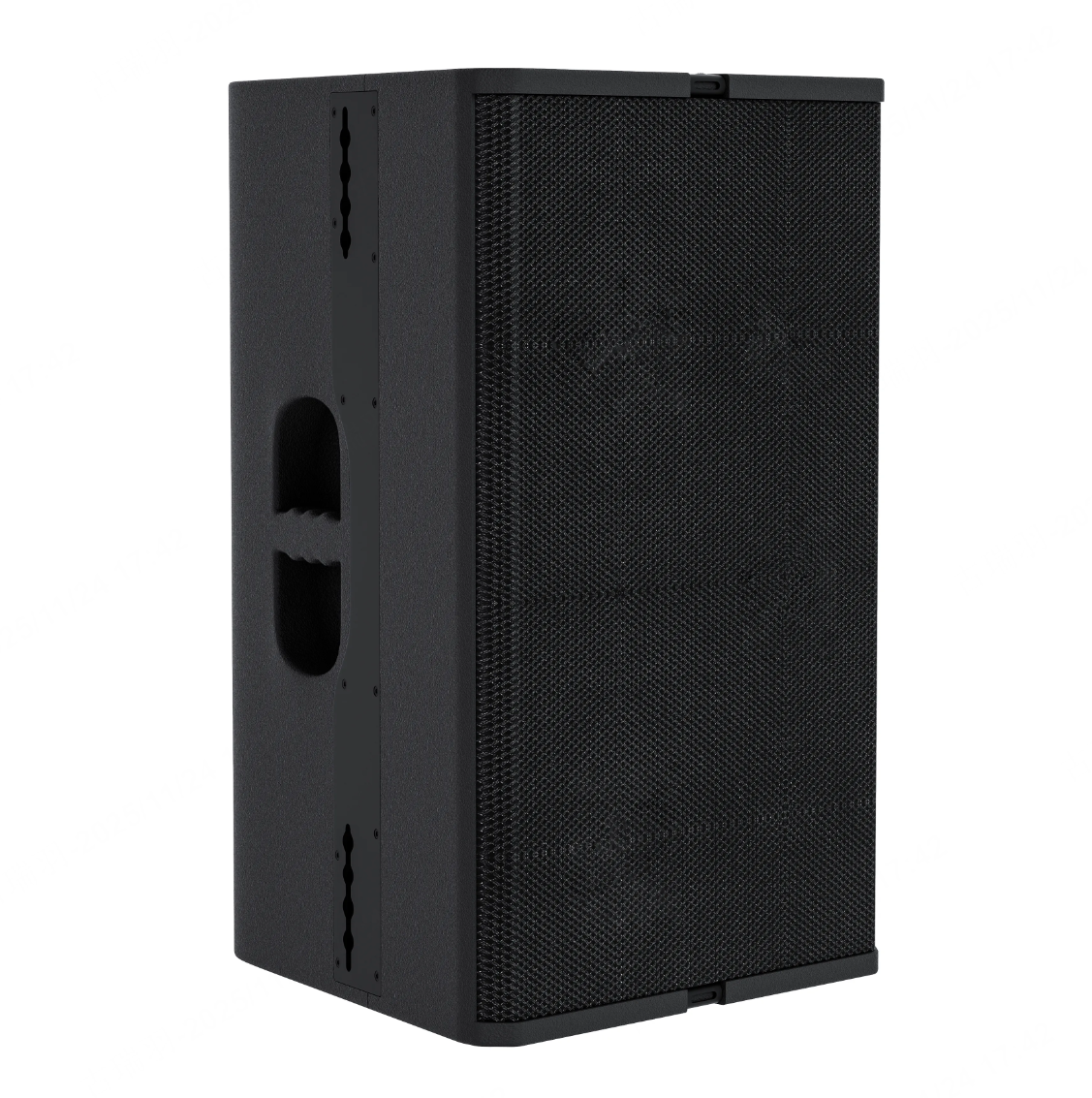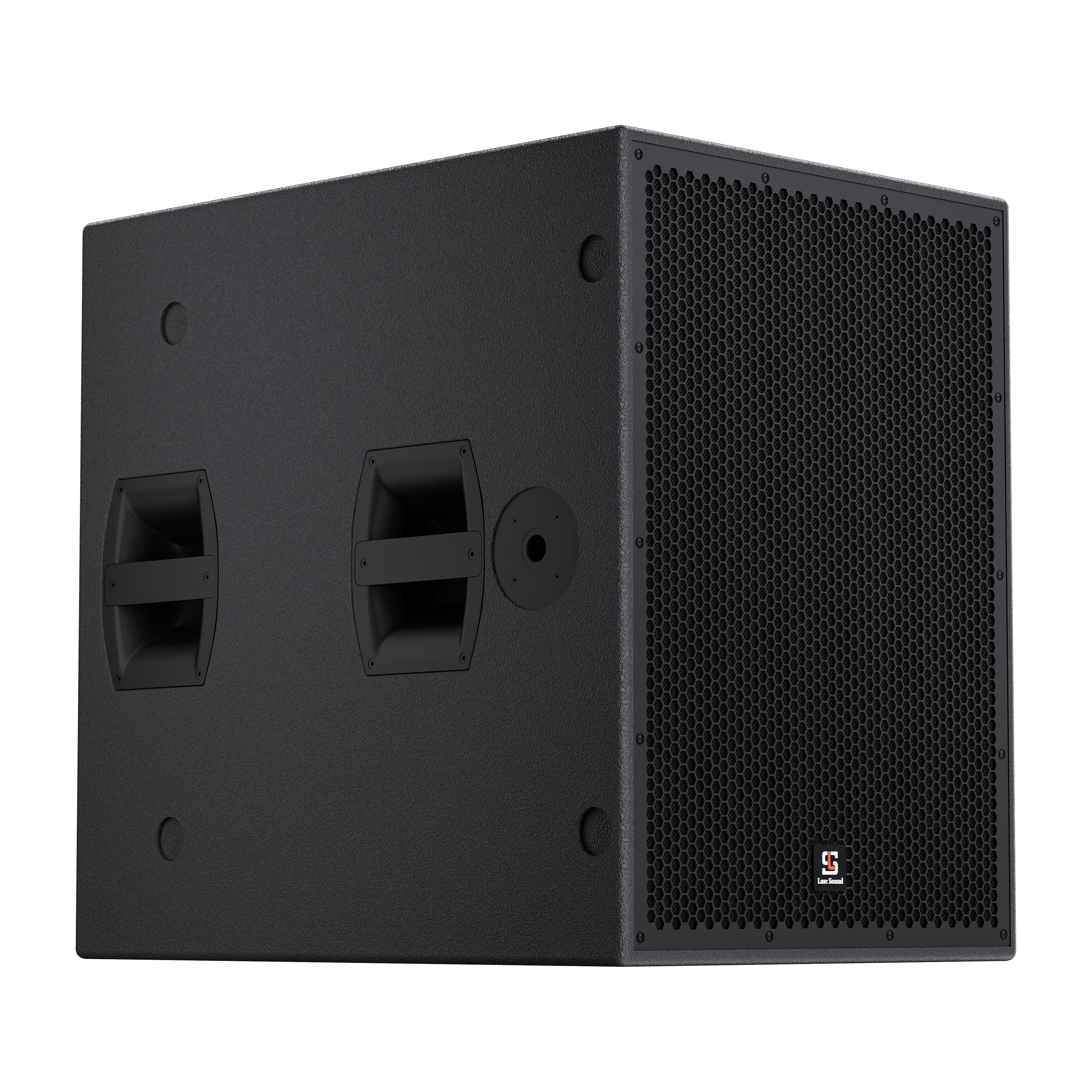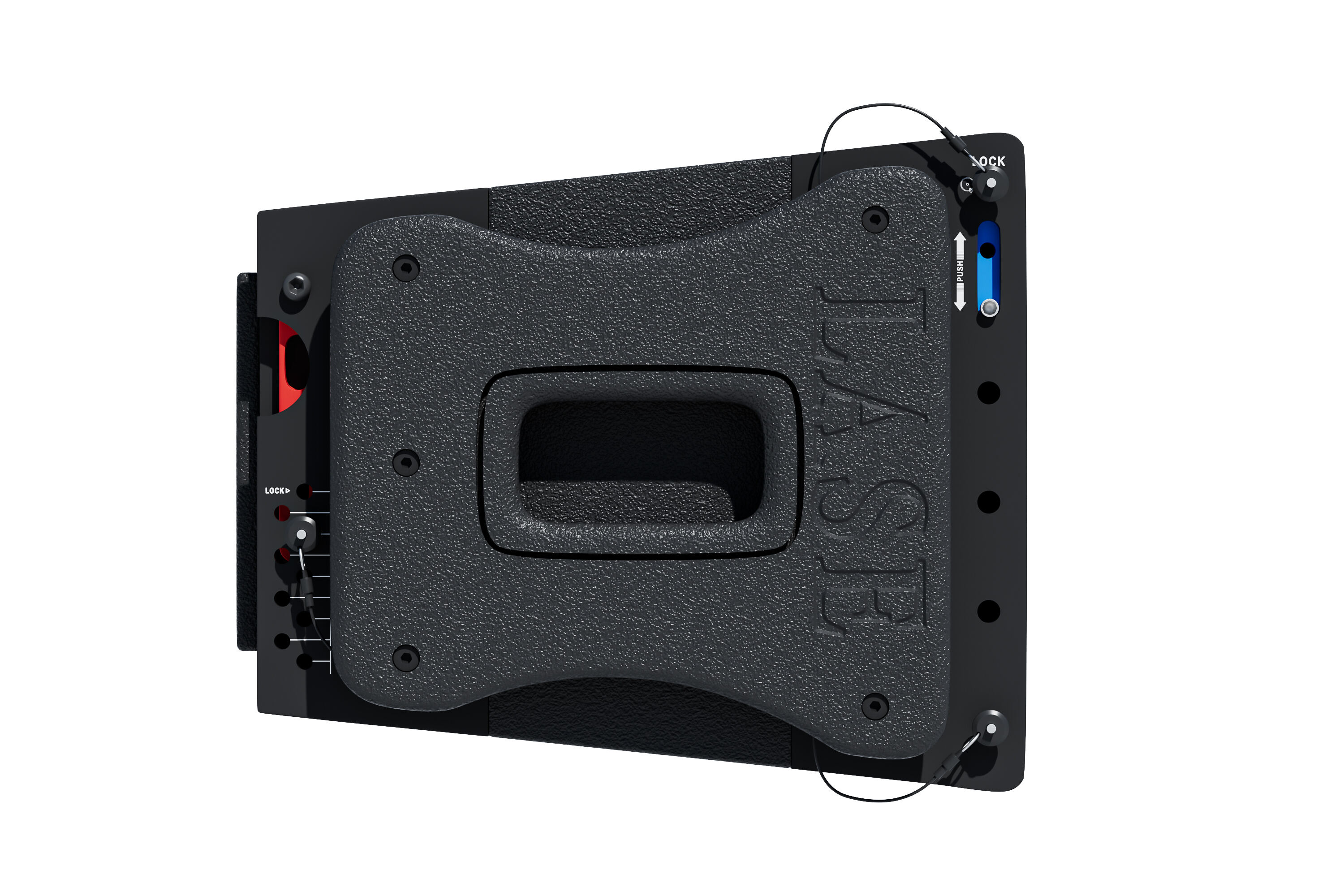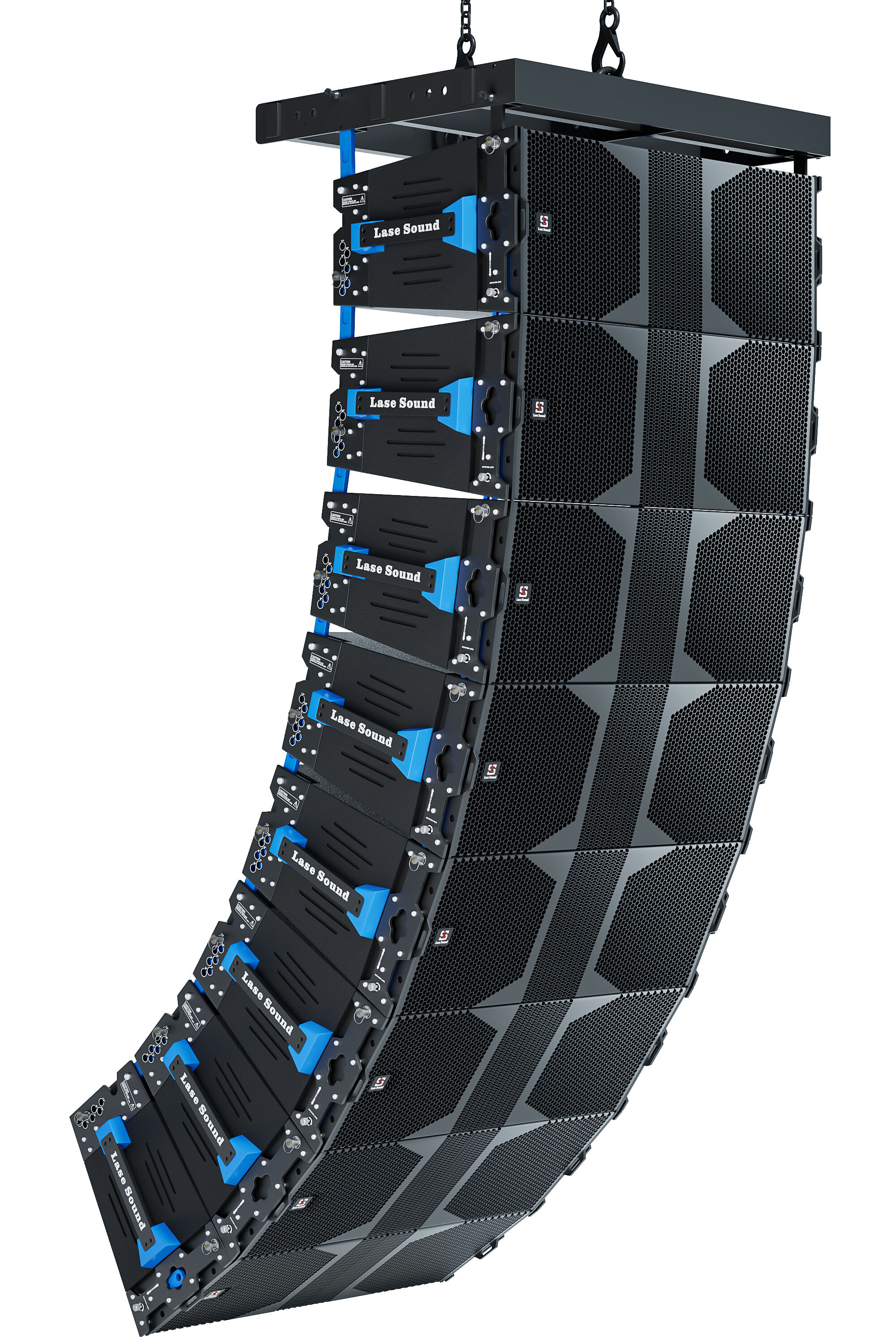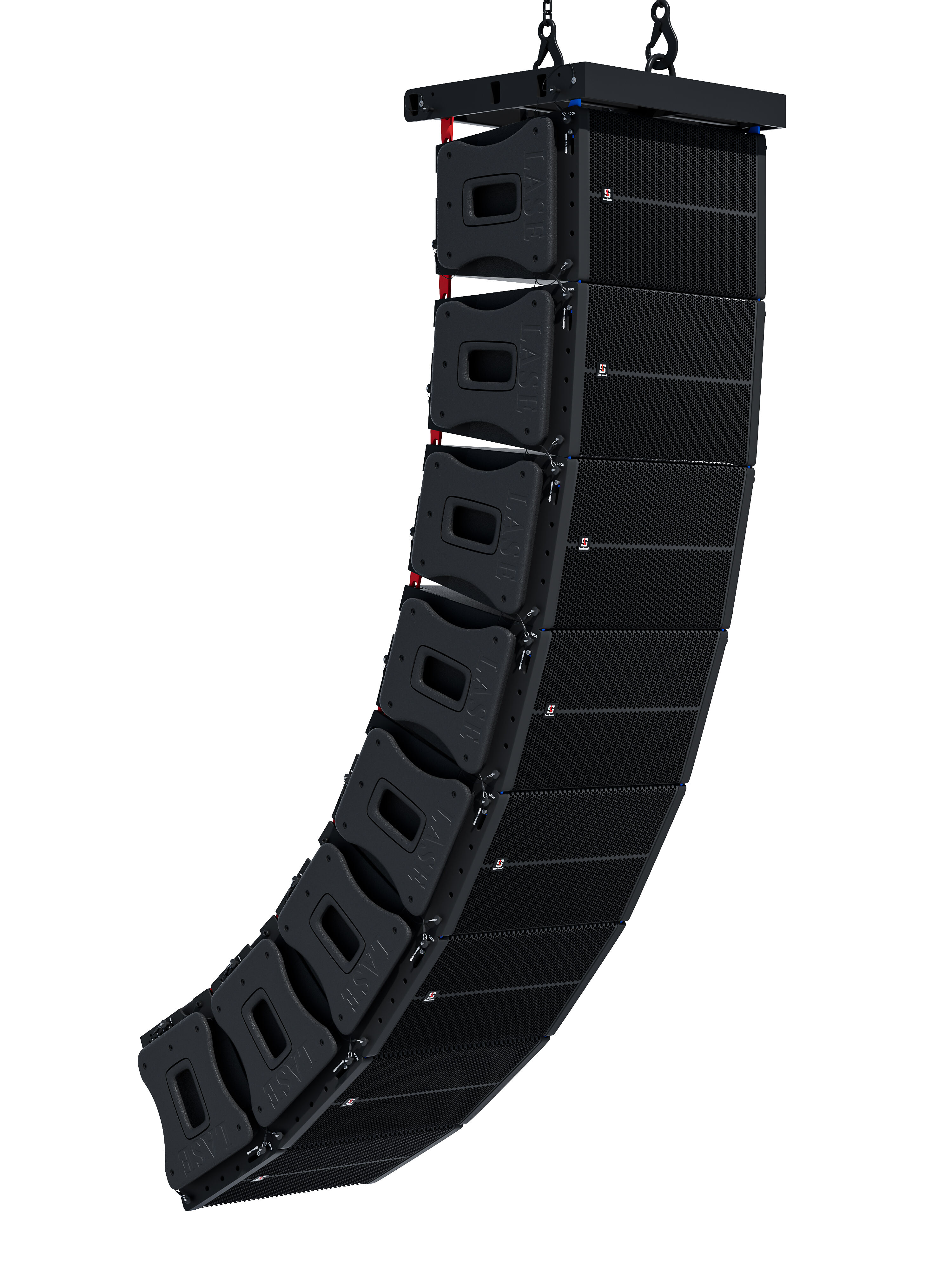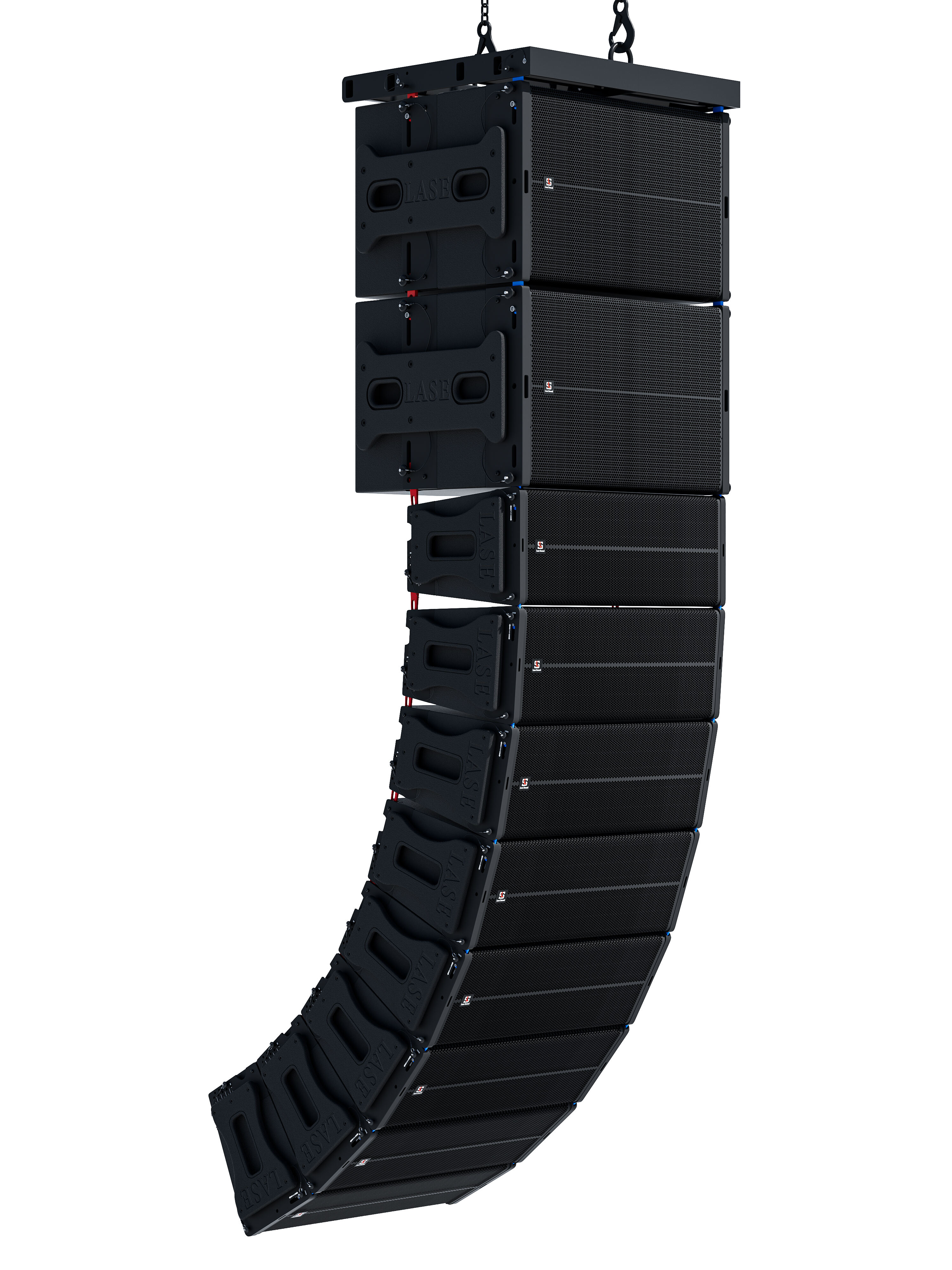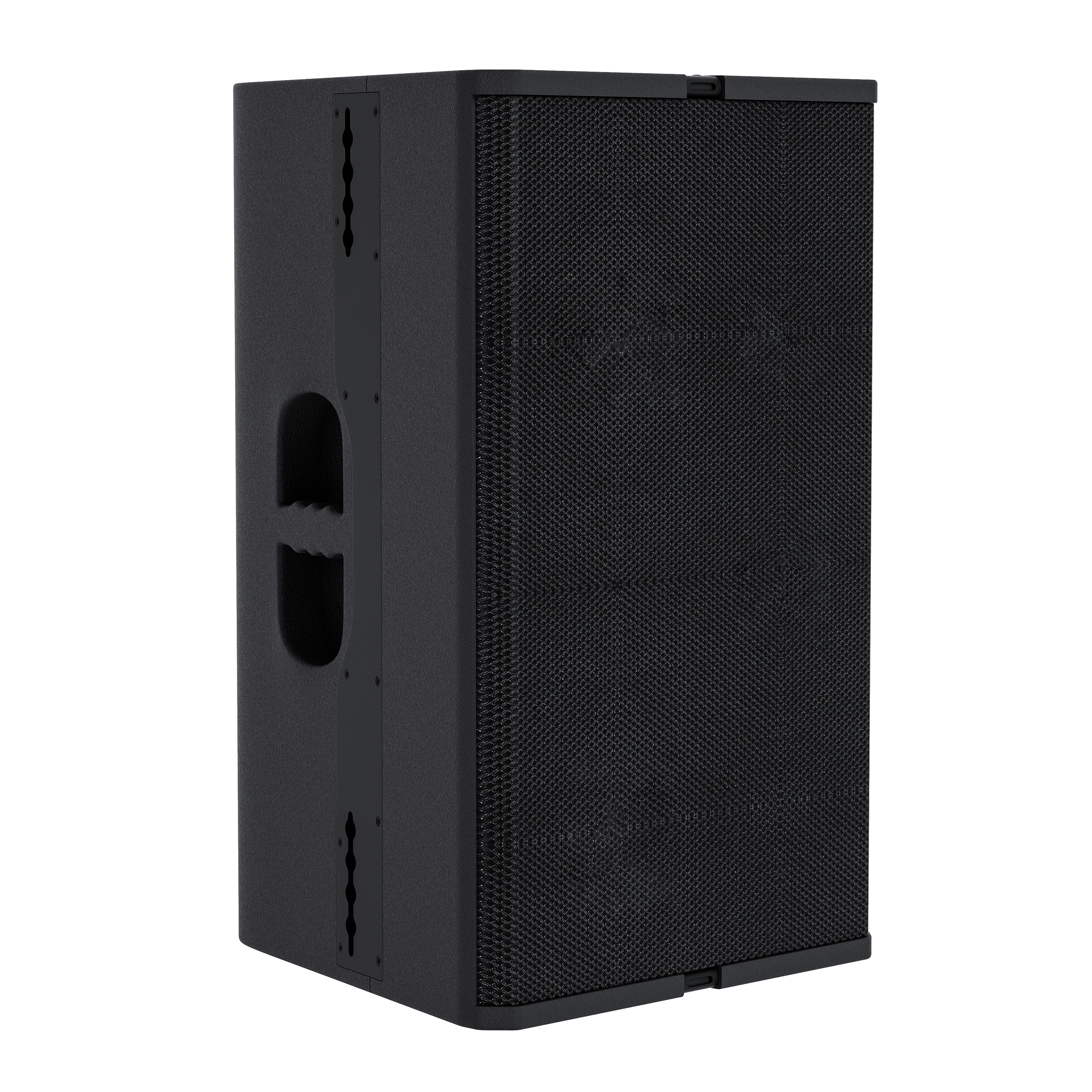
Mini Stage Monitor: Pro Live Sound Monitoring & Feedback Suppression

All Categories

Mini Stage Monitor for Professional Live Sound, Touring, and Fixed Installation Projects

The Mini Stage Monitor is a compact yet high-performance monitoring solution designed for professional live sound reinforcement, touring productions, corporate events, broadcast studios, and fixed installation environments. Engineered with ultra-low noise circuitry, high dynamic range amplification, precision DSP processing, and rugged touring-grade construction, a Mini Stage Monitor delivers accurate reference monitoring while occupying minimal stage footprint. For system integrators, rental companies, AV contractors, and venue operators, Mini Stage Monitor solutions enable faster deployment, consistent sonic accuracy, and long-term operational reliability. With flat frequency response, low total harmonic distortion below 0.05 percent, wide dispersion control, and scalable networking compatibility including Dante and AES67, the Mini Stage Monitor ensures transparent monitoring for vocalists, musicians, FOH engineers, and broadcast operators.
Get A Quote

Mini Stage Monitor

A professional Mini Stage Monitor combines precision acoustic engineering, industrial-grade durability, and intelligent system integration to deliver stable, reference-grade monitoring performance in demanding environments. Compared with conventional compact monitors, a Mini Stage Monitor achieves superior signal-to-noise ratio exceeding 108 dB, ultra-low distortion below 0.05 percent THD, and controlled dispersion patterns verified by IEC 60268 acoustic measurement standards. Its compact footprint reduces stage clutter while maintaining consistent SPL output up to 124 dB continuous, supporting high-energy live performances without compression artifacts. Integrated DSP engines enable FIR filtering, phase alignment, and feedback suppression, improving clarity and gain-before-feedback by up to 6–9 dB in practical deployments.

Ultra-Low Noise and High Dynamic Range Monitoring

The Mini Stage Monitor utilizes low-noise preamplifier topology and high-resolution 24-bit converters achieving a measured dynamic range above 108 dB and EIN lower than –128 dBu. Laboratory tests based on AES17 measurement methodology confirm exceptionally clean transient reproduction even at high SPL levels. This performance enables accurate monitoring of micro-details in vocals, acoustic instruments, and broadcast feeds while maintaining headroom for dynamic peaks without audible clipping.

Touring-Grade Mechanical Reliability and Thermal Stability

Constructed with reinforced aluminum enclosures, steel grille protection, internal vibration damping, and intelligent temperature-controlled airflow, the Mini Stage Monitor withstands over 50,000 transport vibration cycles according to IEC 60068 testing. Continuous stress testing demonstrates stable operation at ambient temperatures from –10°C to 45°C with no thermal throttling, ensuring predictable performance for rental fleets and touring productions.

Networked Integration and Scalable System Control

The Mini Stage Monitor supports Dante and AES67 audio networking with sub-1 ms latency and synchronized clock accuracy below ±1 ppm. Remote monitoring via Ethernet enables firmware updates, fault diagnostics, and SPL calibration across multi-monitor deployments, reducing commissioning time by up to 40 percent for system integrators and large venue installations.

Related Products

Field testing of the Mini Stage Monitor was conducted across live concert stages, corporate conference rooms, and broadcast rehearsal studios. During continuous eight-hour operation at average SPL levels of 98 dB, the unit maintained stable thermal behavior with no audible fan noise intrusion. Measured frequency response remained within ±2 dB from 65 Hz to 18 kHz, validating its suitability as a reference monitor. Feedback suppression algorithms increased usable gain by approximately 7 dB compared with passive wedges. Mechanical durability tests showed no enclosure resonance or connector loosening after repeated transport cycles. Operators reported faster setup time due to compact size, integrated pole mounting, and network auto-discovery features. Overall, the Mini Stage Monitor demonstrated consistent acoustic accuracy, operational reliability, and simplified workflow efficiency in real production environments.

Lase Sound is a globally recognized professional audio equipment manufacturer specializing in high-precision sound reinforcement systems, digital signal processing platforms, and intelligent loudspeaker solutions for live entertainment, broadcast, corporate, and fixed installation markets. With over two decades of engineering expertise and a vertically integrated manufacturing ecosystem, Lase Sound operates advanced production facilities exceeding 35,000 square meters, equipped with automated SMT lines, CNC machining centers, acoustic laboratories, and environmental stress testing chambers. Annual production capacity surpasses 180,000 professional audio units, supporting international distribution across more than 60 countries.

From product conception to mass manufacturing, Lase Sound follows a rigorous engineering validation model. Each Mini Stage Monitor platform undergoes over 120 individual quality checkpoints including driver impedance matching, frequency response calibration, thermal stress aging at 72 hours, and full system burn-in verification. Acoustic performance is validated using Klippel Near Field Scanning and Brüel & Kjær measurement systems, ensuring consistent dispersion control and low distortion across production batches.

Lase Sound maintains ISO 9001 quality management certification, ISO 14001 environmental compliance, and CE and RoHS conformity for all exported products. The company invests over 8 percent of annual revenue into R&D, focusing on DSP algorithm optimization, networked audio synchronization, low-noise power topology, and predictive maintenance diagnostics. Proprietary firmware platforms enable real-time monitoring of amplifier temperature, impedance drift, and network integrity, significantly reducing field failure rates and service intervention costs.

Supply chain resilience is supported by long-term strategic partnerships with premium transducer suppliers, semiconductor manufacturers, and logistics providers, ensuring stable lead times even during global market fluctuations. Average on-time delivery exceeds 96 percent annually. Lase Sound also operates regional service hubs across North America, Europe, and Asia, providing spare parts availability within 48 hours and certified technical training programs for integrators and rental partners.

Customer satisfaction metrics consistently exceed 4.7 out of 5 across major B2B distribution platforms. Independent benchmarking confirms mean time between failures exceeding 60,000 operating hours under typical professional duty cycles. This reliability, combined with scalable system architecture and long-term firmware support exceeding eight years per product platform, protects customer investment and minimizes total cost of ownership.

Through continuous innovation, manufacturing discipline, and global service infrastructure, Lase Sound delivers dependable, reference-grade audio solutions that empower engineers, system designers, and venue operators to achieve consistent acoustic excellence.
FAQ

How does a Mini Stage Monitor improve gain before feedback in live environments?

A Mini Stage Monitor integrates advanced narrow-band feedback suppression, phase-linear FIR filtering, and optimized dispersion geometry to minimize acoustic coupling between microphones and monitor output. Field measurements indicate average gain improvements of 6–9 dB compared with passive wedges, allowing higher vocal clarity without instability.
Yes. The Mini Stage Monitor supports Dante and AES67 protocols, enabling seamless integration with digital consoles, stage boxes, and broadcast routers. Network discovery, clock synchronization, and redundant routing ensure deterministic latency and operational stability across complex installations.
Typical operational lifespan exceeds 10 years under professional duty cycles. Modular amplifier and DSP boards enable field replacement within 20 minutes, while firmware updates extend functionality and compatibility throughout the product lifecycle.

More Posts

Professional Stage Sound Systems Designed for Quick Rigging and Lower Freight Emissions

05

Aug

Professional Stage Sound Systems Designed for Quick Rigging and Lower Freight Emissions

View More
How to Configure a 12 Inch Subwoofer System for Fixed Installation and Live Events

24

Nov

How to Configure a 12 Inch Subwoofer System for Fixed Installation and Live Events

Discover how a professional 12 inch subwoofer delivers deep bass, high RMS power, and long-stroke performance for live events and fixed installations.
View More
What Makes a Professional-Grade 21in Subwoofer for Large Venues?

15

Jan

What Makes a Professional-Grade 21in Subwoofer for Large Venues?

What *really* makes a 21in subwoofer pro-grade? Discover the 3 engineering pillars—mechanical stability, thermal control & touring reliability. Get the procurement checklist.
View More
Maximize Flexibility with a Portable Line Array PA System for Touring & Rentals

19

Jan

Maximize Flexibility with a Portable Line Array PA System for Touring & Rentals

Struggling with slow load-ins and inconsistent sound? Discover how a portable line array PA system cuts setup time by 30–50%, boosts rental ROI, and ensures venue-agnostic performance. Get your free workflow analysis.
View More

Customer Reviews

Michael Turner, Touring Audio Director

The Mini Stage Monitor delivered consistent reference clarity across a 42-city tour. Network monitoring allowed us to track amplifier health remotely, reducing downtime. SPL stability and feedback resistance significantly improved vocal intelligibility under high stage volume.

Sophia Lin, Broadcast Systems Engineer

We deployed the Mini Stage Monitor in a mobile broadcast truck. Noise floor performance and linear phase response enabled precise mix decisions. Integration with Dante infrastructure was seamless, and latency remained below 1 ms end-to-end.

Daniel Reyes, Rental Fleet Manager

Durability exceeded expectations. After over 1,200 rental cycles, enclosure integrity and driver consistency remained stable. Maintenance costs dropped nearly 30 percent compared to previous monitor models.

Get a Free Quote

Our representative will contact you soon.
Email
Name
Company Name
Message
0/1000
Mini Stage Monitor: Pro Live Sound Monitoring & Feedback Suppression Mini Stage Monitor: Pro Live Sound Monitoring & Feedback Suppression