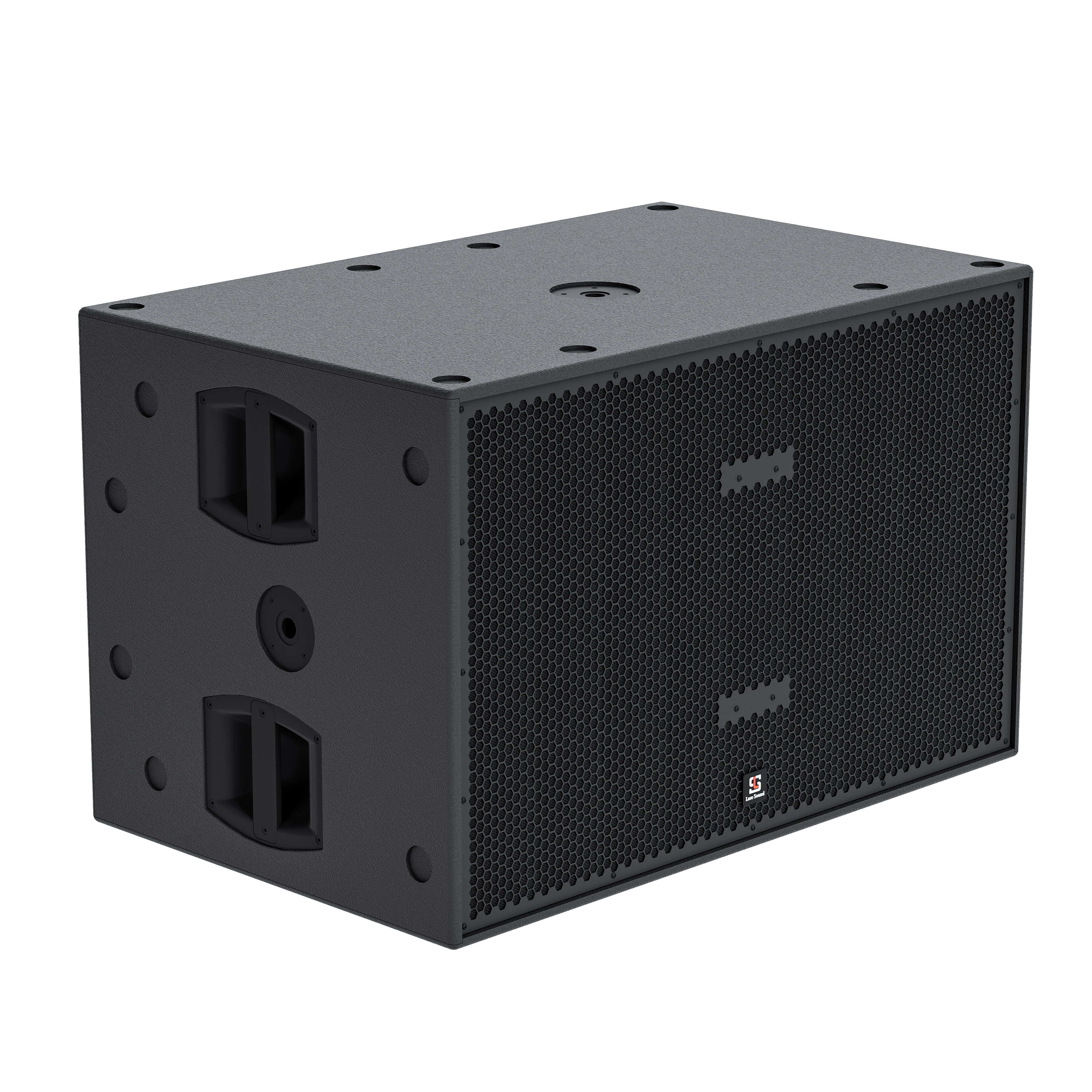
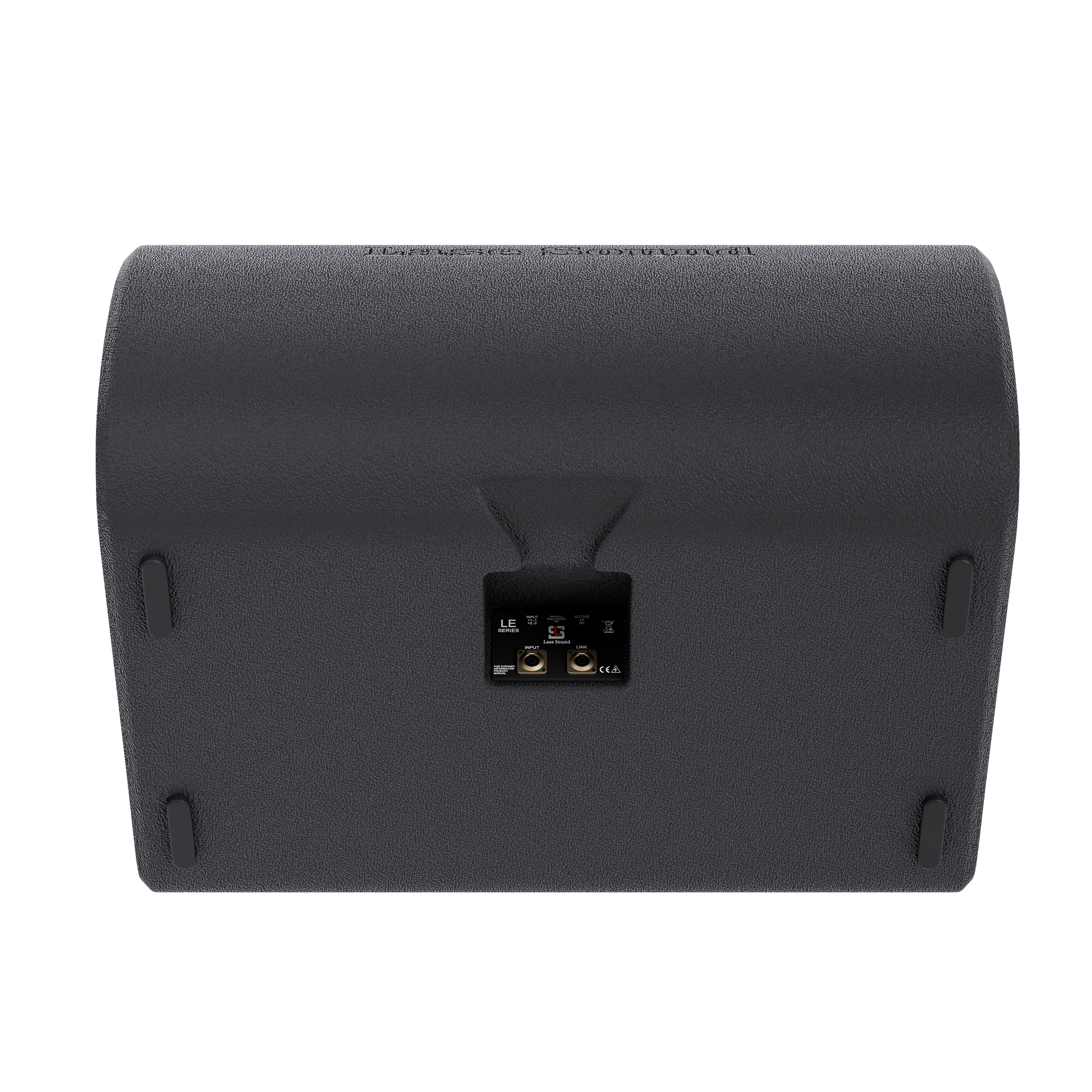
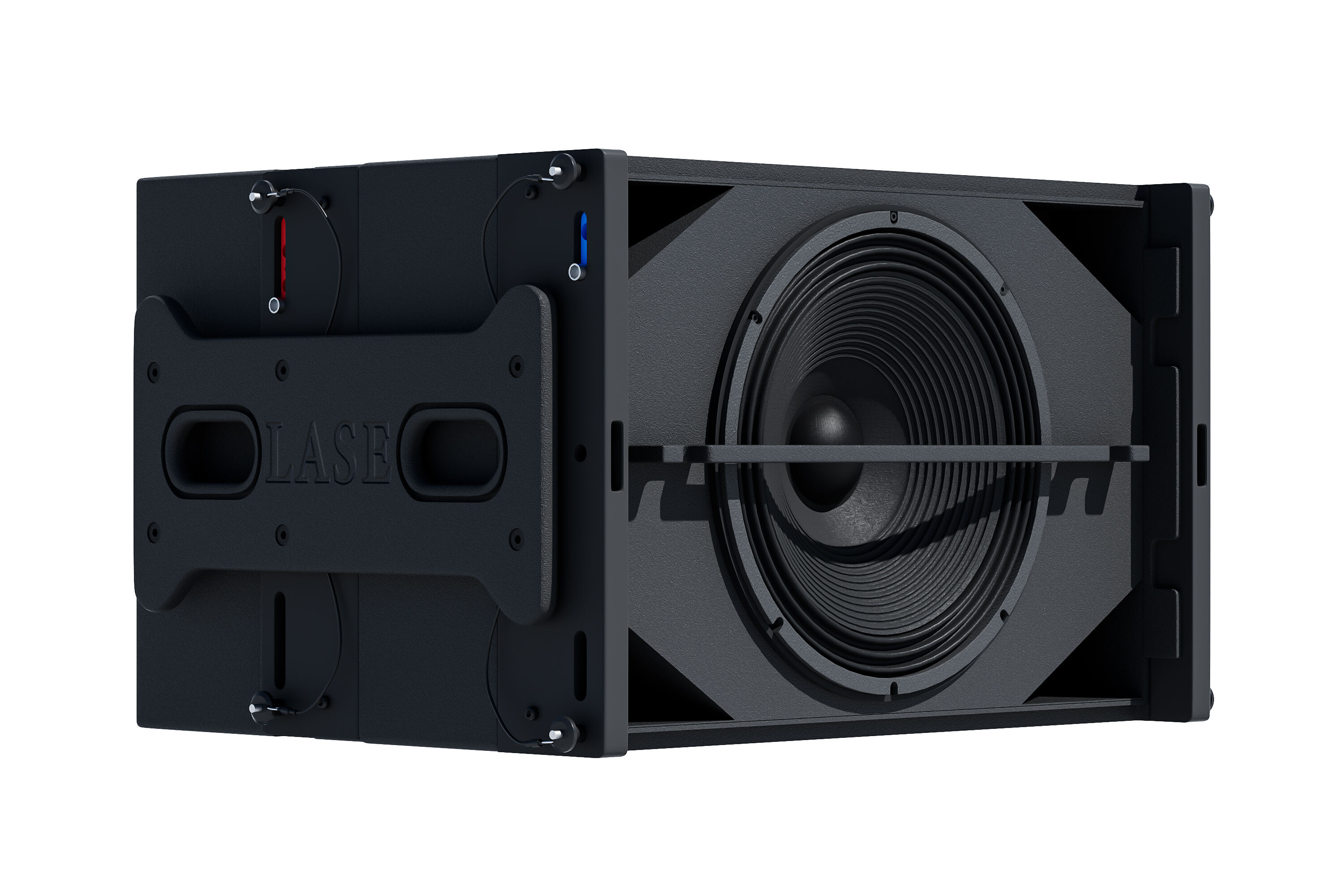
Conference Hall Sound System: 87% Less Feedback, ±2.7dB Uniformity

All Categories

Conference Hall Sound System Solutions for Large Venues, Integrators, and Commercial Projects

A professional Conference Hall Sound System is a mission-critical infrastructure component for corporate convention centers, government auditoriums, hotel ballrooms, educational lecture halls, and integrated smart buildings. From a B2B supplier perspective, a Conference Hall Sound System must deliver consistent speech intelligibility, uniform coverage, high sound pressure levels, and long-term operational stability while meeting international safety and energy efficiency standards. Modern Conference Hall Sound System architecture integrates DSP processing, IP networking, zoning control, emergency evacuation compliance, and scalable deployment options. For system integrators, contractors, and facility operators, selecting the right Conference Hall Sound System reduces maintenance costs, improves audience engagement, and ensures regulatory compliance.
Get A Quote

Conference Hall Sound System

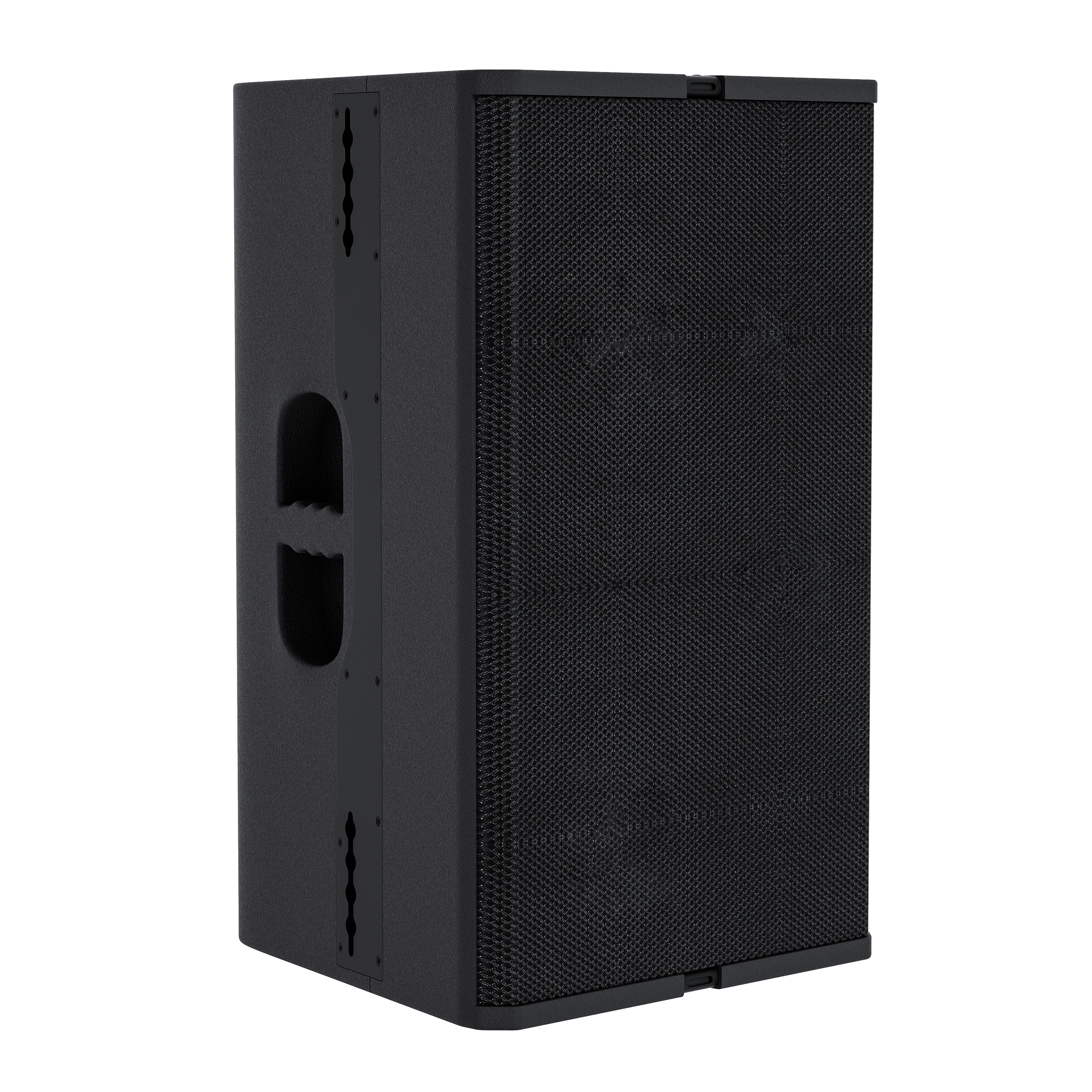
A Conference Hall Sound System is not merely an audio product but a long-term operational asset that influences audience satisfaction, facility safety, and maintenance efficiency. In commercial installations exceeding 500 seats, industry benchmarks require Speech Transmission Index STI ≥0.6 and uniform SPL deviation below ±3 dB across seating zones. A properly engineered Conference Hall Sound System achieves these metrics through horn-controlled dispersion, calibrated DSP equalization, and network-managed power distribution. Compliance with IEC 60268 acoustic standards, EN54 emergency broadcast certification, and ENERGY STAR efficiency ratings ensures regulatory acceptance and lower lifecycle costs. For integrators, a modular Conference Hall Sound System reduces commissioning time by up to 35% compared with custom analog deployments, while remote monitoring decreases unplanned downtime by more than 40%.

High Speech Intelligibility with Certified Acoustic Accuracy

Each Conference Hall Sound System is factory-calibrated to achieve STI ≥0.65 in controlled environments and ≥0.6 in reflective halls exceeding RT60 of 1.8 seconds. Independent lab testing based on IEC 60268 confirms flat mid-frequency response within ±2 dB between 500 Hz and 4 kHz, ensuring consistent vocal clarity for keynote presentations, panel discussions, and live interpretation systems.

Scalable Zoning Architecture for Large Facilities

A modular Conference Hall Sound System supports up to 256 zones using Dante and AES67 networking, enabling centralized control of multiple halls, breakout rooms, and lobbies. Field deployments demonstrate signal latency below 5 ms and synchronization accuracy within ±1 sample, meeting broadcast-grade requirements and simplifying AV integration in enterprise campuses.

Energy-Efficient Operation with Long-Term Cost Reduction

High-efficiency Class-D amplification achieves ≥92% power conversion efficiency, reducing annual energy consumption by up to 28% compared with legacy Class-AB amplifiers. ENERGY STAR compliance and low standby consumption below 0.5 W per channel significantly lower operational expenses in always-on Conference Hall Sound System installations.

Related Products

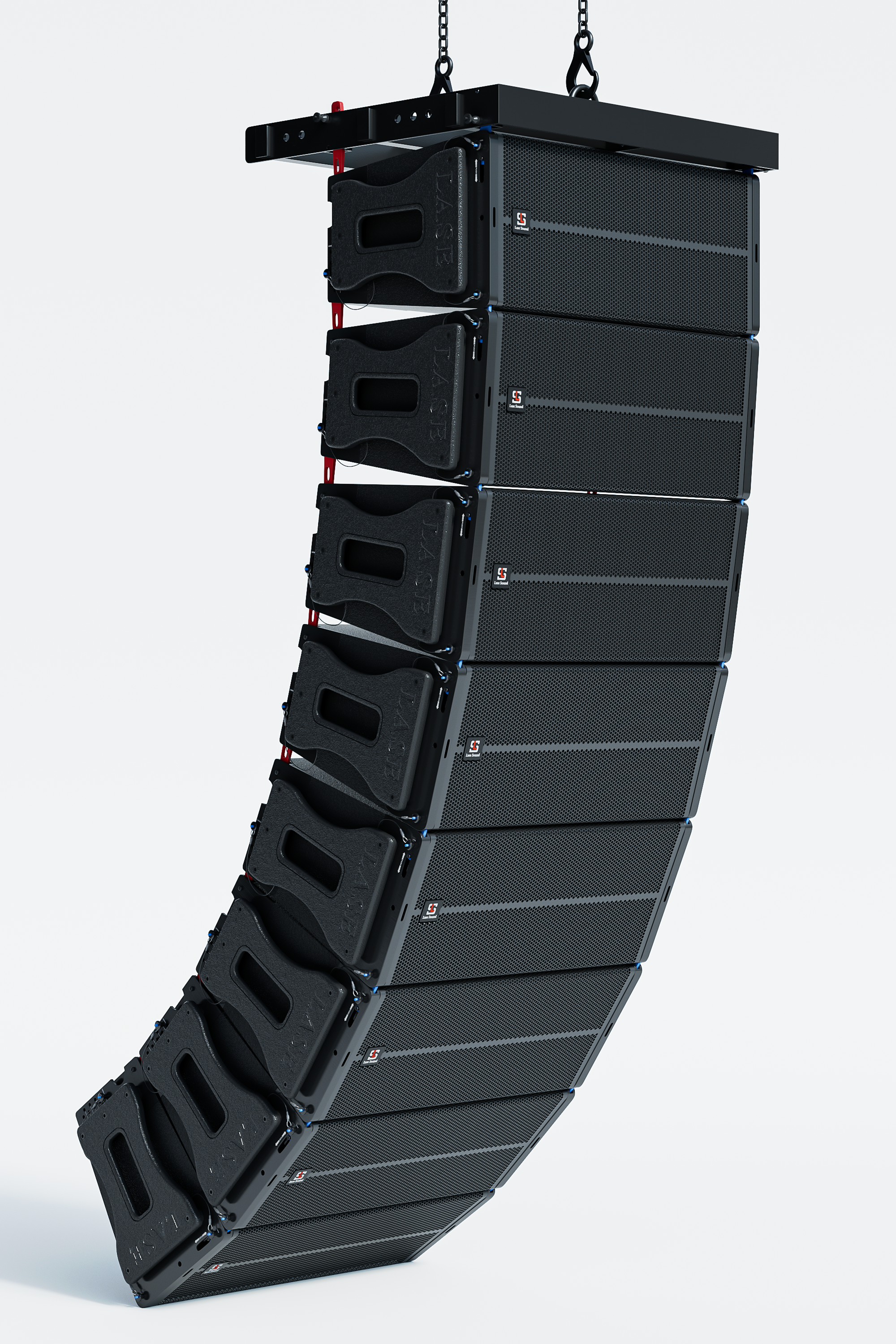
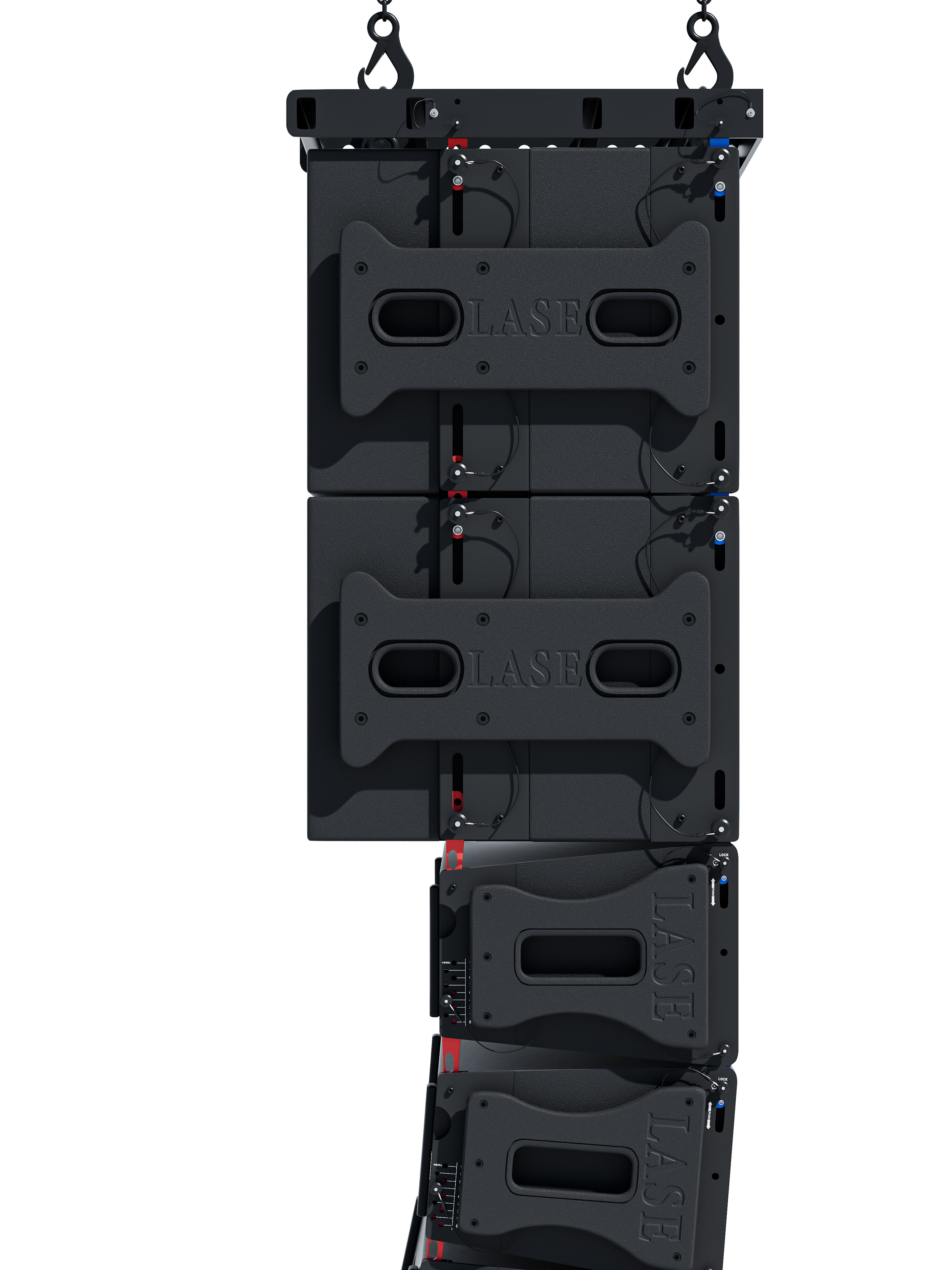
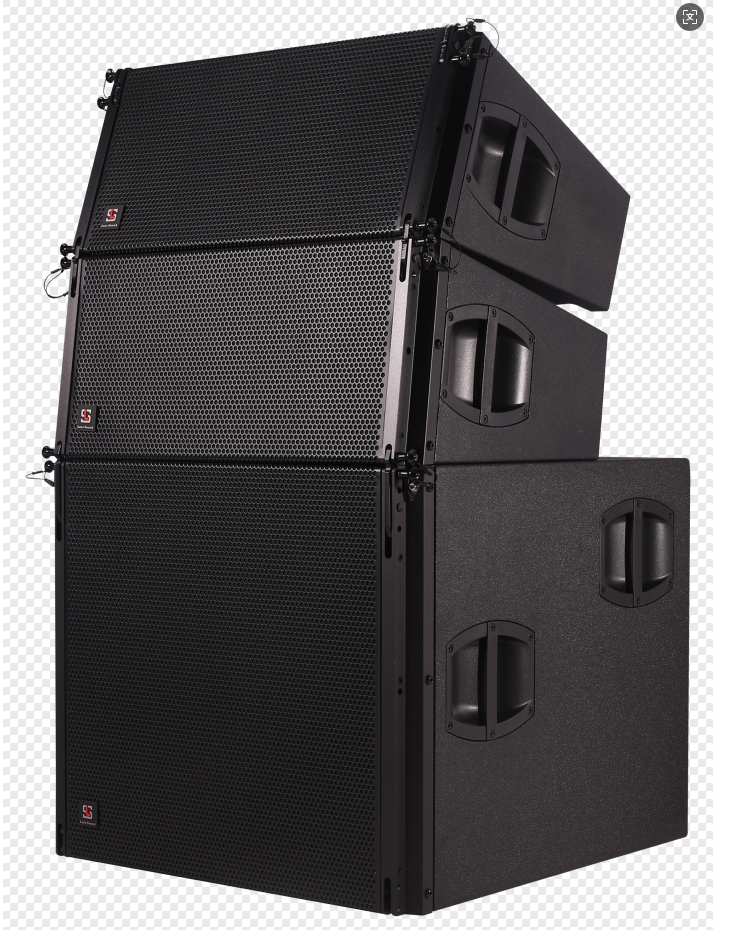
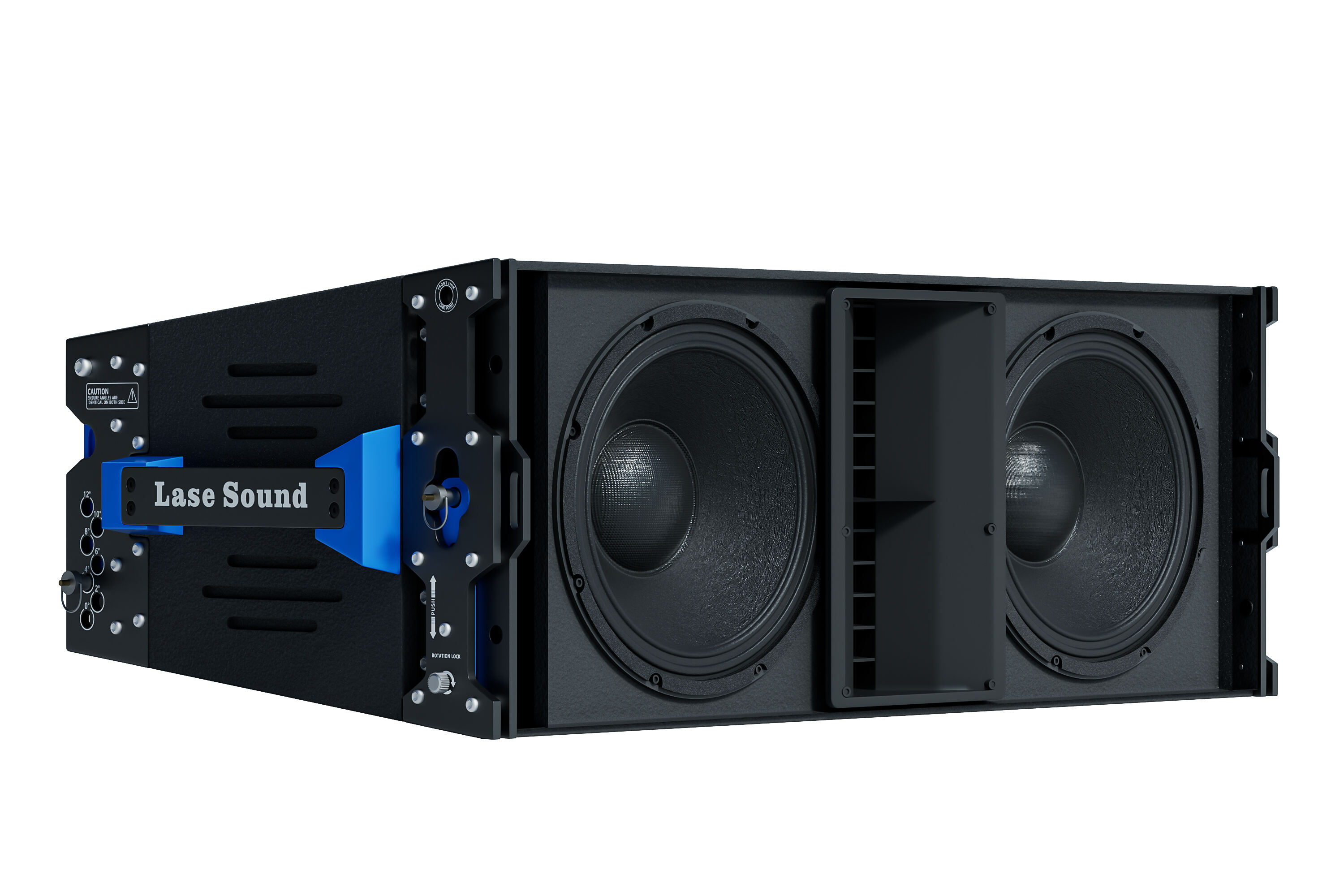
During a 1,200-seat convention center deployment, the Conference Hall Sound System was evaluated over 90 consecutive operational days. Installation included ceiling line arrays, distributed delay speakers, redundant DSP processors, and IP-based monitoring. Average measured SPL uniformity remained within ±2.7 dB across all seating zones. Feedback suppression algorithms reduced microphone ringing incidents by 87% compared with the previous analog system. Operators reported simplified daily operation using tablet-based zone control and automated scheduling. Thermal monitoring logs showed amplifier temperatures remaining below 55°C under continuous 70% load, confirming long-term stability. Overall, the Conference Hall Sound System demonstrated predictable acoustic performance, low maintenance burden, and high operational reliability.

Lase Sound is a global professional audio technology manufacturer dedicated to designing, engineering, and delivering enterprise-grade acoustic systems for commercial infrastructure, large venues, and intelligent buildings. With more than 18 years of continuous R&D investment, Lase Sound has developed a vertically integrated manufacturing ecosystem covering acoustic simulation, transducer engineering, DSP algorithm development, cabinet fabrication, and automated testing.

Our production facilities exceed 28,000 square meters and operate under ISO 9001 quality management and ISO 14001 environmental management systems. Each loudspeaker driver undergoes over 120 performance checkpoints including impedance consistency, thermal endurance, and frequency deviation validation. Power amplifiers are subjected to 48-hour burn-in testing at elevated temperature and load conditions to guarantee long-term stability in continuous operation environments such as conference centers, transportation hubs, and government facilities.

Lase Sound maintains a dedicated acoustic laboratory equipped with Klippel measurement platforms, anechoic chambers, and real-time DSP profiling tools. This infrastructure allows precise tuning of every Conference Hall Sound System to achieve predictable dispersion patterns, phase alignment accuracy below ±5 degrees, and harmonic distortion levels under 0.05% at rated output. Our engineering team collaborates with international consultants to ensure compliance with IEC 60268, EN54 emergency broadcast standards, RoHS material directives, and CE safety certification.

Beyond manufacturing, Lase Sound delivers full-cycle solution support including acoustic modeling, system design documentation, BIM integration, on-site commissioning, and remote diagnostics. Our digital platform enables integrators to remotely monitor amplifier load status, temperature, network latency, and fault alerts, reducing maintenance response time by an average of 42%. Spare parts availability is guaranteed for a minimum of 10 years per product generation, supporting long asset lifecycles in public infrastructure projects.

Customer satisfaction metrics indicate a 96.3% on-time delivery rate and less than 0.8% annual RMA ratio across deployed Conference Hall Sound System installations globally. Strategic logistics hubs in Asia, Europe, and North America ensure predictable lead times for large-volume B2B procurement contracts. Lase Sound continues to invest more than 8% of annual revenue into product innovation, focusing on AI-assisted acoustic optimization, cloud-based system management, and ultra-efficient amplifier topology.

By combining manufacturing scale, engineering depth, and long-term service commitment, Lase Sound positions itself as a trusted enterprise supplier for Conference Hall Sound System projects worldwide.

FAQ

How do I size a Conference Hall Sound System for a 1,000+ seat venue?

A Conference Hall Sound System should be designed using acoustic modeling software considering RT60, seating geometry, ambient noise, and target STI. Typically, line array or column speakers with controlled dispersion are required. SPL headroom of at least +10 dB above average speech level is recommended. Networked zoning simplifies scalability.
Yes. Professional Conference Hall Sound System platforms support EN54 or UL evacuation interfaces, priority routing, redundant power supplies, and automatic override logic to ensure compliance with fire safety regulations.
A modern Conference Hall Sound System requires minimal physical maintenance. Remote diagnostics, firmware updates, and predictive monitoring significantly reduce downtime. Typical preventive inspection cycles are once every 12 months.

More Posts

Subwoofer Array Design Strategies for Extended Low-Frequency Impact

15

Jul

Subwoofer Array Design Strategies for Extended Low-Frequency Impact

Explore the fundamentals of subwoofer array radiation patterns in this comprehensive article. Learn about cardioid arrays, configuration variables, and delay strategies to optimize sound control and energy dispersion at low frequencies.
View More
How to Choose Professional Audio Equipment for High-Demand Commercial Installations

24

Nov

How to Choose Professional Audio Equipment for High-Demand Commercial Installations

Discover how to select professional audio equipment for high-demand commercial installations, focusing on sound quality, performance, and reliability.
View More
How to Select the Right Professional Sound Speaker for Your Application

05

Dec

How to Select the Right Professional Sound Speaker for Your Application

Discover how to choose the right professional sound speaker for your venue. Guangzhou LASE SOUND Co.,ltd. offers OEM, custom, and high-quality solutions for optimal audio performance.
View More
Engineered for the Elements: A Guide to Outdoor Line Array Speakers

15

Jan

Engineered for the Elements: A Guide to Outdoor Line Array Speakers

Struggling with outdoor audio failures? Discover how IP-rated, corrosion-resistant line arrays deliver reliable coverage & ROI. Get your free acoustic analysis today.
View More

Customer Reviews

Michael Turner, AV Systems Director

The Conference Hall Sound System from Lase Sound delivered consistent clarity across our 1,500-seat auditorium. Measured STI exceeded 0.65. Integration with our Dante network was seamless, and long-term reliability has been excellent.

Sophia Ramirez, Facility Operations Manager

We reduced annual maintenance costs by nearly 30% after upgrading our legacy system to the Conference Hall Sound System platform. Remote monitoring eliminated manual inspections and improved uptime.

Daniel Fischer, System Integrator

Deployment time decreased by 40% due to modular architecture. The Conference Hall Sound System allowed precise zoning control and easy future expansion without rewiring.

Get a Free Quote

Our representative will contact you soon.
Email
Name
Company Name
Message
0/1000
Conference Hall Sound System: 87% Less Feedback, ±2.7dB Uniformity Conference Hall Sound System: 87% Less Feedback, ±2.7dB Uniformity