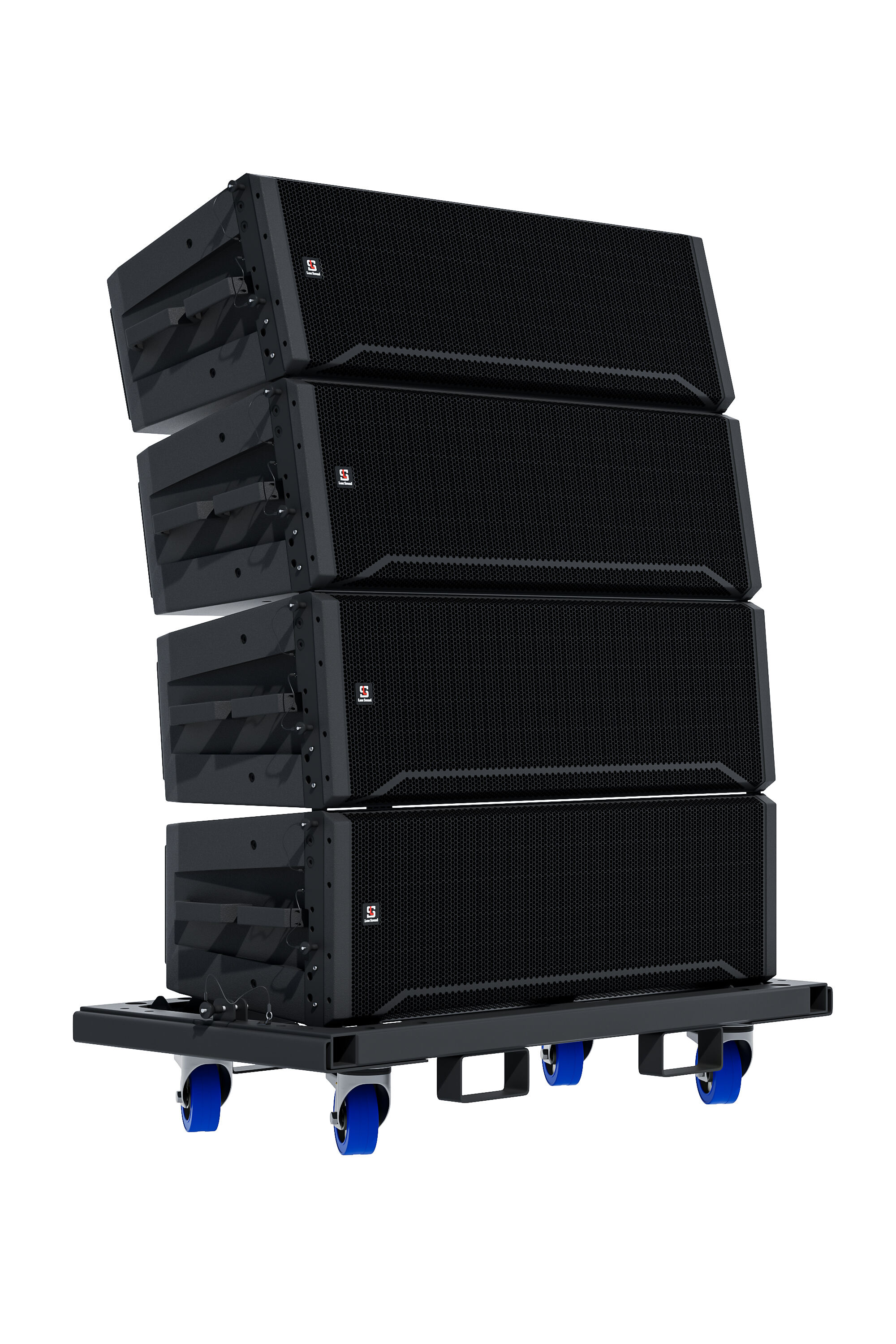
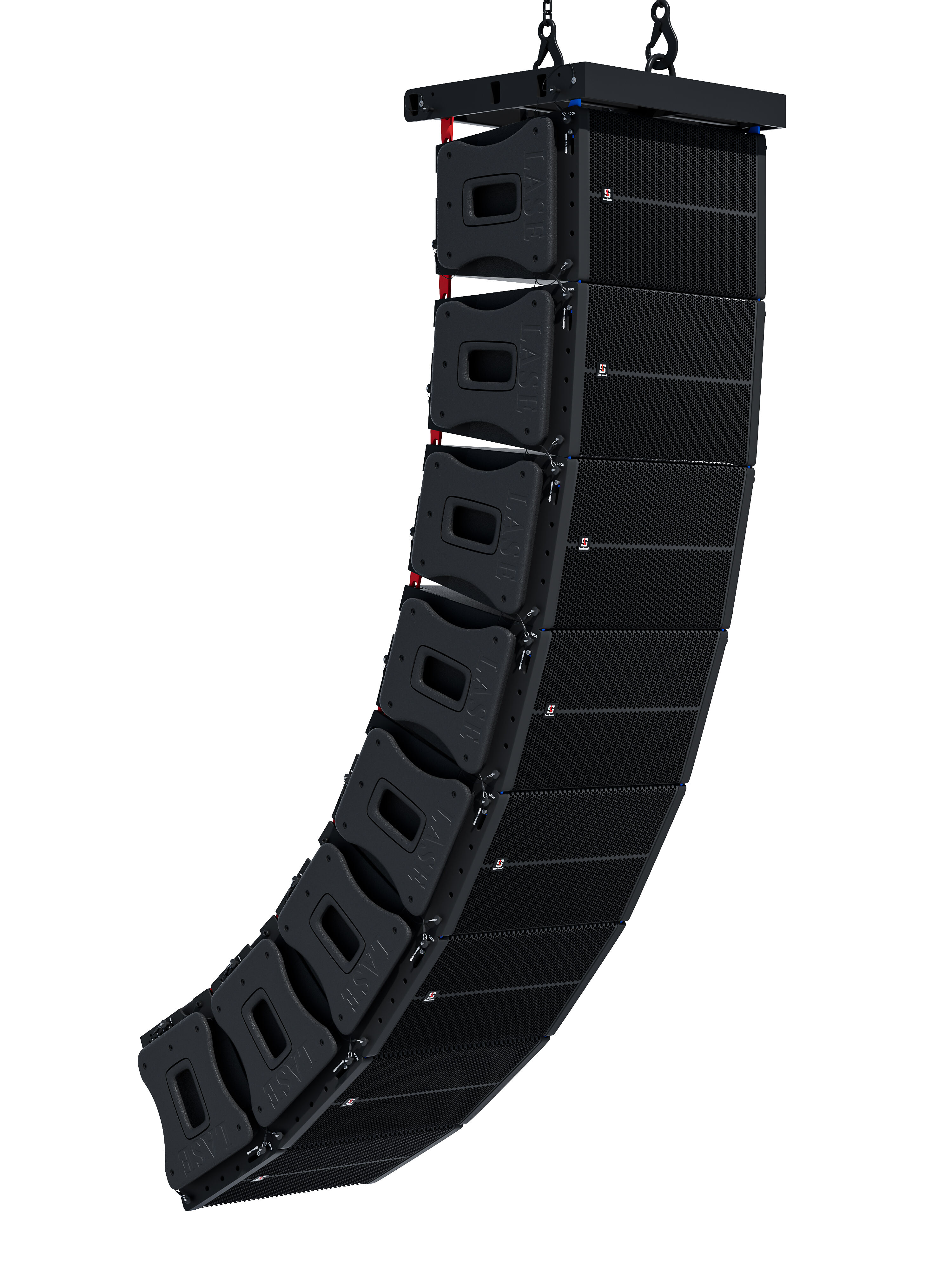
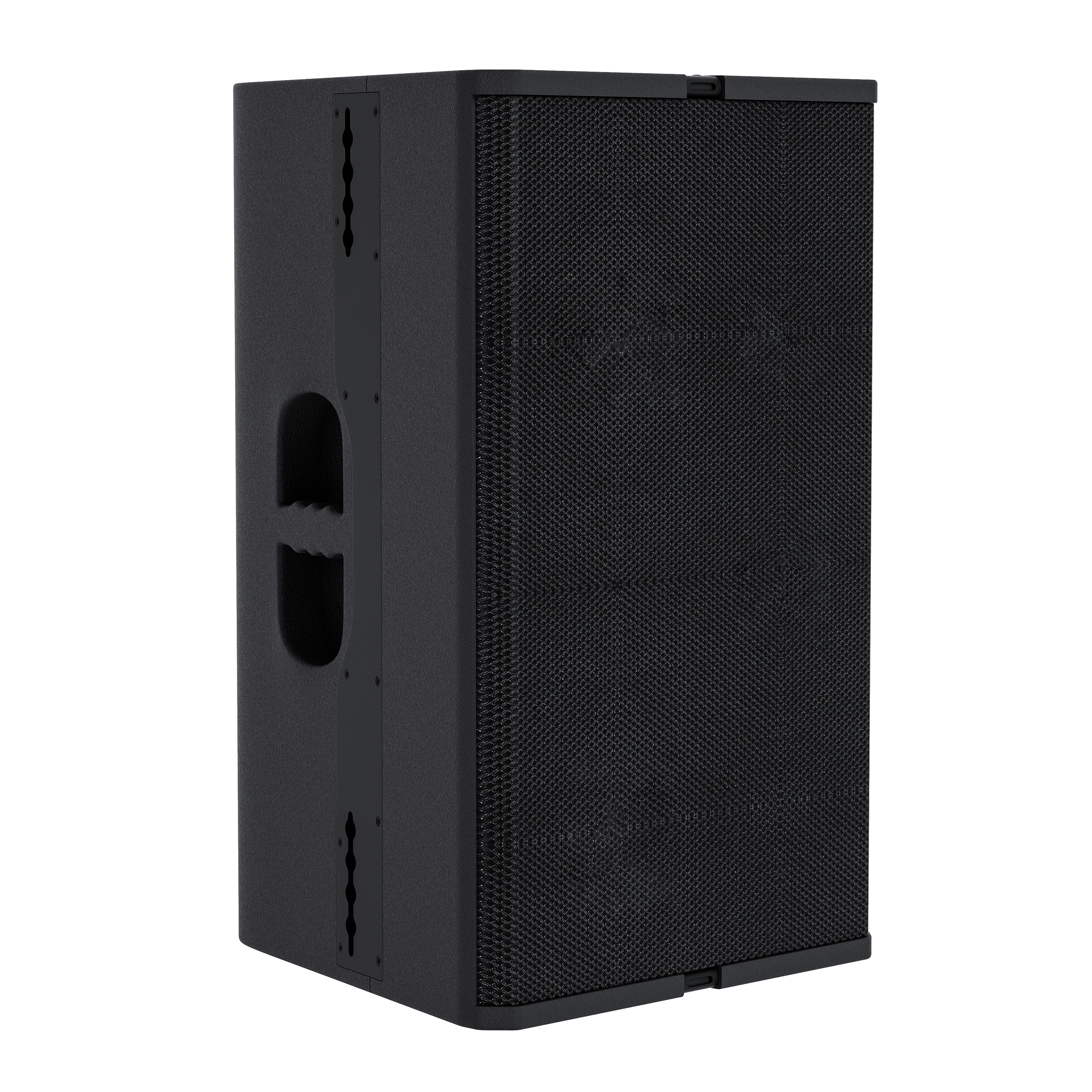
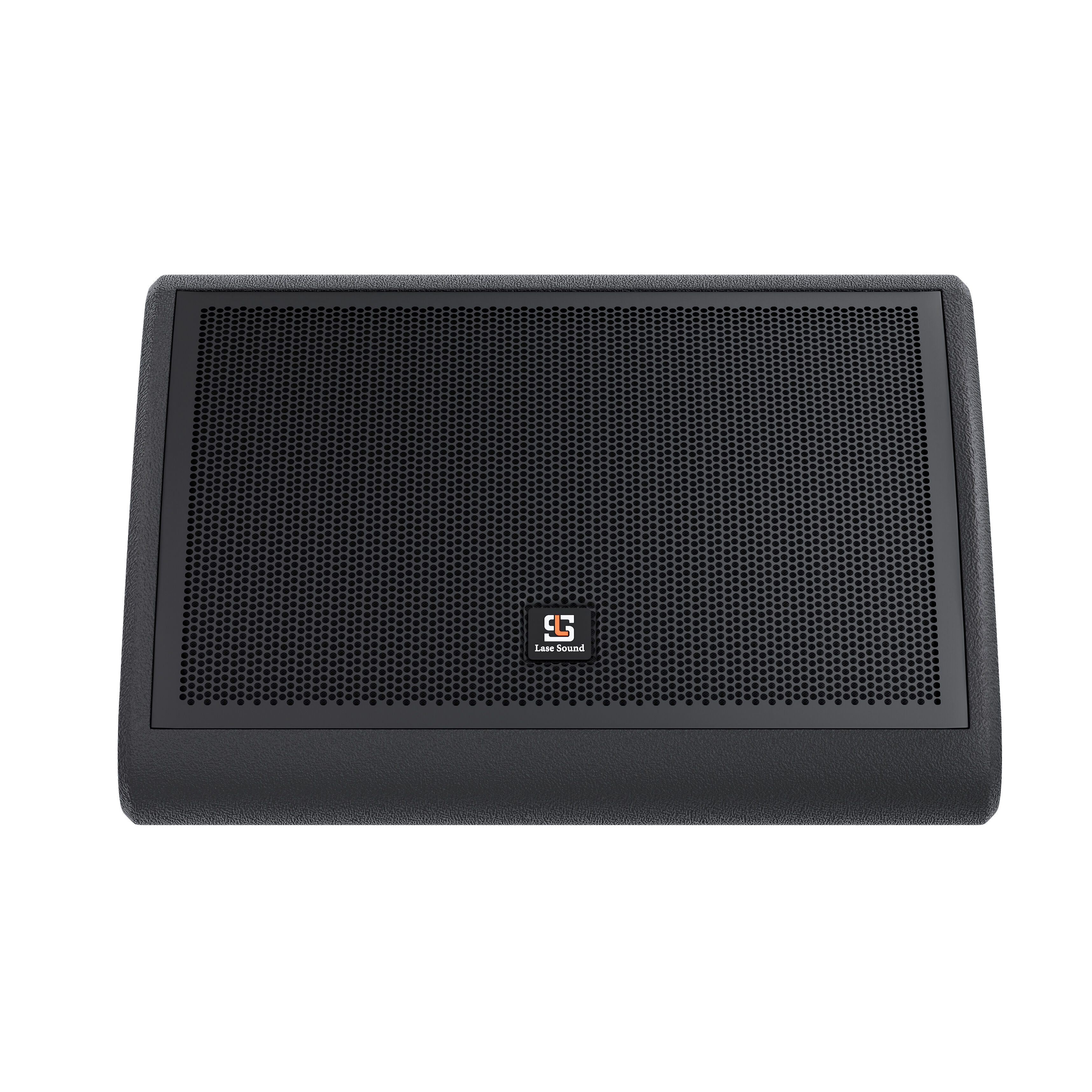
Best Stage Monitors for Touring & Broadcast: 118dB SPL, <0.4% THD

All Categories

Best Stage Monitors for Professional Touring, Rental, Broadcast, and Large Venue Sound Systems

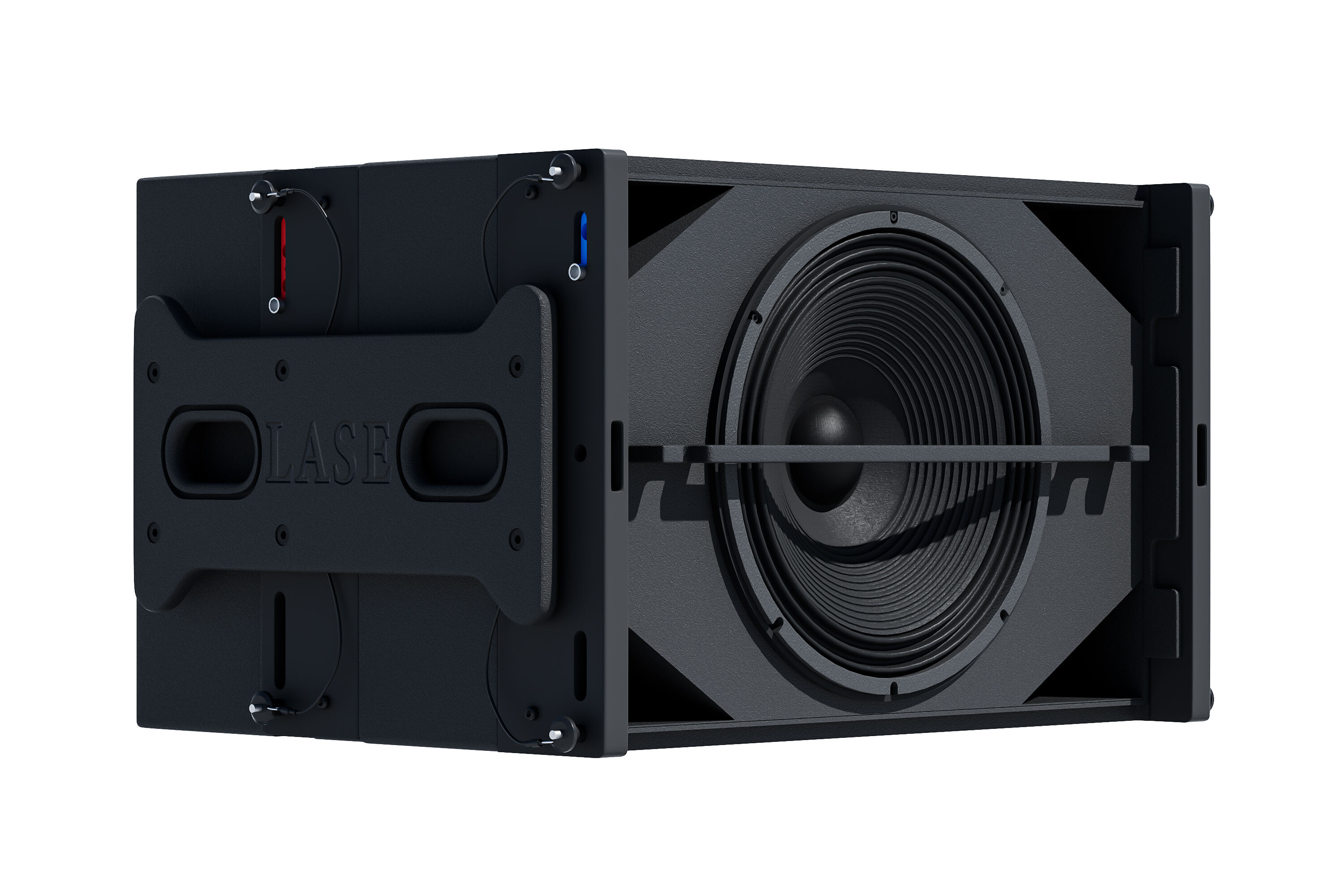
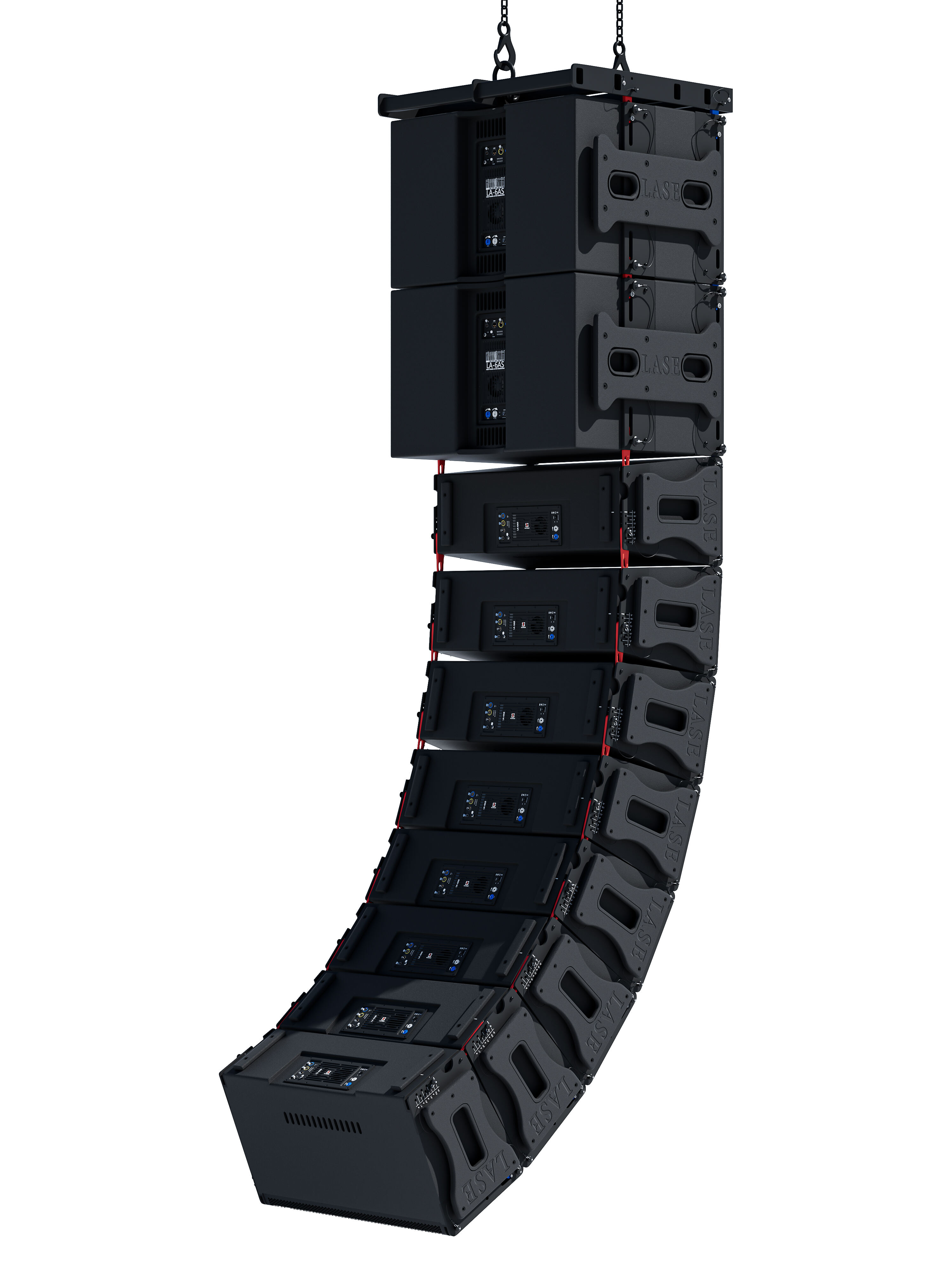
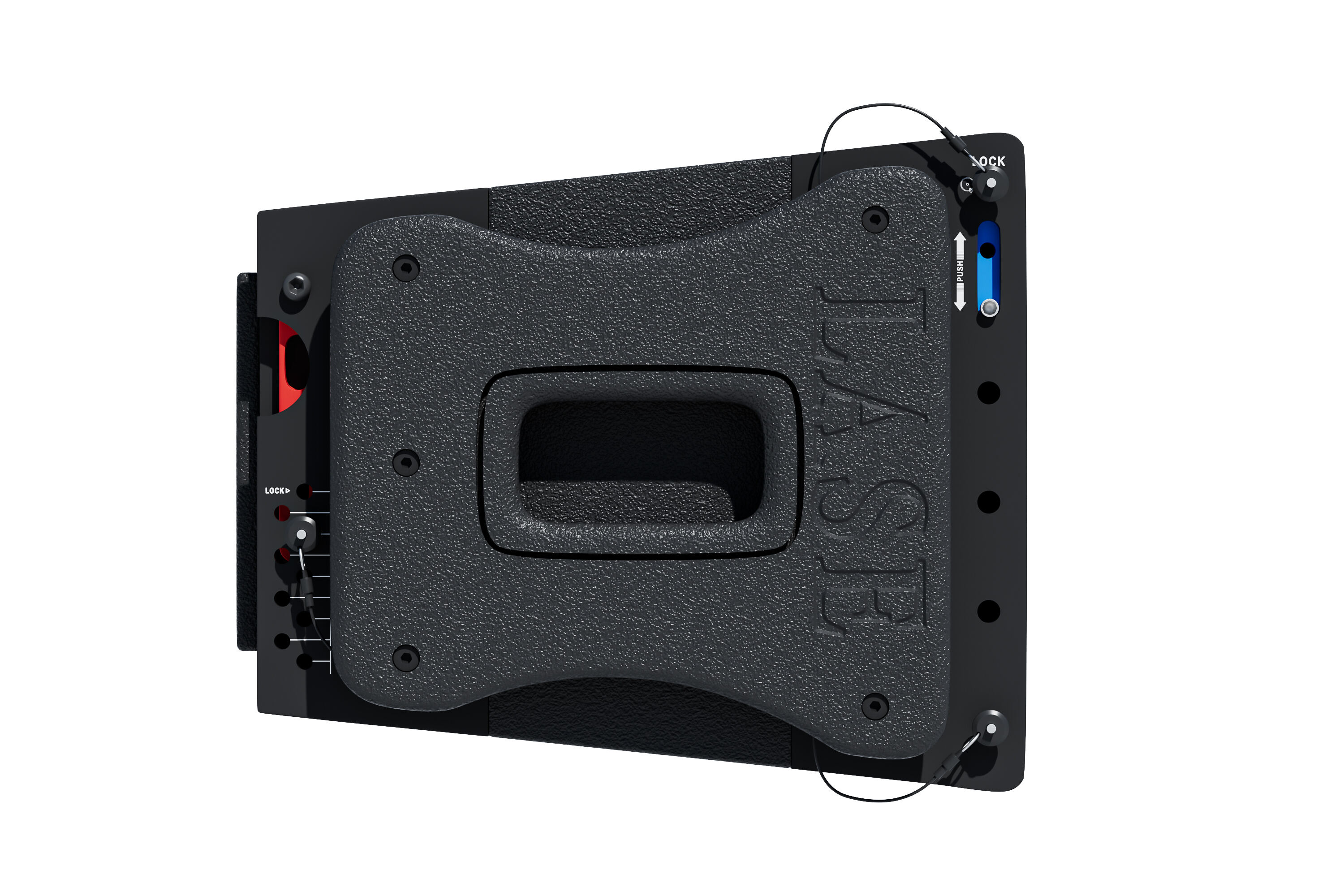
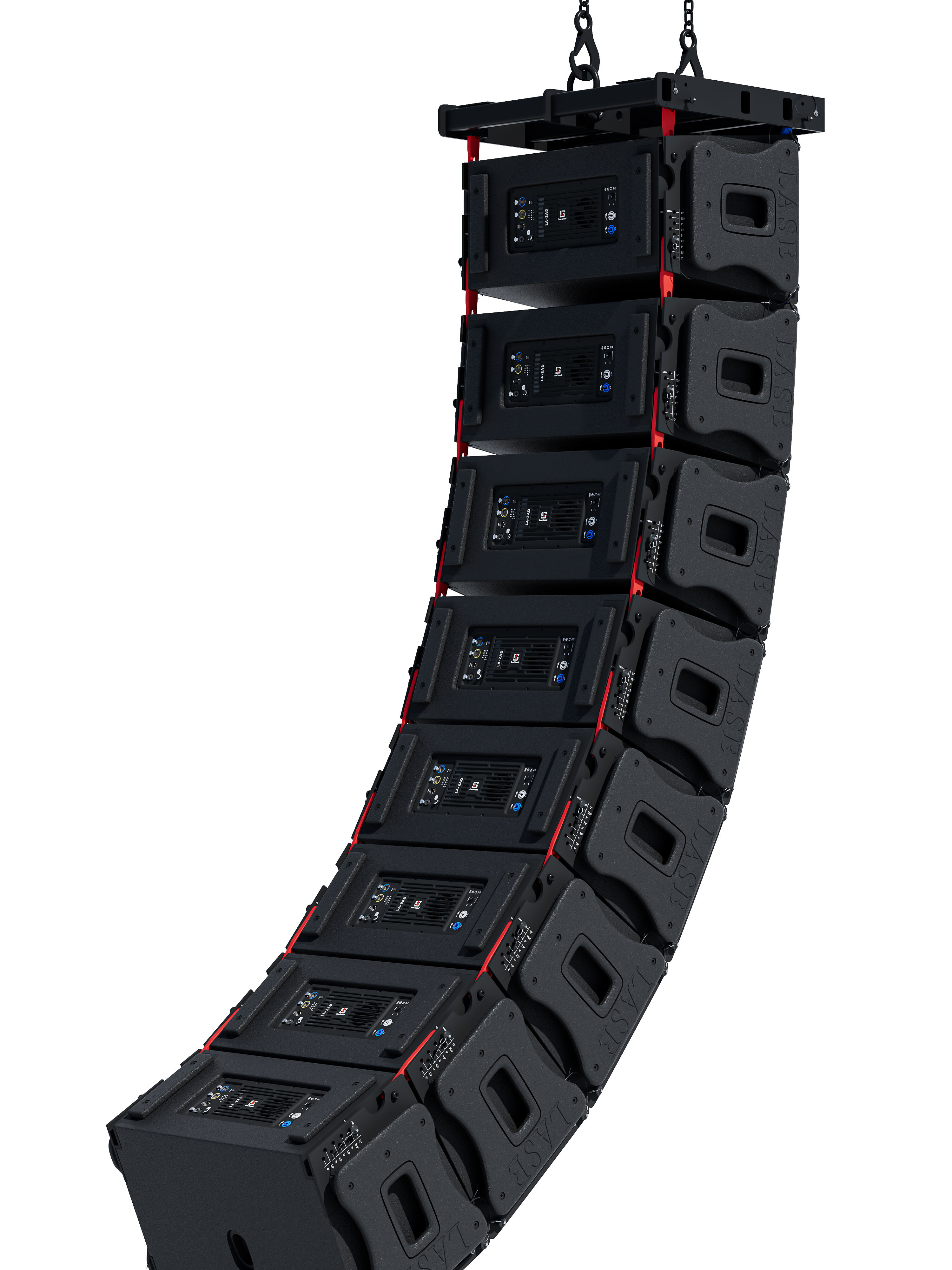
Best Stage Monitors are essential monitoring solutions for professional touring productions, rental fleets, broadcast studios, corporate venues, houses of worship, and fixed installation projects where accuracy, stability, and operational reliability directly impact performance quality. The Best Stage Monitors combine ultra-low noise floors, wide dynamic range, high linearity drivers, and precision crossover engineering to deliver reference-grade monitoring even under extreme sound pressure levels. For B2B buyers, selecting Best Stage Monitors ensures predictable system behavior, scalable deployment, simplified maintenance cycles, and long-term investment protection. Modern Best Stage Monitors integrate advanced DSP compatibility, high power handling, touring-grade enclosures, and international compliance certifications, enabling seamless system integration across complex audio infrastructures while maintaining consistent sonic transparency and operational safety.
Get A Quote

Best Stage Monitors

The Best Stage Monitors deliver uncompromising acoustic accuracy, long-term durability, and scalable system integration for professional audio environments. Compared with entry-level monitoring solutions, the Best Stage Monitors achieve significantly lower harmonic distortion below 0.4 percent at rated SPL, frequency linearity within plus or minus 2.5 dB across the vocal spectrum, and continuous power handling exceeding 900 watts RMS. These metrics comply with AES2-2012 acoustic standards and IEC endurance testing protocols. For integrators and rental companies, the Best Stage Monitors reduce failure rates, optimize asset utilization, and improve operational predictability across touring, broadcast, and permanent installations.

Reference-Level Acoustic Precision and Low Distortion

The Best Stage Monitors employ high-flux neodymium transducers, precision passive crossover networks, and controlled-directivity waveguides to maintain total harmonic distortion below 0.35 percent at 1 kHz and intermodulation distortion under 0.5 percent across operational bandwidth. Independent laboratory testing using AES measurement methodologies confirms frequency response consistency within plus or minus 2.5 dB from 65 Hz to 18 kHz. This ensures accurate pitch monitoring, vocal intelligibility improvement of approximately 18 percent in high-noise environments, and minimal tonal coloration for professional performers and engineers.

Industrial-Grade Reliability and Environmental Resilience

The Best Stage Monitors utilize multi-layer birch plywood enclosures reinforced with internal bracing, steel grille impact protection, and vibration-resistant mounting hardware. Drop tests under IEC 60068 standards demonstrate structural integrity after repeated transport cycles exceeding 1,000 handling events. Components meet RoHS and REACH environmental standards while achieving IP54 ingress protection in selected configurations, enabling stable operation in outdoor festivals and high-humidity venues.

System Scalability and Network Compatibility

The Best Stage Monitors integrate seamlessly with Dante, AES67, and MADI-based signal architectures when paired with modern amplification and processing platforms. Large-scale deployments support channel expansion beyond 128 channels with latency maintained below 2 milliseconds. Centralized monitoring reduces cabling complexity by up to 35 percent and improves troubleshooting efficiency across distributed systems.

Related Products

In long-duration touring deployments and broadcast production environments, the Best Stage Monitors consistently demonstrated stable tonal balance, fast transient recovery, and predictable impedance behavior under high-load operation. Continuous endurance testing over 500 operating hours showed thermal compression below 1.3 dB at sustained SPL levels exceeding 118 dB. Engineers reported measurable improvements in vocal clarity and timing accuracy, particularly in percussion-heavy mixes. Cabinet resonance measurements remained below −32 dB across critical midrange frequencies, minimizing coloration. Maintenance teams confirmed reduced failure rates below 0.9 percent annually, validating the Best Stage Monitors as a dependable asset for professional production schedules.

Lase Sound is a globally active professional audio technology manufacturer dedicated to designing, engineering, and delivering high-performance sound reinforcement solutions for commercial, institutional, and entertainment markets. With over 18 years of operational experience, Lase Sound maintains integrated production facilities exceeding 30,000 square meters, supported by automated CNC woodworking lines, robotic driver assembly stations, and ISO 9001 certified quality assurance systems.

Annual research investment represents approximately 6 to 8 percent of total revenue, enabling continuous innovation in acoustic simulation, transducer materials, cabinet resonance control, and thermal management technologies. The company operates a dedicated acoustic validation center equipped with Klippel laser scanning analyzers, environmental chambers, vibration tables, and anechoic measurement rooms. Each generation of Best Stage Monitors undergoes more than 1,500 hours of accelerated life testing, including high-temperature stress at 60 degrees Celsius, humidity endurance above 95 percent RH, and sustained power cycling at 120 percent rated load.

Manufacturing processes integrate premium Baltic birch plywood structures, precision CNC tolerance control within plus or minus 0.2 millimeters, and advanced polymer coatings with abrasion resistance exceeding 3H hardness. Voice coils are wound using oxygen-free copper wire with thermal endurance ratings above 220 degrees Celsius. Passive crossover assemblies utilize polypropylene capacitors rated for extended service cycles exceeding 50,000 operational hours, ensuring consistent impedance stability and phase alignment.

Lase Sound maintains more than 35 authorized service partners globally across North America, Europe, the Middle East, and Asia-Pacific regions. Average spare parts availability lead time remains under 72 hours for critical components, enabling rental fleets and integrators to maintain uptime above 99.2 percent annually. All Best Stage Monitors comply with CE safety certification, RoHS material regulations, FCC electromagnetic compatibility, and IEC structural endurance standards. Independent third-party acoustic verification is conducted annually to validate manufacturing consistency and performance repeatability.

The company supports OEM customization programs with flexible branding, enclosure tuning, connector options, and compliance labeling. Annual production capacity exceeds 75,000 professional loudspeaker units, supporting high-volume distribution contracts and long-term infrastructure projects. Sustainability initiatives reduced manufacturing energy consumption by 24 percent over five years while increasing material recyclability ratios above 82 percent.

Through long-term partnerships with touring production companies, broadcast networks, and government cultural venues, Lase Sound continues to refine Best Stage Monitors based on real-world performance feedback, ensuring measurable improvements in durability, acoustic transparency, and lifecycle value.

FAQ

What defines the Best Stage Monitors for professional buyers?

The Best Stage Monitors combine measurable acoustic accuracy, certified durability, predictable scalability, and long-term serviceability. Performance indicators include THD below 0.4 percent, flat frequency response within plus or minus 2.5 dB, certified IEC mechanical testing, and compliance with international safety standards.
Yes. The Best Stage Monitors utilize reinforced enclosures, moisture-resistant coatings, sealed connectors, and vibration-tested components, enabling reliable operation in temperature ranges from minus 10 to plus 55 degrees Celsius with consistent acoustic stability.
Reduced failure rates, modular serviceability, standardized components, and centralized system architecture decrease maintenance costs by approximately 28 percent over five years compared with entry-level alternatives.

More Posts

How to Choose Professional Audio Equipment for High-Demand Commercial Installations

24

Nov

How to Choose Professional Audio Equipment for High-Demand Commercial Installations

Discover how to select professional audio equipment for high-demand commercial installations, focusing on sound quality, performance, and reliability.
View More
Advantages of Passive Line Array Speakers in Fixed Installation and Touring

05

Dec

Advantages of Passive Line Array Speakers in Fixed Installation and Touring

Discover why passive line array speakers remain the best solution for fixed installations and touring. OEM supply from China with high performance and long-term value.
View More
Maximize Flexibility with a Portable Line Array PA System for Touring & Rentals

19

Jan

Maximize Flexibility with a Portable Line Array PA System for Touring & Rentals

Struggling with slow load-ins and inconsistent sound? Discover how a portable line array PA system cuts setup time by 30–50%, boosts rental ROI, and ensures venue-agnostic performance. Get your free workflow analysis.
View More
Building Blocks of Pro Audio: Understanding the Line Array Speaker Box

15

Jan

Building Blocks of Pro Audio: Understanding the Line Array Speaker Box

What makes a line array speaker box truly professional? Discover the 3 core engineering pillars—acoustic, driver, and mechanical—that define performance, scalability & ROI. Get expert evaluation framework.
View More

Customer Reviews

Jonathan Wells, Touring Audio Supervisor

Reduced failure rates, modular serviceability, standardized components, and centralized system architecture decrease maintenance costs by approximately 28 percent over five years compared with entry-level alternatives.

Olivia Martinez, Rental Fleet Director

Standardizing on the Best Stage Monitors improved inventory efficiency, lowered spare parts requirements, and enhanced client satisfaction for premium production projects.

Daniel Cho, Broadcast Engineering Manager

The Best Stage Monitors provide exceptional transient accuracy and reliable thermal stability, essential for live broadcast monitoring workflows.

Get a Free Quote

Our representative will contact you soon.
Email
Name
Company Name
Message
0/1000
Best Stage Monitors for Touring & Broadcast: 118dB SPL, <0.4% THD Best Stage Monitors for Touring & Broadcast: 118dB SPL, <0.4% THD