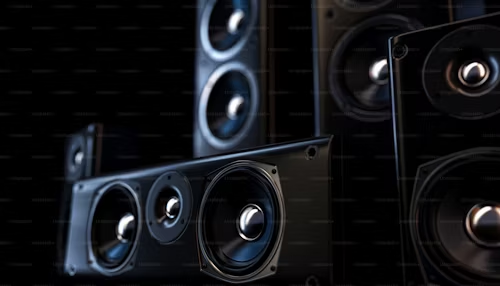
Traditional point-source systems rely on stacking multiple independent cabinets to achieve coverage and output. While functional, this approach introduces phase interaction, uneven SPL distribution, complex aiming requirements, and inconsistent tonal balance across audience zones. Engineers compensate through processing and positioning, often with diminishing returns.
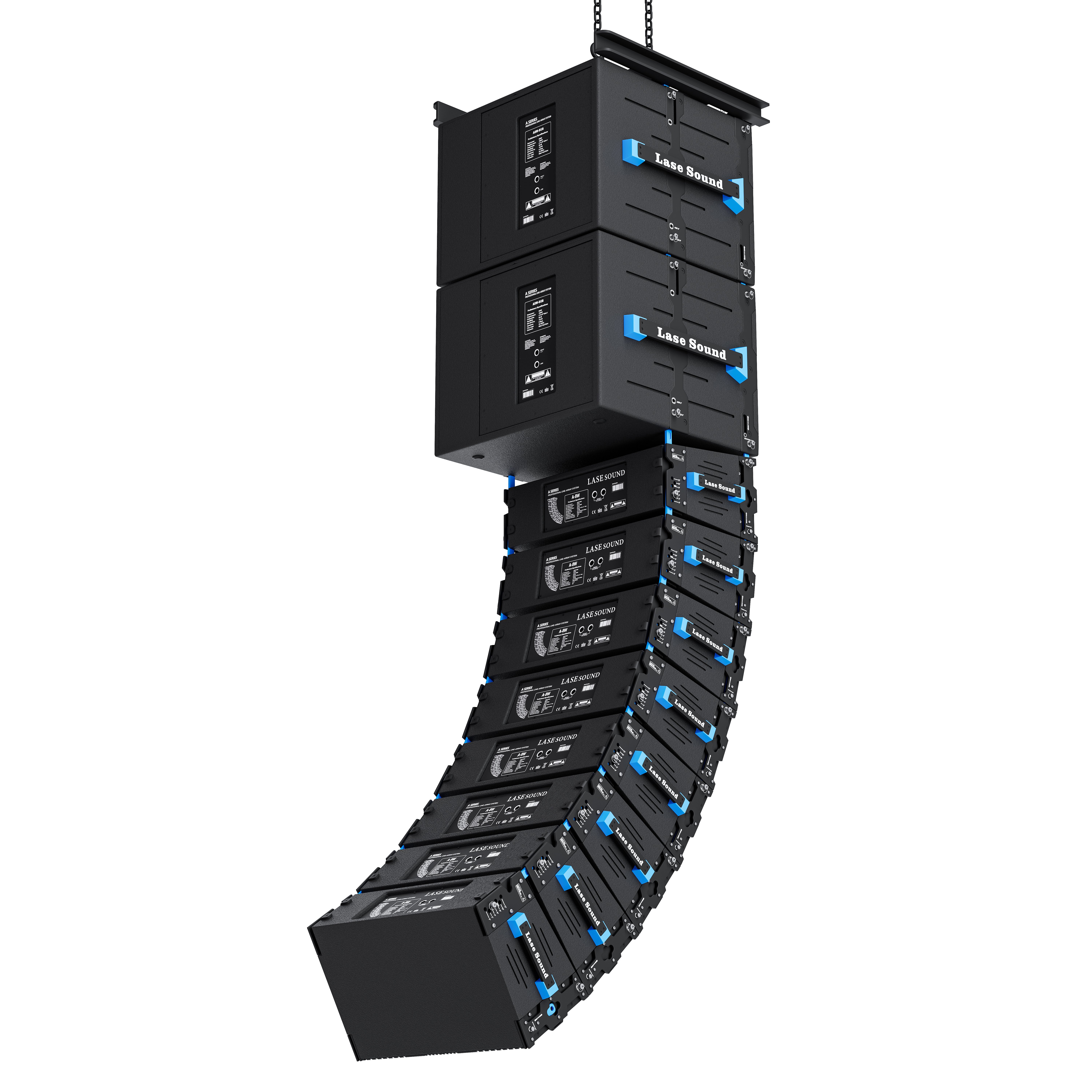
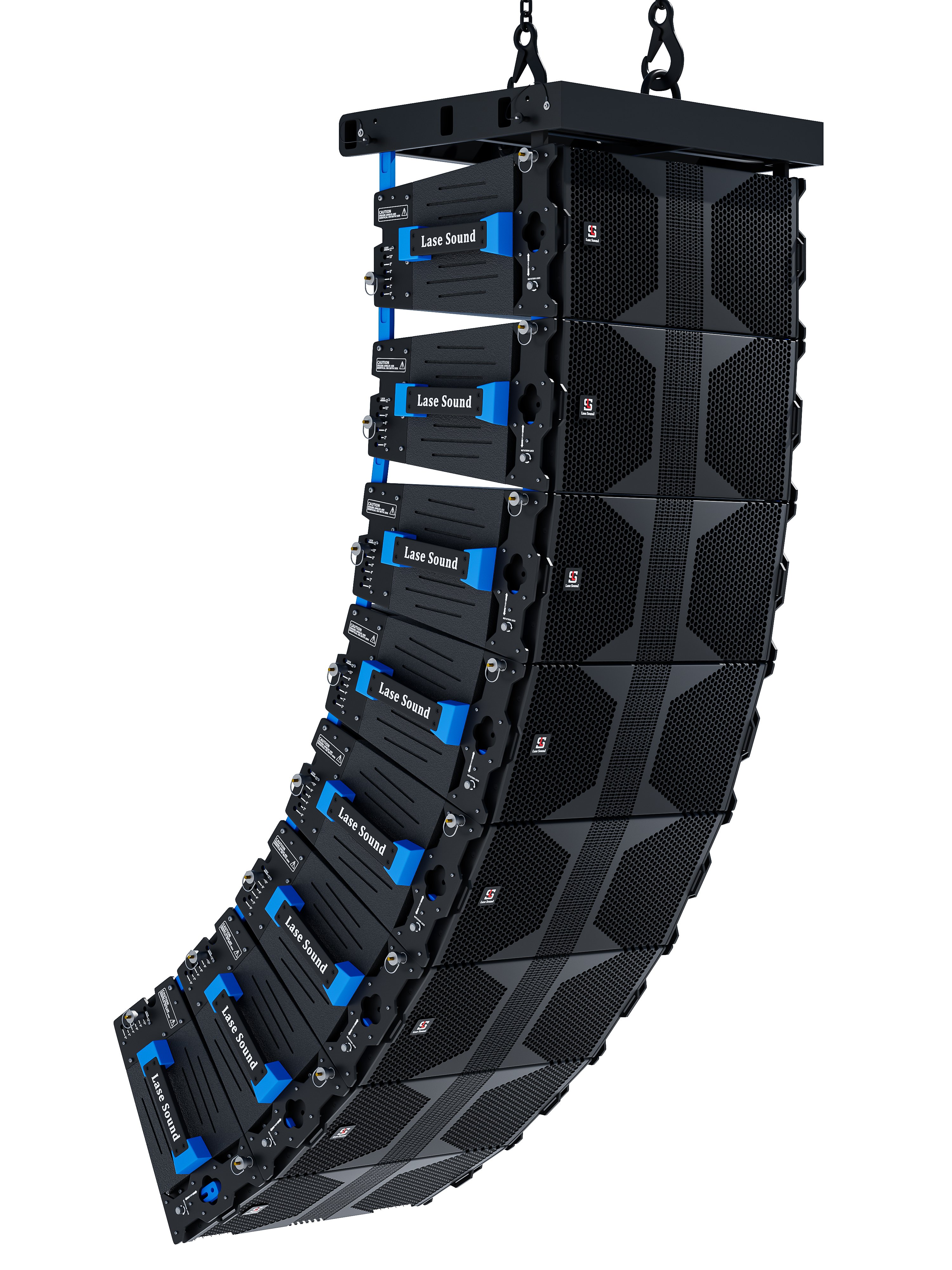
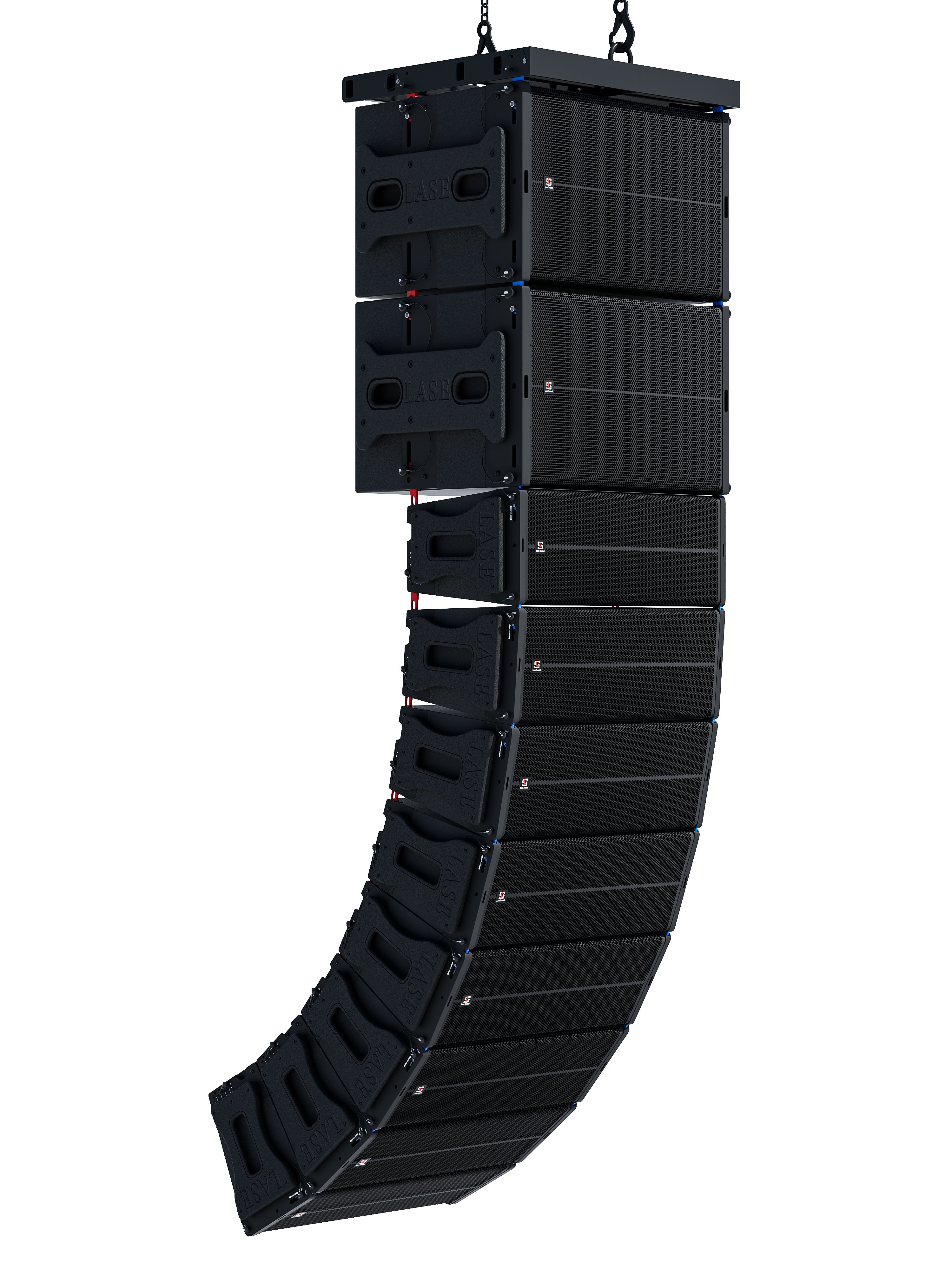
Modern line array architecture replaces this fragmentation with coherence. Each line array speaker box is designed to couple acoustically with adjacent cabinets, forming a predictable vertical wavefront. Instead of managing individual boxes, system designers manage the behavior of the array as a unified acoustic instrument. When multiple line array speaker box modules operate as intended, they deliver controlled directivity, smoother attenuation over distance, and significantly improved coverage uniformity.
From a business perspective, this consistency reduces setup time, minimizes troubleshooting, and improves client confidence. Deploying a standardized fleet of line array speaker box modules allows rental operations to scale rapidly without retraining crews for each project.
At Guangzhou LASE SOUND Co., Ltd., our engineering roadmap focuses on developing scalable line array speaker box platforms that support touring, rental, and fixed installation markets with predictable performance, mechanical reliability, and long lifecycle support.
The defining feature of a line array speaker box is its ability to participate in controlled vertical coupling. Through precise driver spacing, waveguide geometry, and enclosure alignment, adjacent boxes combine into a coherent vertical acoustic aperture. This creates a narrow vertical dispersion pattern and wide horizontal coverage.
The benefits are measurable. Controlled vertical directivity reduces energy wasted toward ceilings and rear walls, improving speech intelligibility and minimizing reverberant buildup. It also slows SPL decay over distance compared to point-source designs, enabling consistent coverage in long-throw venues.
For integrators, the predictability of a line array speaker box enables accurate modeling using acoustic simulation software. Engineers can forecast coverage, SPL distribution, and safety margins before deployment, reducing commissioning risk and optimizing inventory utilization.
Inside every line array speaker box lies a tightly optimized driver ecosystem. High-frequency compression drivers must integrate seamlessly with waveguides to preserve phase coherence between cabinets. Low-frequency transducers require high thermal stability, low distortion motor structures, and controlled excursion to maintain tonal consistency under sustained output.
Crossover topology plays a critical role. Precision phase alignment ensures coherent summation between frequency bands, maintaining clarity at high SPL. Magnet systems and voice coil materials influence sensitivity, thermal compression behavior, and long-term reliability.
A high-quality line array speaker box balances acoustic efficiency with durability. High sensitivity reduces amplifier demand and electrical infrastructure load, while robust mechanical components extend service life across intensive rental cycles.
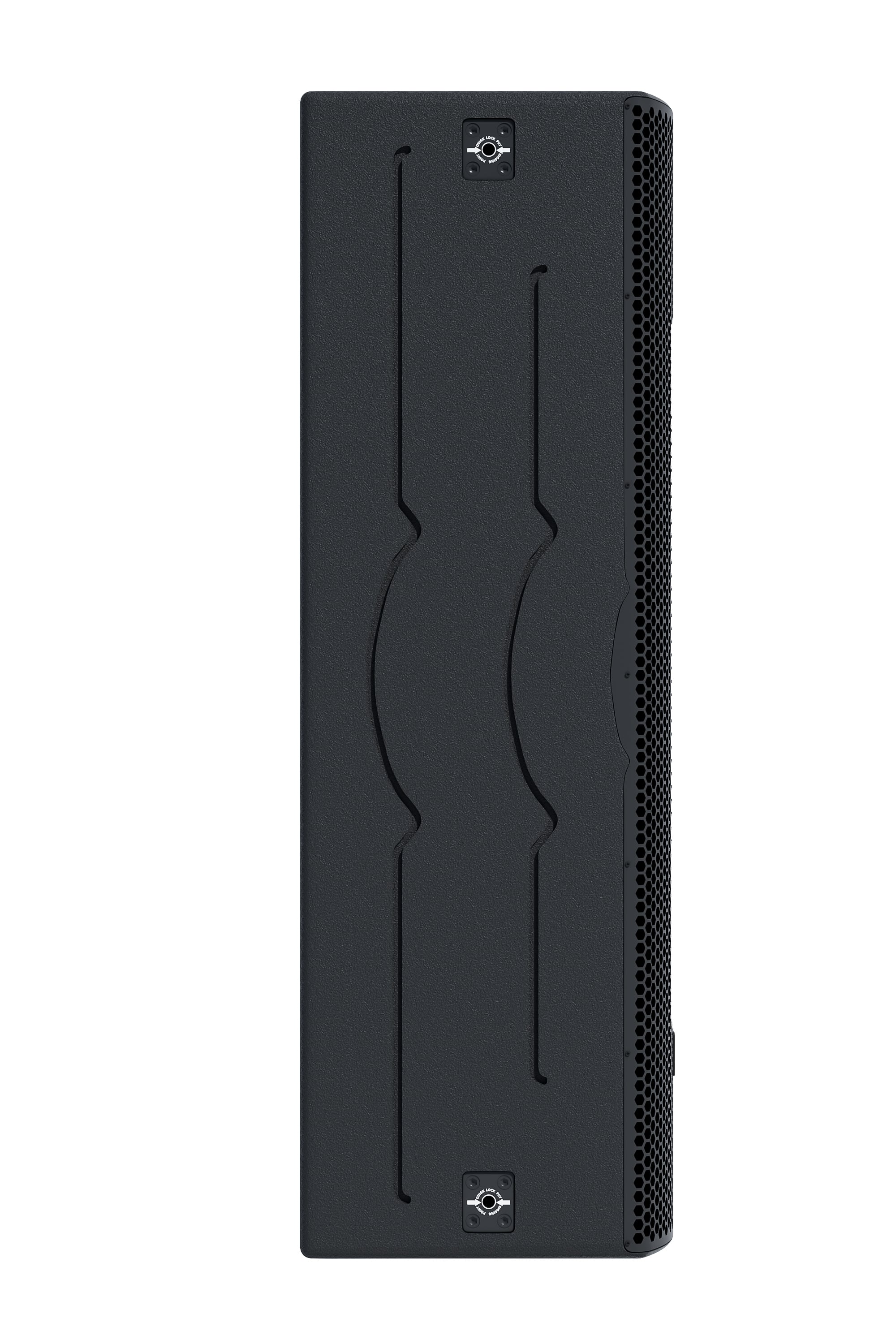
The enclosure of a line array speaker box is not merely structural housing. It is the mechanical backbone of the system. Precision rigging systems must allow fast, repeatable angle adjustment with verified load safety. Integrated multi-pin connectors simplify signal and power distribution while reducing setup errors.
Tour-grade enclosures typically utilize multi-layer birch plywood with reinforced corners and impact-resistant coatings. This ensures dimensional stability under transport stress and environmental exposure.
The physical design of the line array speaker box directly influences deployment speed, crew safety, and long-term asset protection. A poorly engineered box increases labor cost, maintenance frequency, and risk exposure.
Request vertical polar plots, array summation simulations, and distance attenuation curves for the line array speaker box. Confirm that predicted coverage aligns with your typical venue geometries and audience densities.
Evaluate rigging ergonomics, accessory ecosystem completeness, and availability of design software. A professional line array speaker box ecosystem should support turnkey deployment rather than piecemeal integration.
Consider weight per cabinet, transport volume efficiency, maintenance intervals, and spare parts availability. A lighter, durable line array speaker box reduces logistics expense and crew fatigue over multi-year cycles.
Ensure the line array speaker box can scale from small-format deployments to larger touring configurations without acoustic compromise or excessive inventory complexity.
At Guangzhou LASE SOUND Co., Ltd., our product teams collaborate with integrators to validate real-world deployment performance and lifecycle economics of every line array speaker box platform we manufacture.
A properly selected line array speaker box functions as infrastructure rather than inventory. It accelerates deployment, stabilizes acoustic quality, reduces operational friction, and protects capital investment. Over a ten-year lifecycle, these factors translate directly into competitive advantage for rental operators and venue owners.
System scalability enables business growth without disruptive reinvestment. Operational reliability protects brand reputation and client retention. Acoustic predictability enhances creative confidence for engineers and artists alike.
Investing in a proven line array speaker box platform is therefore not merely a procurement decision — it is a strategic infrastructure commitment.
The future of professional audio belongs to modular systems that integrate acoustic intelligence, mechanical reliability, and operational efficiency into a unified platform. The line array speaker box is the fundamental building block of this ecosystem.
By understanding how each line array speaker box contributes to array behavior, system scalability, and lifecycle economics, buyers position their organizations for sustainable growth, consistent quality delivery, and reduced operational risk.
If you are planning to expand or modernize your sound reinforcement capabilities, our engineering and applications team at Guangzhou LASE SOUND Co., Ltd. can provide system simulations, deployment modeling, and configuration recommendations tailored to your typical venues and SPL requirements.
Research on line source acoustic behavior and vertical directivity control in professional loudspeaker arrays.
International standards related to sound system measurement and speech intelligibility metrics.
Industry studies on transport efficiency, lifecycle cost modeling, and system reliability in touring audio deployments.


 EN
EN
 Hot News