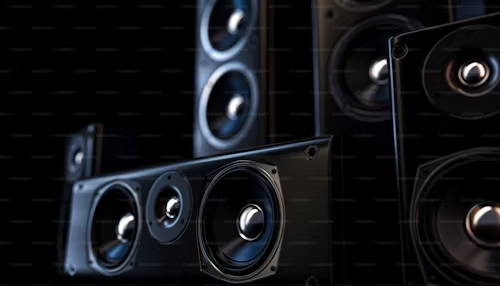
A Subwoofer Speaker for Church should support worship music without hurting speech clarity or disturbing the sanctuary design. This guide helps you compare hidden installation and visible placement, so your team can choose the right balance of sound quality, aesthetics, maintenance, and long-term flexibility.
Why Subwoofer Speaker for Church Placement Matters
The right Subwoofer Speaker for Church placement affects bass consistency, sermon clarity, worship energy, safety, and the visual atmosphere of the room. A church does not use low-frequency sound the same way a nightclub or concert venue does. The goal is not maximum impact; the goal is controlled support for kick drum, bass guitar, choir tracks, keyboard pads, and recorded media while keeping spoken words natural and understandable.
Poor subwoofer placement can create several problems. The front row may feel too much bass, while the rear seats hear thin music. Corners may collect booming low frequencies, and balcony areas may hear delayed or uneven bass. In some churches, the low end becomes so heavy that the pastor’s voice sounds thick or muddy, especially when handheld microphones pick up handling noise or stage vibration.
A well-designed church sound system should create a unified listening experience. Whether someone sits near the stage, in the middle pews, or toward the back, worship music should feel full but not overwhelming. This is why choosing between hidden subwoofer installation and visible subwoofer placement should be a practical decision, not only a visual one.
Hidden Subwoofer Installation: Clean Look, More Planning
Hidden subwoofer installation is best for churches that prioritize a clean sanctuary, fixed architecture, and minimal visual distraction. Many traditional churches, wedding chapels, and visually sensitive worship spaces prefer to keep audio equipment out of sight. A visible black box near the pulpit or platform can look out of place next to woodwork, stained glass, stone walls, or a carefully designed stage background.
A hidden church subwoofer may be placed inside a stage cavity, behind acoustically transparent fabric, under a platform edge, or inside a purpose-built enclosure. This can protect the worship atmosphere and keep livestream camera angles clean. It also reduces the chance that children, volunteers, or visitors accidentally touch cables or equipment.
However, hidden does not mean acoustically harmless. A Subwoofer Speaker for Church still needs proper airflow, clearance, structural isolation, and access for maintenance. If the cabinet is pushed into a sealed wooden box, the result can be rattling, overheating, and poor low-frequency response. If it is hidden under a hollow stage without damping, the stage itself may vibrate and create a distracting buzz.
Before choosing hidden subwoofer installation, check these factors:
For a fixed church audio system, hidden placement can work very well, but only when planned with the room, worship style, and service requirements in mind.
Visible Subwoofer Placement: Flexible and Easier to Tune
Visible subwoofer placement is better for churches that need flexible tuning, easier maintenance, and support for different worship or event layouts. Modern worship spaces often host Sunday services, youth nights, concerts, conferences, weddings, and community events. In these cases, a movable or accessible church subwoofer gives the audio team more control.
Visible units are easier to reposition when the stage layout changes. If the worship band expands, if the drum kit moves, or if the church adds new main speakers, the sub can be adjusted without modifying the building. This is also useful for rented venues or multipurpose halls where permanent construction is not possible.
The downside is visual impact. A large Subwoofer Speaker for Church placed near the front of the platform may distract from the worship environment. It may also create safety issues if it blocks walkways or leaves cables exposed. For churches with frequent weddings or livestreaming, visible hardware can affect the stage appearance.
Good visible placement should be intentional. Do not simply put subs wherever there is space. The most convenient location may not create the smoothest low-frequency response. In some rooms, placing subs near the center produces more even coverage than putting one on each side. In other rooms, a corner position may add output but also increase boominess.
If your worship sound system relies on visible subs, use low-profile cabinets, clean cable routing, non-slip isolation pads, and consistent marking so the team can return the sub to the same tested position each week.
Hidden vs Visible: How to Make the Right Decision
The best choice depends on whether your church values visual cleanliness, acoustic control, maintenance access, or flexible room use most. Neither option is automatically better. A hidden church speaker system can look elegant but perform poorly if it is sealed in the wrong location. A visible sub can sound excellent but create clutter if it is not managed carefully.
Use this practical decision path:
This is where the phrase best subwoofer placement for church becomes practical rather than theoretical. The best position is the one that gives even bass coverage, protects speech intelligibility, respects the sanctuary appearance, and allows the team to maintain the system without difficulty.
Practical Tuning Tips for a Church Sound System
A Subwoofer Speaker for Church should be tuned differently for sermons, worship sets, weddings, and music-focused events. One fixed setting rarely works for every church activity. Spoken word usually needs less low-frequency support, while contemporary worship music may need more energy from the kick drum and bass guitar.
Start with the crossover. Many systems set the subwoofer crossover around 80–100Hz, depending on the main speakers. If the crossover is too high, male voices may become thick and unnatural. If it is too low, the system may lack punch. A quality church audio system should also use high-pass filters on microphones to reduce rumble from handling noise, footsteps, HVAC vibration, and stage movement.
Phase alignment is also important. If the sub and main speakers are out of phase around the crossover point, the system may lose impact even when the subwoofer is loud. Walk the room during soundcheck and listen to the front, middle, rear, and side seating areas. Do not tune only from the mixer position.
For better results:
A properly tuned Subwoofer Speaker for Church should make music feel fuller without drawing attention to itself.
Common Mistakes When Installing a Church Subwoofer
Most church subwoofer problems come from assuming low frequencies are easy to place because bass is less directional. While it is true that bass is less directional than high frequencies, room modes, walls, corners, platforms, and balconies still strongly affect what people hear.
One mistake is hiding the sub in a sealed cabinet. This may look neat, but it can trap heat and reduce output. Another mistake is placing one sub on the far left and another on the far right simply for visual symmetry. That layout may cause cancellations in the center of the room. A third mistake is leaving the subwoofer active during every microphone channel, which can amplify handling noise and stage rumble.
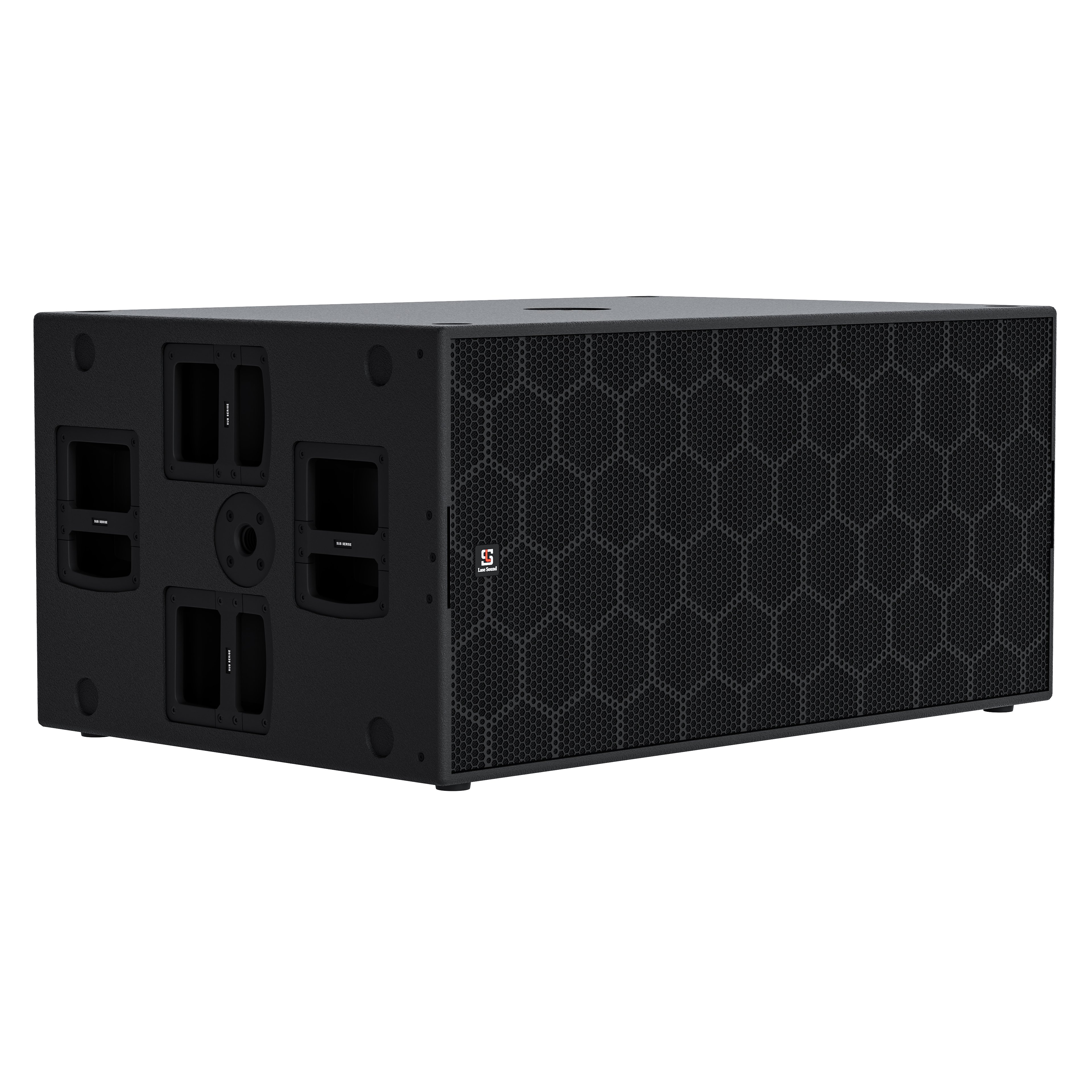
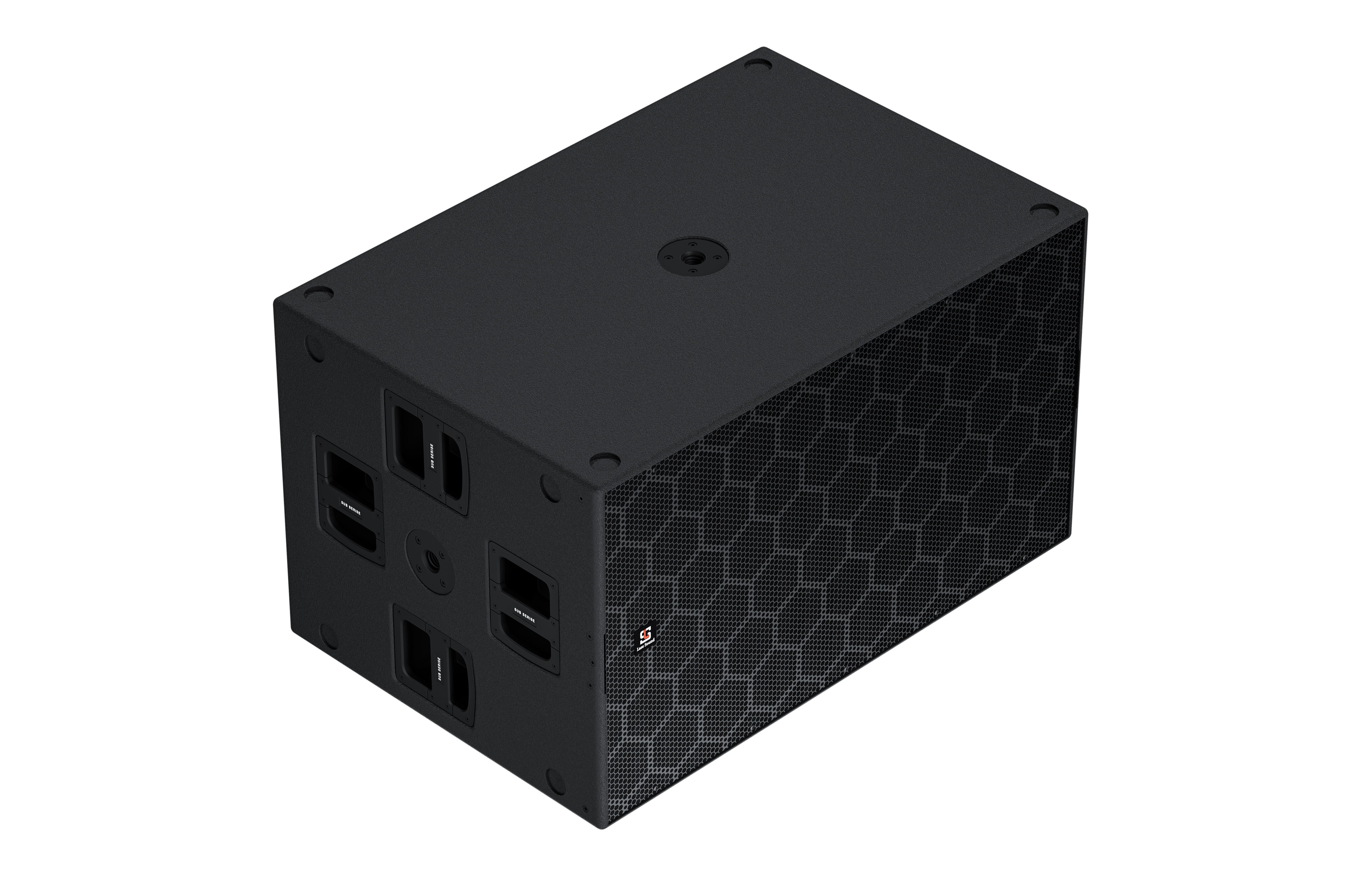
A Subwoofer Speaker for Church should also be selected with the correct size and output. A small chapel may not need a large dual-18-inch system, while a modern worship center with drums and bass guitar may need more headroom. The right professional audio system should match the congregation size, worship style, room shape, and future expansion plan.
How Lase Sound Supports Church Audio Projects
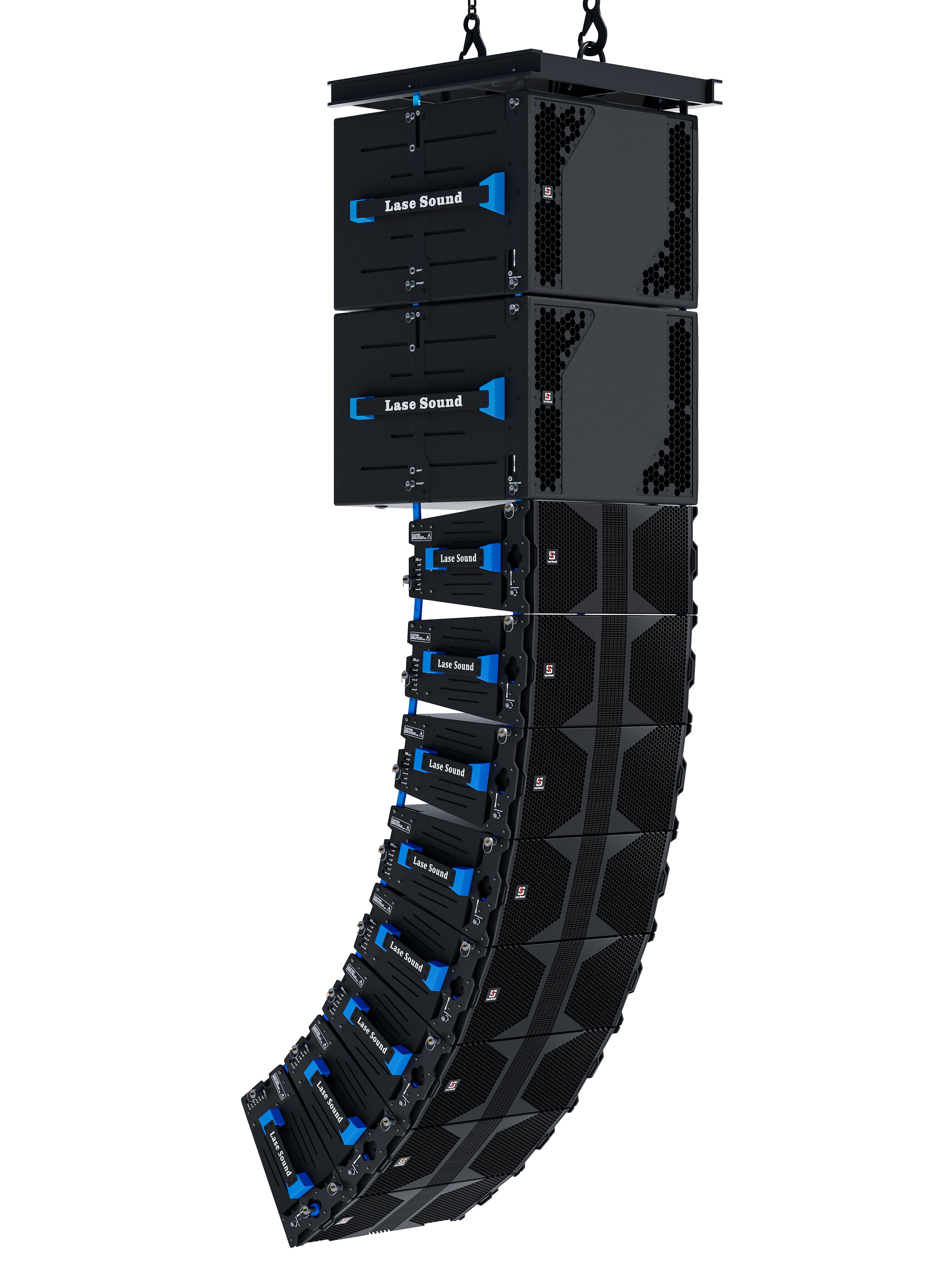
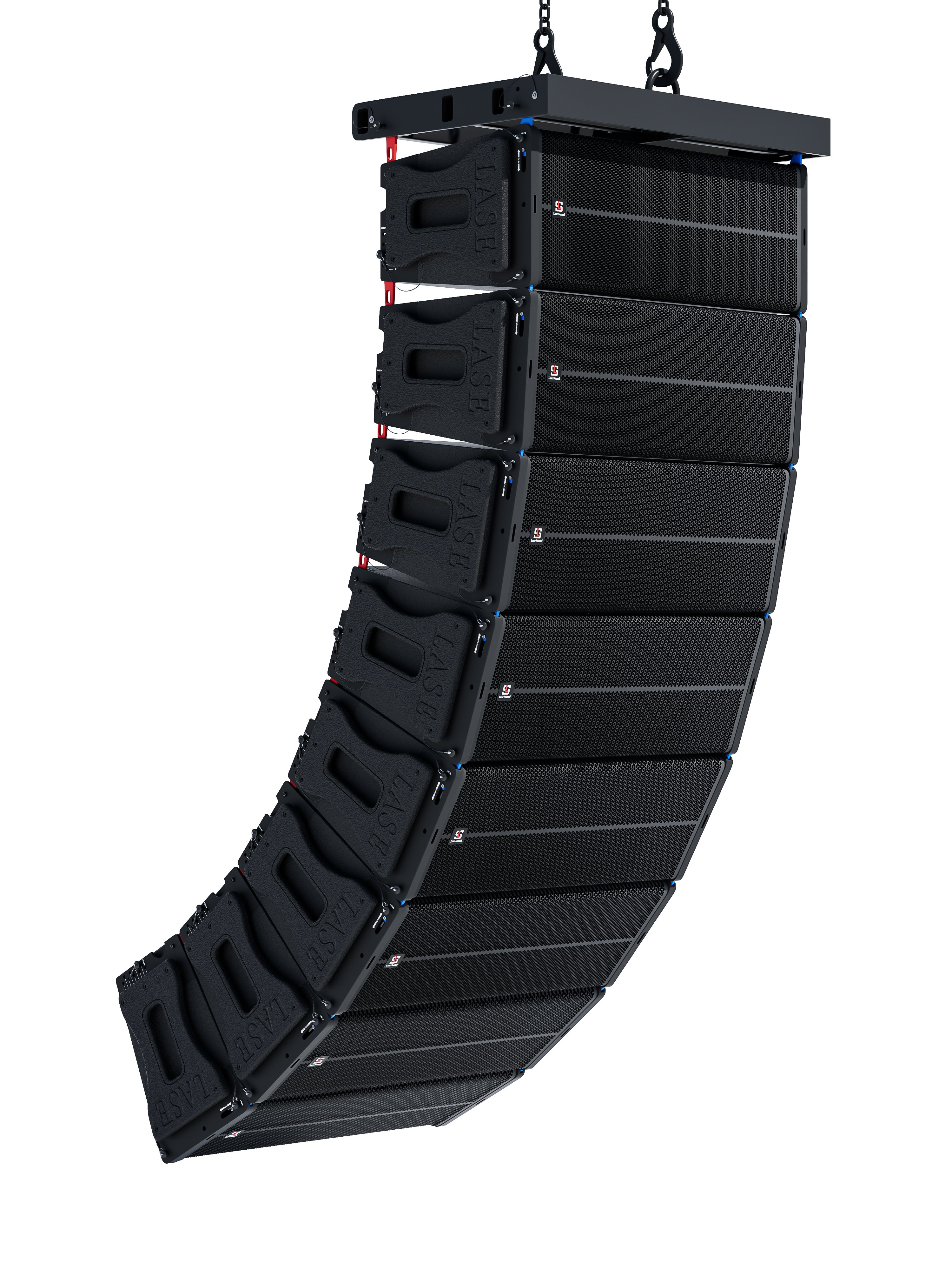
Lase Sound helps churches choose practical subwoofer placement and complete system configurations based on real room requirements. Instead of focusing only on wattage, Lase Sound considers sanctuary layout, worship format, speaker coverage, installation method, and long-term service needs.
For churches planning a new church sound system, upgrading an existing church audio system, or deciding how to install subwoofer speaker for church applications, Lase Sound can provide product options and configuration guidance. Its experience with professional audio system solutions helps worship teams build systems that are reliable, clear, and suitable for both speech and music.
Final Recommendation
The right Subwoofer Speaker for Church is not simply the one that looks the cleanest or plays the loudest; it is the one that delivers controlled bass while supporting the worship environment. Hidden installation is ideal when aesthetics and permanent design matter, while visible placement is better when tuning access and flexibility are priorities.
Contact Lase Sound to discuss your sanctuary layout, worship style, and installation goals. Our team can help recommend a Subwoofer Speaker for Church solution that fits your space, supports your ministry, and keeps the listening experience clear from front to back.


 EN

 Hot News