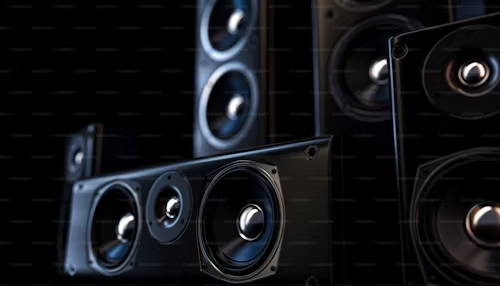
Buying a sound system live music setup means choosing gear that keeps vocals clear, drums powerful, and bass controlled. This guide helps you select the right live music sound system, including speakers, subwoofers, mixers, and stage monitors, for real band performances instead of just chasing loud specifications.
Start with Vocals in a Live Music Sound System
Vocals should be your first priority because they carry the lyrics, message, and emotional connection of the performance. If the audience cannot understand the singer, the show will feel unprofessional even if the band is loud. A strong vocal sound system depends on clear midrange reproduction, stable microphone gain, and speakers that do not become harsh at higher volume.
Good PA speakers for live music should reproduce the 1kHz–4kHz range cleanly because this is where vocal presence and intelligibility live. A speaker with weak midrange may sound impressive during playback demos but fail when guitars, drums, and keyboards enter the mix. For small acoustic shows, quality 12-inch tops may be enough. For louder bands, 15-inch tops or tops plus subwoofers usually provide more headroom.
When you choose a live music sound system, also consider microphones and mixer processing. A quality dynamic microphone, proper gain structure, high-pass filtering, and light compression can make vocals sit above the band without excessive volume. The vocal sound system should not rely on EQ boosts alone; it should start with the right speaker coverage, microphone technique, and controlled stage volume.
Drums Need Headroom in a Live Sound System
Drums require enough system headroom to handle sudden peaks without clipping, distortion, or limiter pumping. A drum kit is dynamic by nature: kick drum, snare, toms, and cymbals create fast transients that can overload weak systems quickly. If the live sound system lacks headroom, drums become flat, harsh, or compressed.
For small venues, you may not need to mic the entire drum kit. Often, kick and snare support are enough. For medium venues, add overheads or tom mics when the room needs more detail. For larger events, a full live music PA system should have enough mixer channels, clean preamps, and speaker output to reproduce the full kit naturally.
Kick drum deserves special attention. Without a dedicated subwoofer for live music, the kick may sound like a dull click instead of a solid pulse. However, more bass is not always better. The kick should be tight, not boomy. A true professional audio system gives the engineer both power and control, allowing drums to feel energetic without covering the vocals.
Use this quick drum-planning checklist:
- For acoustic cafés, reinforce vocals first and mic only kick if needed.
- For bars and worship stages, mic kick, snare, and possibly overheads.
- For rock bands, choose speakers with high maximum SPL and strong transient response.
- For outdoor shows, add more subwoofer capacity because low frequencies dissipate quickly.
- For repeat events, save mixer scenes for consistent drum processing.
Bass Control and Subwoofer for Live Music Decisions
Bass should sound solid and musical, not loose, muddy, or disconnected from the rest of the band. A sound system live music setup must handle bass guitar and kick drum as separate but connected elements. The audience should feel the groove while still hearing pitch definition.
A common mistake is adding one subwoofer for live music and turning it up too high. This may create more low-end energy, but it can also make the entire band sound system unclear. Bass guitar lives across a wide range, from deep fundamentals to upper harmonics that help listeners identify notes. If the mix only emphasizes sub-bass, the bass line may feel powerful but unreadable.
Start with a crossover point around 80Hz–100Hz, then adjust based on the main speakers and room. If the crossover is too high, vocals and guitars may lose warmth or sound separated. If it is too low, the system may lack punch. A better live sound system lets the sub and mains work together smoothly instead of making the low end feel like a separate source.
Placement matters too. In many rooms, putting subs in corners increases output but can exaggerate boom. Placing subs near the center can improve consistency, but it depends on the venue. Always walk the room during soundcheck and listen from the front, middle, rear, and sides.
What to Buy First for a Live Music PA System
A complete live music PA system should balance audience coverage, low-frequency support, source control, and performer monitoring. Buying only large speakers is not enough. A practical system works as a chain: microphones capture sources, the mixer shapes them, amplifiers or active speakers reproduce them, and monitors help musicians perform confidently.
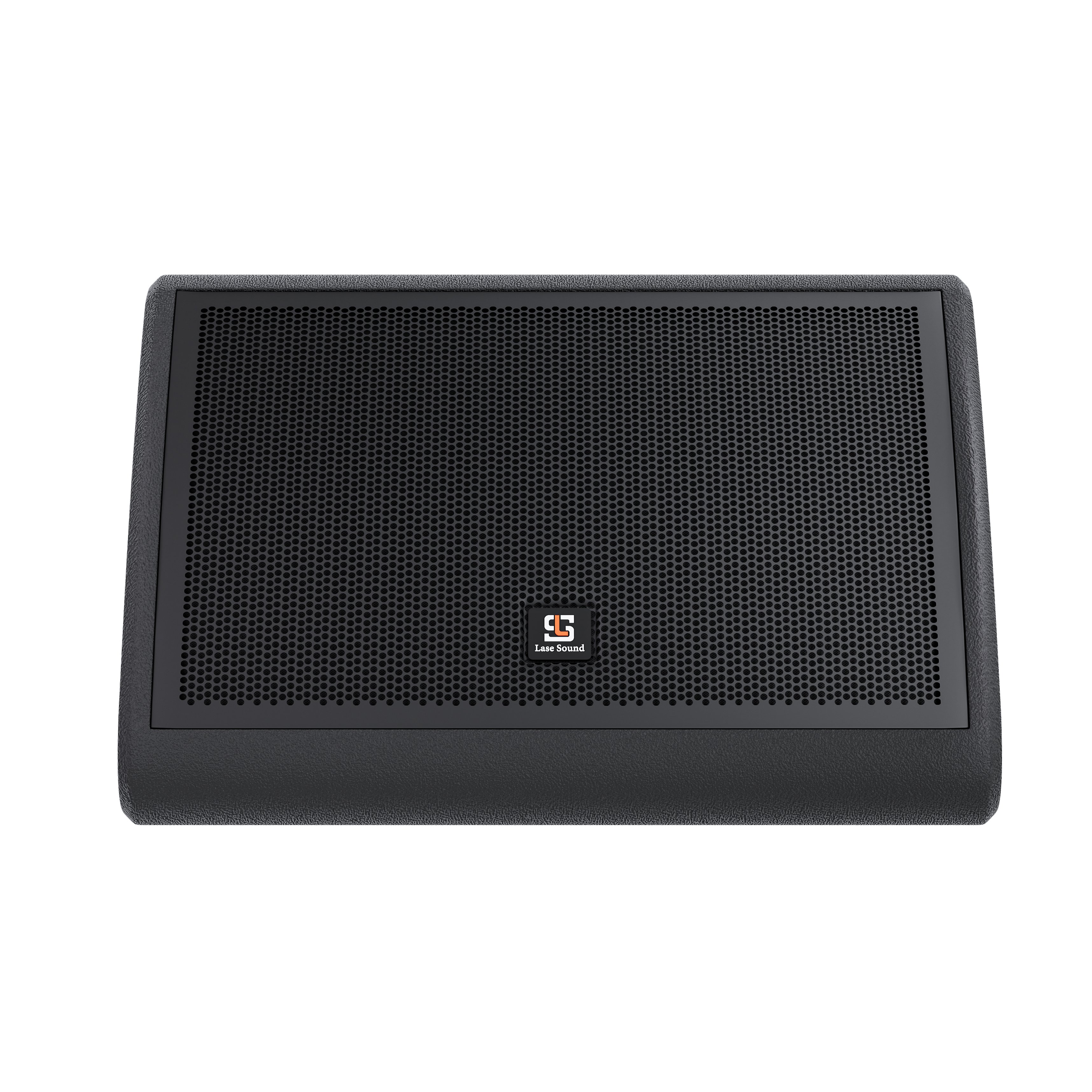
Start with PA speakers for live music that match your venue size and music style. Add stage monitors early, not as an afterthought, because performers who cannot hear themselves will play louder and make the front-of-house mix harder to control. A dependable mixer is also essential; it should have enough channels for your current band and future expansion.
For a balanced professional audio system, prioritize purchases in this order:
- Main speakers that cover the audience clearly and evenly.
- Mixer with enough channels, EQ, effects, and routing for the core live music sound system.
- Subwoofers if you use kick drum, bass guitar, tracks, or electronic instruments.
- Stage monitors or in-ear monitoring for singers and key musicians.
- Cables, stands, power distribution, cases, and basic backup accessories.
Do not spend the entire budget on speakers while ignoring microphones, DI boxes, stands, and reliable cabling. Small weak links often cause the biggest live problems.
Sizing a Sound System Live Music Setup by Venue
The right sound system live music size depends on audience count, room shape, performance style, and expected volume—not wattage alone. A 100-person jazz dinner, a 100-person rock show, and a 100-person youth worship night do not need the same system. The energy level and low-frequency demand are different.
For small indoor events under 80 people, two quality tops may be enough if the music is acoustic or speech-focused. For 100–250 people with drums and bass, add at least one or two subwoofers. For 300–500 people, especially in deeper rooms, you may need stronger tops, more subs, better monitoring, and possibly delay speakers. Outdoor shows require additional output because walls and ceilings are not helping reinforce the sound.
A concert sound system also needs more redundancy. If one cable, speaker, or monitor fails, the event should not collapse. A scalable live music sound system lets you start with a compact setup and expand later as venues become larger.
Use these examples as a practical starting point:
- Small acoustic duo: two tops, compact mixer, two vocal mics, basic monitoring.
- Small full band: portable band sound system, two tops, one or two subs, 12–16 channel mixer.
- Medium venue: compact concert sound system, multiple monitor mixes, stronger subs, digital mixer.
- Outdoor event: larger professional audio system, more subwoofer output, weather-safe power planning.
- Fixed venue: choose installation-friendly speakers, clean wiring, DSP, and service access.
Common Buying Mistakes in a Live Sound System
Most live music problems come from buying loud equipment without planning the whole signal chain. A live sound system should be selected as a working package, not as separate boxes chosen only by price or peak wattage.
Avoid these mistakes:
- Buying oversized speakers but using poor microphones.
- Ignoring monitors and forcing musicians to guess what they are playing.
- Choosing a mixer with too few channels.
- Skipping subwoofers when the band relies on kick and bass.
- Using home audio equipment for live performance.
- Forgetting transport weight, setup time, and power requirements.
- Assuming factory presets will fix every room automatically.
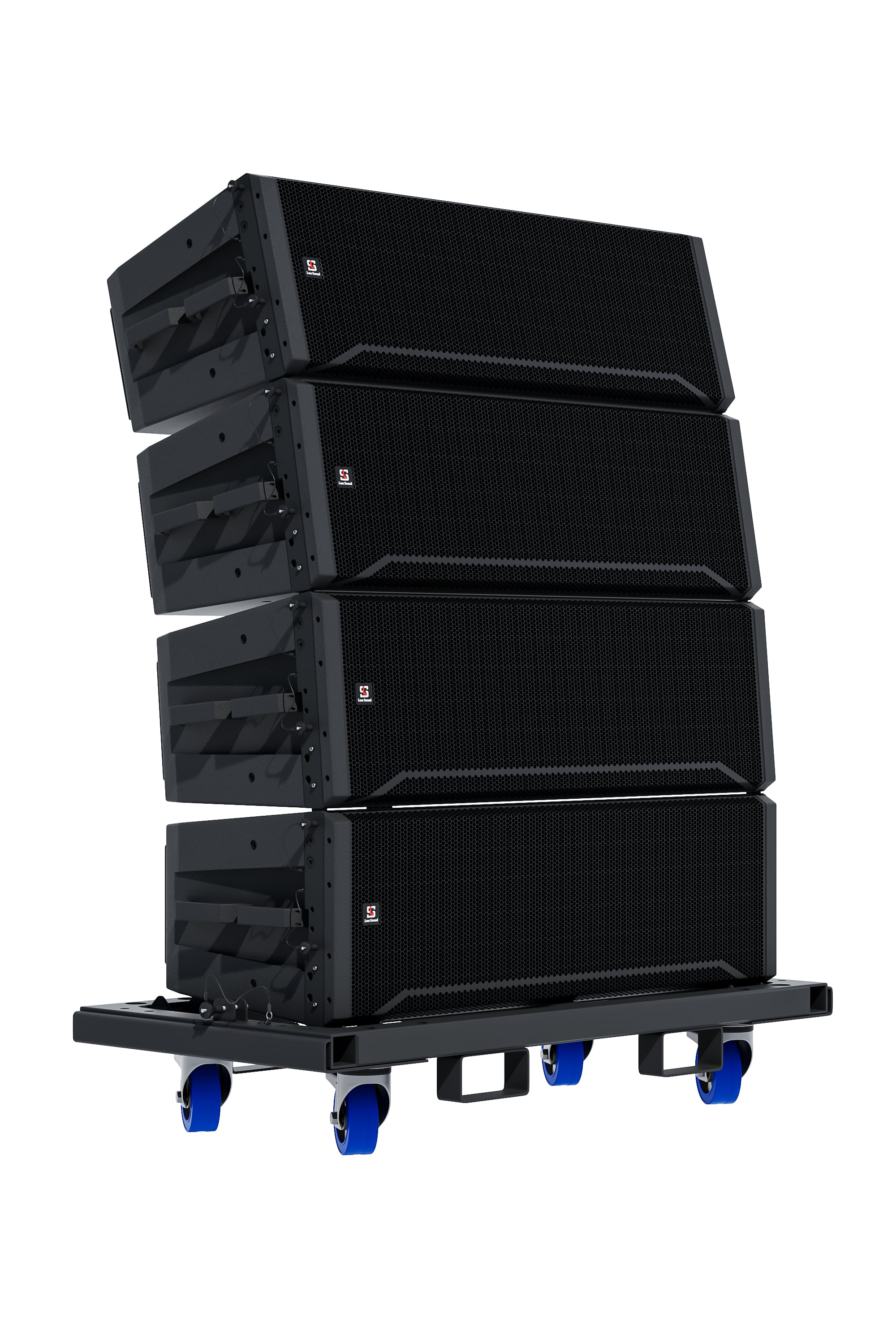
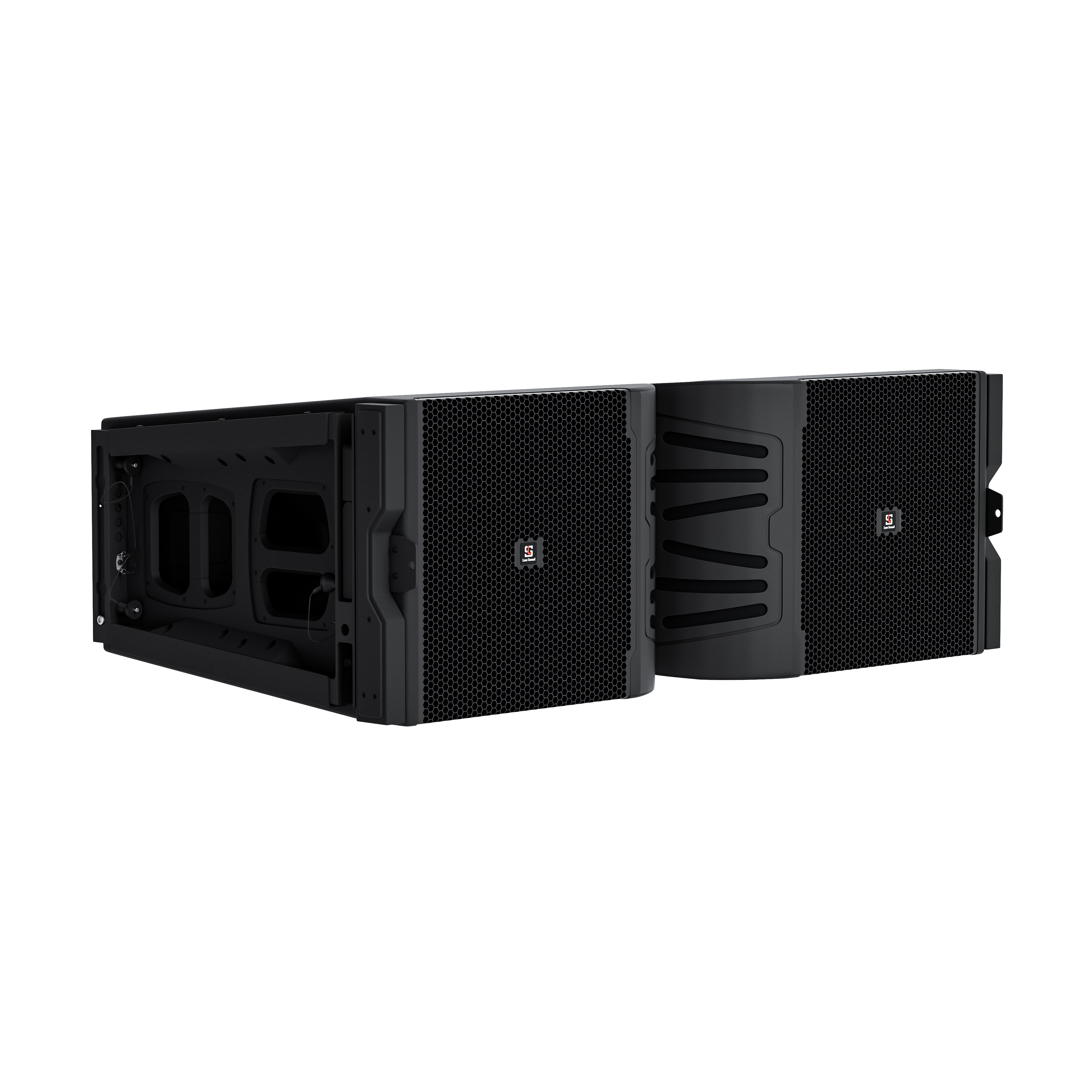
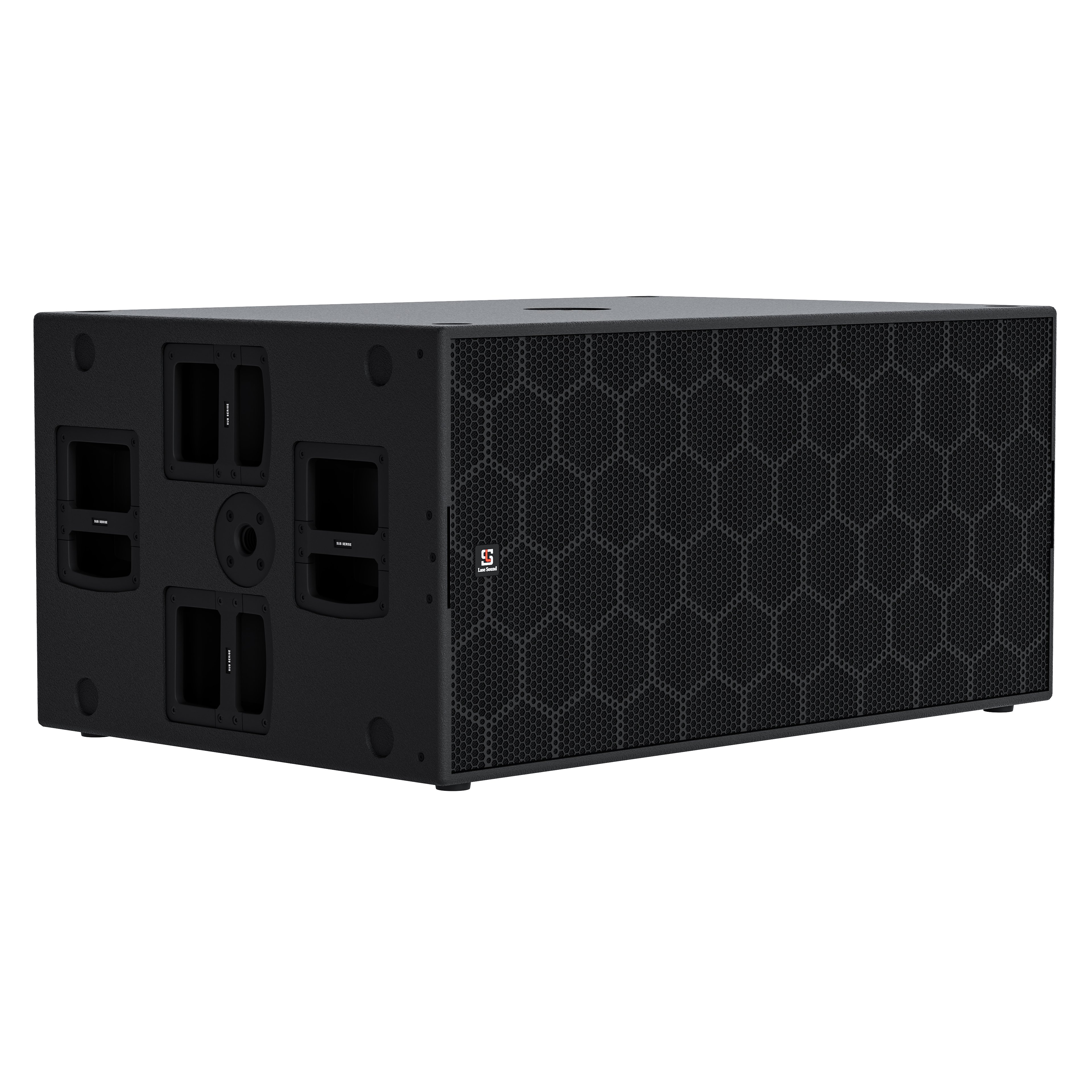
Lase Sound supports bands, venues, churches, and rental users with practical audio solutions for different event sizes. Its product range covers speakers, subwoofers, line arrays, and monitoring options, helping buyers build systems around real performance needs instead of isolated specifications.
Final Recommendation
The best purchase is the system that keeps vocals clear, gives drums enough headroom, and keeps bass controlled across the venue. Do not judge a setup only by watts; judge it by how well it supports real musicians, real rooms, and real audiences.
Contact Lase Sound to discuss your venue size, band setup, and budget. Our team can help you choose the right sound system live music configuration for reliable, clear, and powerful performances.


 EN

 Hot News