A compact line array system helps fix front-row overload, weak rear-row sound, unclear vocals, dead zones, and excessive room reflections. This guide shows how to improve sound coverage by choosing, placing, and tuning the right line array speaker system for real event spaces.
Why Poor Sound Coverage Is Usually Not a Volume Problem
Poor sound coverage is usually caused by uncontrolled speaker dispersion, incorrect placement, and room reflections—not simply by a lack of power. Many venues try to solve uneven audio by turning the system louder, but this often makes the front row painful while the back row still lacks clarity. The real problem is that sound is not being aimed evenly at the audience area.
Traditional point-source speakers often project sound in a broad pattern. In a shallow room, this can work well. But in a deep hall, church, banquet room, or small theater, the audience near the speakers receives too much direct sound, while people farther away hear more reflected sound than useful direct sound. That is why the back row may describe the audio as weak, blurry, or distant.
A compact line array system addresses this by controlling vertical dispersion more precisely. Instead of spraying sound toward the ceiling and floor, it helps focus more acoustic energy toward listeners. This improves speaker coverage without forcing the engineer to push the volume to uncomfortable levels.
Common symptoms of coverage problems include:
1. Front seats are too loud, but rear seats are unclear.
2. Vocals sound sharp near the stage but muddy farther back.
3. Side areas receive noticeably less sound.
4. Corners have bass buildup or almost no definition.
5. Turning up the mixer increases complaints instead of solving them.
If these problems keep happening, the issue is likely system design. A better audio coverage strategy will usually achieve more than simply buying a louder PA system.
How a Compact Line Array System Improves Front-to-Back Balance
A compact line array system improves front-to-back balance by narrowing vertical sound spread and projecting audio farther with better consistency. This is the main reason it is used in spaces where every listener must hear clearly, not just the people close to the stage.
In a conventional PA system, sound energy drops quickly with distance. The first few rows may receive strong direct sound, while the rear rows depend heavily on reflections from walls and ceilings. Those reflections arrive later than the direct sound, reducing speech intelligibility and making music feel less focused.
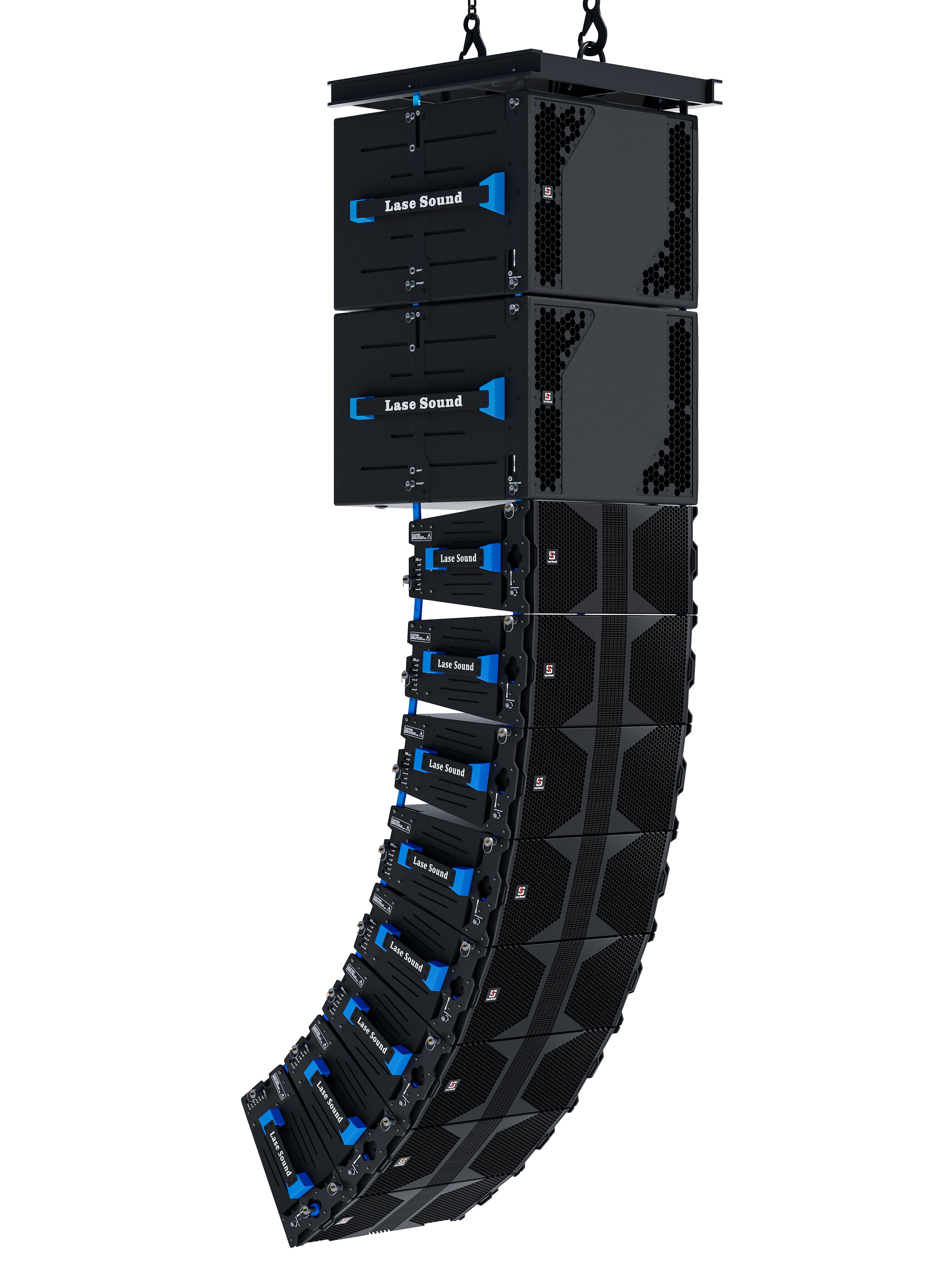
A compact line array system uses multiple speaker elements arranged vertically. When designed and deployed correctly, these elements work together to control how sound travels. The result is smoother level distribution from front to back and less wasted energy hitting reflective surfaces.
This matters especially for spoken content. In a conference, worship service, or wedding ceremony, the audience does not only need volume; they need word clarity. A line array speaker system can improve vocal presence because it sends more controlled sound toward the seating area and less noise into the room.
For music events, the benefit is also practical. A DJ or band can keep the system energetic without overpowering the front tables. A club can reduce harshness near the stage while keeping the dance floor and rear bar area more consistent. In short, a compact line array system helps make the whole room sound intentional.
Compact Line Array System vs Traditional PA System
A compact line array system is usually the better choice when the venue is wide, deep, reflective, or difficult to cover evenly with standard speakers. A traditional PA system can still be useful in small rooms, but it may struggle when listeners are spread across a larger or more complex space.
The key difference is control. Point-source speakers often provide wide coverage, but that coverage is not always precise. If the box is aimed too low, rear listeners suffer. If it is aimed too high, ceiling reflections increase. If two speakers overlap badly, comb filtering and dead zones may appear.
By contrast, compact line array speakers are designed to create a more predictable coverage pattern. They are not magic; they still need correct aiming, height, and tuning. But they give the sound engineer better tools to solve real uneven audio problems.
Use this decision process before upgrading:
1. Map the audience area. Measure width, depth, ceiling height, and seating layout.
2. Identify weak zones. Walk the room during playback and note where vocals disappear.
3. Check reflection points. Look for hard ceilings, glass walls, tile floors, and rear-wall slap.
4. Review speaker height. Low-mounted speakers often blast the front row and miss the rear.
5. Compare coverage angles. Choose a system that matches the actual listening area.
If most complaints come from the same areas, upgrading to a compact line array system may be more effective than adding random fill speakers. More boxes without planning can create more phase issues, more cable complexity, and more inconsistent sound coverage.
Best Venues for Compact Line Array Speakers
Compact line array speakers are best for venues where clear and consistent coverage matters more than simply achieving maximum loudness. These systems are especially valuable when speech, vocals, and music must stay intelligible across the full audience area.
Churches and worship venues often benefit because they require natural vocal clarity, controlled music reinforcement, and reduced reflections. A church sound system must support pastors, singers, choirs, instruments, and playback tracks without making the room feel harsh. A compact line array system can help keep worship sound clean while reducing excessive ceiling reflections.
Conference halls are another strong fit. In business events, the audience must understand every word. If rear seats hear mostly room echo, the message loses impact. A professional audio system with controlled dispersion can improve listening comfort and reduce fatigue during long sessions.
Wedding halls and banquet rooms also benefit. These venues often combine speeches, live music, DJs, and background playback in one event. A compact solution keeps the system visually neat while improving audio coverage across tables, dance floors, and rear seating areas.
Small theaters, school auditoriums, live bars, and medium outdoor events may also be suitable. In these spaces, the goal is not always stadium-level output. The real need is an event sound system that delivers even level, clear vocals, and controlled energy without requiring a large touring rig.
How to Choose the Right Compact Line Array System
The right compact line array system should match room depth, audience width, mounting method, output requirement, and subwoofer needs. Choosing only by wattage is risky because wattage does not tell you whether the system will cover the venue correctly.
Start with coverage. Look at the system’s horizontal and vertical dispersion specifications. A wide room needs enough horizontal spread. A deep room needs controlled vertical projection. If the system cannot aim sound accurately at listeners, it may still create uneven audio even if the power rating looks impressive.
Next, consider configuration. Some events need a simple portable column-style setup. Others require flown or stacked arrays with separate subwoofers. For speech-heavy use, vocal clarity and controlled midrange are priorities. For DJ nights or live bands, low-frequency support and system headroom become more important.
A practical selection checklist:
1. Audience size: Match SPL capability to the expected crowd, not just room size.
2. Room shape: Long rooms usually need better projection than square rooms.
3. Ceiling material: Reflective ceilings increase the need for vertical control.
4. Installation type: Choose portable stacking, wall mounting, or flying hardware based on use.
5. DSP control: Look for presets, delay, EQ, limiter protection, and crossover settings.
6. Subwoofer pairing: Add subs when music impact is required, not just speech.
7. Service support: Select a brand that can support parts, guidance, and future expansion.
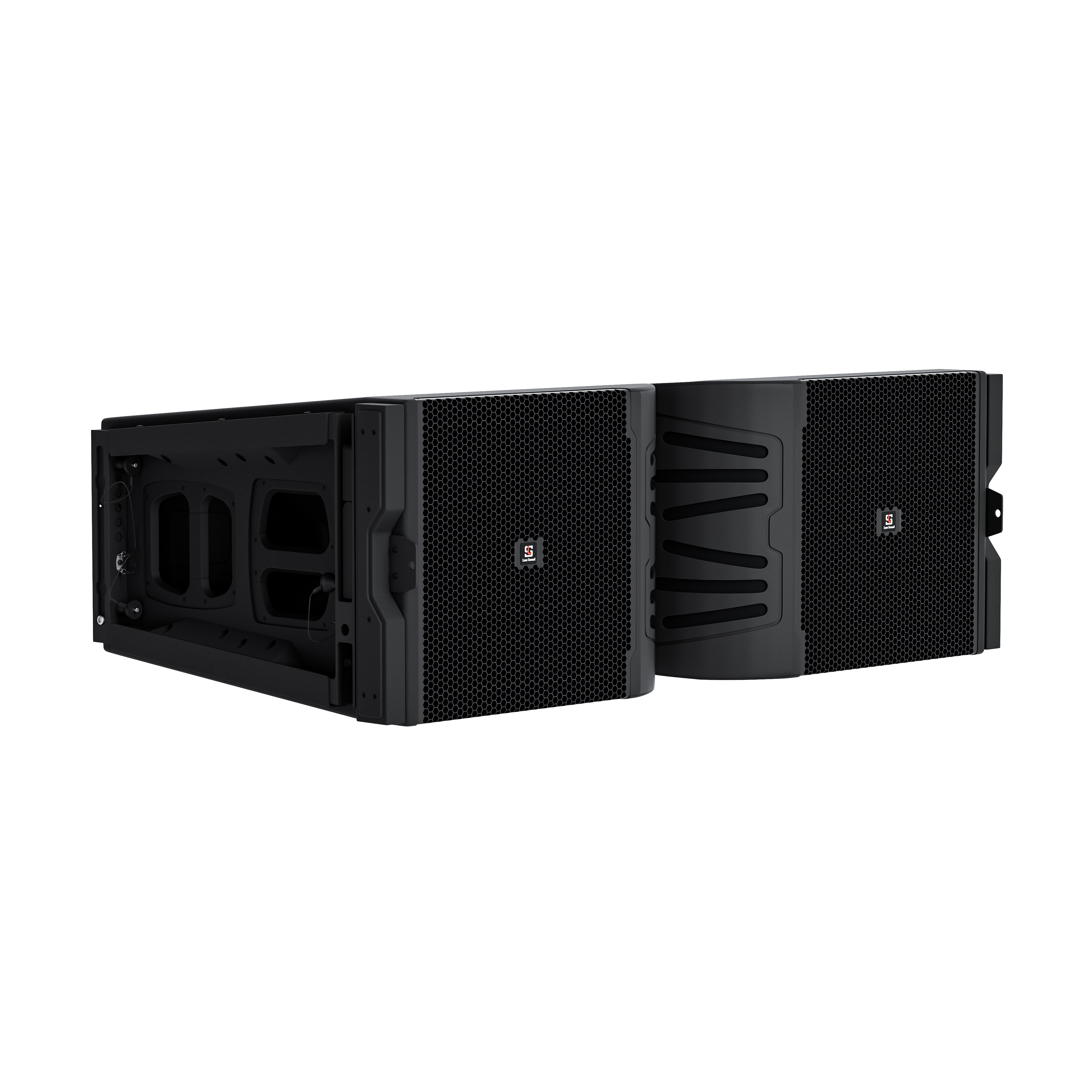
Lase Sound offers compact line array system solutions for mobile events, churches, clubs, and fixed installations. With an owned manufacturing base, experienced engineering teams, and customers across global markets, Lase Sound helps users configure systems according to venue requirements instead of relying only on wattage claims. This is especially useful when designing a live sound system that must be reliable, scalable, and easy to operate.
Installation and Tuning Mistakes to Avoid
Even the best compact line array system will underperform if it is installed too low, aimed incorrectly, or tuned without considering the room. Good hardware needs good deployment. A poorly aimed array can still create loud front rows, weak rear seats, and reflections that reduce clarity.
Speaker height is one of the most common mistakes. If the system is placed too low, the first rows block sound from reaching the rear. Raising the array and aiming it correctly can improve speaker coverage dramatically. However, aiming too high can send energy into the ceiling, causing more reverberation.
Delay and phase settings also matter. If fill speakers or subwoofers are added, they must be aligned with the main system. Otherwise, some areas may lose vocal body or bass punch due to cancellation. DSP tools help, but the settings should be checked by listening in multiple audience positions.
EQ should not be used as the first solution for coverage problems. Cutting harsh frequencies may reduce discomfort, but it will not fix dead zones. Boosting vocal frequencies may help rear seats slightly, but it can make the front row sharper. Coverage should be solved first with placement and aiming; EQ should refine the result afterward.
When a Compact Line Array System May Not Be Necessary
A compact line array system may not be necessary for very small rooms, low-volume background music, or simple meetings with limited audience depth. In these cases, a pair of quality point-source speakers may deliver enough clarity at a lower cost.
For example, a small café, private meeting room, or rehearsal space may not need the projection benefits of a line array speaker system. If the audience is close to the speakers and the room has soft materials, standard speakers can perform well. Buying more system than needed may increase setup time, budget, and tuning complexity.
The best decision is based on the room’s problem. If the main issue is lack of bass, add or upgrade subwoofers. If the main issue is vocal feedback, improve microphone placement and gain structure. But if the problem is inconsistent sound coverage, weak rear-row clarity, and reflective-room confusion, then a compact line array system becomes a practical solution.
Final Takeaway
A compact line array system fixes uneven sound by improving coverage control, not by simply making the venue louder. When front rows are overwhelmed, back rows are unclear, and vocals disappear in reflections, better projection and aiming are the real answers.
Contact Lase Sound to discuss your venue size, audience layout, and event type. Our team can recommend a suitable compact line array system or complete professional audio system that delivers clearer, more even coverage for your next project.


 EN



 Hot News