Professional Line Array Speakers should help installers reduce project risk and help rental firms earn more from reliable, flexible systems. This guide shows how to compare Professional Line Array Speakers by coverage, SPL, rigging safety, transport durability, system matching, supplier strength, and long-term ROI.
Why Professional Line Array Speakers Matter for Installers and Rental Firms
Professional Line Array Speakers matter because B2B buyers need predictable results, not just loud output. For installers, a failed project can mean customer complaints, return visits, and damage to reputation. For rental companies, unreliable cabinets can mean slower setup, higher repair costs, and fewer repeat bookings.
A good professional line array system must solve real field problems: uneven sound coverage, weak rear-seat clarity, poor low-frequency balance, difficult installation, and unstable performance during long events. Unlike a basic PA system, a professional array must work as part of a complete sound reinforcement system, including main cabinets, subwoofer units, amplifier matching, a DSP processor, rigging hardware, monitors, and accessories.
Installers usually care about fixed performance. They need an installation sound system that can serve a church, theater, conference hall, school auditorium, or multipurpose venue for years. Rental firms care about flexibility. They need a rental sound system that can be loaded, flown, stacked, packed, and reused across different jobs.
That is why the question is not simply “Which speaker sounds powerful?” The better question is: can this line array speaker system deliver consistent results in different spaces, with safe hardware and manageable operating costs?
Check Sound Coverage, SPL and Venue Size First
Professional Line Array Speakers should be judged first by coverage and output, not by wattage alone. Many buyers compare power ratings, but watts do not tell you whether the front row will be too loud or the balcony will be unclear.
For installers, sound coverage is the foundation of project success. A church may need high speech intelligibility across every seat. A theater may need smooth music and dialogue. A conference hall may need controlled voice reinforcement without echo. For rental firms, a live sound system must provide enough SPL and headroom for bands, DJs, ceremonies, and outdoor events.
Use this quick planning table before requesting a quote:
|
|
|
| Project Type |
Main Pain Point |
Recommended Focus |
| Church installation |
Poor speech clarity and reflections |
Coverage control, DSP tuning, moderate bass |
| Conference hall |
Voice must be clear at low volume |
Even dispersion and feedback control |
| Live house |
Music needs impact and headroom |
SPL, subwoofer support, monitoring |
| Outdoor event |
Bass and throw distance disappear quickly |
More cabinets, stronger low end, scalable setup |
| Rental package |
Different jobs every week |
Modular design, fast rigging, durable finish |
A compact line array can be enough for small and medium venues, while larger halls or outdoor shows may require more array elements and more low-frequency support. The phrase “best line array speaker system for live events” should not mean the biggest system; it should mean the right balance of output, clarity, portability, and system control.
Before purchase, installers and rental firms should confirm:
1. Audience size and listening distance
More seats and deeper rooms require stronger projection and more precise vertical control.
2. Venue shape and ceiling height
Long, narrow rooms usually benefit more from arrays than square rooms with short listening distance.
3. Program material
Speech, worship, theater, DJ music, and live bands each need different SPL and low-frequency capacity.
4. Coverage angle
Horizontal and vertical dispersion should match the actual audience area, not empty walls.
5. System headroom
A system constantly pushed to its limit will sound harsh and fail sooner.
This is also where a professional audio system for medium venues must be designed as a system, not as separate boxes bought by guesswork.
Compare Rigging, Cabinet Strength and Transport Design
Professional Line Array Speakers for rental use must be strong, fast to handle, and safe to install. Sound quality matters, but rental profit often depends on speed, durability, and low maintenance.
A weak rigging system can slow down setup and create safety risks. A cabinet that scratches easily looks old after a few events. A connector that loosens after transport can cause failure at the worst possible moment. Rental firms need cabinets that survive real road use, while installers need hardware that remains secure after long-term fixed installation.
For installers, rigging safety is non-negotiable. The array frame, pins, brackets, and load ratings must match the project. For rental firms, fast deployment matters. A modular touring sound system should let technicians build different system sizes without wasting time.
Key construction details to inspect include cabinet material, grille strength, handle position, paint or coating quality, connector durability, and rigging accuracy. A high-quality full-range speaker may be useful for fills or smaller rooms, but main array cabinets must be engineered for repeatable aiming and coupling.
If the system will travel frequently, ask whether replacement parts are easy to access. A good stage monitor, spare driver, grille, or rigging part can save a rental job. Long-term serviceability is part of ROI.
Match Professional Line Array Speakers with Subwoofers, Monitors and DSP
Professional Line Array Speakers rarely work alone; the real value comes from a complete matched system. Buying only the main array often creates new problems: thin music, weak kick drum, poor stage monitoring, or inconsistent tuning between components.
A line array speaker system with subwoofer is usually necessary for live bands, DJs, worship music, theaters, and outdoor programs. The subwoofer provides low-frequency weight that compact mains cannot deliver by themselves. For speech-only applications, low-frequency support may be lighter, but music-focused venues need stronger bass planning.
A complete system may include:
|
|
| Component |
Why It Matters |
| Main array cabinets |
Deliver audience coverage and vocal clarity |
| Subwoofer cabinets |
Add impact for music, drums, bass, and playback |
| Stage monitor speakers |
Help performers hear vocals and instruments |
| Amplifier channels |
Provide clean power and system headroom |
| DSP processor |
Controls crossover, EQ, delay, limiter, and protection |
| Rigging hardware |
Enables safe flown or stacked installation |
This is where line array speakers for installers and line array speakers for touring and rental may require different packages. Installers may prioritize clean integration, fixed cabling, and long-term stability. Rental firms may prioritize flexible racks, quick cabling, and multiple deployment options.
Do not ignore tuning. A strong professional audio system can still sound poor if crossover points, delay, EQ, and limiters are wrong. A proper DSP processor protects drivers, aligns the subwoofer with the mains, and improves tonal balance across the venue.
Choose the Right Supplier, Not Just the Right Speaker
Professional Line Array Speakers are only as dependable as the supplier behind them. For B2B buyers, supplier capacity affects delivery time, product consistency, spare parts, and long-term support.
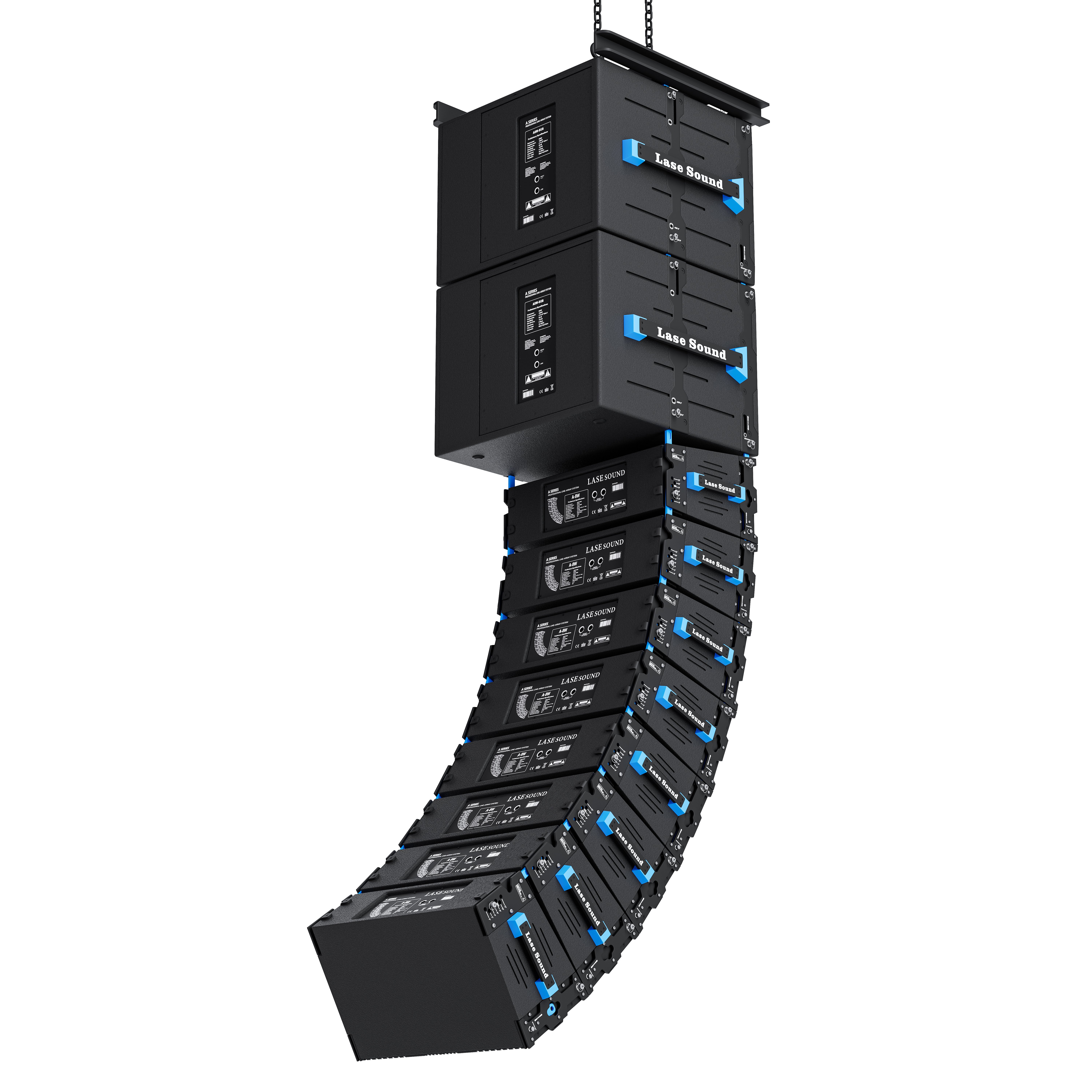
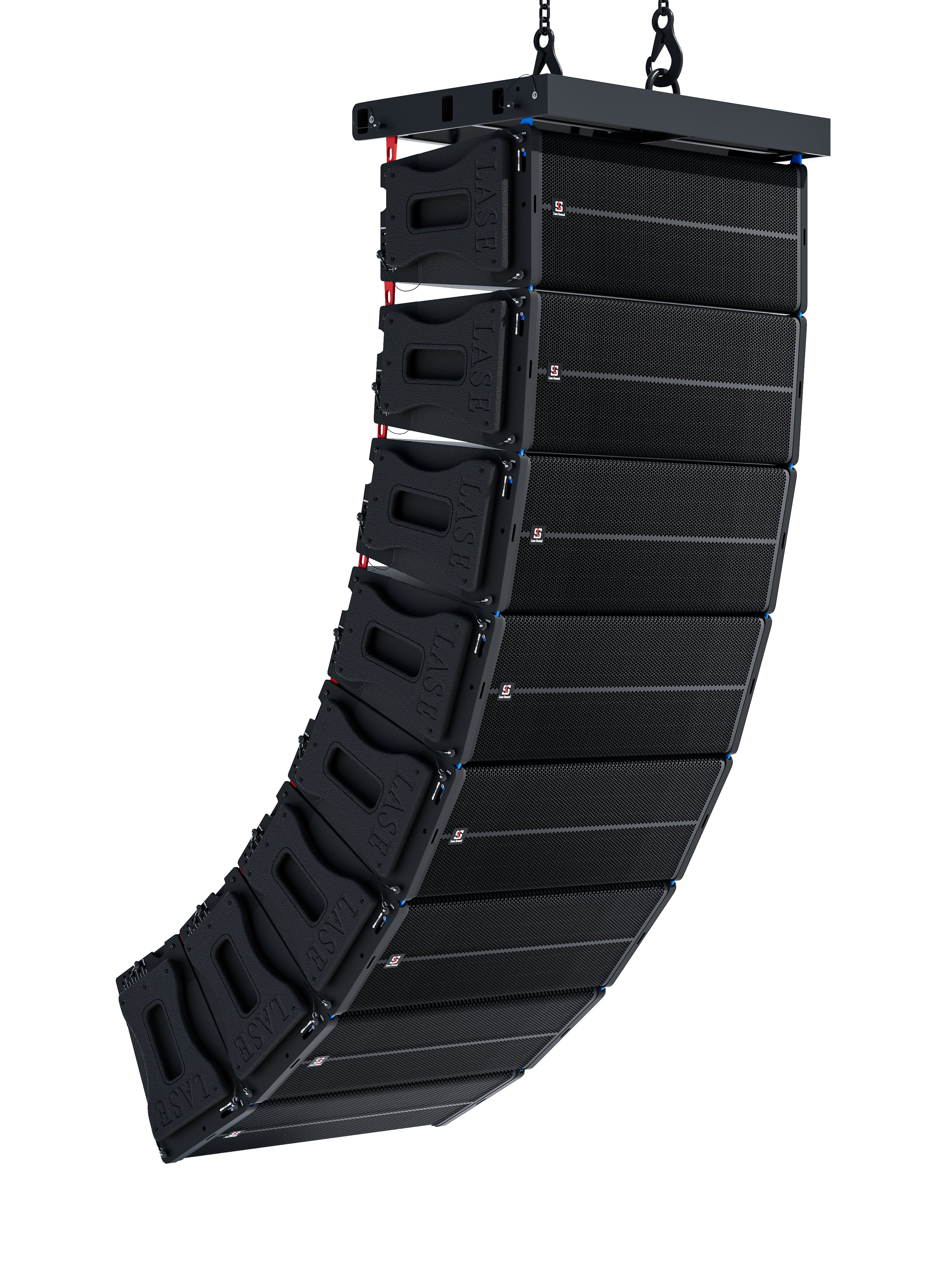
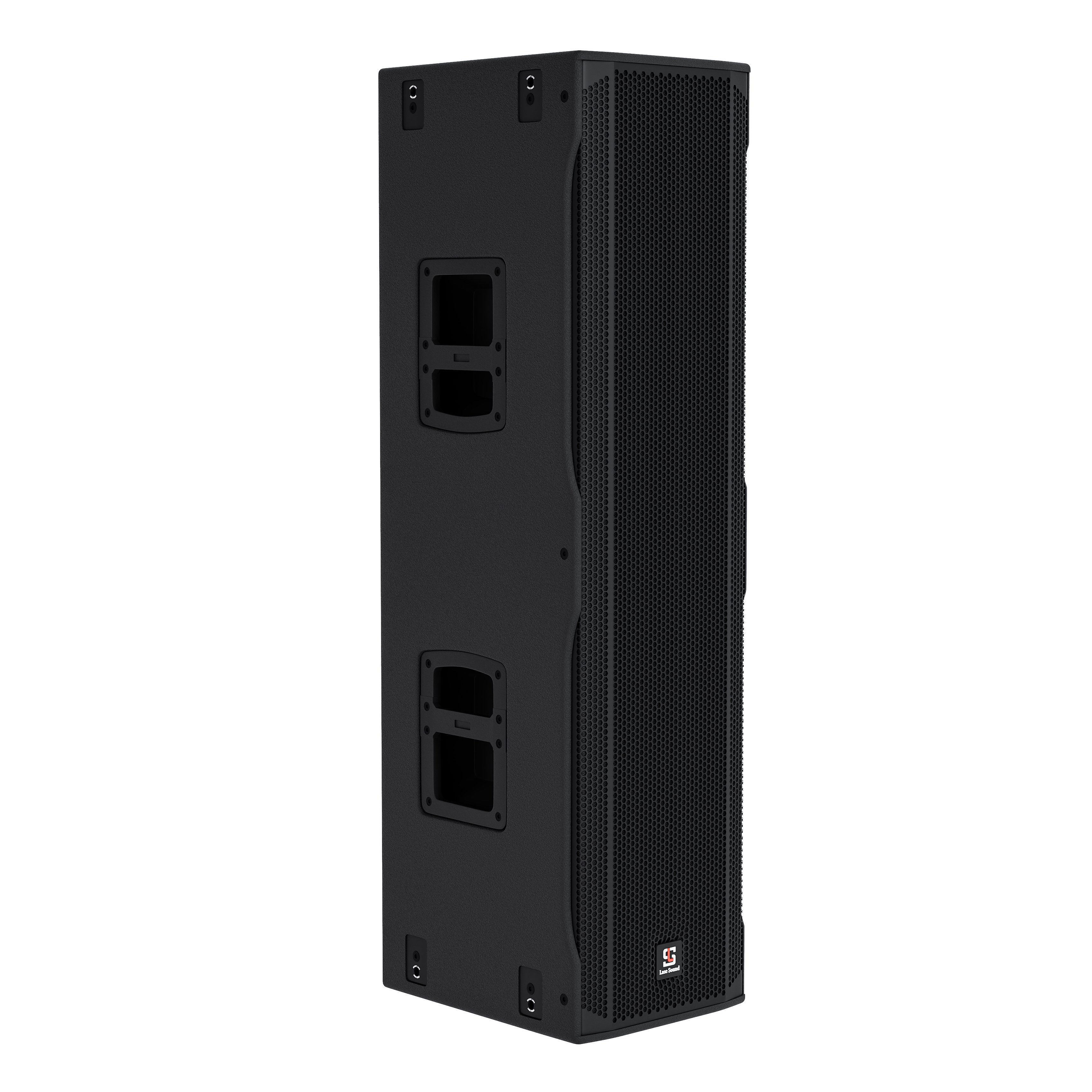
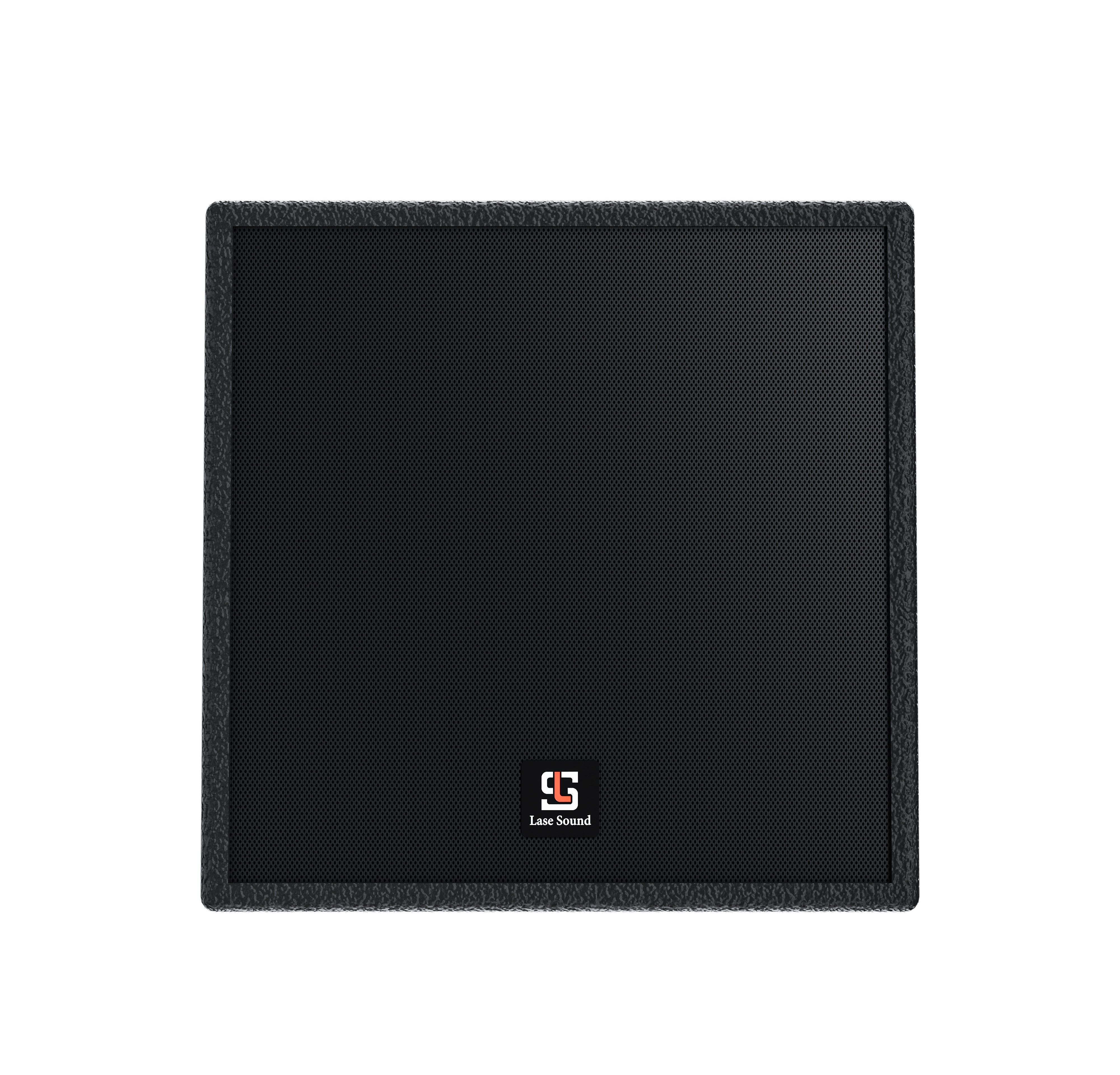
Lase Sound is relevant here because it offers more than one cabinet category. Its product range includes line array systems such as LA-Audio and A-Audio, plus professional speaker products, full-range speaker models, subwoofer cabinets, column speakers, and monitor solutions. This helps installers and rental firms build a complete sound reinforcement system instead of mixing random equipment from different sources.
Company scale also matters. Lase Sound owns a 13,500㎡ factory, works with 60,000+ cooperative customers, has 286 professional staff, and supplies audio solutions to 100+ countries and regions. For buyers placing repeat orders or building long-term projects, these figures support confidence in production capacity and export experience.
Manufacturing capability also adds trust. Lase Sound uses experienced operators for steel work processes such as milling, grinding, polishing, and chamfering. CAD-CAM design helps transfer customer requirements accurately into production, while professional assembly and testing help reduce errors before products reach installers or rental warehouses.
For a dealer, contractor, or rental owner, these details are not decoration. They affect whether the system arrives consistently, installs correctly, and performs under commercial pressure.
Common Mistakes When Buying Professional Line Array Speakers
Professional Line Array Speakers can disappoint when buyers focus on price or power instead of real project needs. The most expensive system is not always the best, and the cheapest system can become expensive if it causes callbacks, complaints, or repair costs.
Common mistakes include:
1. Buying by wattage only
SPL, coverage, sensitivity, and system design matter more than a large number on a spec sheet.
2. Ignoring the venue layout
A deep hall, balcony, or wide seating area may need fills, delays, or a different array configuration.
3. Underestimating low-frequency demand
A DJ event, worship band, or live concert usually needs more than one subwoofer.
4. Skipping safe rigging checks
A reliable rigging system protects people, equipment, and your business reputation.
5. Choosing products without spare-part support
Rental firms especially need quick repair paths and replaceable components.
6. Forgetting monitors and control
A main system without a stage monitor plan or proper DSP can cause performance problems.
7. Using one package for every job
A compact line array may suit indoor medium venues, but a larger touring sound system may be needed for outdoor shows.
The best approach is to define the business model first. If your company mainly handles permanent venues, choose stability and clean integration. If you run events every weekend, choose portability, durability, and modular expansion.
Final Buying Decision for Professional Line Array Speakers
Professional Line Array Speakers are the right investment when they improve coverage, reduce setup risk, and create long-term commercial value. For installers, the goal is fewer complaints and cleaner project delivery. For rental firms, the goal is higher booking flexibility, faster deployment, and equipment that stays profitable over time.
When comparing options, look beyond cabinet size. Check whether the supplier can support a complete line array speaker system, whether the system includes suitable subwoofer and monitor choices, whether the PA system can scale for different venues, and whether the manufacturer can deliver stable quality.
If you are comparing Professional Line Array Speakers for a project, rental package, or dealership plan, contact Lase Sound with your venue size, event type, and target budget. Ask Lase Sound for a practical system recommendation for Professional Line Array Speakers that can support real installation work and rental business growth.


 EN
EN


 Hot News