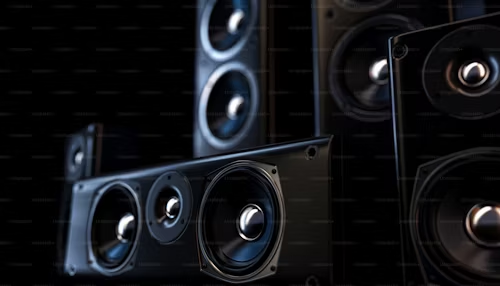
In recent years, the global live entertainment industry has experienced significant expansion, with concerts, music festivals, and brand roadshows becoming essential platforms for cultural communication and corporate marketing. According to industry research reports, the live events market is projected to grow steadily, driven by consumer demand for immersive experiences. As a result, enterprises and event organizers are increasingly investing in professional-grade Live Audio Speakers to meet audience expectations for sound clarity, power, and fidelity.
The demand is particularly strong in concerts, where thousands of attendees rely on consistent and high-quality sound coverage. For brand roadshows, where mobility and quick setup are crucial, Live Audio Speakers must combine portability with uncompromising performance. In both cases, the ability to reproduce detailed high-frequency vocals, powerful instrument amplification, and deep low-end dynamics plays a central role in delivering a successful event.
Another industry trend is the growing emphasis on multi-functional venues. Enterprises prefer Live Audio Speakers that can adapt to both indoor and outdoor environments, as well as different music genres. This versatility reduces operational costs while maintaining high performance across varied scenarios. Additionally, the logistics of transporting equipment between cities for tours or roadshows necessitate lightweight and durable designs, making equipment handling more efficient without sacrificing audio quality.
In summary, the demand analysis highlights that enterprises require Live Audio Speakers capable of balancing sound quality, portability, and adaptability. This has positioned professional live sound equipment as not only a technical investment but also a critical component of brand image and audience satisfaction.
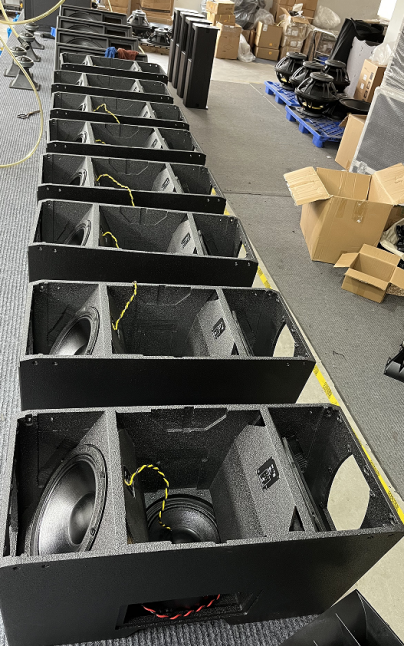
The selection of Live Audio Speakers is primarily guided by three technical characteristics: strong high-frequency detail expression, lightweight construction for mobility, and wide frequency response adaptability. Each feature plays a unique role in ensuring that the equipment meets the performance expectations of concerts and roadshows.
For concerts and brand events, the clarity of vocals and instruments directly influences audience engagement. Live Audio Speakers are designed with high-frequency drivers that deliver crisp detail, ensuring that vocals remain natural and articulate while instruments such as guitars, violins, and cymbals retain their brilliance. This high-frequency performance is critical for events with large audiences, where sound must travel long distances without distortion.
Touring requires frequent transportation and rapid installation of equipment. Lightweight Live Audio Speakers significantly reduce logistical challenges, enabling event organizers to save time and labor costs. Modern cabinet designs utilize durable yet light materials, ensuring the speakers withstand frequent handling without compromising performance. This design also supports quick assembly, which is especially valuable for roadshows with tight schedules.
Music genres vary from pop and rock to classical and electronic, each requiring different tonal balances. Live Audio Speakers with a wide frequency response can reproduce subtle low frequencies for orchestral works, punchy midrange for rock bands, and deep bass for electronic performances. This adaptability ensures that enterprises can use the same system across different events, improving cost efficiency while maintaining consistent sound quality.
By integrating these features, Live Audio Speakers deliver a balance of power, precision, and reliability. This combination not only meets technical performance requirements but also enhances audience experience, making the equipment an indispensable asset for enterprises managing concerts and brand promotions.
Choosing the right Live Audio Speakers involves more than evaluating technical specifications; it requires aligning equipment capabilities with the operational and strategic goals of the enterprise. Below are key recommendations for effective procurement.
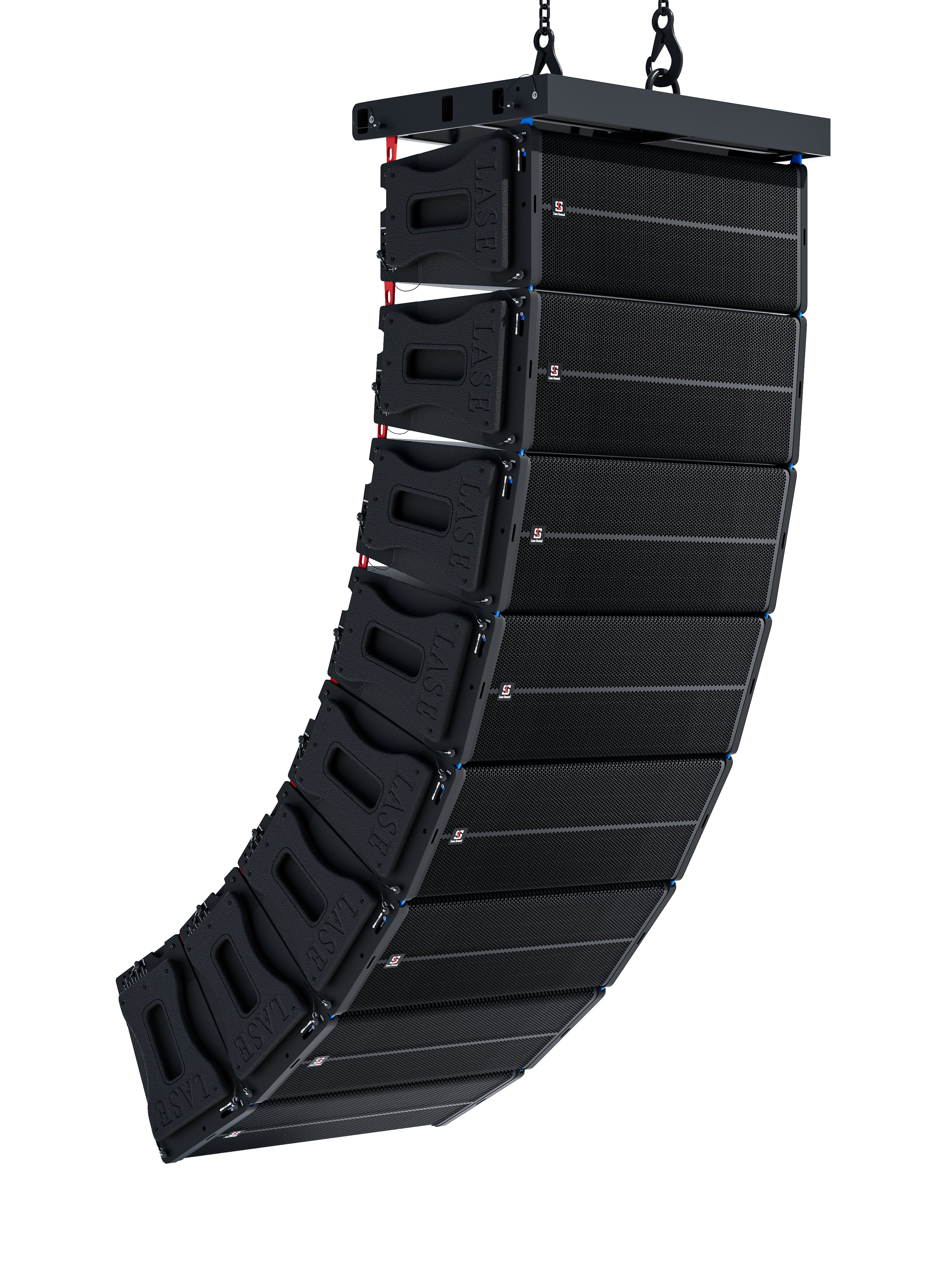
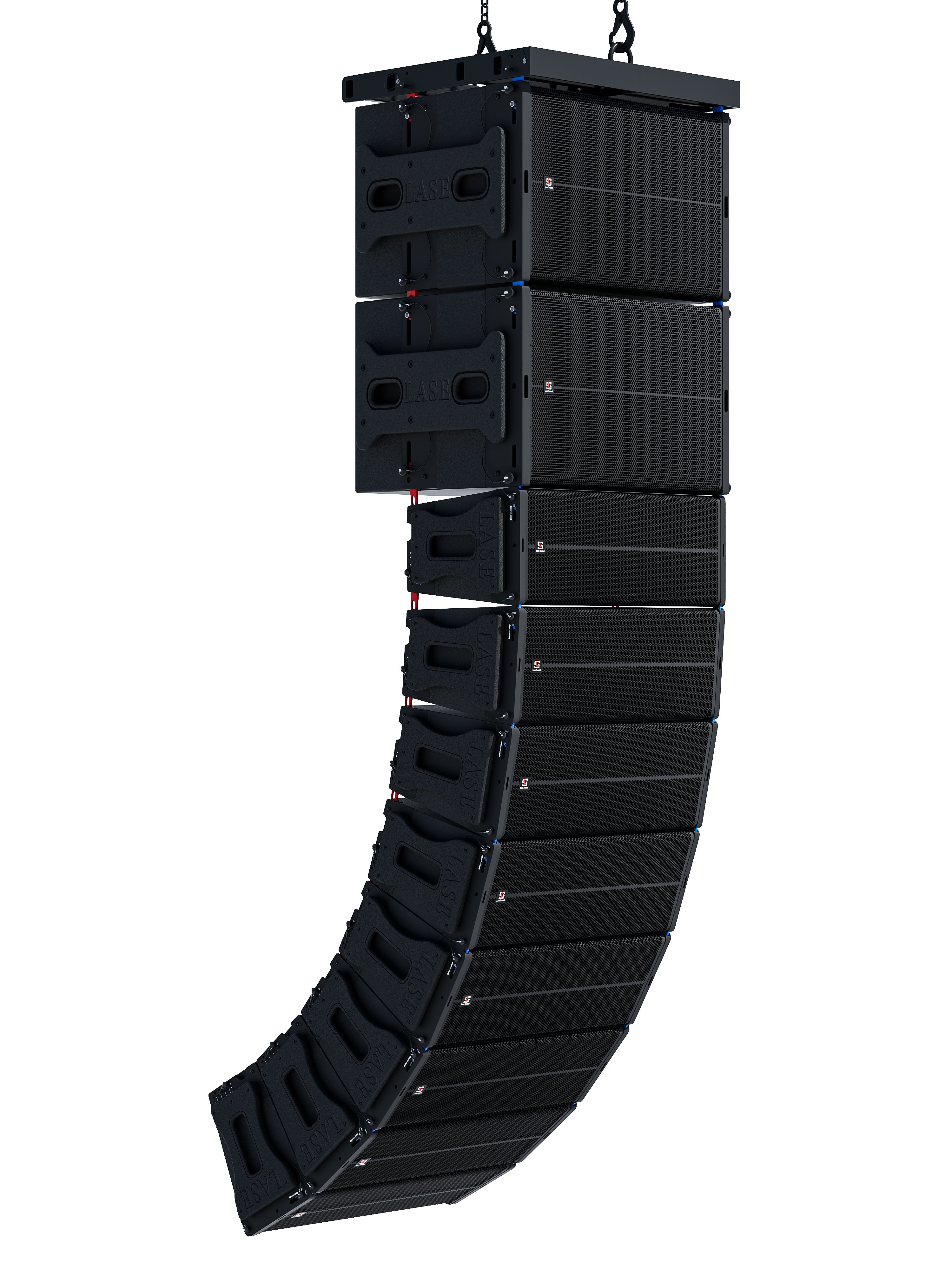
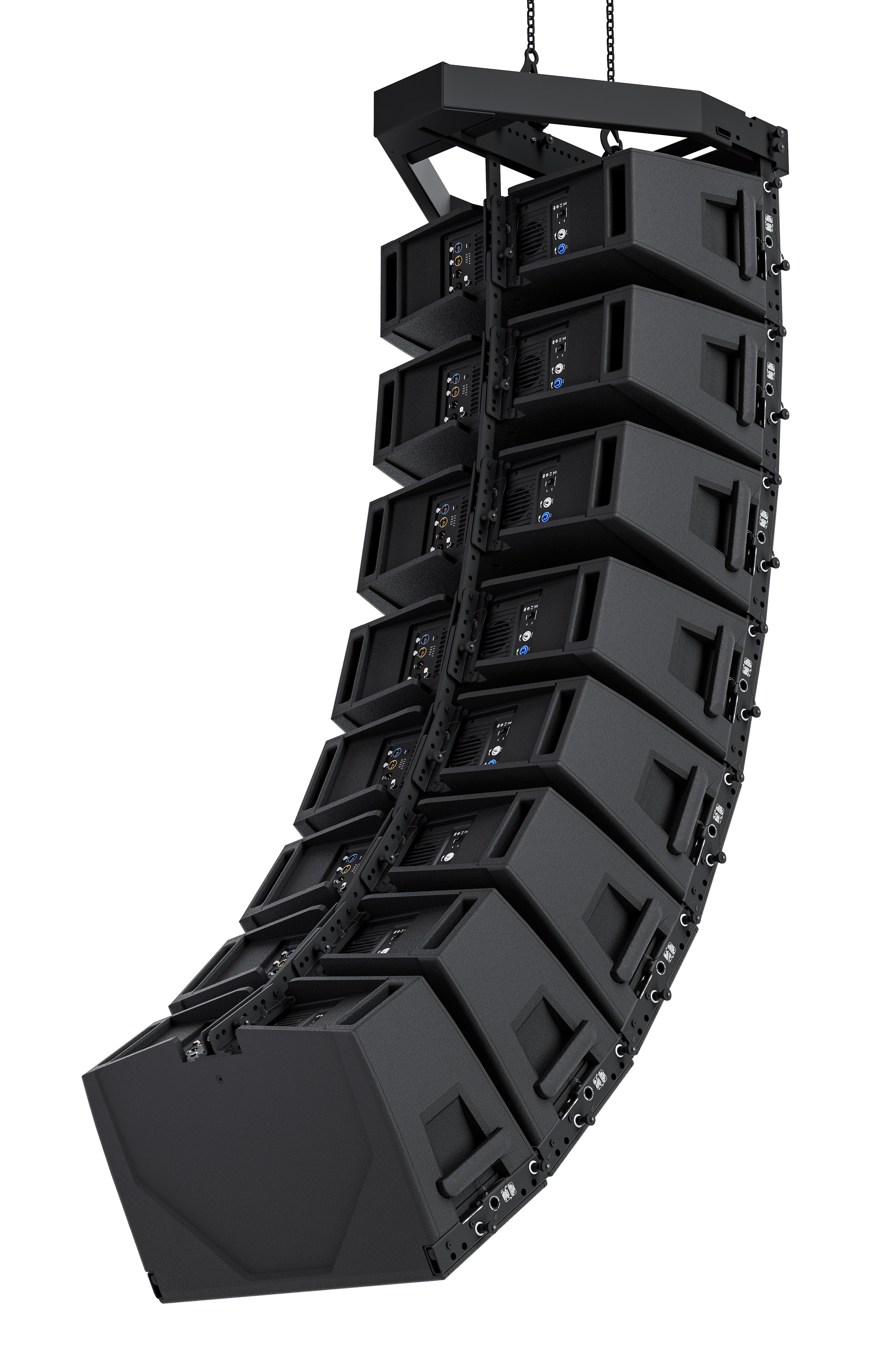
Enterprises should begin by analyzing the size, layout, and acoustic properties of the venue. Large-scale concerts in stadiums require line-array configurations of Live Audio Speakers to ensure even sound coverage, while brand roadshows in compact spaces benefit from smaller, portable setups. Accurate venue analysis helps prevent underpowered or oversized investments.
Given the dynamic nature of live events, equipment should support modular configurations. Live Audio Speakers with scalable arrays can be adapted from small gatherings to large concerts without requiring complete system replacement. This scalability ensures long-term cost efficiency and operational flexibility.
For touring enterprises, transport logistics are critical. Lightweight and durable Live Audio Speakers minimize wear and tear during frequent moves. Additionally, ease of setup—such as quick mounting systems—should be a selection priority. Equipment that reduces setup time directly contributes to smoother operations during roadshows.
Compatibility with mixers, amplifiers, and multimedia inputs is essential. Enterprises should select Live Audio Speakers that support a wide range of input interfaces, ensuring seamless integration into existing infrastructure. This compatibility reduces the need for additional investment in supporting equipment.
Enterprises must also account for after-sales service and maintenance requirements. Live Audio Speakers with durable construction and accessible components reduce downtime and maintenance costs. It is advisable to select systems backed by comprehensive service support, which guarantees reliability over extended periods of use.
By following these selection recommendations, enterprises can ensure that their investment in Live Audio Speakers aligns with both immediate event needs and long-term operational strategies. This strategic approach reduces risk, optimizes performance, and enhances overall audience satisfaction.
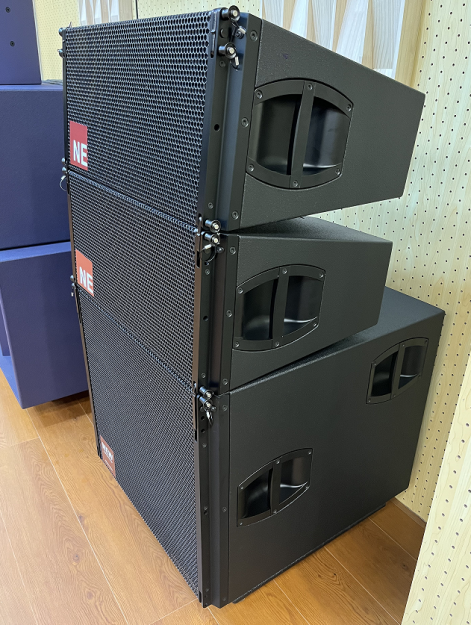
The procurement of Live Audio Speakers requires a structured process that aligns enterprise requirements with product capabilities. A transparent and systematic approach minimizes risks and ensures maximum return on investment.
The process begins with a detailed needs assessment, including venue analysis, event type, and expected audience size. Enterprises should clearly define sound coverage goals and operational constraints before engaging with suppliers.
Enterprises should conduct market research to identify reliable suppliers of Live Audio Speakers. Key evaluation criteria include product quality, customization capabilities, and service support. Direct engagement with suppliers allows enterprises to request demonstrations, review technical specifications, and confirm system adaptability.
After identifying potential suppliers, enterprises should request detailed quotations. Proposals must be compared not only on price but also on system scalability, warranty terms, and after-sales service. A well-structured budget ensures alignment between financial investment and expected performance outcomes.
Before final procurement, pilot testing of Live Audio Speakers in a real venue environment is recommended. This step validates performance claims and provides stakeholders with confidence in the final decision.
Once a supplier is selected, the process moves to delivery and installation. Enterprises should ensure professional installation and request training sessions for technical staff. Proper training guarantees the long-term performance of Live Audio Speakers while reducing operational risks.
By following this structured procurement process, enterprises not only secure high-quality Live Audio Speakers but also build long-term partnerships with reliable suppliers, ensuring smooth operations for concerts and brand roadshows.


 EN
EN


 Hot News