Understanding Eco-Friendly Column Speakers and Their Role in Sustainable Church Acoustics
What Makes a Column Speaker Eco-Friendly?
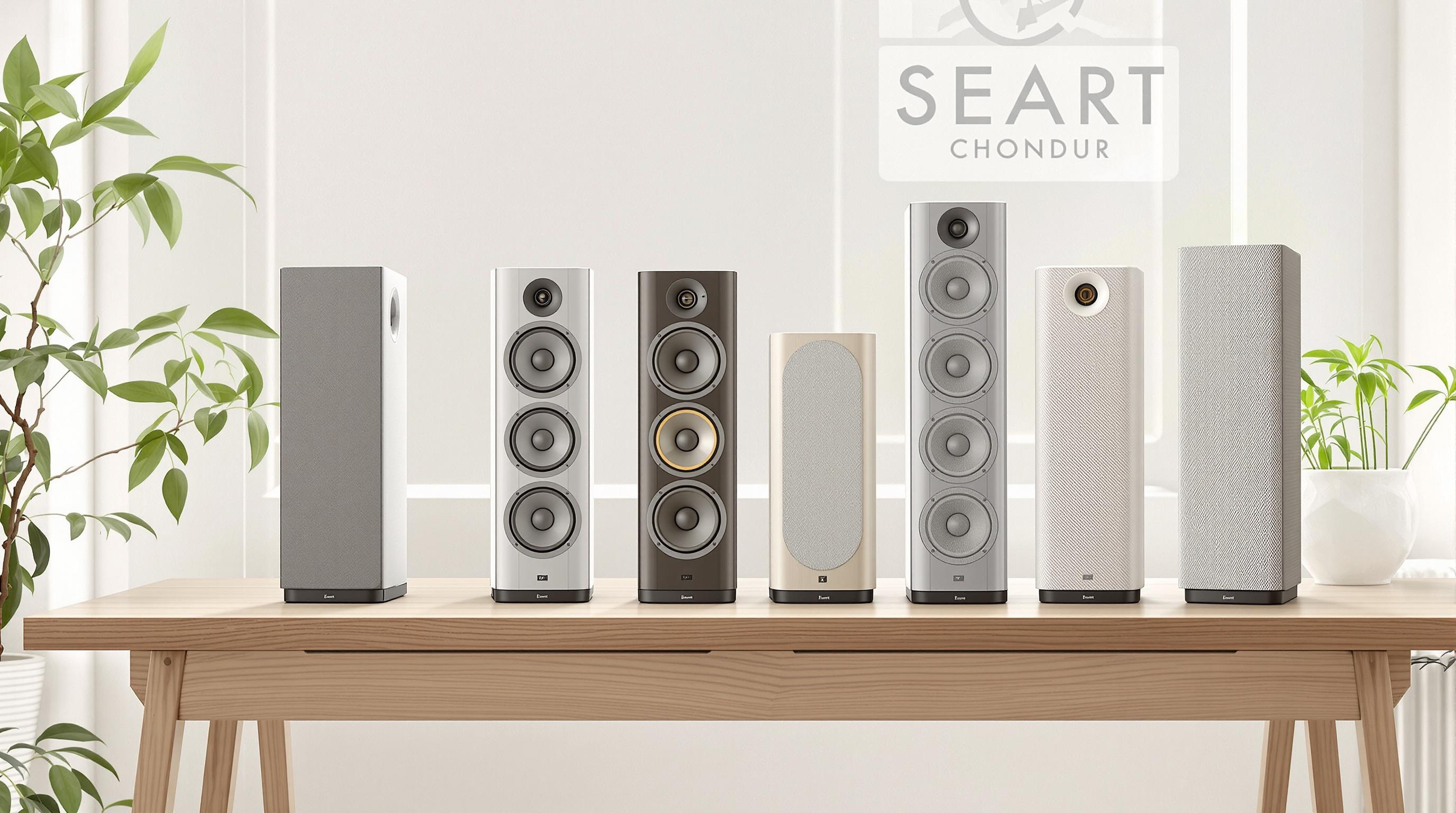
Eco-friendly column speakers incorporate sustainable design principles:
-
Material selection: Recycled plastics, FSC-certified wood, and organic acoustic fabrics
-
Energy efficiency: Class-D amplifiers consuming 30% less power than traditional models (Audio Engineering Society, 2023)
-
Lifecycle planning: Modular components designed for repair rather than replacement
| Traditional Materials | Sustainable Alternatives |
| Virgin plastics | 85% post-consumer recycled ABS |
| Standard metals | Low-carbon aluminum alloys |
| Synthetic foams | Organic cotton damping |
Manufacturers achieve 90% material recovery rates during disassembly through standardized fastening systems.
The Importance of Sustainability in Church Audio Systems
Churches face unique acoustic challenges with:
- Annual energy consumption averaging 2,100 kWh (1.5 tons CO
- Consistent demand for speech clarity and musical resonance
- Frequent equipment replacements due to maintenance cycles
Sustainable solutions include:
- Energy Star-certified amplifiers reducing idle power by 65%
- Software-upgradable DSP modules extending hardware lifespan
- VOC-free cabinet finishes for safer installations
Environmental Benefits of Eco-Friendly Column Speakers
Adopting sustainable audio technology delivers measurable advantages:
- 40% lower manufacturing carbon footprint versus conventional systems
- Power savings equivalent to 12 mature trees' annual CO absorption
- 75% recyclable component mass (vs. 35% in traditional systems)
Churches report 50% less e-waste over 10 years through:
- Modular driver replacements
- Manufacturer take-back programs for rare earth magnets
- Biodegradable packaging eliminating 200 lbs of styrofoam per install
Common Sustainable Materials Used in Speaker Construction
Leading designs incorporate:
-
Recycled PET plastics: Post-consumer waste with durability matching virgin materials
-
Bamboo composites: Rapidly renewable alternative to wood enclosures
-
Upcycled metals: Reclaimed aluminum/steel alloys for structural parts
-
Bio-based polymers: Plant-derived resins replacing petroleum plastics
These materials reduce manufacturing energy use by 30-45% while meeting acoustic standards (PlayItGreen 2024).
Delivering Clear Speech and Rich Music with Eco-Conscious Audio Technology
Modern eco-friendly speakers achieve professional audio quality through:
- Bamboo composites and recycled aluminum enclosures for optimal rigidity
- 40Hz–20kHz frequency response (±3dB), comparable to audiophile components
- Speech transmission scores exceeding 0.75 (STI), crucial for sermon clarity
Key design innovations:
- Frequency-specific materials like mycelium-based dampers
- Recycled rare-earth magnets matching neodymium performance
- 3D-printed waveguides from plant-based polymers
Churches report 40% lower AV energy costs (House of Worship Tech Survey 2023) without sacrificing audio quality.
Blending Speaker Design with Modern Church Interior Aesthetics
Slender vertical profiles and sustainable materials like FSC-certified wood veneers allow seamless integration with both traditional and contemporary spaces. Neutral color options (grays, matte blacks) complement stone walls or wooden pews, while magnetic grille covers adapt to interior themes.
Minimalist Placement and Invisible Integration Techniques
Strategic installation methods reduce visual impact:
- Wall-mounted designs tucked behind pillars or artwork
- Directional high-frequency drivers for ceiling-recessed placement near pulpits
- Custom wood housings mimicking structural columns in historic churches
This approach requires 35% fewer visible components than conventional setups (2023 AV design survey).
Aligning Audio Design with Sacred Space Architecture
Adjustable coverage patterns address unique acoustic challenges:
- Narrow dispersion prevents excessive reflections in Gothic Revival spaces
- Wide dispersion ensures even coverage in contemporary halls
Maintains speech intelligibility without structural modifications.
Lifecycle Sustainability: From Manufacturing to End-of-Life Disposal
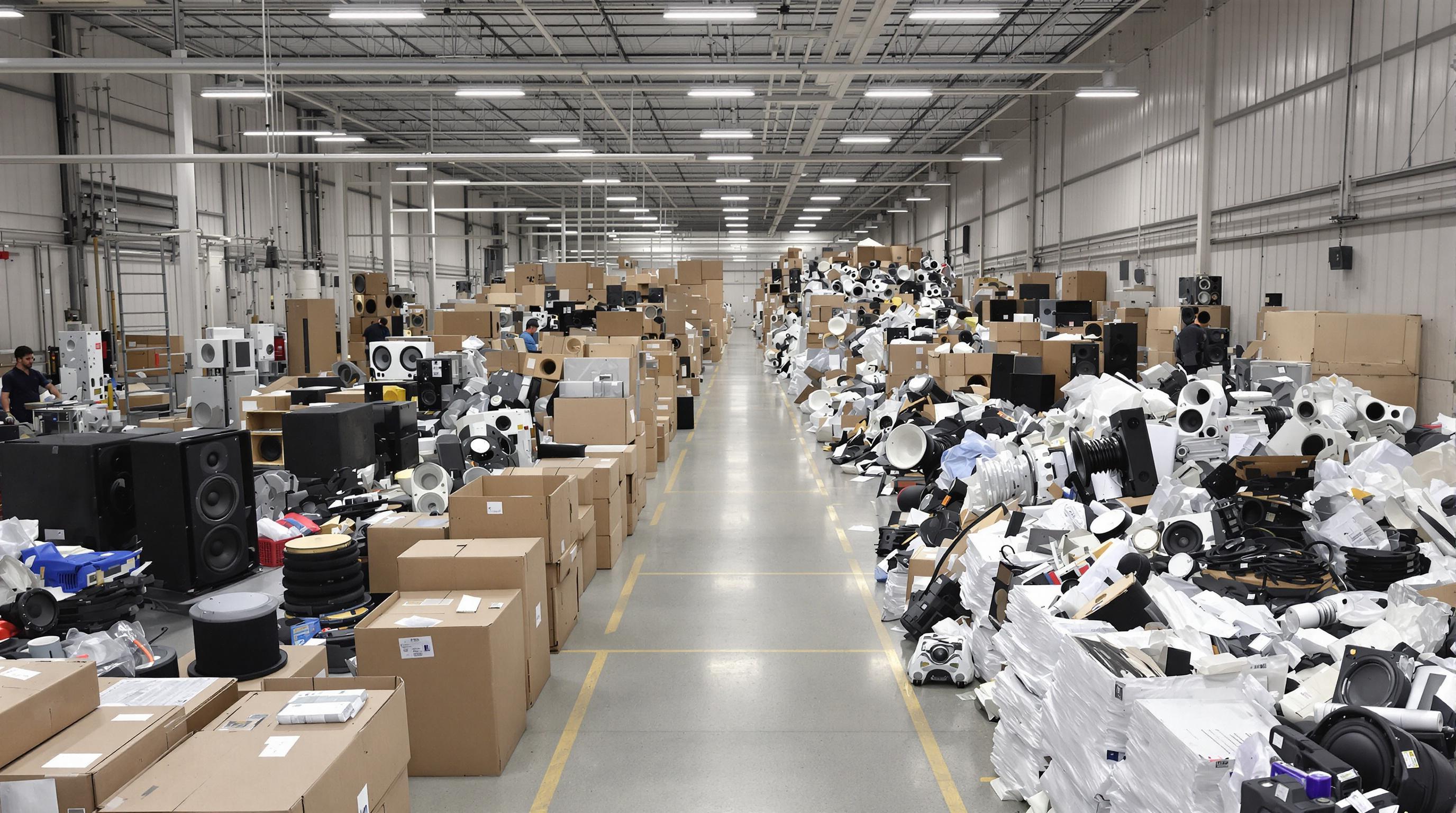
Reducing Carbon Footprint in Production
Sustainable manufacturing features:
- 80% recycled aluminum content in leading models
- Renewable-powered factories cutting emissions by 40% (EPA 2023)
- Modular designs extending system lifespans 7–10 years
Responsible Disposal and Upgrading
End-of-life solutions include:
- 65% component recycling through certified e-waste programs
- Manufacturer refurbishment initiatives
- Upgradeable systems reducing e-waste by 32% (Circular Electronics Report 2024)
FAQ
What materials are commonly used in eco-friendly column speakers?
Eco-friendly column speakers often use recycled PET plastics, bamboo composites, upcycled metals, and bio-based polymers. These materials support sustainability by reducing manufacturing energy use while maintaining acoustic standards.
How do eco-friendly column speakers improve church audio systems?
These speakers integrate energy-efficient components like Class-D amplifiers and modular designs, providing clear speech and music quality and reducing energy consumption and e-waste.
Are there environmental benefits to using eco-friendly column speakers in churches?
Yes, they offer a 40% lower manufacturing carbon footprint, enhanced recyclability, and energy savings that equate to significant environmental benefits, including reduced e-waste and carbon emissions.


 EN
EN



 Hot News