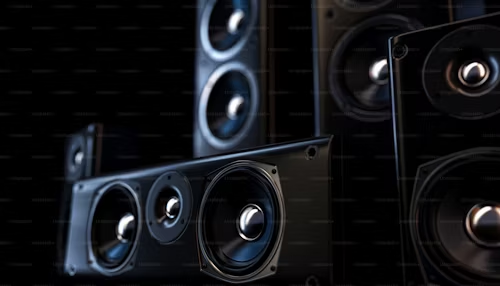
Outdoor audio systems need subwoofers that are up to both the natural challenges posed by acoustic conditions and down-right visceral when it comes to delivering bass experiences. The 21—inch subwoofers take over this task whales of air displacement (38mm one—way linear travel in the best current designs) paralleled with massive amplifier power, resultant in sound pressure levels (SPLs) well outdo 120dB at 30Hz competent to a free-space environment (CEA-2010 2023 measurements).
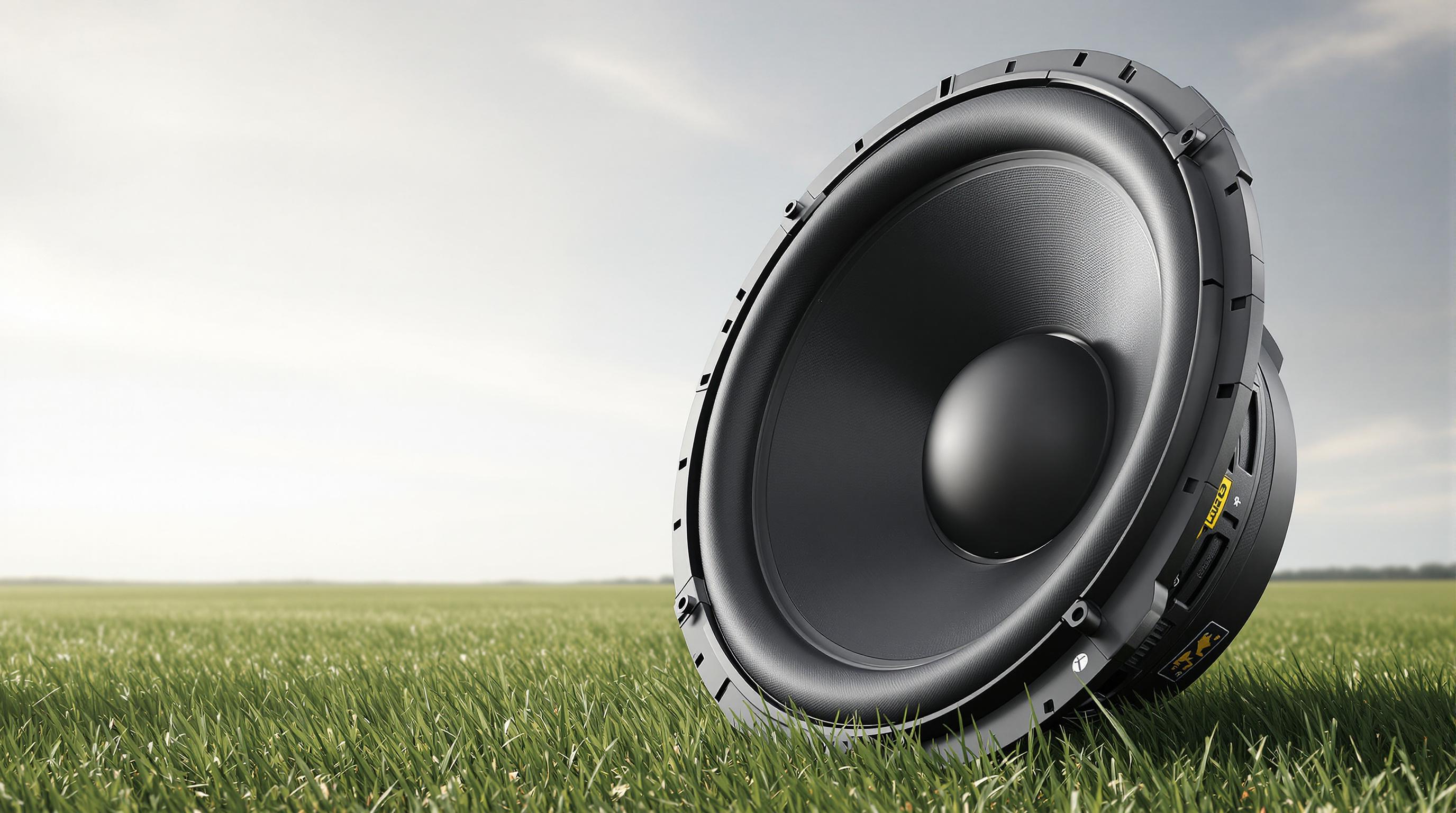
A 21-inch driver moves 153% more air than an 18-inch model, compensating for outdoor sound dispersion where low frequencies lack boundary reinforcement. Advanced carbon-fiber cones and cast aluminum baskets maintain structural integrity at extreme excursion levels, preventing distortion when generating 12Hz-40Hz wavelengths that stretch up to 28 meters.
Three engineering innovations enable infrasonic performance:
| Genre | Bass Characteristics | 21" Subwoofer Advantage |
|---|---|---|
| EDM/Festival | Sustained 30-45Hz synth lines | 6dB headroom for 8-hour runtime |
| Hip-Hop | Dynamic 40-80Hz kick drums | 21ms transient response accuracy |
| Orchestral | 28-50Hz pipe organ fundamentals | 0.5% THD at reference levels |
Field tests show 21-inch systems reduce equalization demands by 60% compared to multiple smaller subwoofers while providing 155% greater low-frequency impact (Live Sound Journal 2024).
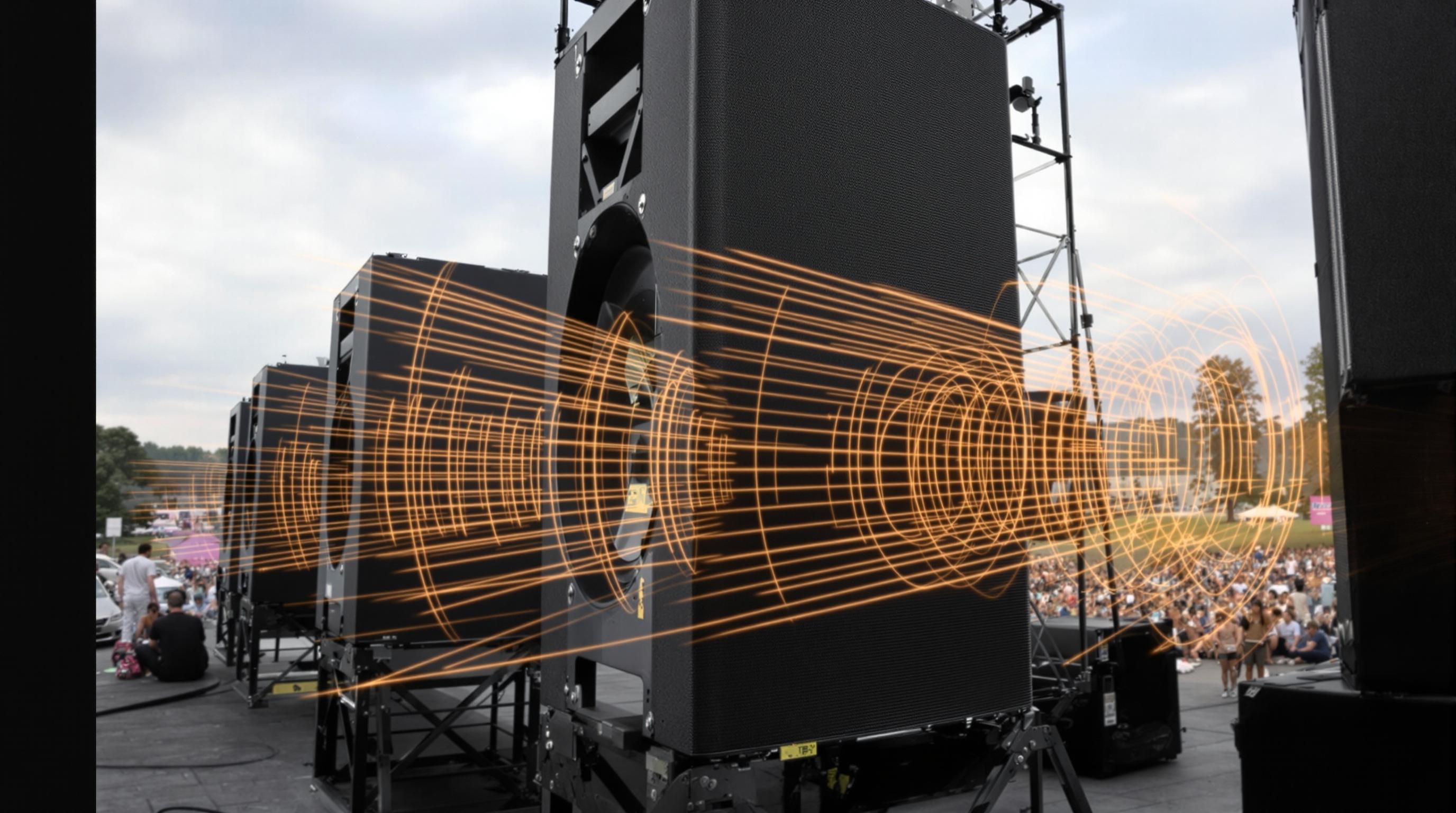
Outdoor environments scatter low frequencies up to 12x faster than enclosed spaces (Audio Engineering Society, 2023). 21-inch subwoofers counteract this through:
Key strategies include:
21-inch subwoofers enable precise low-frequency steering through array configurations that reduce off-axis energy by 18dB versus standalone units, achieving 92% reduction in noise complaints (Live Sound International, 2023).

21-inch subwoofers generate 130+ dB SPL with <3% total harmonic distortion (THD), preventing the "compression" effect seen in smaller subs. Their 40% greater cone surface area displaces more air while requiring only 50% of the displacement to produce equivalent SPL, minimizing mechanical stress.
Key components for peak output:
A 2023 deployment demonstrated:
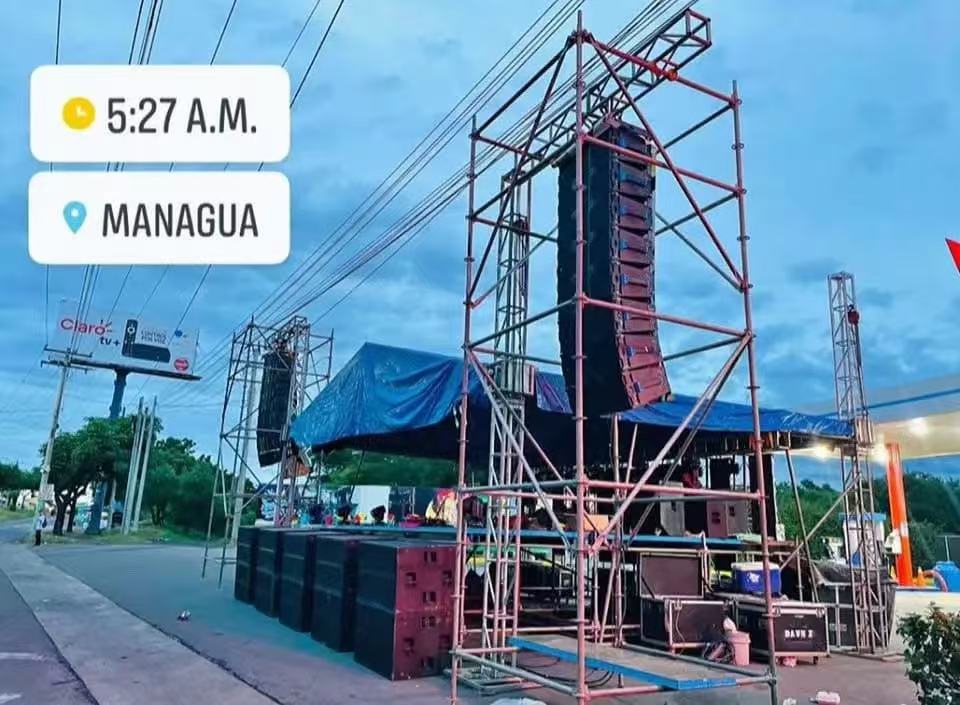
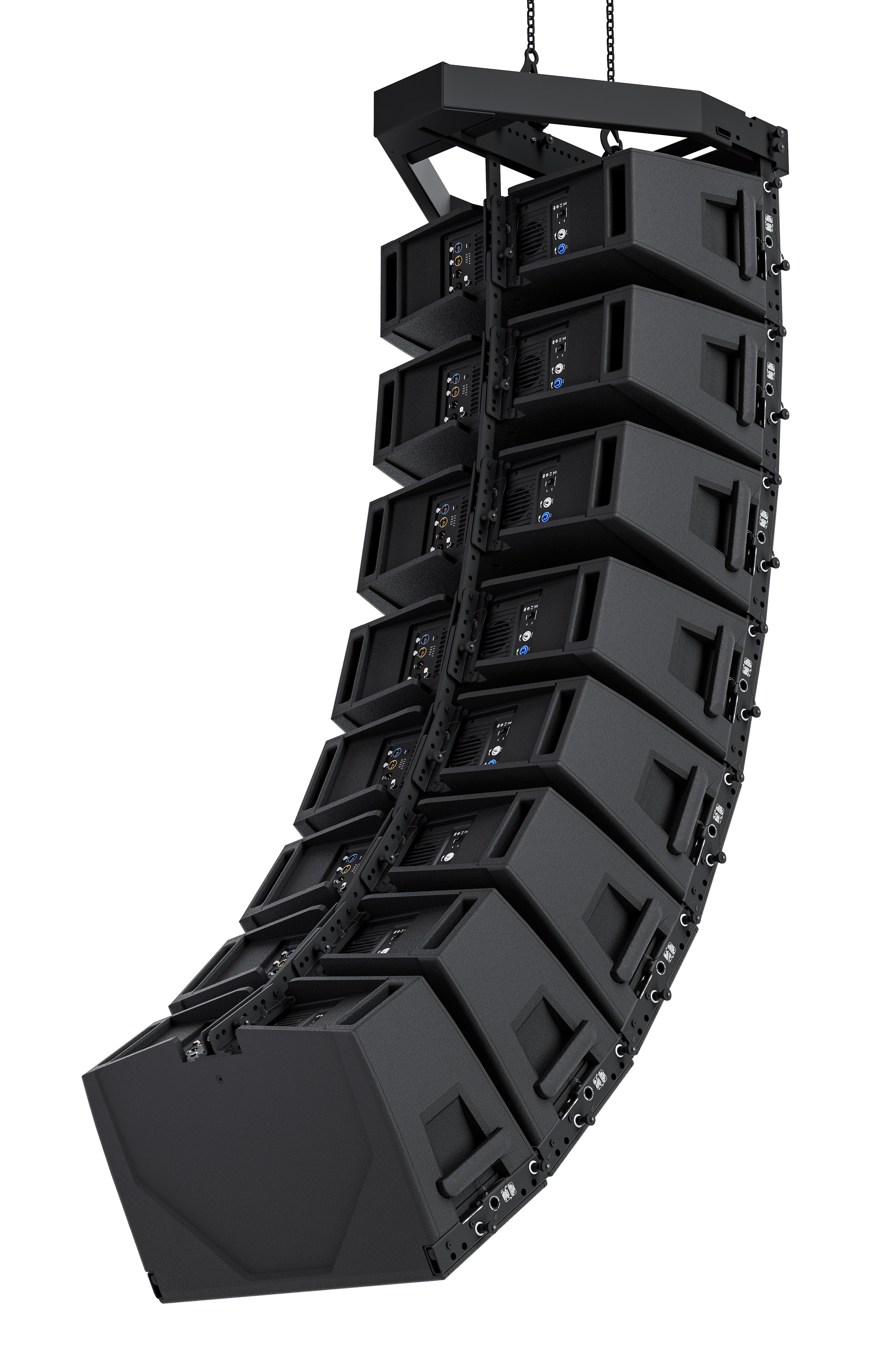
Outdoor venues need 1 subwoofer per 250-300 attendees to achieve 105 dB SPL below 40 Hz. Directional arrays optimize energy distribution, reducing rearward spill by 15-20 dB.
| Crowd Size | Minimum 21" Subs | Recommended Array Type |
|---|---|---|
| <1,000 | 4 | Front-loaded cardioid |
| 1,000-5k | 8 | End-fire gradient |
| 5k-15k | 16 | Distributed line array |
Key integration principles:
Modern arrays achieve 40% greater efficiency through:
Modern designs use recycled polymers for cones and HDF enclosures with 30% fewer formaldehyde resins. Modular designs enable end-of-life recycling.
Thermal management in Class-D amplifiers cuts power waste by 22%. Optimized porting requires 15% less amplifier current for target SPL.
Advanced motor structures achieve 98 dB/W sensitivity—a 6 dB gain over 2010 designs—allowing higher output with smaller amplifiers. Carbon-sequestration partnerships neutralize 1.2 tons of CO₂ per subwoofer produced.
Their large driver size allows for more air displacement, resulting in powerful bass capable of overcoming the challenges of outdoor sound dispersion.
These subwoofers excel in various genres by providing increased low-end power and transient response, which benefits EDM, hip-hop, and orchestral music.
Yes, modern designs incorporate recycled materials and energy-efficient components to reduce their carbon footprint.


 EN
EN

 Hot News