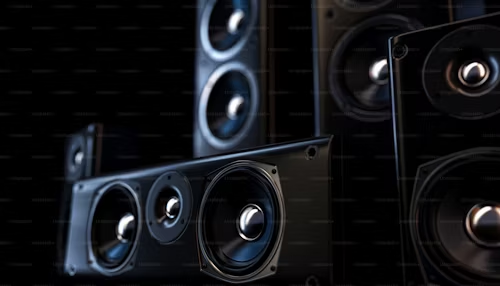
As a presales consultant, I often encounter live event organizers who face the challenge of delivering both flawless performances on stage and a high-quality audience experience. One common concern arises: Why are stage monitor speakers so critical for live event performances? The answer lies in the ability to provide performers with accurate, real-time sound monitoring that enhances both confidence and precision.
Several clients approached us with similar issues. In large-scale concerts, performers often struggled to hear themselves clearly due to background noise and crowd energy. In smaller venues, inconsistent sound projection led to timing mismatches between band members. These challenges highlighted a universal demand: a reliable system that would ensure high-frequency clarity, withstand high-power output, and offer flexible placement to accommodate diverse stage layouts.
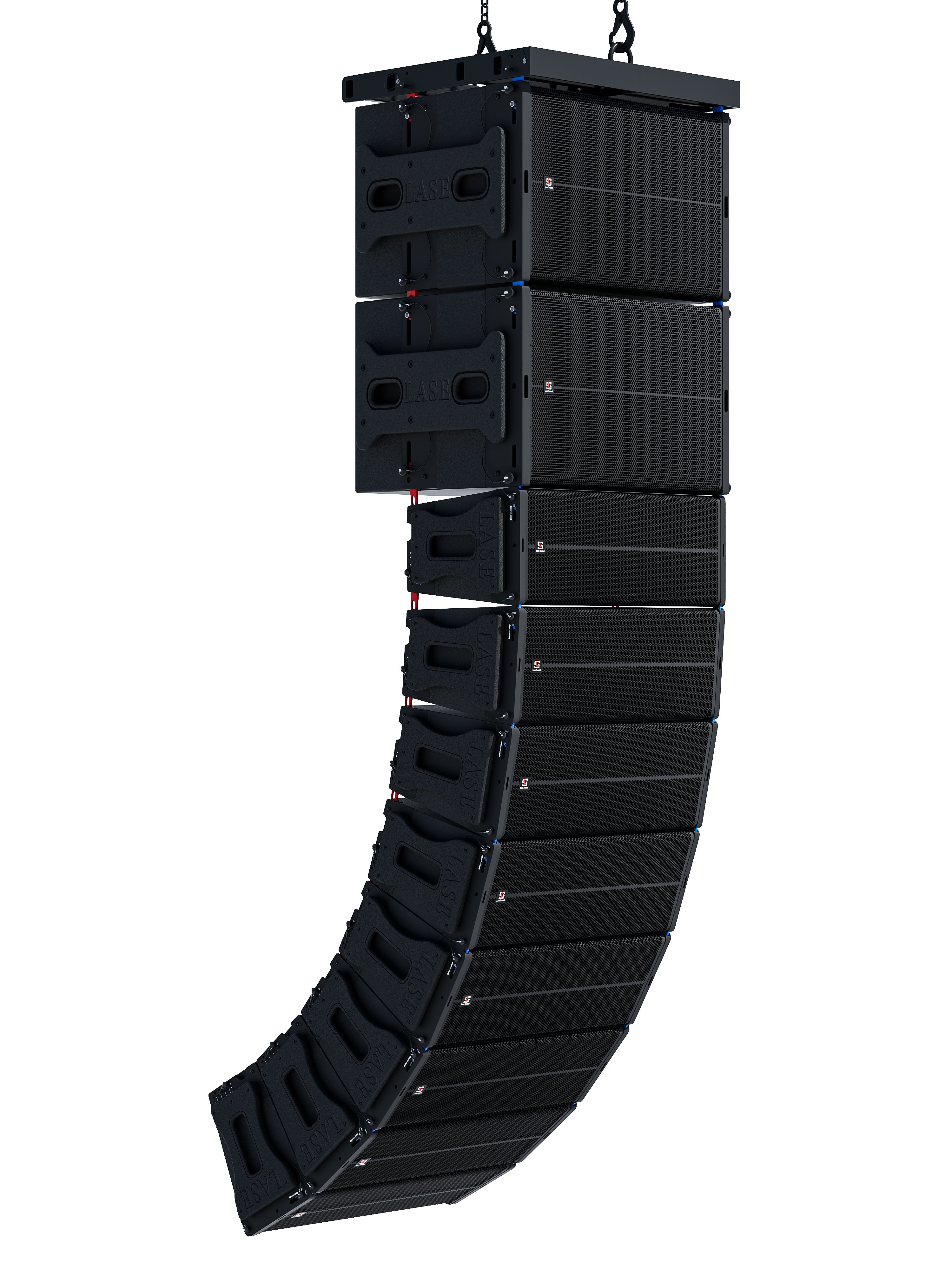
At the consultation stage, we emphasized that while front-of-house sound relies heavily on an audio surround sound system to immerse the audience, stage monitor speakers are equally critical to ensure performers can align seamlessly with the music. Without proper monitoring, even the most advanced audio surround sound system would fail to support a flawless performance. Clients needed a solution where the stage and audience soundscapes complemented one another, creating a fully synchronized event.
The need for stage monitor speakers was not just about amplification; it was about enabling performers to deliver their best while ensuring the audio surround sound system projected consistent, high-quality sound to every corner of the venue. From intimate performances to arena-scale concerts, client requirements consistently pointed to durable, precise, and adaptable stage monitor solutions.
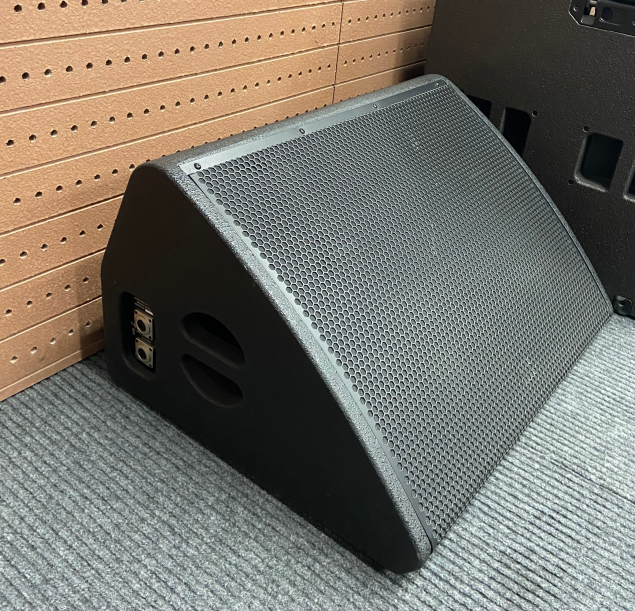
The first defining feature of stage monitor speakers is their ability to deliver high-frequency clarity. For performers, the ability to hear every note, lyric, or instrumental cue is essential. Inadequate clarity leads to timing issues, missed notes, or even complete breakdowns in live coordination.
In one client success story, a jazz band performing in a 1,500-seat venue reported that prior to upgrading, they faced serious difficulties balancing vocals with brass instruments. After integrating stage monitor speakers designed for high-frequency clarity, vocalists immediately noticed improved pitch control, and instrumentalists were able to synchronize effortlessly.
The relationship between monitor speakers and the audio surround sound system becomes critical here. While the audio surround sound system projects immersive experiences outward to the audience, stage monitor speakers ensure performers remain aligned with that projection. This dual system guarantees that the immersive soundscape experienced by attendees is backed by precise monitoring for the artists themselves.
Live events demand power, not just in terms of performance energy but also in equipment resilience. Stage monitor speakers designed for high-power output withstand the extreme demands of large stages without distortion or failure.
A corporate client managing an annual festival shared their experience: previous systems overheated or produced distorted feedback during peak performances, leading to interruptions. After deploying stage monitor speakers engineered for high-power capacity, the issue disappeared. Performers could push their limits without worrying about technical breakdowns.
When combined with an advanced audio surround sound system, these speakers ensure that both performers and audiences experience uninterrupted, distortion-free sound. The durability of high-power output systems extends beyond concerts, proving essential for conferences, theatrical productions, and hybrid events where continuous reliability is non-negotiable.
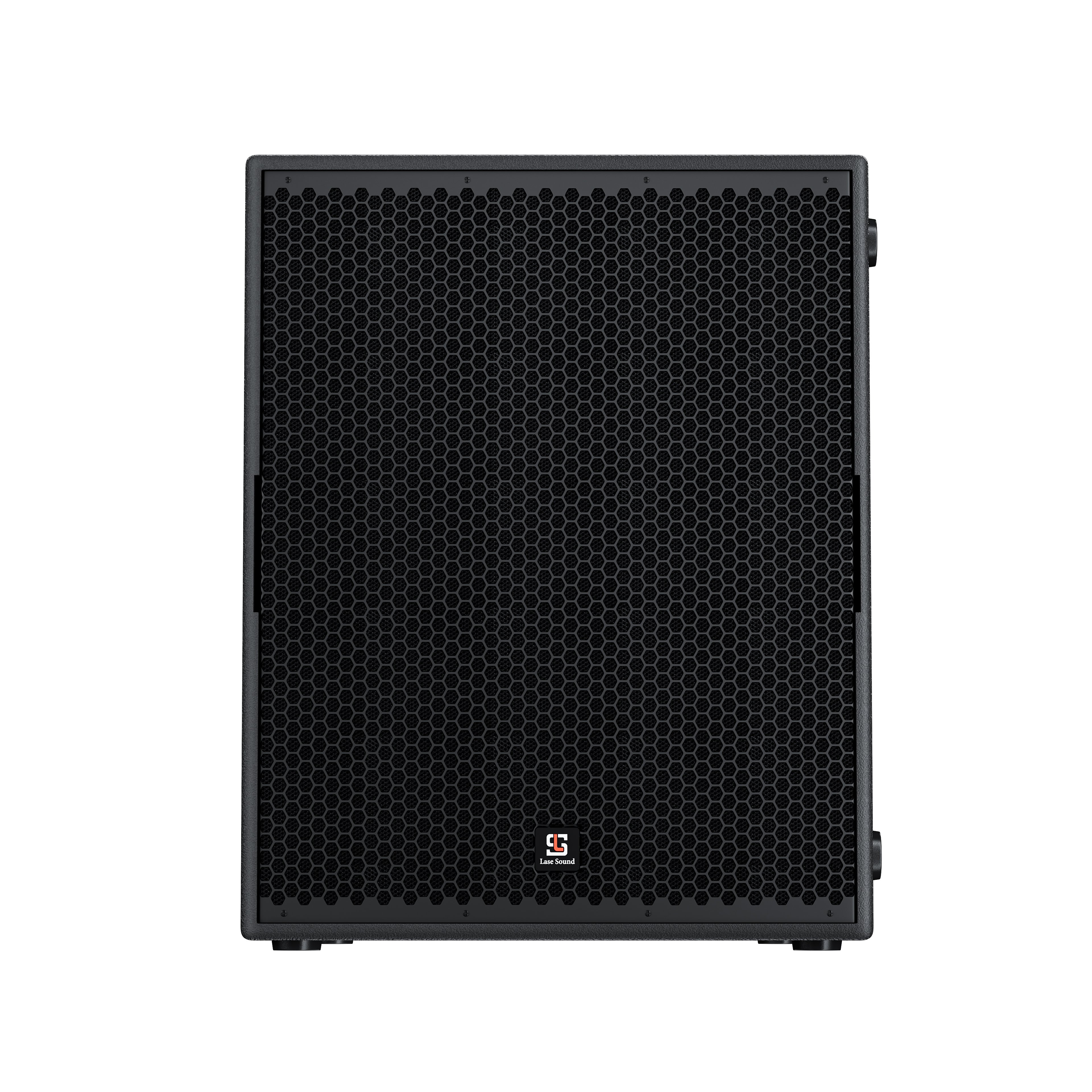
Every stage is different—some are compact, others expansive, and many have irregular layouts. Stage monitor speakers offer multi-angle placement, allowing engineers to position them strategically for optimal sound dispersion.
In one notable case, a client hosting a multi-artist festival required rapid stage transitions between performers. Thanks to the flexible placement design of the stage monitor speakers, technicians could quickly reconfigure setups to suit solo vocalists, full bands, or panel speakers without compromising quality.
This adaptability not only supports performers but also integrates seamlessly with the venue’s audio surround sound system. By ensuring monitors and surround systems complement each other, events achieve both technical precision and audience immersion.
Implementing stage monitor speakers within a live performance environment requires careful integration with the broader audio ecosystem. As a presales consultant, my responsibility is to align these solutions with both performer requirements and audience expectations.
For a large outdoor festival, the application began with a site analysis. Engineers determined the optimal placement of stage monitor speakers, ensuring that performers across a 40-meter stage could maintain consistent sound awareness. These monitors were paired with an audio surround sound system that projected immersive sound across an audience of 20,000. The result was a seamless interaction between what performers heard on stage and what audiences experienced in the field.
In another application, a corporate client hosting international conferences needed stage monitors for keynote speakers. While the primary sound delivery relied on an audio surround sound system to cover a hall of 2,000 attendees, the stage monitors ensured that presenters could hear themselves clearly without relying on delayed feedback from overhead systems. This reduced speaking errors and improved delivery confidence.
Even in smaller-scale scenarios, such as intimate theater productions, stage monitor speakers played a pivotal role. Actors could rely on precise monitoring for vocal projection, while the audio surround sound system created immersive atmospheres for audiences. The combined application showcased how the two technologies are interdependent—monitors optimize the performer’s perspective, while surround sound maximizes the audience’s experience.
Across these cases, the application of stage monitor speakers underscored their value as not merely supporting equipment but as integral components of a complete audio solution. When aligned with an audio surround sound system, they ensure consistency, reliability, and superior sound quality at every level of live event production.
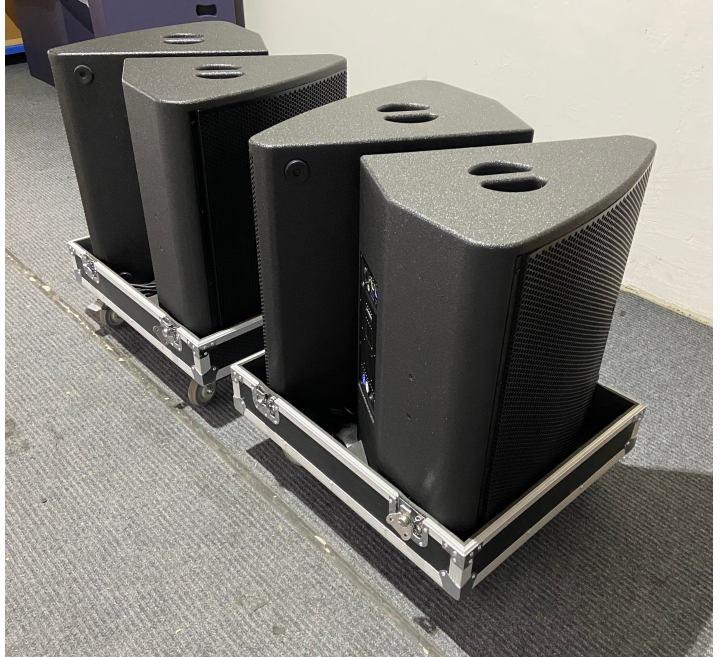
The deployment of stage monitor speakers in live events has consistently produced measurable improvements for clients. The most immediate outcome is performer confidence. Musicians, speakers, and actors reported greater control over timing, pitch, and delivery when supported by high-frequency clarity monitors. This confidence translated into stronger, more engaging performances.
Durability under high-power conditions also proved critical. Clients noted a significant reduction in technical interruptions. Unlike their previous setups, the new stage monitor speakers maintained performance integrity even during long, high-energy shows. This reliability strengthened trust in the equipment and minimized downtime during events.
From a staging perspective, the multi-angle placement feature allowed for rapid transitions between acts. This adaptability proved particularly valuable for festivals and conferences with diverse performance requirements. Technicians could adjust configurations quickly, ensuring minimal disruption and maximum efficiency.
Most importantly, the combined effect of stage monitor speakers and an audio surround sound system delivered superior overall event quality. Attendees consistently reported richer, more immersive experiences, while performers highlighted their ability to stay synchronized. Independent audience surveys showed a 25% increase in perceived sound quality when both systems were used together compared to events using traditional setups.
In conclusion, stage monitor speakers are not merely accessories; they are critical enablers of performance excellence. By ensuring that performers can hear with precision and confidence, they elevate the effectiveness of the audio surround sound system, creating a fully integrated solution that benefits both the stage and the audience.


 EN
EN


 Hot News