Ask ten sound engineers whether they prefer sealed or ported subwoofer speaker designs, and you’ll likely get eleven opinions. The truth? Neither is universally “better.” The right choice depends entirely on your application’s acoustic demands, physical constraints, and performance priorities. At Lase Sound—where we’ve deployed over 60,000 systems across 100+ countries—we help clients cut through the hype by matching enclosure physics to real-world use cases.
Let’s break down when to choose which—and why it matters more than you think.
The Physics Behind the Box
All subwoofer speaker enclosures manipulate air compliance to extend low-frequency response. But they do it differently:
This isn’t academic. In practice, these differences dictate everything from intelligibility in speech venues to punch in EDM drops.
When to Choose Sealed: Precision Over Power
Sealed subwoofer speaker systems shine where control trumps raw output:
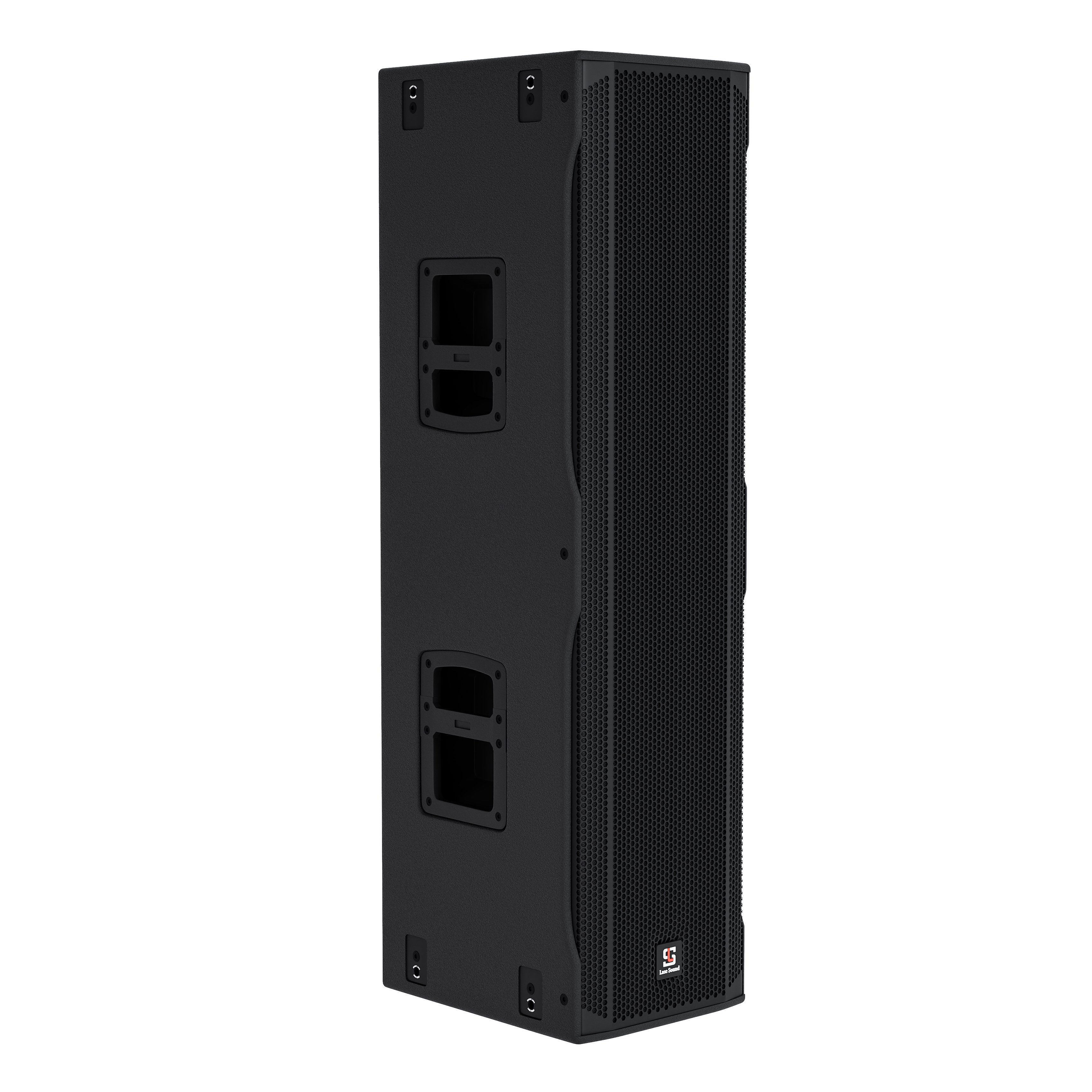
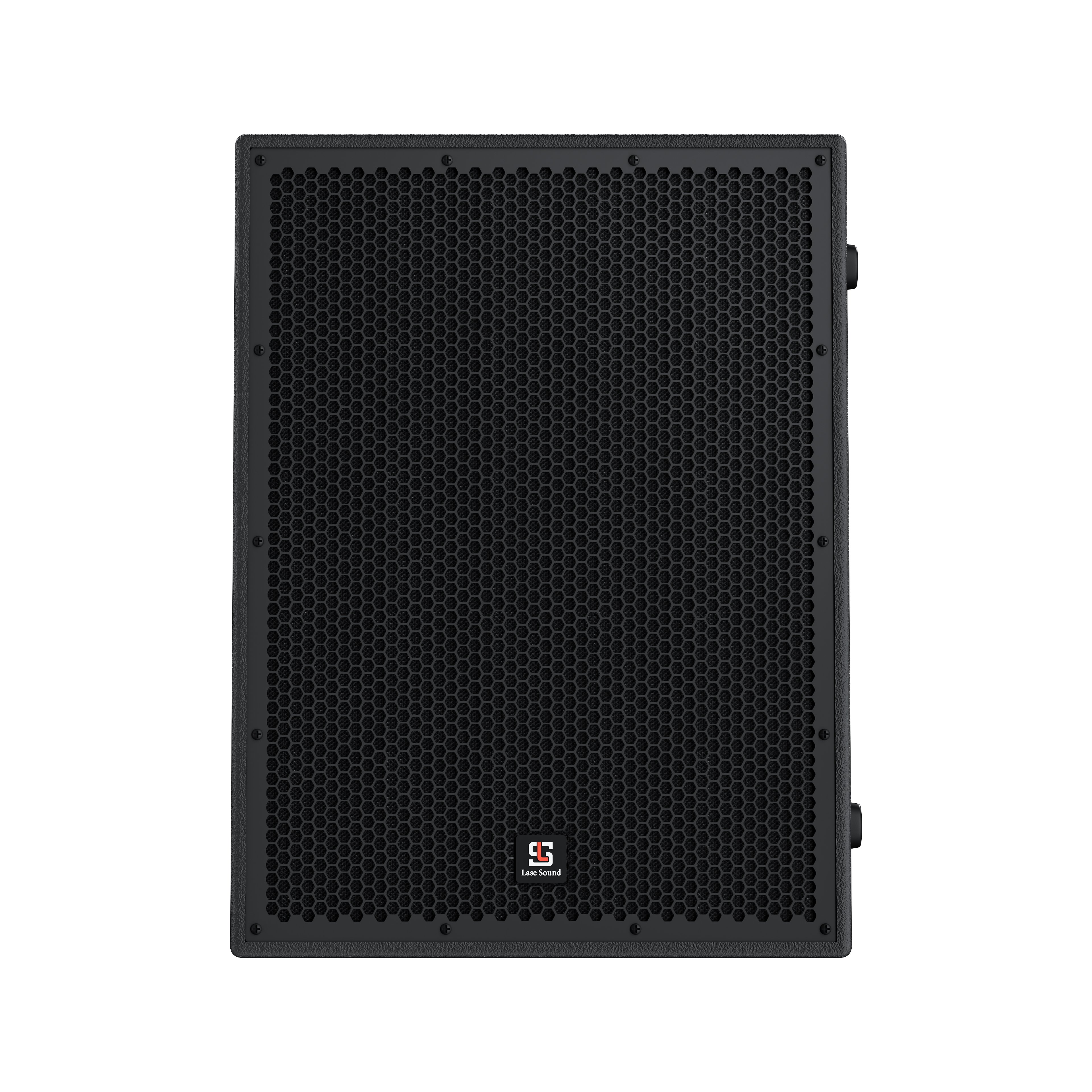
Our A-10S subwoofer—paired with the A-10W top—uses a reinforced sealed design precisely for these scenarios. Its transient speed ensures kick drums snap, not smear. And because there’s no port to tune, performance stays consistent even if the cabinet gets dusty or partially obstructed—a real concern in permanent installs. Plus, sealed designs exhibit more predictable thermal behavior during long events, as internal pressure stabilizes voice coil cooling.
When to Go Ported: Efficiency and Impact
Ported subwoofer speaker enclosures dominate where maximum SPL per watt matters:
But beware: poor port design causes “chuffing” (air turbulence noise) at high volumes. That’s why our ports undergo CFD (Computational Fluid Dynamics) simulation during CAD-CAM development—ensuring smooth airflow even at 130+ dB. Cheap ports whistle; ours disappear. Additionally, our ported subwoofer speaker cabinets feature internal bracing tested to withstand repeated truck transport—because a cracked baffle ruins tuning faster than a blown driver.
The Hidden Factor: System Integration
Your subwoofer speaker doesn’t live in isolation. It must blend seamlessly with mids and highs. This is where Lase Sound’s integrated approach pays off.
Our LA-series subwoofer speaker units ship with factory-aligned DSP presets that handle:
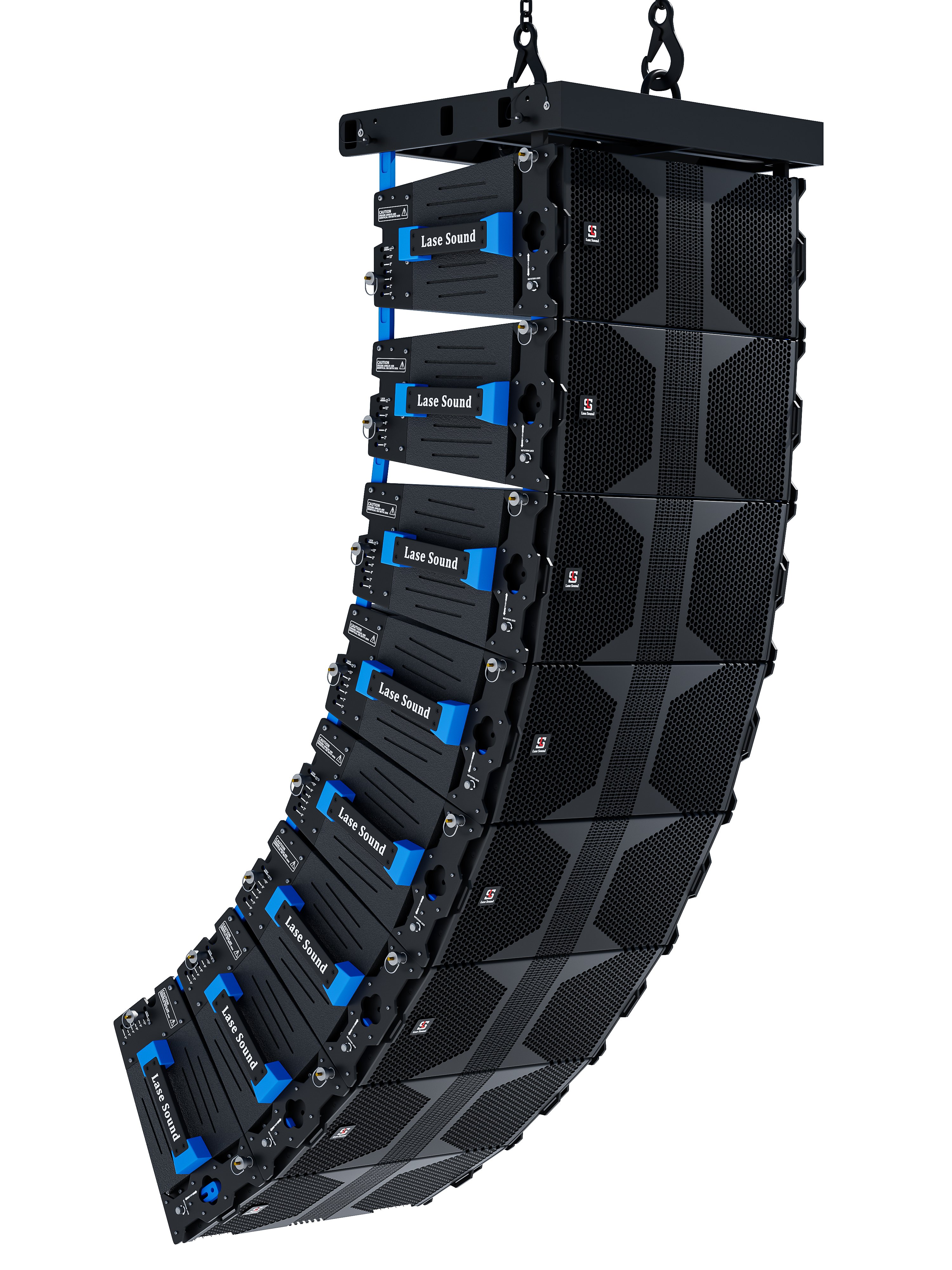
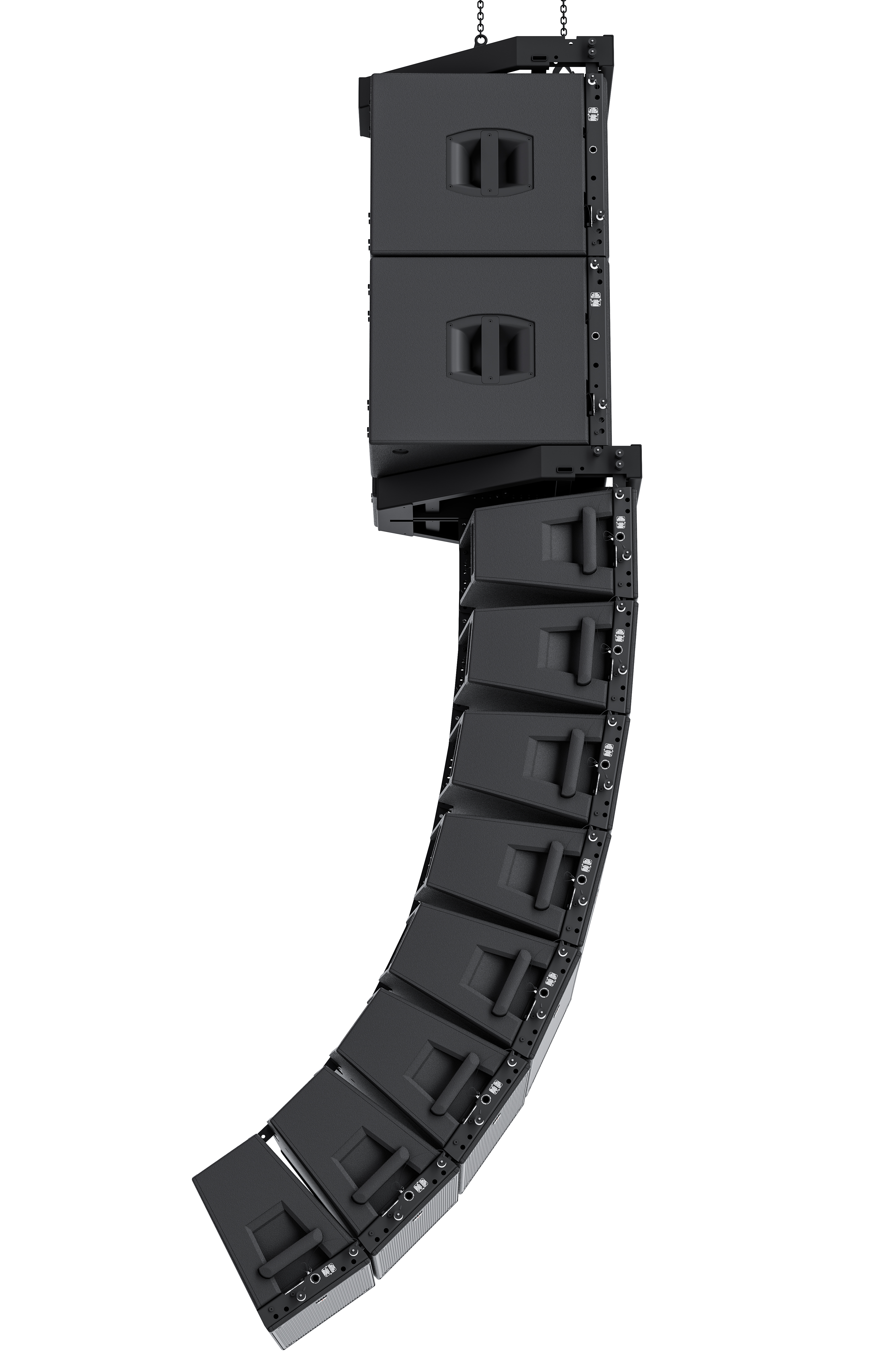
For example, when pairing an LA-5 full-range array with an LA-5S sub, our DSP automatically applies a 2.8ms delay to the tops—so the wavefront arrives coherently at the listener. In fixed installations, we even offer site-specific tuning files based on room impulse response measurements. Try achieving that with mismatched third-party gear.
Why Build With a Manufacturer Who Owns the Entire Process?
Many brands outsource cabinets or use generic drivers. At Lase Sound, we control everything—from steel milling (with 8-year veteran operators chamfering every edge) to final burn-in testing in our 13,500㎡ Dongguan facility.
This vertical integration lets us optimize enclosures holistically. Our sealed boxes use constrained-layer damping to kill internal resonances. Our ported models feature flared, rounded ports machined to exact Helmholtz specifications. And every subwoofer speaker undergoes 48-hour thermal cycling to simulate real-world stress.
The result? Systems that sound identical on day one and day 1,000—whether in a humid Jakarta club or a dry Arizona amphitheater.
Final Thought: Match the Tool to the Task
Don’t default to ported just because it’s louder. Don’t assume sealed is “audiophile-only.” Ask: What does my audience need to feel—and hear?
If it’s rhythmic precision in a lecture hall, go sealed. If it’s visceral impact at a beach festival, go ported. And whichever you choose, ensure your subwoofer speaker comes from a partner who understands not just boxes—but the physics, electronics, and human experience behind them.
At Lase Sound, we don’t just build subwoofer speaker systems. We engineer emotional resonance—grounded in science, proven on stage.
Because in live sound, the difference between good and unforgettable often lives below 80 Hz.
And that’s where your choice of enclosure truly speaks volumes.


 EN
EN


 Hot News