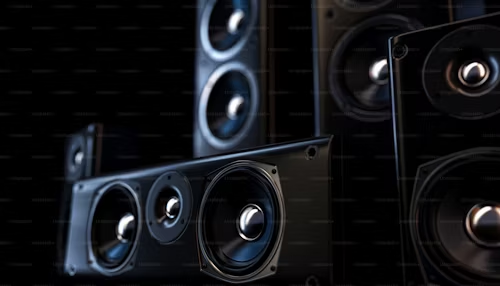
Let’s be honest—designing professional stage sound systems isn’t just about stacking speakers until it’s loud enough. Too many venues end up with muddy mids, uneven coverage, or blown drivers because someone skipped the fundamentals. At Lase Sound, we’ve engineered audio solutions for over 60,000 clients across 100+ countries, from stadium tours to corporate arenas. And time and again, success comes down to three pillars: placement, power matching, and signal flow.
Here’s how to get them right—without trial, error, and costly callbacks.
1. Speaker Placement: Coverage Over Volume
A common mistake? Assuming more speakers = better sound. In reality, poor placement creates phase cancellation, dead zones, and ear-splitting hotspots. For professional stage sound systems, start with your audience geometry.
Pro tip: Always simulate coverage in software before rigging. At Lase Sound, our CAD-CAM team runs EASE Focus models for every major deployment—because guessing costs more than modeling. Also, factor in ceiling height and HVAC noise; even the best professional stage sound systems struggle if ambient noise exceeds 45 dB.
2. Power Matching: Don’t Starve or Overwhelm Your Drivers
Underpowering is just as dangerous as overpowering. When an amp clips, it sends distorted DC-like signals that fry voice coils faster than clean high wattage. So how do you match correctly?
At our 13,500㎡ Dongguan factory, every powered professional stage sound system undergoes 72-hour burn-in testing with real music signals—not just sine waves—to validate thermal and dynamic stability. This ensures your professional stage sound systems perform identically on night one and night 100.
3. Signal Flow: Clean Input, Intelligent Processing
Garbage in, garbage out. Even the best professional stage sound systems fail if fed a noisy or unbalanced signal chain.
Start clean: Use balanced XLR or AES digital inputs whenever possible. Then, leverage DSP—not as a fix, but as a precision tool. Our systems embed 96kHz/48-channel DSP that handles:
One client in Germany nearly canceled a tour after inconsistent vocal presence—until we discovered their console’s output was clipping pre-DSP. Fix the source first; process second. Remember: no amount of EQ can rescue a clipped input in professional stage sound systems.
Why Build With a Manufacturer Who Understands the Full Chain?
Many suppliers sell boxes. At Lase Sound, we engineer ecosystems. Our 286+ technical staff—from CNC operators with 8+ years of milling experience to assemblers who’ve wired 10,000+ units—ensure every component works in harmony.
Consider this: our steel enclosures aren’t just powder-coated; they’re chamfered, polished, and stress-tested to survive 50+ international shipments. Why? Because we know your professional stage sound systems won’t live in a showroom—they’ll endure rain, roadies, and last-minute rigging changes.
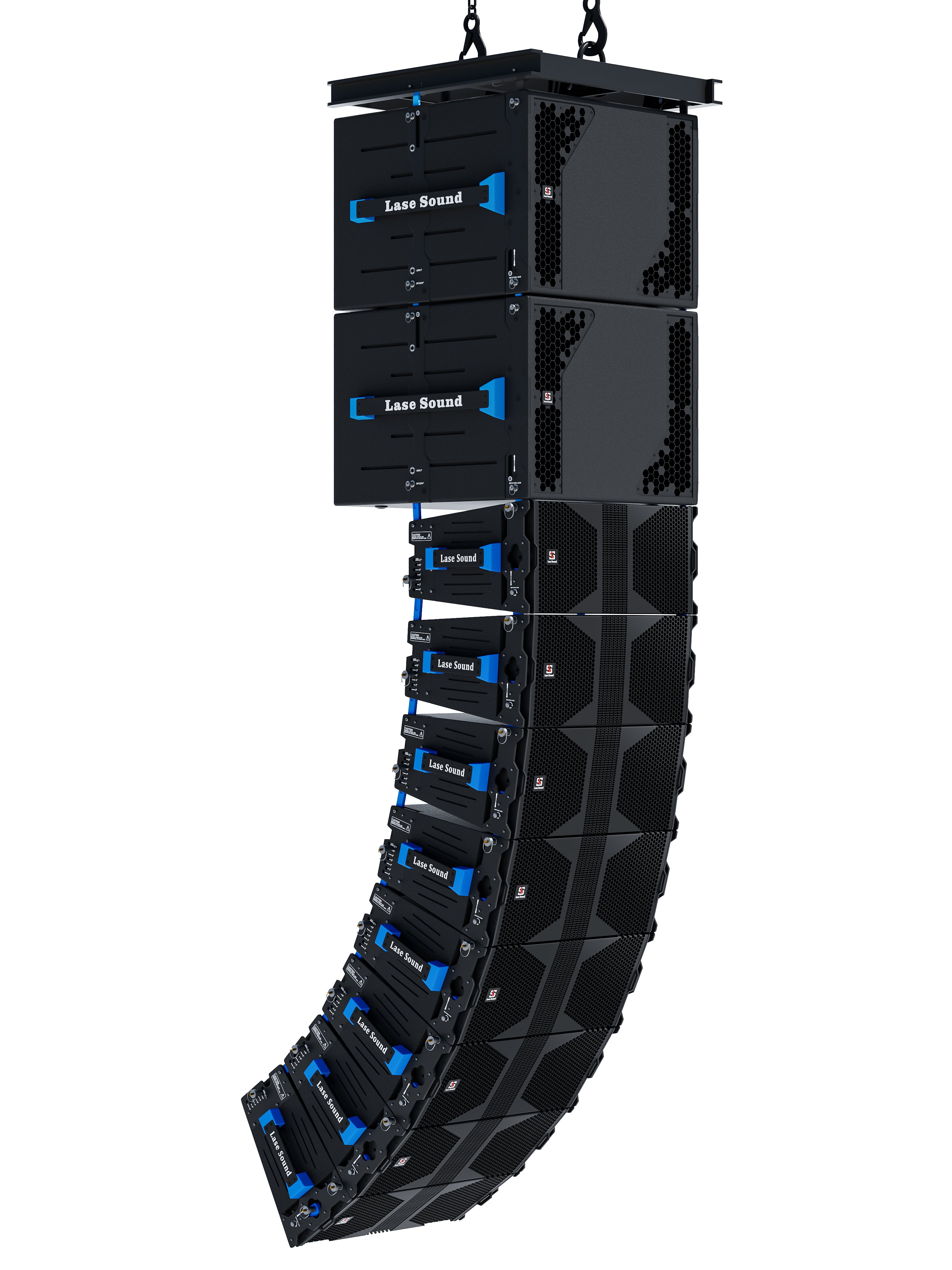
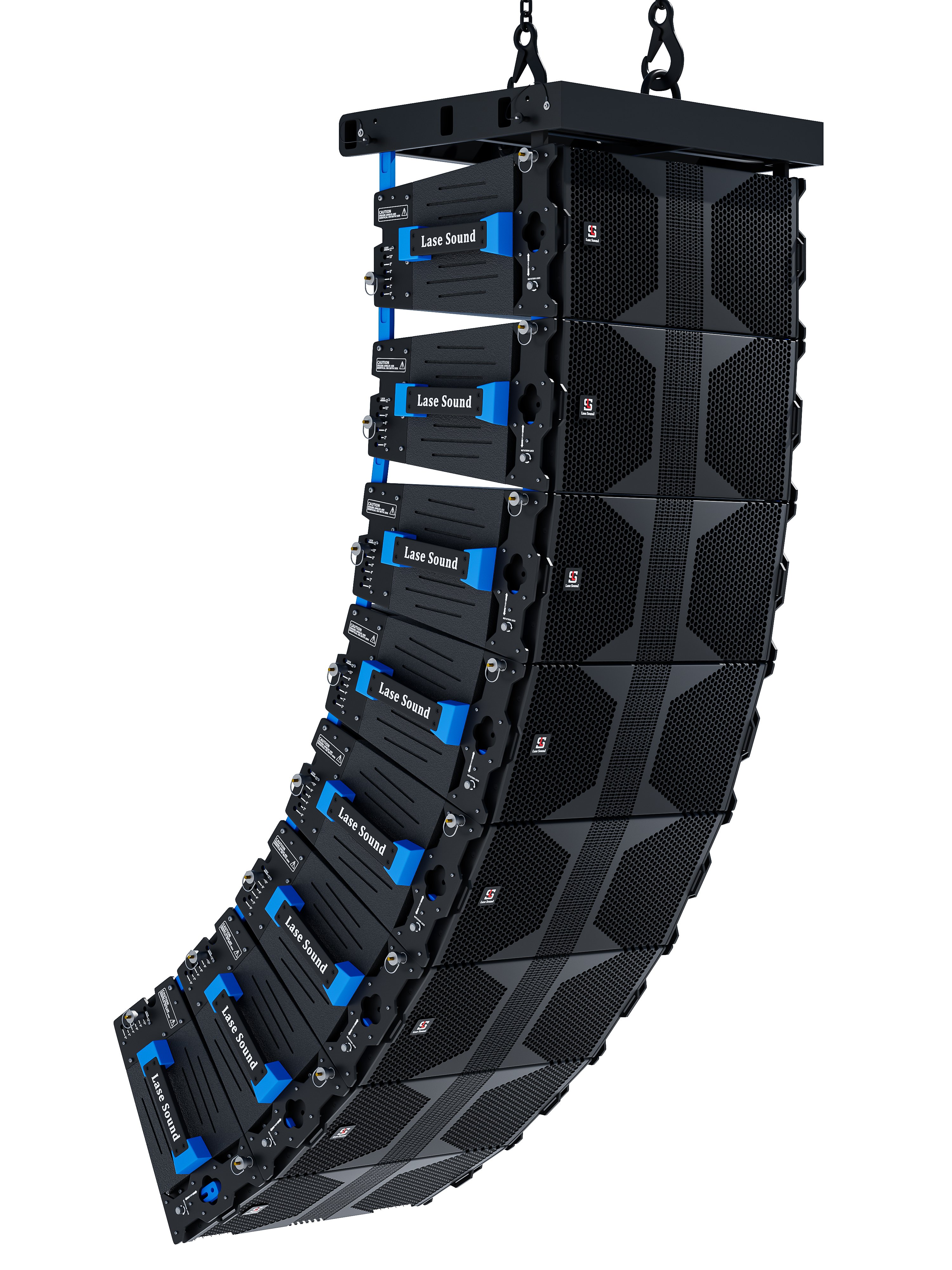
And when you deploy an LA-Audio array alongside H-audio columns for a hybrid event, our unified DSP platform lets you manage the entire system from one interface—no patchwork of third-party plugins.
Final Thought: Design for Reality, Not Theory
The best professional stage sound systems aren’t the ones with the highest specs on paper. They’re the ones that deliver consistent, intelligible sound night after night—despite humidity, variable loads, or a tired crew at 3 a.m.
That’s why we obsess over details most skip: thermal management in amplifiers, moisture-resistant connectors, even the torque specs on rigging points. Because reliability isn’t optional—it’s expected.
So next time you’re planning a system, ask: Does my supplier understand not just speakers—but the entire journey from signal to soul?
At Lase Sound, we don’t just build professional stage sound systems. We build trust—one clear note at a time.
And whether you’re covering 500 seats or 50,000, that’s the kind of partnership that echoes longest.


 EN
EN


 Hot News