In recent years, the demand for high-performance audio solutions in theaters, exhibition centers, and other large-scale performance venues has grown significantly. As a procurement manager, I have observed that venue operators increasingly prioritize audio clarity, coverage uniformity, and scalability when selecting stage audio systems. According to industry research, the global professional audio market is projected to exceed $15 billion by 2030, with large venue installations representing a substantial portion of growth. This trend is driven by the rising number of live performances, exhibitions, conferences, and sporting events requiring immersive audio experiences.
Stage line array speakers have emerged as the preferred solution for large venues due to their modular design, scalable deployment, and capacity to deliver consistent sound across extended distances. These speakers are especially critical in theaters and exhibition centers where audience density and room acoustics can vary widely. Venue managers often report challenges such as uneven sound distribution, acoustic dead zones, and insufficient output levels, which can compromise audience experience. Research indicates that venues equipped with line array systems achieve up to 35% higher speech intelligibility and music fidelity compared to conventional point-source speaker arrangements.
Budget constraints and operational considerations also shape procurement decisions. Large venues must balance the desire for high-performance stage line array speakers with installation, maintenance, and energy costs. In addition, procurement strategies must consider long-term lifecycle value, ensuring that equipment investments provide consistent performance, minimal downtime, and scalability for future events. High reliability and durability are especially important, as venue operators cannot afford system failures during high-profile events.
Furthermore, evolving technological standards in audio engineering emphasize features such as modularity, high output levels, and array optimization algorithms. These innovations address historical challenges of sound interference, phase cancellation, and coverage gaps. Consequently, the market for stage line array speakers is not only growing in volume but also in sophistication, demanding that procurement managers adopt strategic planning to align purchase decisions with performance expectations, budget limitations, and long-term operational goals.
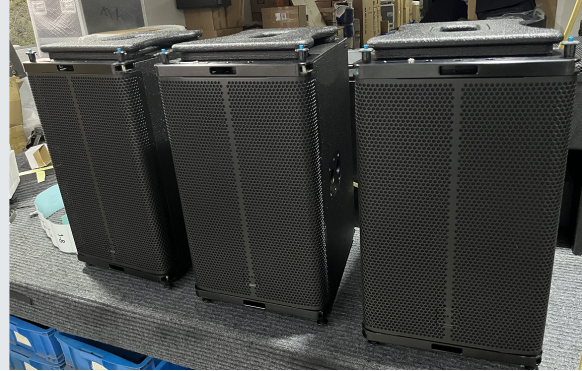
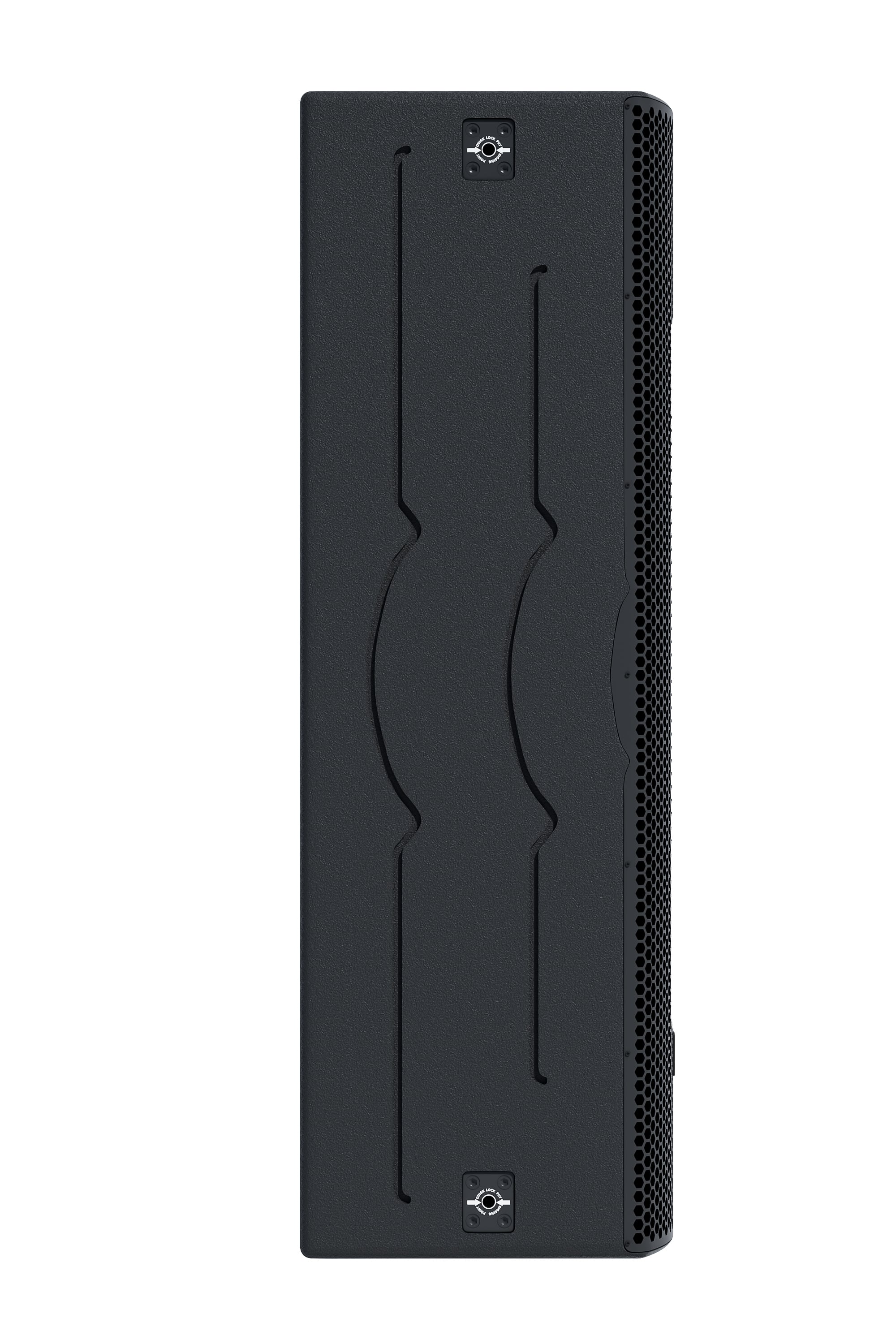
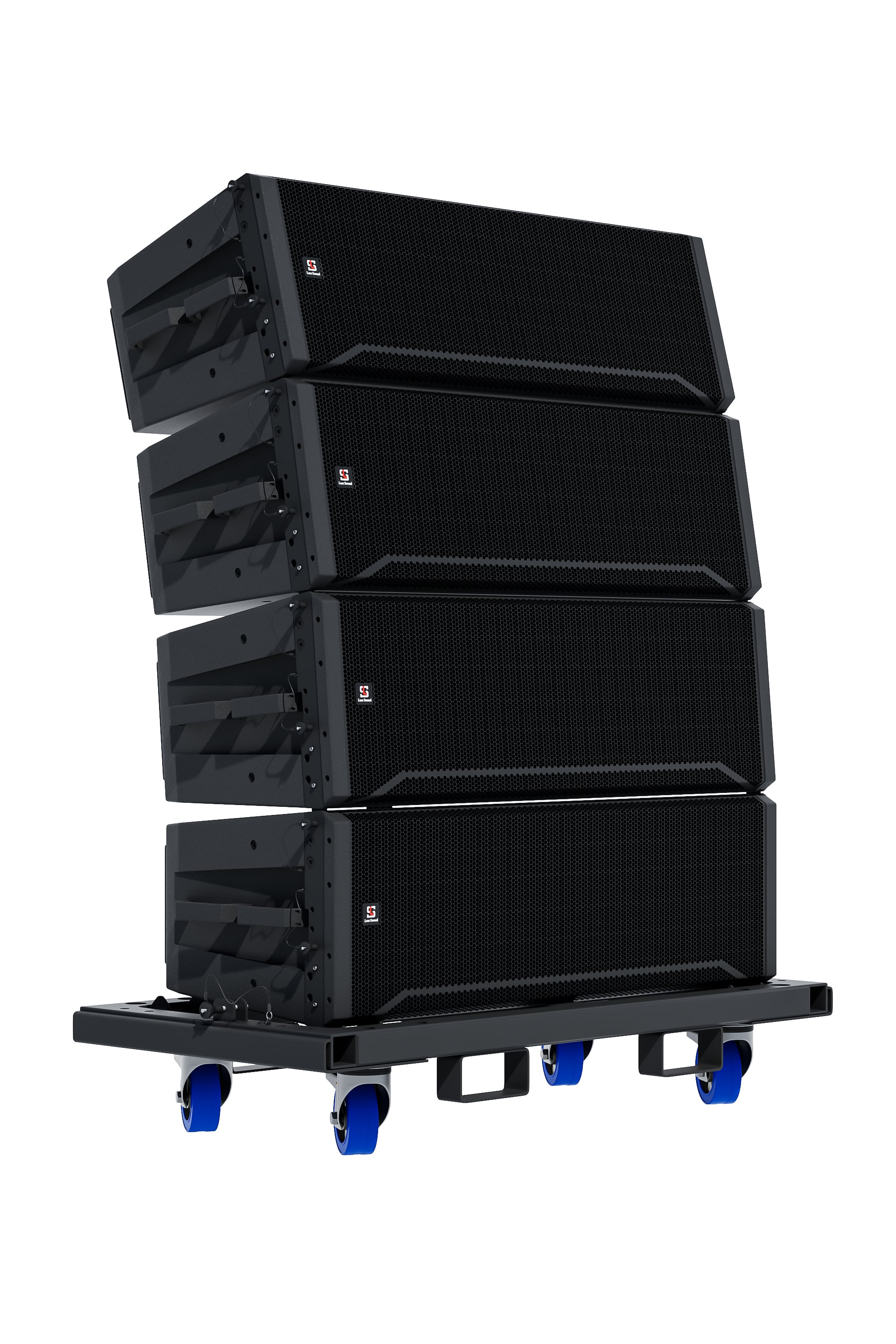
Stage line array speakers are designed to meet the rigorous acoustic demands of large performance venues. One of their most significant characteristics is the modular array design, which allows multiple speaker units to be combined in flexible configurations. This design enables venue operators to adjust vertical and horizontal dispersion angles, tailoring coverage to specific audience layouts and room geometries. For theaters and exhibition centers, such flexibility is critical to ensure that every seat receives uniform sound, regardless of distance from the stage or acoustic obstacles.
High sound pressure level (SPL) output is another essential feature of stage line array speakers. These systems are capable of delivering powerful, distortion-free sound suitable for concerts, theatrical performances, and sports events. High SPL ensures that audio reaches even the farthest sections of the venue without compromising tonal clarity or dynamic range. According to acoustic performance studies, stage line array speakers with optimized driver alignment can achieve up to 20% higher output efficiency compared to conventional speaker arrays, reducing the need for excessive amplification and minimizing energy consumption.
Array optimization algorithms further enhance the adaptability of stage line array speakers. These algorithms minimize phase interference and eliminate acoustic blind zones, ensuring coherent wavefront propagation throughout the venue. By employing digital signal processing and predictive acoustic modeling, venue operators can achieve precise sound coverage, balancing high and low frequencies uniformly. This capability is especially beneficial in large, irregular spaces where traditional speaker setups often struggle to maintain consistent tonal quality.
Additionally, stage line array speakers integrate seamlessly with existing audio infrastructure. They support multiple input formats, digital control interfaces, and networked management systems, allowing operators to adjust volume, equalization, and delay settings in real time. The modularity of the system also facilitates scalability, enabling venues to expand or reconfigure the array according to event type, audience size, and acoustic conditions. In summary, the combination of modular design, high SPL output, and array optimization algorithms positions stage line array speakers as the ideal solution for high-performance venues seeking reliable, uniform, and immersive audio experiences.
Procurement strategies for stage line array speakers have evolved to meet both technical and operational requirements of modern venues. One prominent trend is bulk procurement with standardized configurations. Large theaters and exhibition centers increasingly favor uniform speaker models across multiple venues or performance halls. Standardization reduces complexity in maintenance, spare parts management, and technical training, while enabling consistent audio performance across locations. Market research indicates that venues adopting standardized line array systems experience up to 30% lower operational costs over a five-year lifecycle.
Another procurement trend involves prioritizing modular and scalable systems. Stage line array speakers are now often purchased with expansion modules, allowing venues to scale audio coverage according to event requirements. This approach aligns with cost-efficiency goals, enabling venues to avoid over-provisioning while ensuring peak performance when needed. Integration with digital signal processing and control systems is also becoming a standard procurement criterion, as venues increasingly require real-time tuning, predictive acoustic modeling, and centralized management capabilities.
Sustainability and energy efficiency have emerged as key considerations in procurement decisions. Modern stage line array speakers often incorporate high-efficiency amplifiers and low-loss components, reducing energy consumption and operational expenses. Procurement managers also evaluate durability, thermal management, and compliance with international performance certifications to ensure reliability under prolonged high-output conditions. Reports from industry surveys indicate that venues investing in energy-efficient, certified stage line array speakers experience longer equipment lifespans and reduced service intervention, which further optimizes total cost of ownership.
Supplier and pricing strategies also reflect market trends. Venue operators increasingly seek competitive bids from multiple suppliers, comparing options for custom configurations, after-sales service, and warranty support. Bulk procurement agreements frequently include technical consultation, installation guidance, and post-installation performance verification to ensure that purchased stage line array speakers meet design specifications. As a result, procurement decisions are driven by a balance of technical performance, cost-effectiveness, and supplier reliability, emphasizing the need for strategic planning and comprehensive evaluation criteria.
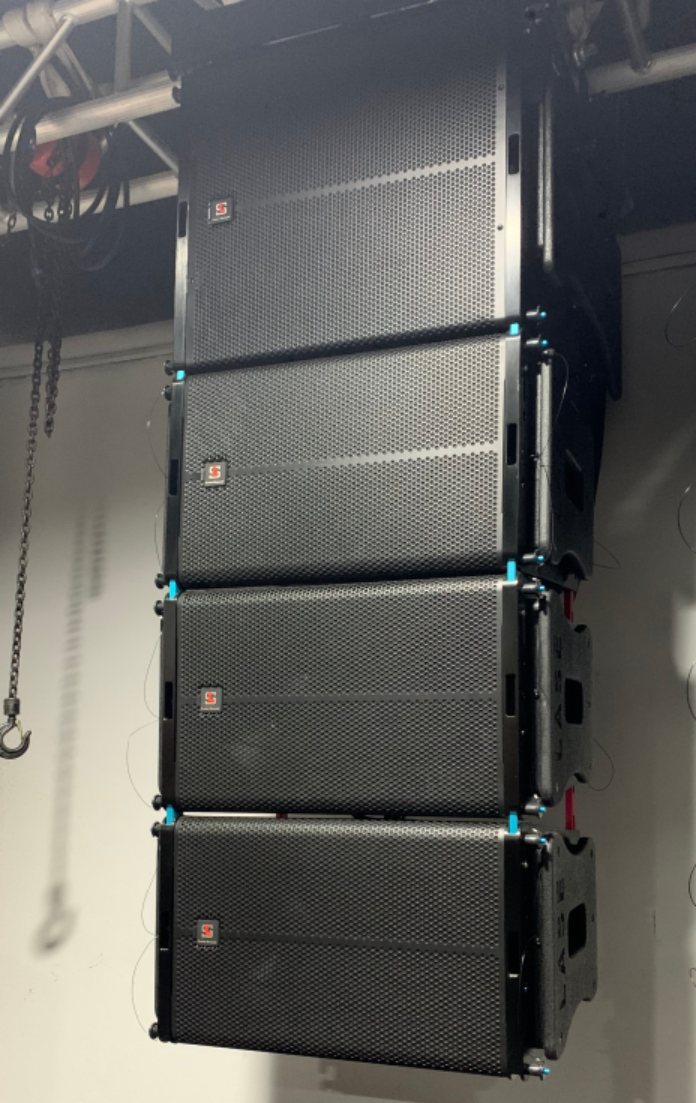
Effective procurement of stage line array speakers requires a structured strategy that aligns technical, operational, and financial objectives. As a procurement manager, my approach begins with a detailed requirement analysis. This involves assessing venue size, acoustic characteristics, event types, and anticipated audience capacity. Based on these parameters, we define specifications for modularity, SPL output, and array optimization capabilities, ensuring that purchased systems can meet both current and future needs. Clear specification documentation facilitates supplier selection and prevents misalignment between design goals and purchased equipment.
Supplier evaluation is a critical component of the strategy. Stage line array speakers must be sourced from reliable manufacturers capable of delivering high-quality components, consistent performance, and adherence to international standards. Key evaluation criteria include production capacity, past project performance, certification compliance, and the ability to provide technical support during installation and operation. Procurement agreements often include clauses covering warranty terms, spare parts availability, and post-installation service to reduce risk and ensure long-term operational reliability.
Budget planning is integrated into the procurement strategy to optimize cost-effectiveness. Total cost of ownership is considered, including purchase price, installation costs, energy consumption, and anticipated maintenance expenses. Bulk procurement and standardized configurations are used to leverage economies of scale, while modular expansion modules provide flexibility to accommodate future event requirements without unnecessary upfront investment. Forecasting maintenance and operational costs allows venues to allocate resources efficiently and avoid budget overruns.
Finally, the procurement strategy emphasizes performance verification and post-purchase evaluation. Technical testing, acoustic calibration, and trial events are conducted to ensure that stage line array speakers meet sound coverage, clarity, and SPL targets. Feedback from technical staff is incorporated into supplier reviews, informing future procurement decisions. By combining detailed requirement analysis, supplier assessment, budget planning, and performance verification, this strategy ensures that venues acquire stage line array speakers that deliver reliable, immersive, and high-quality audio experiences while optimizing both cost and operational efficiency.


 EN
EN


 Hot News