As a presales engineer, I often encounter corporate clients who are searching for effective ways to enhance communication and collaboration during meetings. A question that repeatedly arises is: What makes an audio surround sound system essential for conference rooms? The answer lies in the ability of these systems to transform a standard meeting space into an environment where clarity, immersion, and flexibility converge.
An audio surround sound system is not just about playing sound from multiple directions. It is about engineering a controlled soundscape where every participant, regardless of seating position, can experience balanced and crystal-clear audio. This becomes particularly critical in conference rooms where strategic discussions, multimedia presentations, and collaborative workshops take place. A poor audio experience can disrupt communication, reduce engagement, and undermine the effectiveness of high-stakes meetings.
Industry research shows that more than 60% of meeting participants cite “poor audio quality” as a major barrier to effective collaboration. An audio surround sound system directly addresses this pain point by offering multi-channel output, high-fidelity sound, and adaptable speaker configurations. These features ensure that voices are projected naturally, multimedia content is immersive, and meeting outcomes are not compromised by technical limitations.
For corporate clients, investing in an audio surround sound system means ensuring that their conference rooms are not only functional but also future-ready. It reflects a commitment to quality communication, professional presentations, and efficient decision-making. From a presales perspective, recommending an audio surround sound system is not simply about selling equipment—it is about delivering a solution that directly supports the client’s core business objectives.
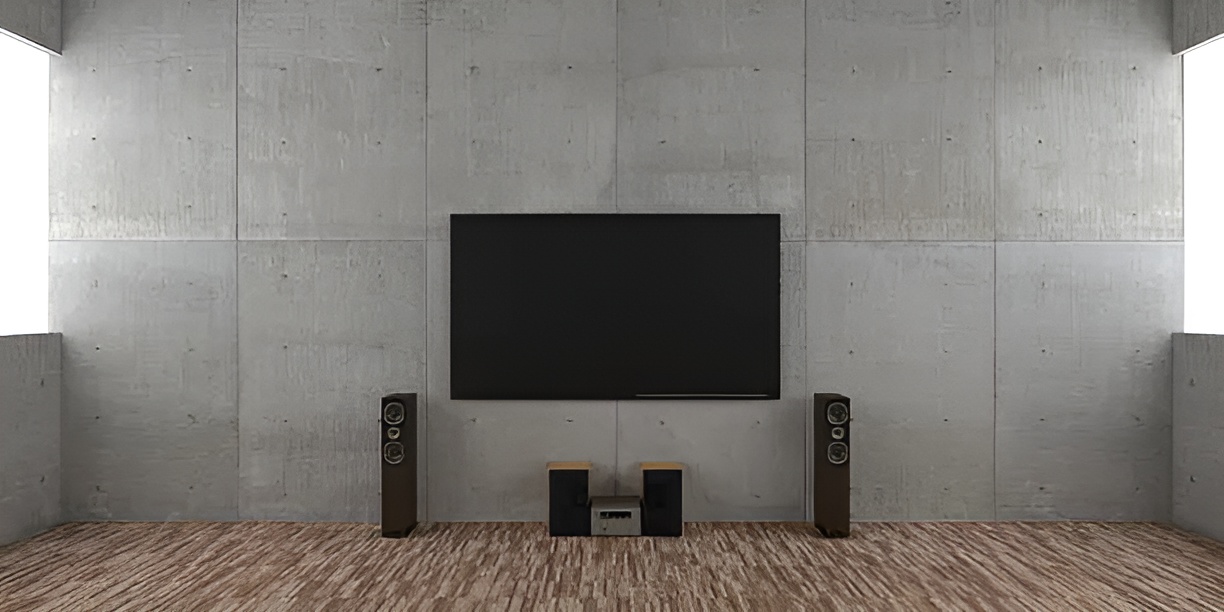
The most defining feature of an audio surround sound system is its multi-channel output. Unlike traditional stereo systems that rely on two channels, surround sound uses multiple channels distributed across the room to create an immersive experience. In a conference room, this translates into evenly distributed audio that reaches every corner of the space.
For example, during a video presentation, voices and background effects are projected from different directions, making the experience more natural and engaging. Multi-channel configurations also ensure that participants seated at the back or side of the room do not feel isolated from the discussion. By enveloping the audience in sound, the audio surround sound system enhances comprehension and participation.
From a technical perspective, multi-channel output allows sound engineers to fine-tune balance and equalization for optimal coverage. This reduces dead zones and prevents localized echo, a common issue in large or irregularly shaped conference rooms.
The second feature that makes an audio surround sound system essential is its high-fidelity sound quality. Conference rooms often serve multiple purposes—executive board meetings, investor presentations, or even hybrid webinars. In all cases, audio clarity is critical. Voices must be natural, background noise must be minimized, and multimedia playback must be lifelike.
An audio surround sound system achieves this through advanced amplification and digital signal processing technologies. High-fidelity reproduction ensures that speech remains intelligible even at low volumes and that complex multimedia elements such as music or video soundtracks are reproduced without distortion.
Industry data indicates that high-quality audio increases audience retention by up to 30%. This means a direct impact on how effectively ideas are communicated and decisions are made in corporate settings. In contrast, poor sound quality can lead to fatigue, disengagement, and even misunderstandings during important discussions.
The third key feature of an audio surround sound system is the flexibility of its speaker array layout. Conference rooms vary widely in size, shape, and design. Some are small huddle rooms with minimal seating, while others are expansive halls designed to host hundreds of participants. A one-size-fits-all solution is impractical.
Audio surround sound systems offer modular speaker arrays that can be customized to suit specific room structures. Ceiling-mounted, wall-mounted, or freestanding speakers can be strategically positioned to optimize acoustics. This adaptability ensures consistent performance regardless of architectural constraints.
From a presales engineering standpoint, this flexibility is critical during the design phase. It allows us to propose configurations that maximize performance while respecting the client’s space limitations and aesthetic requirements. In practice, the adaptable speaker layout ensures that the system delivers professional-grade sound whether it is installed in a compact boardroom or a large corporate auditorium.
Before committing to an audio surround sound system, corporate clients must evaluate several factors to ensure the solution aligns with their requirements. As a presales engineer, my role is to guide them through these considerations to avoid misalignment between expectations and outcomes.
Room Size and Acoustics: The physical characteristics of the conference room are the most important determinants. Larger rooms may require additional channels and subwoofers, while smaller rooms may benefit from compact configurations. Acoustic treatments such as wall panels and carpets also influence sound dispersion.
Scalability Needs: Clients should assess whether their audio surround sound system will need to expand in the future. For example, a growing company may initially install a system for a 20-seat boardroom but later require an upgrade for a 100-seat auditorium. Choosing a scalable solution prevents costly replacements.
Integration with Existing Infrastructure: Many corporate conference rooms already feature video conferencing tools, wireless microphones, and presentation systems. The audio surround sound system must integrate seamlessly with these components. Compatibility with digital communication platforms ensures smooth operations during hybrid meetings.
Budget and Long-Term Value: While cost is always a factor, decision-makers should consider total cost of ownership. High-quality audio surround sound systems often require higher initial investment but deliver better reliability and lower maintenance costs over time.
User Training and Ease of Use: Finally, usability is key. Conference room staff are often not audio experts. An effective system must feature intuitive controls, allowing quick adjustments without technical support. Many modern audio surround sound systems come with touch-panel interfaces or remote management options, simplifying daily operation.
These considerations form the foundation of any presales consultation. They ensure that the chosen audio surround sound system not only delivers technical excellence but also aligns with the client’s strategic objectives and operational workflow.

Once the decision to implement an audio surround sound system is made, the process moves into solution design, delivery, and acceptance. This stage is where presales recommendations are translated into tangible results.
Design Phase: Engineers begin by modeling the conference room acoustics and determining the optimal speaker array layout. Using simulation tools, different configurations are tested to ensure balanced sound coverage. The design also includes integration with microphones, control panels, and video conferencing platforms.
Delivery and Installation: Once approved, the audio surround sound system is delivered and installed by trained technicians. Thanks to modular speaker arrays and intuitive cabling, installation can often be completed with minimal disruption to corporate schedules.
Testing and Calibration: Post-installation, the system undergoes rigorous testing. Multi-channel output is calibrated, sound fidelity is verified, and adjustments are made based on real-time room conditions. This ensures that the audio surround sound system performs as designed.
Acceptance and Training: Finally, the system is presented to the client for acceptance. Staff are trained on how to operate the system efficiently, from adjusting volume levels to switching between input sources. The client’s satisfaction at this stage is paramount, as it validates both the technology and the presales engineering process.
In conclusion, the design, delivery, and acceptance of an audio surround sound system represent the culmination of a structured approach to solving corporate communication challenges. By focusing on performance, adaptability, and usability, these systems become indispensable tools for modern conference rooms.


 EN
EN



 Hot News