A powered subwoofer 18 inch is best when events need fast setup, fewer cables, and reliable bass without a separate rack. This guide compares it with a passive subwoofer so DJs, rental firms, venues, and wedding performers can choose the right event bass solution.
Why a powered subwoofer 18 inch Is Often Easier for Events
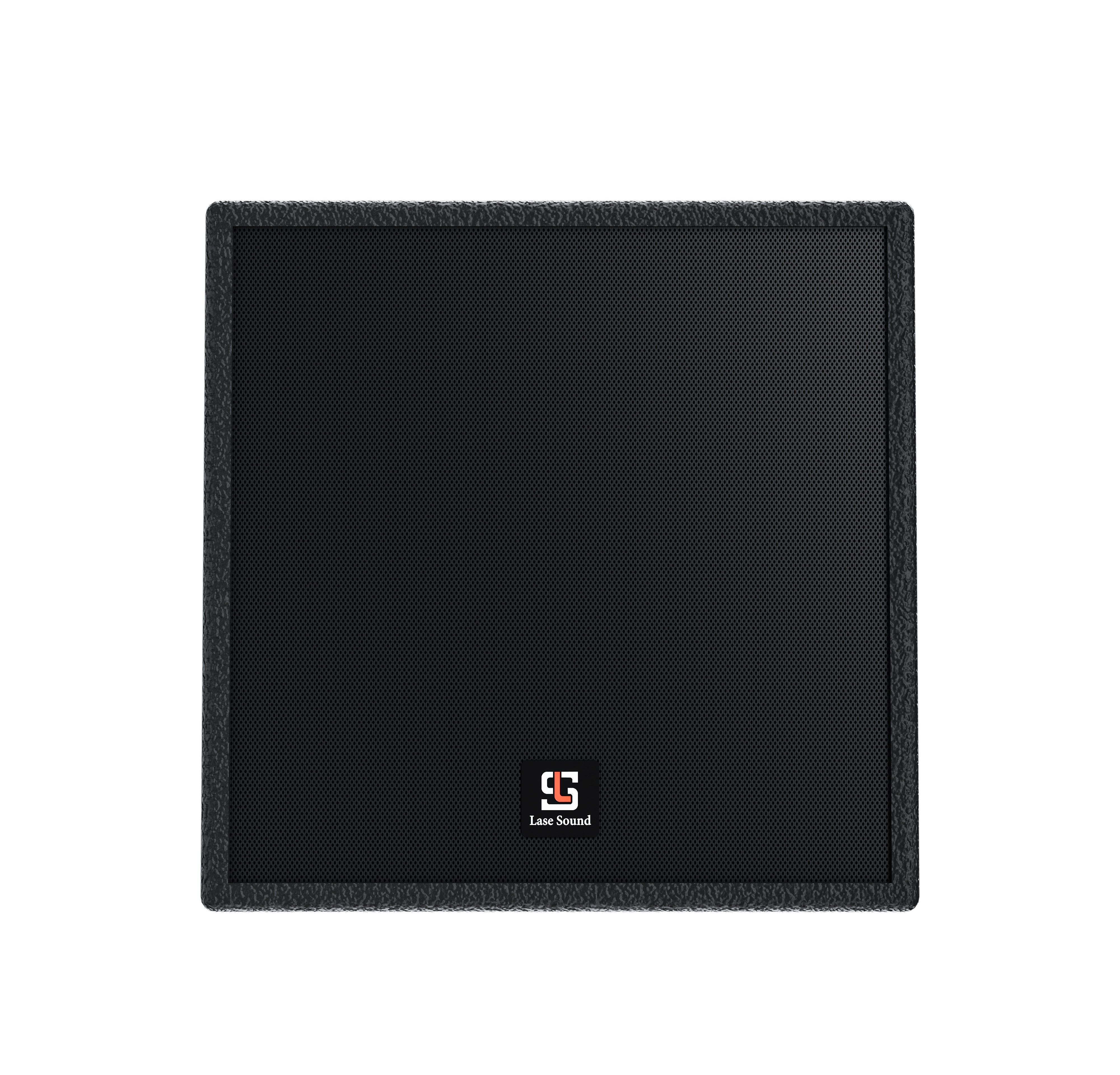
A powered subwoofer 18 inch is usually easier for mobile events because the amplifier is already built into the cabinet. That means fewer boxes, fewer connection points, and less risk of mismatching power, impedance, or processing during a rushed setup.
For mobile DJs and wedding teams, time is often the biggest pressure. You may arrive after decorators, share limited floor space, and need to finish soundcheck before guests enter. In that situation, a powered subwoofer 18 inch can simplify the signal chain: mixer to sub, sub to tops, power on, check level, and play.
This matters for a DJ sound system, especially when the operator is also the performer. A separate amp rack may be powerful, but it adds more decisions: which channel, what impedance, what limiter, what crossover, and whether the cabling is correct. An active subwoofer reduces those variables.
For smaller events, a pair of full-range speakers plus one or two subs can create a practical PA system. The sub handles kick drum and bass notes, while the tops keep vocals and music clear. For weddings, birthdays, corporate parties, and private events, this setup is often enough to sound professional without becoming complicated.
Powered and Passive Subwoofers: What Is the Real Difference?
The real difference is control location: active systems put power and processing inside the sub, while passive systems depend on external equipment. A powered subwoofer 18 inch includes built-in amplification and often includes basic protection, filters, and presets. A passive subwoofer needs an external amplifier and usually a DSP processor for proper control.
This difference affects every event decision. A powered unit is more self-contained. A passive unit is more modular. Neither is always better; the right choice depends on who operates the gear, how large the event is, and how often the system needs to scale.
|
|
|
| Factor |
powered subwoofer 18 inch |
passive subwoofer 18 inch |
| Setup speed |
Faster and simpler |
Slower, needs amp rack |
| System control |
Built-in, limited but convenient |
Flexible with external DSP |
| Transport |
Fewer racks, more electronics per cabinet |
More boxes, lighter cabinets possible |
| Maintenance |
Amp module and speaker in one unit |
Cabinet and amp can be serviced separately |
| Best users |
DJs, weddings, small events |
Large rental, fixed install, pro crews |
| Expansion |
Easy for small systems |
Better for big arrays |
If you are comparing active subwoofer vs passive subwoofer, the question is not just sound quality. It is about workflow, staff skill, maintenance plan, and future expansion.
When powered subwoofer 18 inch Makes More Sense
A powered subwoofer 18 inch makes more sense when speed, simplicity, and predictable setup are more important than maximum system flexibility. This is why many mobile DJs and small event teams prefer it.
A powered subwoofer 18 inch works well when one or two people must load, connect, test, and operate the system. It is also easier for users who do not want to calculate amp power or build processor presets. For a typical 18 inch powered subwoofer for wedding DJ, the main needs are clean bass for the dance floor, reliable speech reinforcement, and fast teardown after the event.
Use this practical decision list:
1. Choose powered if you often work alone or with a small crew.
2. Choose powered if your events are weddings, parties, small concerts, or corporate shows.
3. Choose powered if your clients may rent and operate the equipment themselves.
4. Choose powered if you want fewer connection mistakes.
5. Choose powered if your main speakers are also active or easy to link.
This is the strongest case for powered subwoofer 18 inch for events. It gives event users a compact path to professional low frequency without building a separate rack-based system.
However, there are limits. A powered cabinet still needs power at each location. In outdoor or large venues, power distribution can become a challenge. Built-in electronics also need protection from heat, moisture, unstable voltage, and rough transport.
When Passive Subwoofer Systems Work Better
A passive subwoofer works better when the event system is large, technician-operated, and needs centralized control. For festivals, touring, club installations, and major rental packages, external racks can make more sense.
A passive subwoofer with amplifier setup allows engineers to select the exact amplifier, processing, limiter, wiring, and channel layout. This is useful when several subs are used together, or when the bass section must match a line array system or larger sound reinforcement system.
A rental company may prefer passive designs because one amp rack can drive multiple cabinets, and damaged components can be separated for service. If a powered unit fails, the cabinet’s electronics may take that box out of service. If a passive cabinet has a problem, the team can test the amplifier, speaker cable, and driver separately.
For a large live sound system, this level of control matters. Engineers may need precise phase alignment, delay, limiting, and EQ. A DSP processor can manage the low-frequency section across several cabinets, giving more consistent output over a large audience area.
Still, passive systems are not ideal for everyone. They require more knowledge. Wrong amp matching can damage equipment. Poor crossover settings can make bass weak or muddy. For less experienced operators, passive setups can create more problems than benefits.
Sound Quality: Is Powered or Passive Better?
Sound quality depends more on design, tuning, and matching than on whether the sub is powered or passive. A good powered subwoofer 18 inch can outperform a poorly matched passive rig, while a well-designed passive system can outperform a basic powered cabinet in demanding conditions.
The key factors are:
1. Cabinet and driver design
A good professional subwoofer should produce controlled low end, not just loud rumble.
2. Amplifier headroom
Whether built-in or external, the amp must provide clean power without clipping.
3. Crossover setting
The sub and tops should meet smoothly. If the crossover is too high, vocals may become muddy.
4. Phase alignment
Poor phase alignment can cancel bass or make kick drums feel weak.
5. Main speaker matching
A sub must balance with the tops. Strong bass with weak tops does not create a good mix.
For event work, “better bass” means strong low-end impact plus clean vocals. A PA subwoofer should not overpower announcements, singers, or hosts. The right system lets music feel full while the audience still understands every word.
Cost, Transport and Maintenance for Event Users
The better business choice is the one that reduces total event cost, not just purchase price. A powered subwoofer 18 inch may cost more per cabinet, but it can reduce the need for amp racks, processing gear, and complicated wiring. A passive subwoofer may be cheaper per cabinet, but the complete system can become more expensive after adding amps, processors, cables, and cases.
For a rental sound system, transport is part of profit. Large racks, heavy cabinets, and long setup times reduce efficiency. If your clients rent for weddings and parties, powered systems may create fewer support calls. If your company supplies technicians for larger productions, passive systems may be easier to scale and manage.
A club sound system has different priorities. If the system is fixed, transport matters less. Long-term heat management, service access, and protection from user abuse matter more. In that case, either powered or passive can work if the installation is designed correctly.
For an outdoor sound system, plan carefully. Powered cabinets need safe power runs to each unit. Passive cabinets need heavier speaker cables or rack placement near the stage. Weather protection, voltage stability, and cable management are essential in both cases.
Which One Should DJs, Rental Firms and Venues Choose?
DJs should usually start with powered systems, while larger rental firms and venues should decide based on scale and staff skill. There is no universal answer, but the usage pattern makes the choice clearer.
For mobile DJs, a powered subwoofer 18 inch is usually the most practical. It works well with a controller, mixer, and active tops. If you are searching powered vs passive subwoofer for DJ, the powered option often wins for setup speed and simplicity.
For wedding performers, the best 18 inch subwoofer for live sound may be the one that balances bass with speech clarity. A wedding system must handle background music, first dance, speeches, and party tracks. Too much uncontrolled bass can annoy guests and venue managers.
For rental companies, the decision is mixed. If you rent to non-technical clients, powered boxes are easier. If you deploy technicians and build bigger systems, passive can be more flexible. A professional subwoofer for rental company should be durable, serviceable, and easy to combine in different packages.
For bars and clubs, choose based on operation style. A small bar may prefer powered simplicity. A larger club may benefit from centralized racks, stronger processing, and locked system settings.
How Lase Sound Supports Complete Event Bass Solutions
Lase Sound helps buyers choose complete systems instead of selecting one subwoofer in isolation. Event bass performance depends on the sub, tops, monitor options, processing, and application needs.
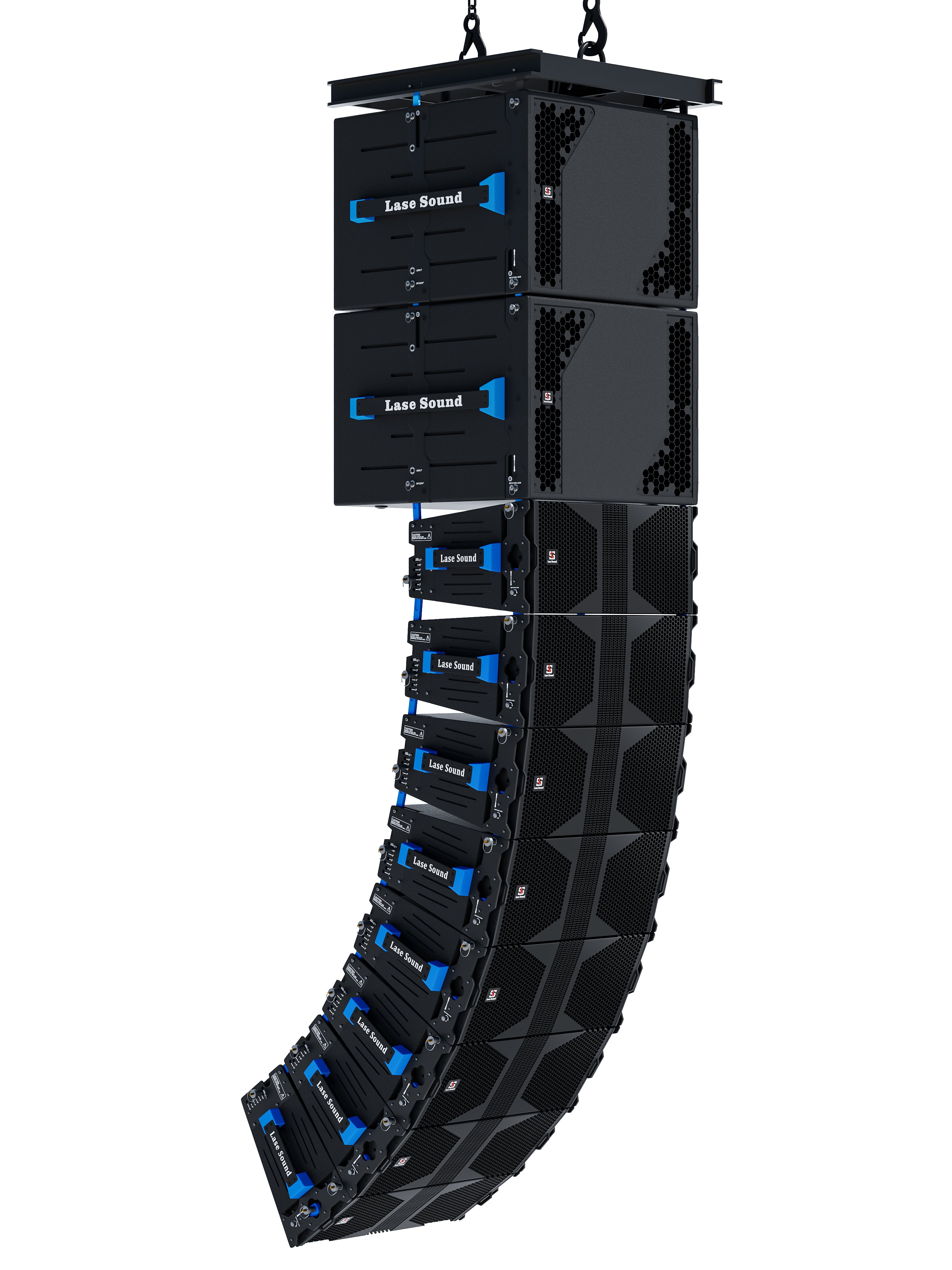
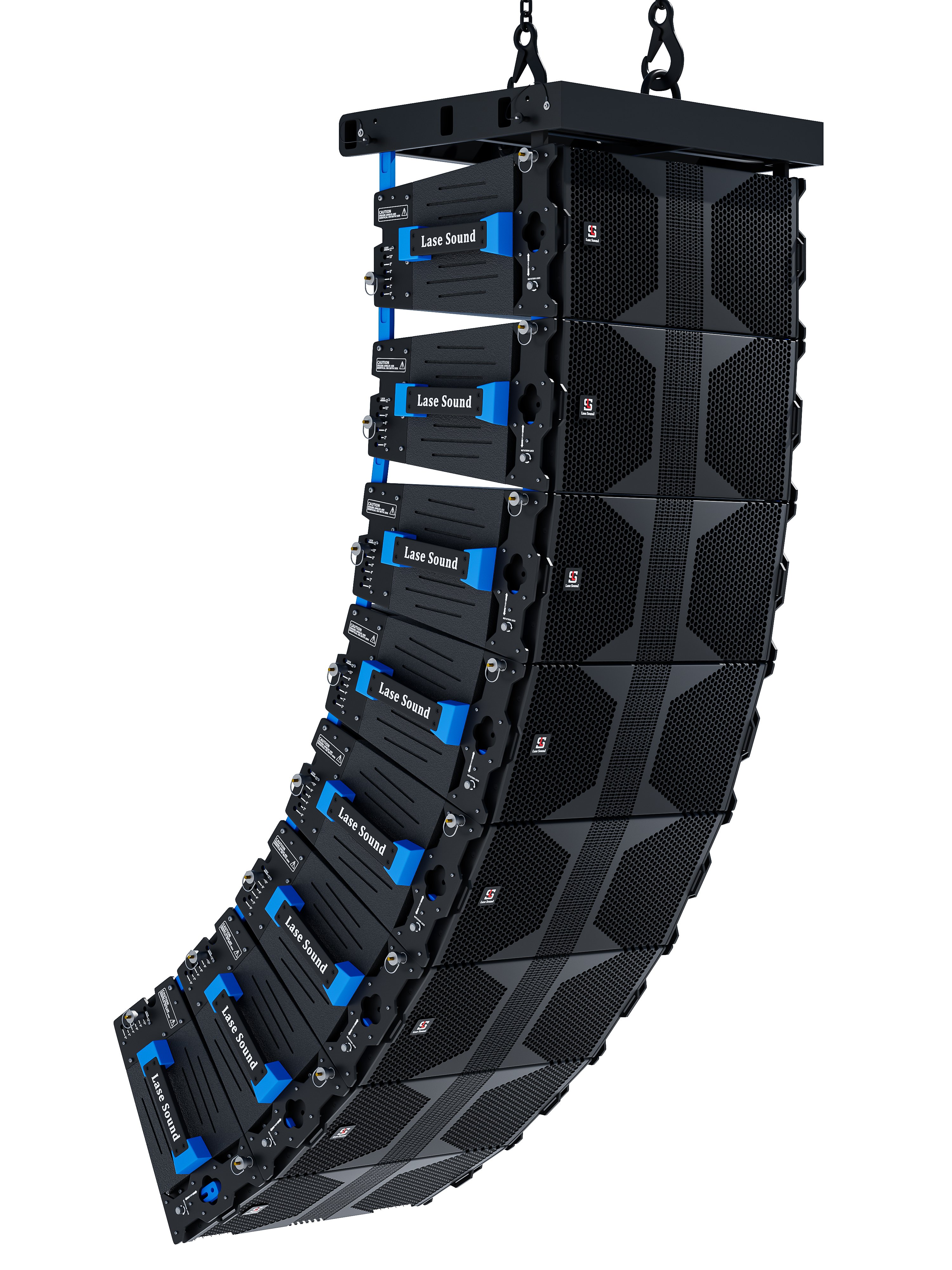
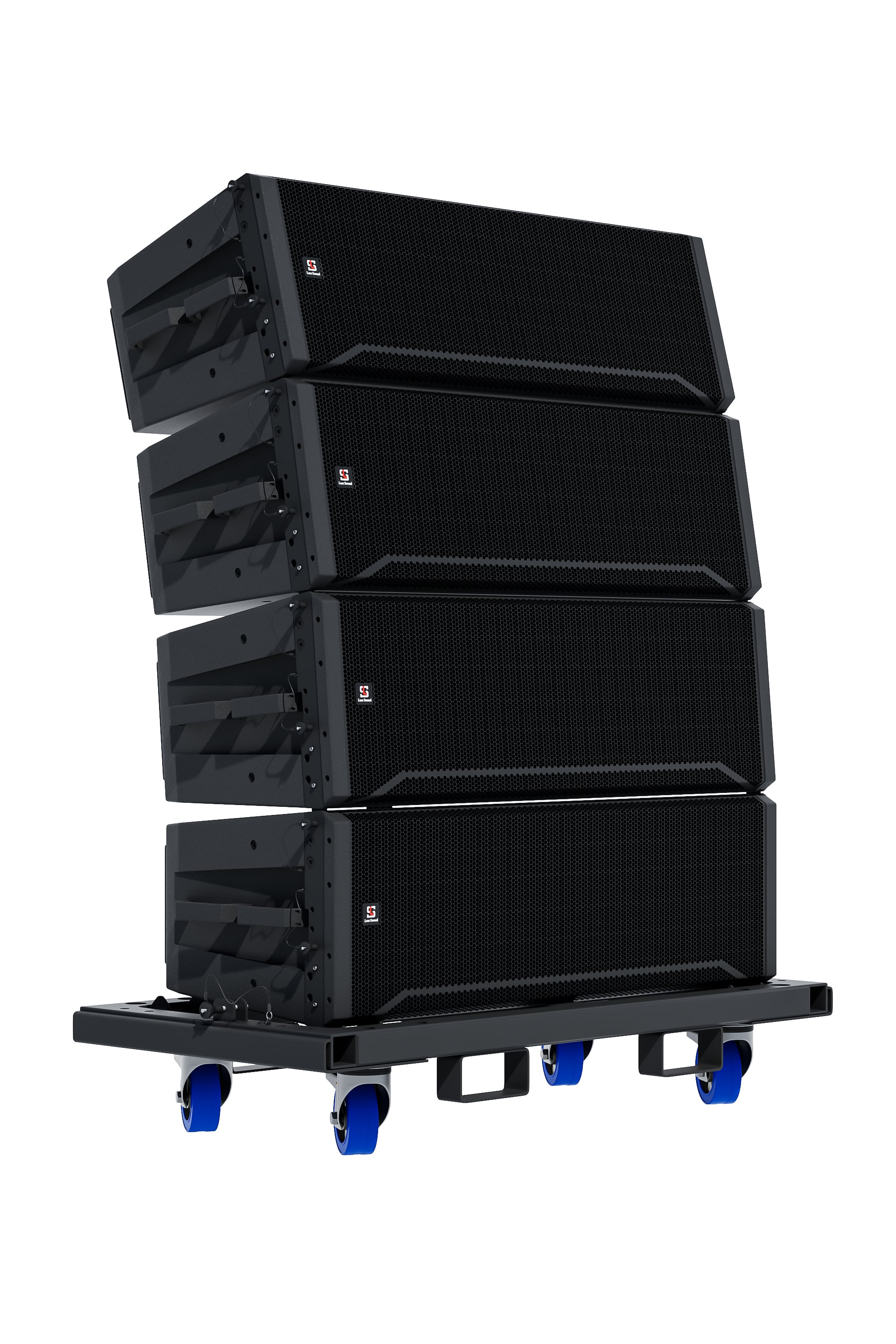
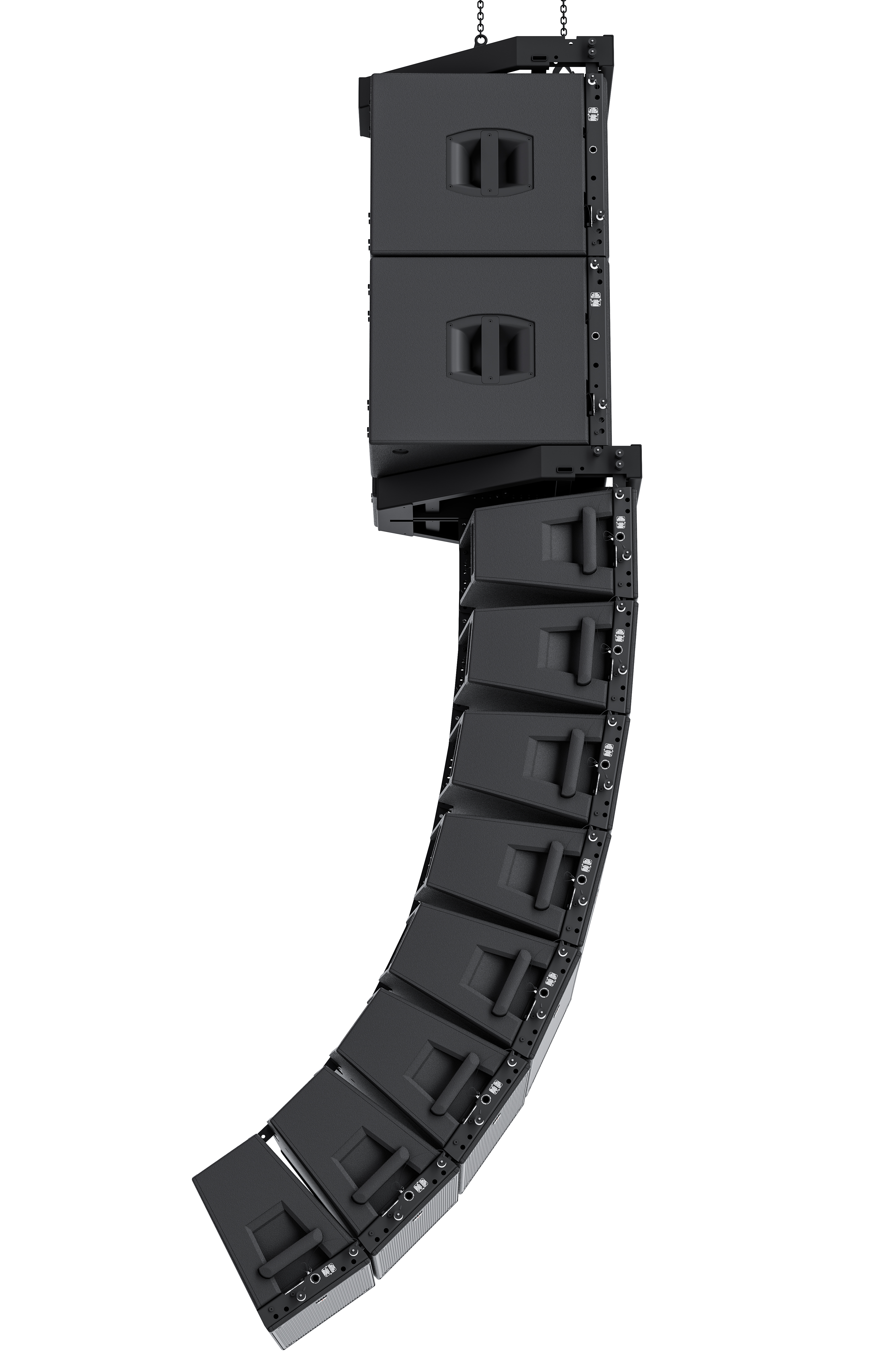
Lase Sound supplies subwoofers, full-range speakers, professional speakers, monitors, column speakers, and line array solutions such as LA-Audio and A-Audio. These products can support a DJ sound system, rental sound system, club sound system, live sound system, and installed PA system projects.
The company also brings manufacturing strength. Lase Sound owns a 13,500㎡ factory, works with 60,000+ cooperative customers, has 286 professional staff, and supplies audio products to 100+ countries and regions. For buyers comparing a powered subwoofer 18 inch with passive options, this background helps build confidence in production capability, system support, and long-term supply.
If you are asking how to choose subwoofer for event sound system, Lase Sound can help evaluate audience size, venue type, main speaker choice, transport limits, and expansion needs.
Final Buying Advice
Before buying a powered subwoofer 18 inch, confirm whether your real priority is speed, control, scalability, or long-term service. If you need fast setup for weddings, parties, and mobile events, a powered subwoofer 18 inch is usually the easier choice. If you run large shows with trained technicians, a passive system may give better control.
For most event users, the smartest path is not choosing by label alone. Compare the complete system: subwoofer, tops, mixer, processing, power, transport, and support.
If you need a powered subwoofer 18 inch or want to compare it with passive event packages, contact Lase Sound for a practical system recommendation. Share your event size, venue type, and business model, and Lase Sound can help you build a reliable bass solution for real-world events.


 EN
EN

 Hot News