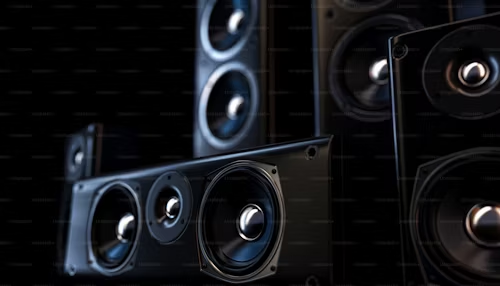
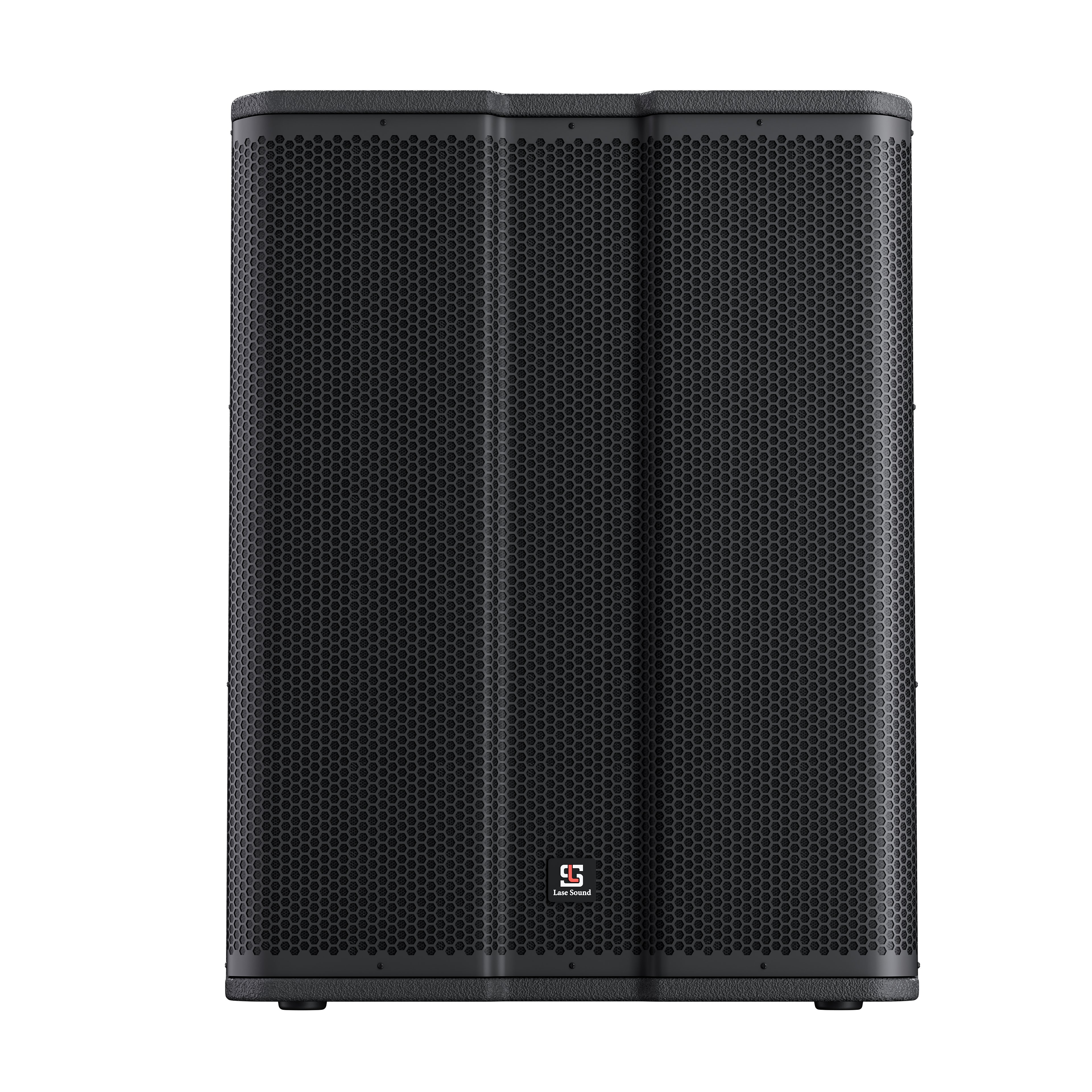
A 15 inch powered subwoofer offers superior portability and tight punch for small-to-medium venues, while an 18-inch model delivers deeper extension for large spaces. This guide helps you choose the right size based on venue acoustics, transport limits, and music genre requirements.
The Physics of Bass: Why Size Matters for Response
The primary difference between a 15 inch powered subwoofer and an 18-inch unit is air displacement, which directly impacts low-frequency extension and maximum SPL. A larger cone area allows the 18-inch driver to move more air at lower frequencies, typically reaching down to 30-35Hz with authority. In contrast, a 15 inch powered subwoofer usually excels in the 40-50Hz range, providing a tighter, faster response that is often perceived as "punchier" rather than "rumbling."
For many live events, this distinction is critical. Music genres like rock, pop, and hip-hop rely heavily on the impact of the kick drum and the clarity of the bass guitar, which sit in the mid-bass region. Here, a 15 inch powered subwoofer can often outperform an 18-inch model because its lighter cone mass allows for quicker transient response. The bass stops and starts precisely with the music, avoiding the "muddy" feel that can occur if a large sub is not perfectly tuned.
However, for electronic dance music (EDM), dubstep, or large outdoor festivals, the sub-bass frequencies below 40Hz are essential for physical impact. In these cases, an 18-inch sub provides the necessary output. But for general-purpose use, a high-quality 15 inch powered subwoofer strikes a balance between depth and speed, making it a versatile choice for diverse playlists.
Portability and Setup: The Hidden Cost of an 18 Inch Sub
A 15 inch powered subwoofer is significantly lighter and more compact than an 18-inch model, making it the preferred choice for mobile DJs and single-operator setups. This practical advantage cannot be overstated. An 18-inch powered sub often weighs between 35kg and 50kg, requiring two people to lift safely and taking up substantial space in a vehicle. A 15 inch powered subwoofer, by comparison, typically weighs 20kg to 30kg, allowing one person to handle it easily and fit it into smaller cars or SUVs.
For rental companies and wedding DJs, time is money. Faster load-in and load-out times mean more efficient operations and less physical strain on staff. A 15 inch powered subwoofer can be stacked, carried, and positioned quickly, reducing the risk of injury and equipment damage. Additionally, smaller cabinets are easier to store in limited warehouse space, lowering overhead costs.
| Feature |
15 Inch Powered Subwoofer |
18 Inch Powered Subwoofer |
| Typical Weight |
20–30 kg |
35–50 kg |
| Transport Ease |
High (Single person) |
Low (Often requires two) |
| Vehicle Space |
Fits in most SUVs/Vans |
Requires large van/truck |
| Setup Time |
Fast |
Slower due to weight/size |
| Best For |
Mobile DJs, Small Venues |
Fixed Installations, Large Clubs |
When evaluating a 15 inch powered subwoofer, check for integrated wheels and sturdy handles. These features further enhance portability, making it a true "grab-and-go" solution for frequent travelers.
Venue Suitability: Matching Sub Size to Room Acoustics
A 15 inch powered subwoofer is ideal for venues under 150 square meters, where an 18-inch sub might create excessive boominess and standing waves. In smaller rooms, low-frequency wavelengths are long relative to the room dimensions, leading to acoustic issues like modal resonance. An 18-inch sub can excite these modes too strongly, resulting in uneven bass coverage—some spots are overwhelmingly loud, while others have nulls.
A 15 inch powered subwoofer produces less extreme low-end energy, which is easier to control in confined spaces. It provides sufficient volume for dancing without overwhelming the room’s acoustics. This makes it perfect for wedding reception halls, boutique clubs, church sanctuaries, and corporate event spaces. The goal in these venues is balanced sound where speech remains clear and music feels full but not oppressive.
For larger venues, such as ballrooms, large clubs, or outdoor stages, bass energy dissipates quickly. Here, the higher output and deeper extension of an 18-inch sub become necessary. However, even in large spaces, multiple 15 inch powered subwoofer units can be used to create a distributed array, offering more even coverage than a single massive sub. This approach also provides redundancy; if one unit fails, the show continues.
Consider these venue guidelines:
- Small Rooms (<50 sqm): One 15 inch powered subwoofer is usually sufficient.
- Medium Rooms (50–150 sqm): Two 15 inch powered subwoofers provide excellent coverage and stereo imaging.
- Large Rooms (>150 sqm): Consider 18-inch subs or multiple 15-inch units in an array.
- Outdoor Events: Bass loses energy rapidly; use multiple subs regardless of size, but 18-inch may offer better projection.
- Fixed Installations: Space constraints may favor 15-inch models for easier integration into architectural designs.
Music Genre Considerations: Punch vs. Rumble
The choice between a 15 inch powered subwoofer and an 18-inch model should also reflect the primary music genres you perform. If your sets include a mix of rock, pop, R&B, and classic hits, a 15 inch powered subwoofer is often the better tool. Its faster transient response ensures that the kick drum snaps cleanly, and the bass guitar retains its definition. The audience feels the rhythm without being overwhelmed by sustained sub-bass drones.
For EDM, trap, or hip-hop producers who emphasize 808s and synthetic sub-bass, an 18-inch sub might seem appealing. However, modern 15 inch powered subwoofer designs with advanced DSP can still deliver impressive low-end performance. Many professional DJs find that a well-tuned 15-inch sub provides enough "weight" for most club tracks while maintaining clarity for vocal-heavy songs.
If you frequently switch between genres, a 15 inch powered subwoofer offers greater versatility. It can be tuned via its built-in DSP to boost low frequencies for EDM nights or flatten the response for acoustic sets. This flexibility is harder to achieve with an 18-inch sub, which is inherently optimized for maximum low-end output.
Why Lase Sound Supports Your Subwoofer Choice
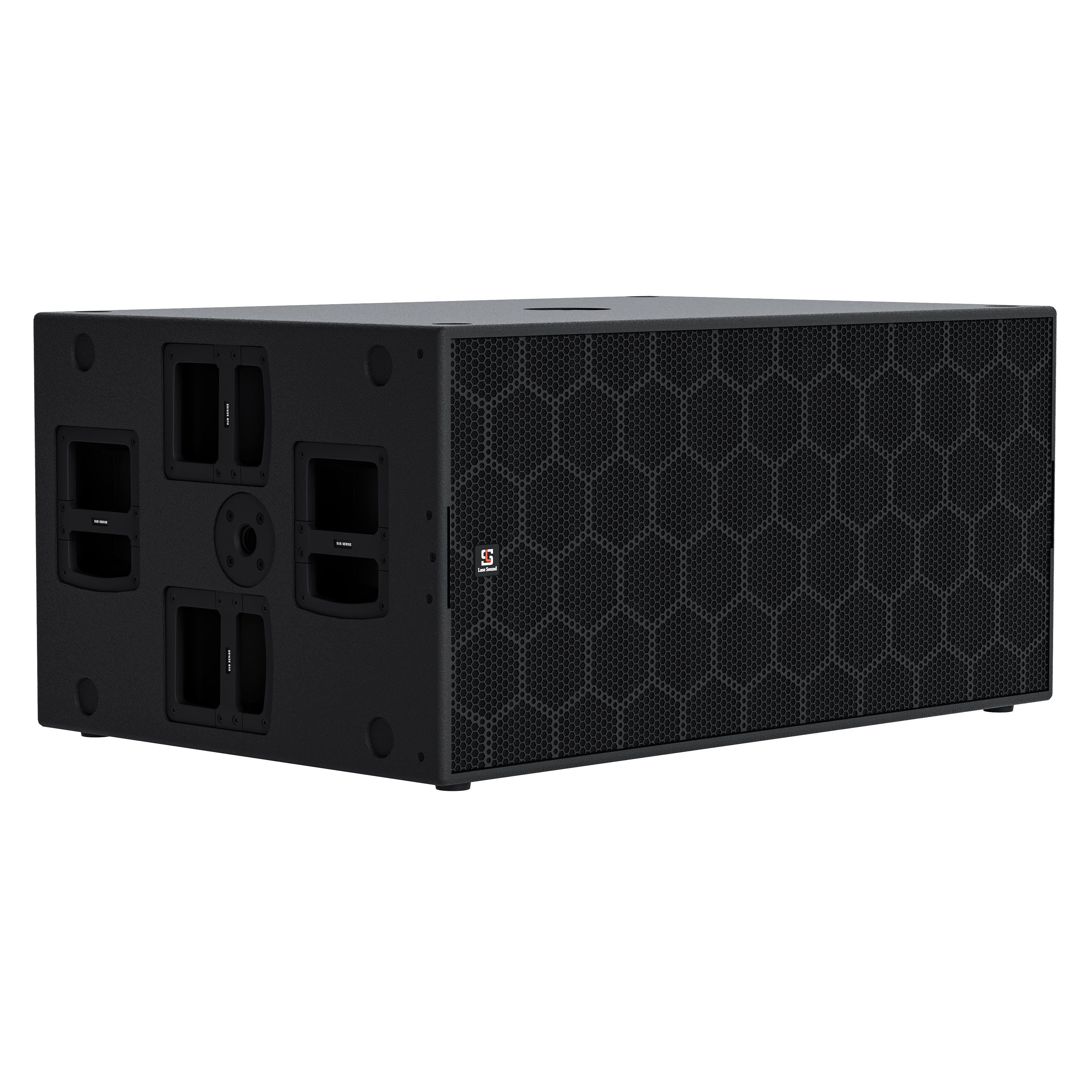
Lase Sound provides high-performance 15 inch powered subwoofer options designed for reliability, portability, and professional sound quality. With a 13,500㎡ owned factory and 286 professional staff, Lase Sound engineers its products to meet the rigorous demands of live events. Their 15 inch powered subwoofer models feature robust cabinets, efficient amplifiers, and intuitive DSP controls, ensuring consistent performance across various venues.
Backed by 60,000+ cooperative customers in 100+ countries, Lase Sound understands the diverse needs of mobile DJs, rental companies, and fixed installations. Whether you need a compact 15 inch powered subwoofer for wedding gigs or a scalable solution for larger tours, Lase Sound offers the technical support and product quality to build your confidence. Their commitment to innovation ensures that every 15 inch powered subwoofer delivers the perfect balance of punch, depth, and ease of use.
Final Decision Guide
Choose a 15 inch powered subwoofer if you prioritize portability, versatility, and controlled bass for small-to-medium venues; opt for an 18-inch model only if you specifically need extreme sub-bass for large-scale events. For most professional DJs and event organizers, the 15 inch powered subwoofer represents the smartest investment in terms of usability and sound quality.
If you are ready to upgrade your audio rig, contact Lase Sound for detailed specifications and a personalized recommendation. Our team can help you select the ideal 15 inch powered subwoofer to elevate your live sound experience.


 EN
EN


 Hot News