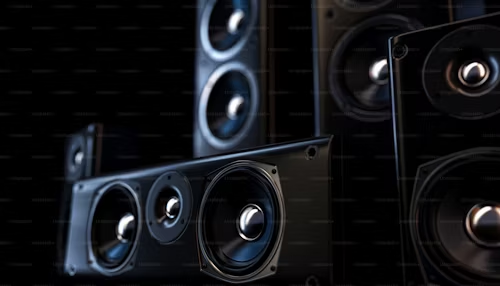
A Subwoofer Speaker 18 Inch gives live events bigger bass without forcing you into a huge touring rig. This guide explains when 18-inch bass is enough, how it compares with 15-inch and 21-inch options, and how to keep vocals clear through correct power, placement, and tuning.
Why a Subwoofer Speaker 18 Inch Delivers Bigger Bass
A Subwoofer Speaker 18 Inch works because it moves more air than smaller subs while staying practical for event use. For live music, DJ sets, weddings, church events, and outdoor parties, bigger bass is not only about volume; it is about giving kick drums, bass guitar, and playback tracks real weight.
Compared with a 12-inch or 15-inch sub, an 18 inch subwoofer usually offers stronger bass response, better low-frequency extension, and higher SPL. That means the audience can feel the low end instead of only hearing it. For a live sound system, this matters because drums and bass instruments need a solid foundation.
A Subwoofer Speaker 18 Inch also helps protect your full-range speakers. Without a sub, the tops must handle vocals, instruments, and deep bass at the same time. When low frequencies are sent to a PA subwoofer, the main speakers can focus on clarity, vocals, and mid-high detail. The result is a stronger and cleaner PA system.
The key point is balance. Bigger bass should not mean muddy sound. A good professional subwoofer adds low-end energy while letting the rest of the mix stay open and clear.
Subwoofer Speaker 18 Inch vs 15 Inch vs 21 Inch: Which Size Fits?
The 18-inch size is often the best middle ground between output, portability, and cost. A 15-inch sub is easier to move, while a 21-inch or dual 18-inch sub can deliver more extreme output. But for many live events, the 18-inch format gives enough power without becoming difficult to transport.
|
|
|
|
| Subwoofer Size |
Main Strength |
Best Application |
Common Limitation |
| 12 inch |
Very compact |
Speech, small rooms, acoustic sets |
Limited deep bass |
| 15 inch |
Portable and punchy |
Small DJ events, churches, cafés |
May lack impact outdoors |
| 18 inch |
Strong bass and still manageable |
Live events, weddings, bands, DJs |
Needs careful tuning |
| 21 inch / dual 18 |
Very high output |
Festivals, large clubs, outdoor stages |
Heavy, costly, harder to move |
For many buyers, a Subwoofer Speaker 18 Inch is the practical choice because it can handle small to medium live shows, mobile DJ work, and moderate outdoor events. It is not the largest option, but it is often the most flexible.
If your event is mostly speech or background music, a smaller sub may be enough. If you run large EDM festivals or high-capacity clubs, larger systems may be required. But if you want how to get bigger bass for live events without overcomplicating the rig, an 18-inch model is usually a smart starting point.
Which Live Events Need a Subwoofer Speaker 18 Inch?
A Subwoofer Speaker 18 Inch is most useful when music needs physical impact and the audience expects energy. It is especially valuable when your current tops sound thin, your kick drum lacks punch, or your dance floor does not feel alive.
Different live events need different bass levels:
|
|
|
| Event Type |
Recommended Use |
Why It Helps |
| Wedding DJ |
1–2 subs |
Adds dance-floor energy while supporting speeches |
| Live band |
2 or more if needed |
Gives kick drum and bass guitar weight |
| Church worship |
1 controlled sub |
Adds warmth without overwhelming vocals |
| Outdoor party |
Multiple subs may be needed |
Bass spreads quickly outside |
| Corporate event |
Optional |
Use lightly for music playback |
| Club or bar |
2+ depending on room |
Creates stronger audience impact |
For a DJ sound system, an 18-inch sub can make pop, EDM, hip-hop, and dance tracks feel more complete. For a wedding sound system, it can support both party music and elegant background tracks, but the level must be controlled so announcements stay clear.
For outdoor use, one sub may not be enough. An outdoor sound system often needs more cabinets because there are no walls to reinforce the bass. In this case, the question is not only “which sub?” but also “how many subs and where should they be placed?”
Powered or Passive Subwoofer Speaker 18 Inch?
The best choice depends on whether you value fast setup or maximum system control. A powered 18 inch subwoofer has a built-in amplifier, often with presets, protection, and basic filtering. A passive 18 inch subwoofer needs an external amplifier and usually a DSP processor.
A powered Subwoofer Speaker 18 Inch is ideal for mobile DJs, wedding performers, small rental packages, and event teams that want quick deployment. You connect signal and power, set the level, and start soundcheck. It reduces wiring mistakes and saves time when the venue schedule is tight.
A passive system is better when you have trained technicians, larger rigs, or fixed installations. With external amps and processing, you can manage multiple subs from one rack, adjust limiters, set delay, and match the sub section to larger tops or a line array. This is why a passive 18 inch subwoofer for PA system is still common in professional rental and touring applications.
Use this quick buying logic:
1. Choose powered if you need fast setup, simple wiring, and fewer external devices.
2. Choose passive if you need scalable control, centralized amplification, and professional tuning.
3. Choose powered for small to medium events operated by one or two people.
4. Choose passive for larger shows, venues, and rental companies with technical staff.
5. Choose based on the whole system, not only the cabinet price.
For most users searching for a powered 18 inch subwoofer for live events, convenience is the main advantage. For users building a larger sound reinforcement system, passive may provide better long-term flexibility.
How to Tune a Subwoofer Speaker 18 Inch for Clean Bass
A Subwoofer Speaker 18 Inch should be tuned to add power below the mix, not to cover vocals or instruments. Many people buy a strong sub and then turn it up too much. The result is not professional bass; it is boom, mud, and poor speech clarity.
Start with the crossover. A practical starting point is often around 80Hz to 120Hz, depending on your main speakers and music style. If the crossover is too high, the sub can overlap with low-mid vocal energy. If it is too low, the system may lose punch.
A DSP processor helps control the system through filters, EQ, limiter settings, delay, and phase alignment. Phase is especially important. If the sub and tops are out of alignment, bass can cancel in parts of the audience area, making the system sound weak even when the sub is powerful.
Placement also matters. Putting subs in corners can create more bass, but it may also cause boom. Placing two subs far apart without checking phase can create uneven coverage. For a small event, center placement can sometimes give smoother low-frequency coverage than left-right placement.
A clean 18-inch system should pass this test: the kick drum feels solid, bass lines are clear, vocals remain understandable, and the audience hears similar low-end balance across the room.
What Specs Matter Before Buying a Subwoofer Speaker 18 Inch?
The most important specs are real output, usable frequency range, cabinet strength, protection, and system compatibility. Do not choose only by peak watts. Peak power numbers can look impressive, but they do not always show how the sub performs during a four-hour event.
Look closely at SPL, frequency response, driver quality, cabinet design, cooling, limiter protection, connectors, handles, wheels, and weight. A rugged speaker cabinet is essential for mobile work because subs are loaded, unloaded, stacked, and moved constantly.
For rental users, serviceability matters. Can drivers be replaced easily? Are grilles strong enough? Are wheels and handles reliable? For fixed venues, long-term stability is more important than portability. For churches and multipurpose halls, controlled bass may matter more than maximum volume.
If you want the best 18 inch subwoofer for live events, compare the complete package: sub, tops, mixer, cables, processing, transport, and support. A strong sub with poor setup may perform worse than a moderate sub in a well-designed system.
Why Lase Sound Supports Live Event Bass Solutions
Lase Sound helps buyers choose an 18-inch bass solution as part of a complete live event system. Instead of selecting equipment by size alone, Lase Sound supports system matching across subwoofers, tops, monitors, and line array solutions.
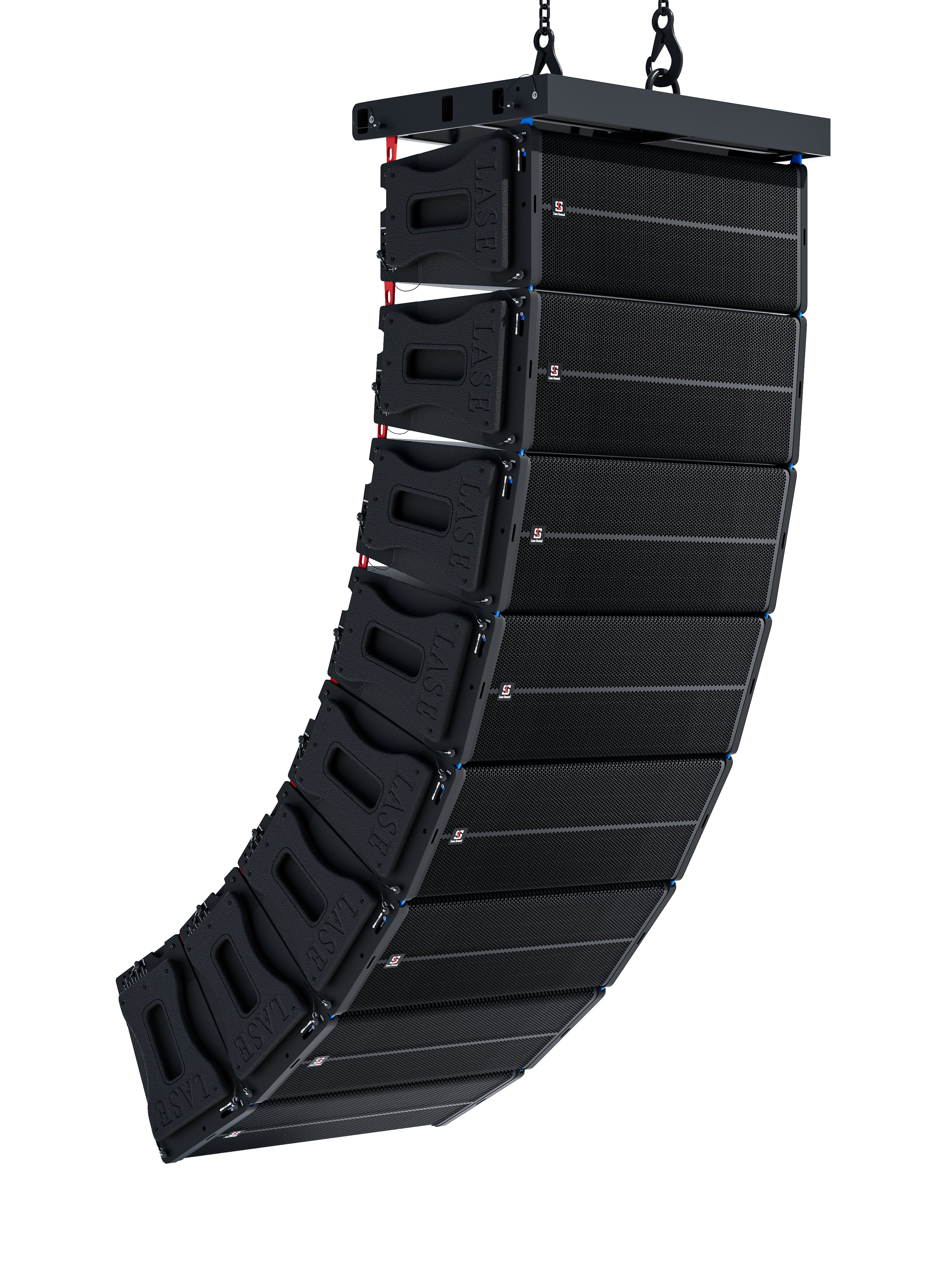
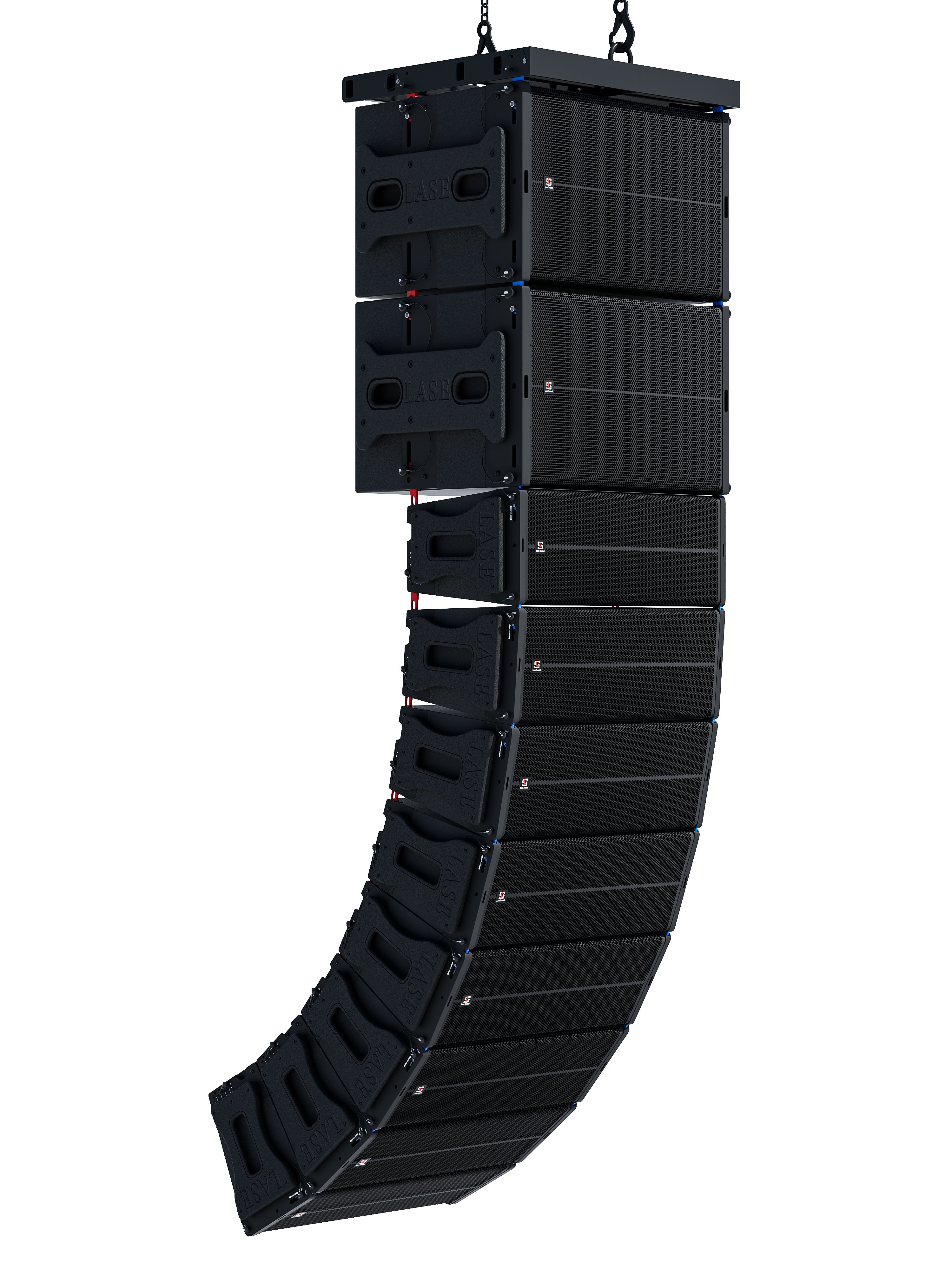
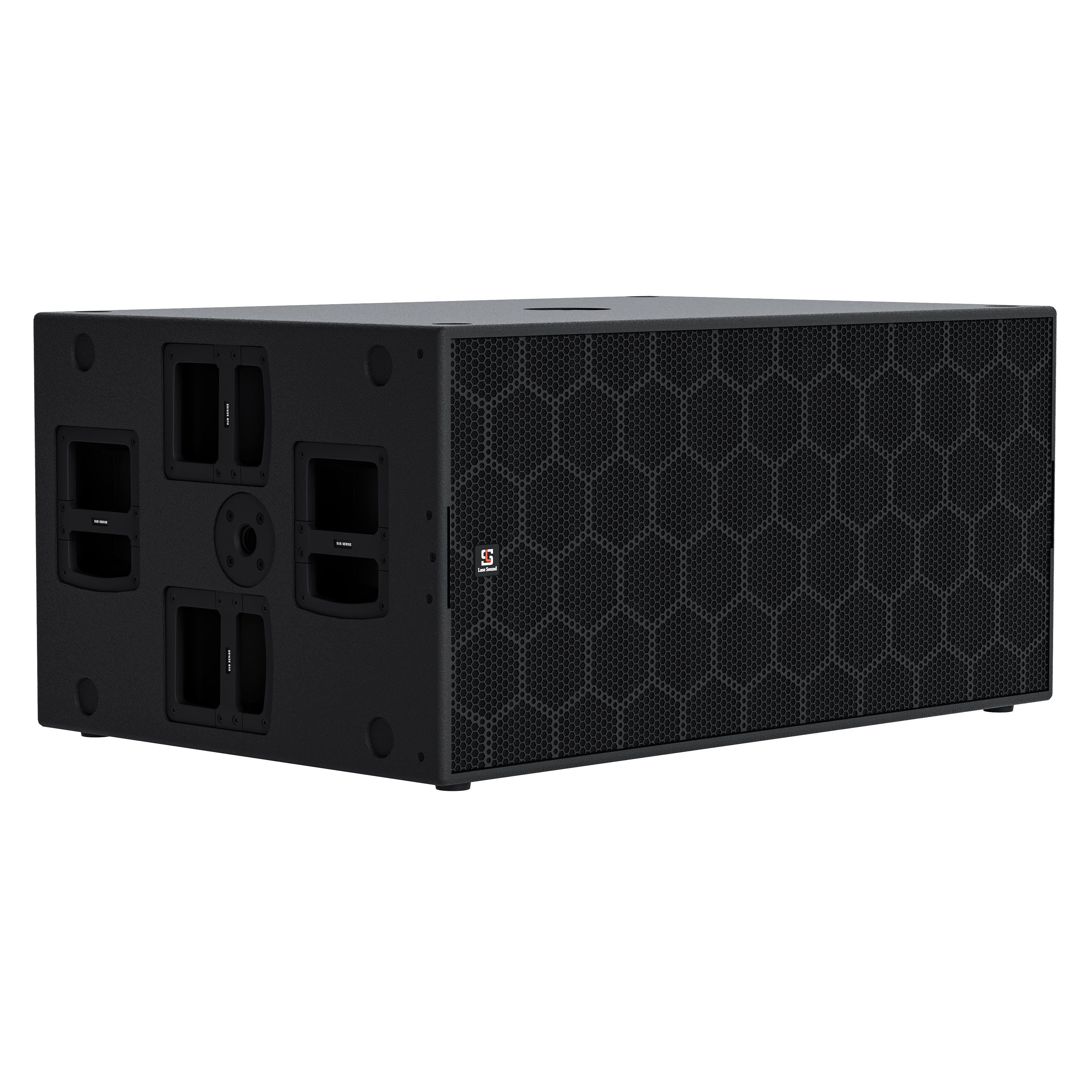
Lase Sound provides professional subwoofer products, full-range speakers, professional speakers, monitors, column speakers, and line array systems such as LA-Audio and A-Audio. These solutions can support a PA system, live sound system, DJ sound system, church setup, club installation, wedding package, and outdoor sound system.
The company also brings manufacturing confidence. Lase Sound owns a 13,500㎡ factory, works with 60,000+ cooperative customers, has 286 professional staff, and supplies products to 100+ countries and regions. For buyers choosing a Subwoofer Speaker 18 Inch, this production base and broad application experience help reduce sourcing risk.
Final Buying Checklist
Before choosing a Subwoofer Speaker 18 Inch, make sure the product fits your event size, transport limits, power plan, and tuning ability. The right sub should make the event sound bigger, not harder to manage.
Check these points before ordering:
1. Confirm whether your event needs one sub, two subs, or more.
2. Match the sub with your tops and total PA system output.
3. Decide between powered and passive based on staff skill.
4. Check crossover, limiter, and phase alignment options.
5. Review weight, wheels, handles, and vehicle space.
6. Test both music impact and vocal clarity.
7. Choose a supplier that can support future system expansion.
If you need a Subwoofer Speaker 18 Inch for live events, DJ work, weddings, worship, or outdoor use, contact Lase Sound for a practical system recommendation. Share your venue size, audience count, and current speakers, and Lase Sound can help you build bigger, cleaner bass with reliable equipment support.


 EN
EN


 Hot News