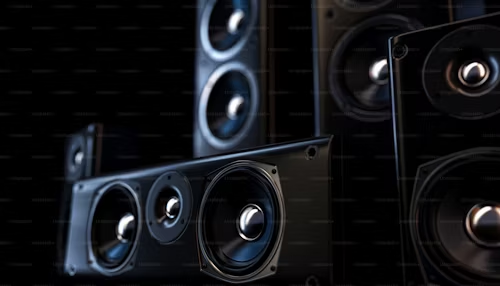
A Professional DJ Sound System is a specialized PA system optimized for deep bass and high dynamic range, making it the superior choice for music-centric events. This guide helps you decide between standard speech-focused gear and music-optimized rigs based on venue size, genre, and portability needs.
Defining the Difference: Optimization Over Hardware
The distinction between a Professional DJ Sound System and a general PA system lies in frequency response tuning and dynamic headroom, not just the physical boxes. While both systems use speakers, amplifiers, and mixers, a standard PA system is often engineered for vocal clarity in conferences or churches, emphasizing the mid-range frequencies where human speech resides. In contrast, a DJ sound system is built to handle the full spectrum of modern music, particularly the sub-bass frequencies below 60Hz that drive electronic dance music, hip-hop, and pop.
For a DJ, the goal is not just intelligibility but physical impact. A professional subwoofer in a DJ rig must reproduce low-end energy without distortion, even at high volumes. Standard PA speakers may roll off these frequencies early to protect drivers, resulting in "thin" sounding music. Therefore, when selecting equipment, look for specs that highlight low-frequency extension and maximum SPL (Sound Pressure Level) rather than just wattage. A true Professional DJ Sound System balances clear vocals for announcements with powerful, chest-thumping bass for the dance floor.
Why DJs Need More Than Just a Standard PA System
DJs require higher headroom and robust subwoofer integration because musical peaks are significantly more demanding than continuous speech. Music has a high crest factor, meaning the difference between the average volume and the peak transient (like a kick drum hit) is large. A standard PA system might clip or distort when pushed to handle these peaks, whereas a Professional DJ Sound System is designed with ample headroom to keep the sound clean and punchy.
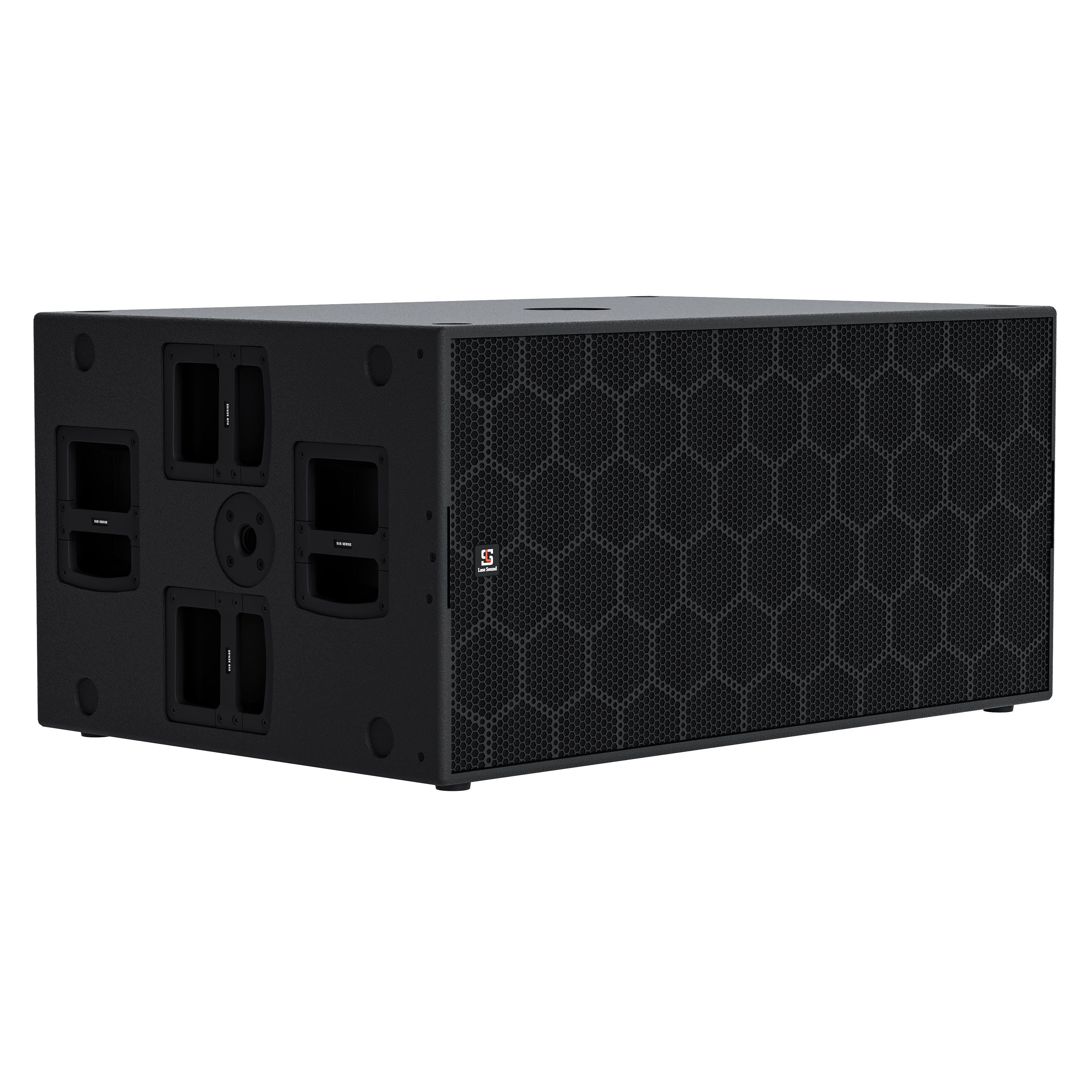
Consider the role of the subwoofer. In a basic PA setup, subs are often optional or small. In a DJ sound system, the sub is central. It handles the fundamental frequencies of the kick drum and bassline, allowing the full-range speakers to focus on mid and high frequencies. This separation prevents the main speakers from struggling with low-end energy, reducing distortion and improving overall clarity.
|
|
|
| Feature |
Standard PA System |
Professional DJ Sound System |
| Primary Focus |
Speech intelligibility |
Musical impact and fidelity |
| Frequency Response |
Flat, mid-range focused |
Extended lows, balanced highs |
| Subwoofer Role |
Optional, supportive |
Essential, foundational |
| Dynamic Headroom |
Moderate |
High, handles transients well |
| DSP Presets |
Limited, speech-oriented |
Multiple, including "Club" or "Music" modes |
| Durability |
Standard usage |
Heavy-duty, high-SPL endurance |
For mobile DJs, this means a Professional DJ Sound System often includes larger cabinets, such as 15-inch or 18-inch mains paired with 18-inch subs. This configuration ensures that whether you are playing a wedding reception or a club night, the music retains its energy and depth.
When a Standard PA System Is Actually Enough for DJs
A standard PA system is sufficient for DJs who primarily perform at speech-heavy events like corporate gatherings, seminars, or background music gigs. If your setlist consists mostly of soft jazz, acoustic covers, or ambient tracks where the audience is seated and conversing, a heavy-duty DJ sound system may be overkill. In these scenarios, vocal clarity and even coverage are more important than raw bass power.
Using a smaller, lighter PA system offers significant logistical advantages. It is easier to transport, quicker to set up, and less intimidating for small venues. For instance, a pair of 12-inch active speakers can provide excellent sound for a cocktail hour or a small birthday party. However, if you plan to transition into high-energy dancing later in the event, a standard PA may struggle. This is why many versatile DJs opt for a hybrid approach: a Professional DJ Sound System that can be tuned down for speech but scaled up for music.
Key indicators that a standard PA is enough:
1. The event is primarily seated with minimal dancing.
2. The venue is small (under 50 people).
3. The music genre is acoustic, classical, or light pop.
4. Portability and single-person setup are top priorities.
5. Budget constraints limit the ability to purchase separate subwoofers.
If your gigs vary widely, investing in a modular Professional DJ Sound System allows you to add or remove subs as needed, providing the flexibility of a PA with the power of a club rig.
Key Components of a Professional DJ Sound System
Building a reliable Professional DJ Sound System requires careful selection of mains, subs, processing, and cabling to ensure seamless performance. It is not enough to just buy loud speakers; the components must work together harmoniously. The core of any DJ sound system is the interaction between the top speakers and the subwoofers, managed by a crossover or DSP.
First, choose main speakers that complement your subs. For most mobile DJs, 15-inch two-way speakers offer a good balance of punch and portability. For larger clubs, 18-inch mains or line arrays may be necessary. Second, select a professional subwoofer that matches the power handling of your tops. An 18-inch sub is the industry standard for Professional DJ Sound System setups due to its ability to move large volumes of air efficiently.
Third, consider the control interface. Modern active subwoofers often come with built-in DSP processors. These allow you to select presets for different environments, such as "Live," "Club," or "Outdoor." This feature is crucial for maintaining consistent sound quality across various venues without needing external rack gear.
Essential checklist for your setup:
1. Main Speakers: Ensure they have sufficient SPL to cover the venue.
2. Subwoofers: Choose 18-inch models for deep, impactful bass.
3. DSP/Crossover: Use built-in or external processors to manage phase and frequency splitting.
4. Cables: Invest in high-quality Speakon or XLR cables to prevent signal loss.
5. Power Distribution: Use conditioned power strips to protect equipment from voltage spikes.
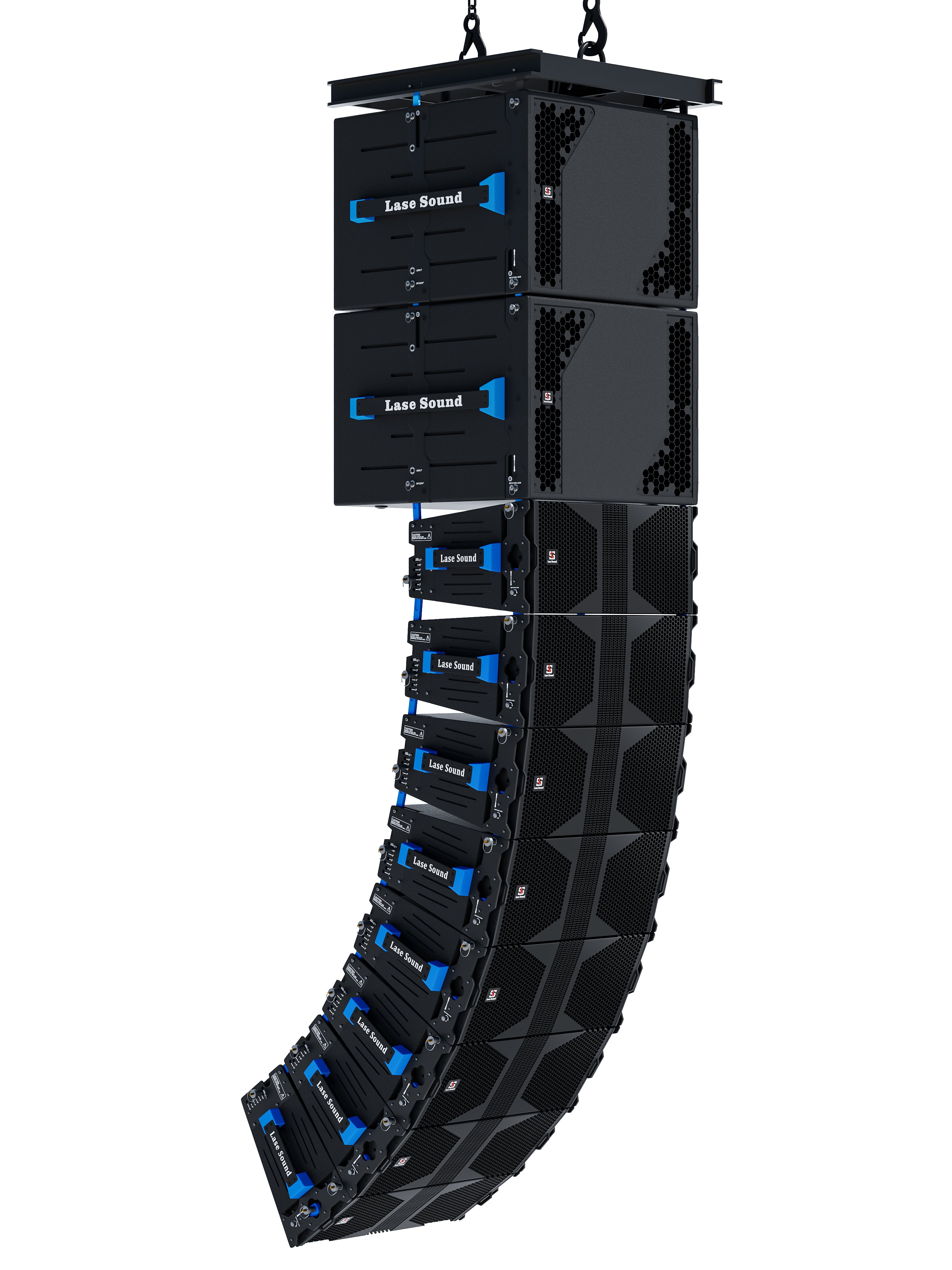
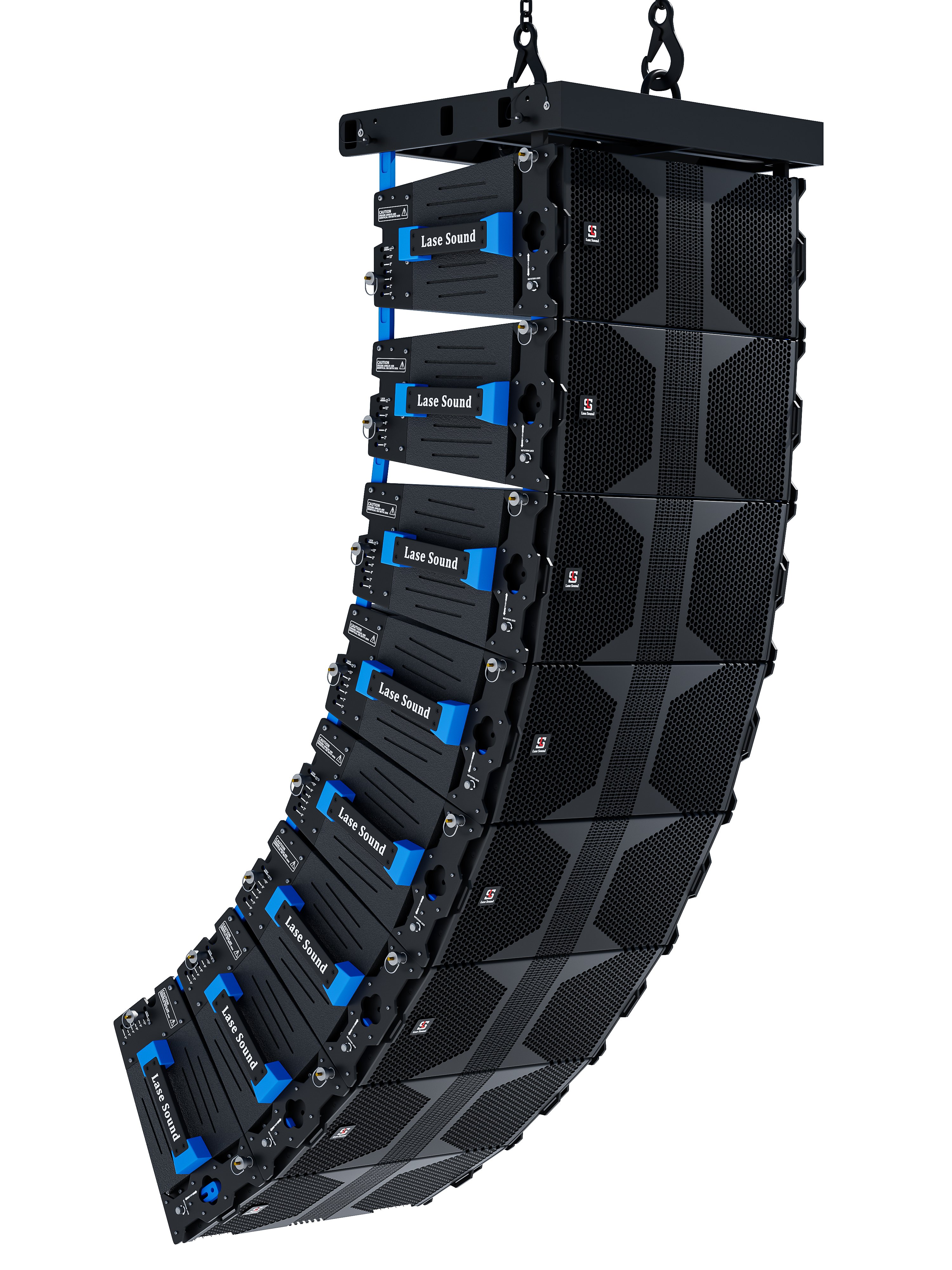
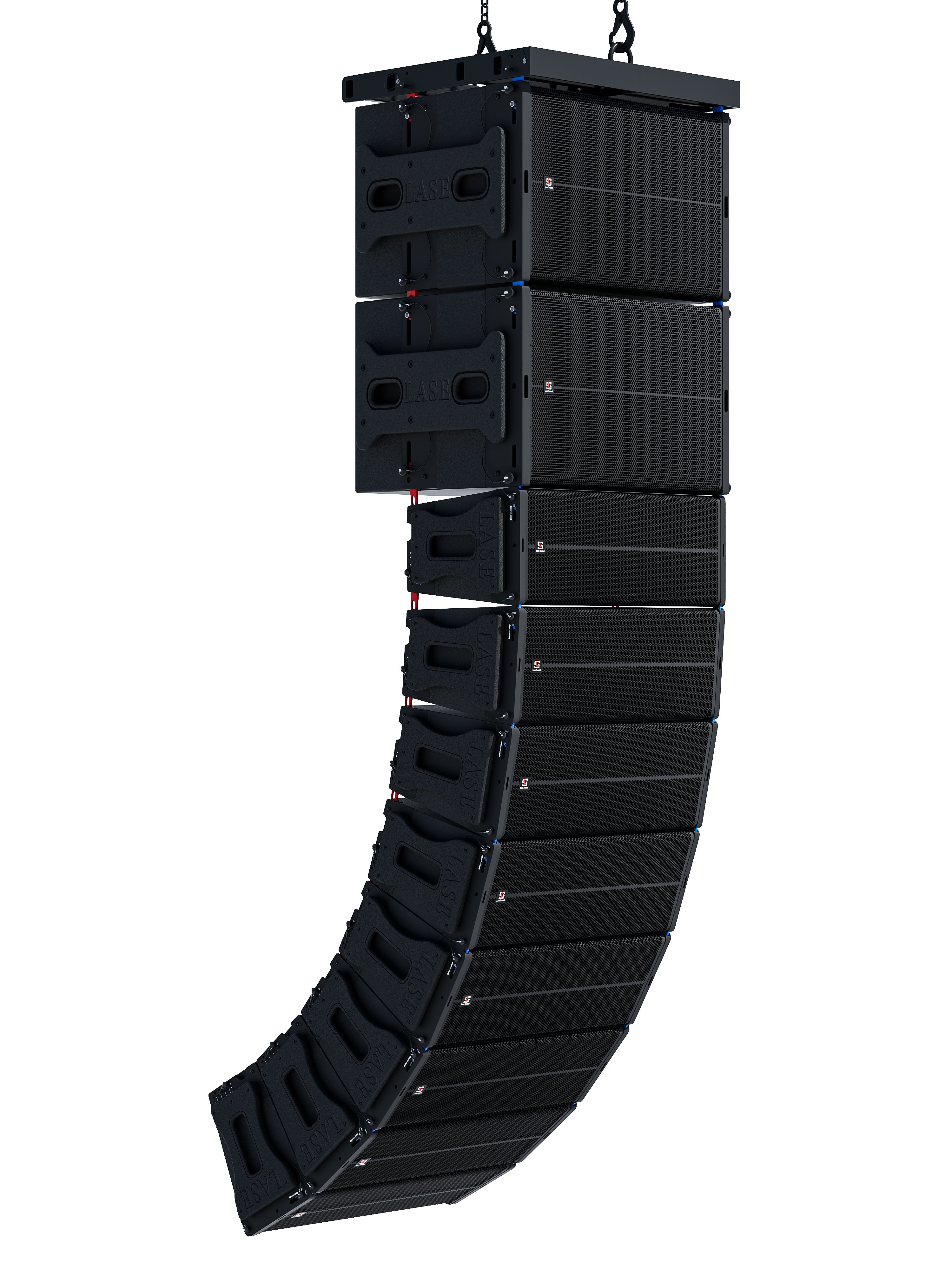
Lase Sound supports DJs in building these complete systems. With a 13,500㎡ factory and 286 professional staff, Lase Sound provides professional speakers, subwoofers, and line array systems tailored for diverse applications. Their experience with 60,000+ customers across 100+ countries ensures that every component, from LA-Audio line arrays to compact column speakers, meets rigorous quality standards. Whether you need a portable DJ sound system for weddings or a fixed installation for a club, Lase Sound offers the engineering expertise to match your specific requirements.
Final Decision Guide
Choose a Professional DJ Sound System if your primary focus is music impact and dance floor energy; opt for a standard PA if speech clarity and portability are your main concerns. Most successful mobile DJs benefit from a hybrid setup that leverages the power of a Professional DJ Sound System while retaining the flexibility to scale down for smaller events.
If you are ready to upgrade your gear or build a new rig, contact Lase Sound for a customized consultation. Our team can help you select the right Professional DJ Sound System components to deliver exceptional sound quality for every gig.


 EN
EN

 Hot News