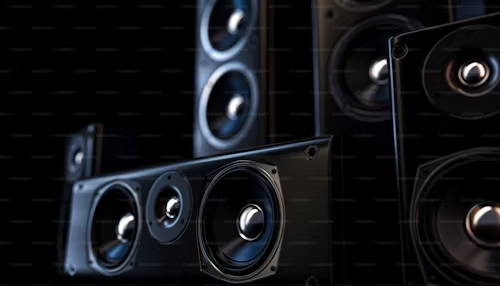
Concert Speakers Price varies because speaker type, SPL, coverage, driver quality, DSP, subwoofers, durability, and support all affect real value. This guide explains how to evaluate concert speakers, estimate speaker system cost, and choose a concert sound system that fits your venue, audience size, and performance needs.
Why Concert Speakers Price Varies So Much
Concert Speakers Price is not determined by wattage alone. Two boxes may look similar, but their real-world performance can be completely different. A low-cost cabinet may play loud in a showroom, yet fail to deliver clear vocals, controlled bass, or stable output during a live event.
The real PA system price depends on output capability, cabinet construction, amplifier design, DSP processing, rigging hardware, and after-sales service. A serious professional audio system also needs consistency between units. If one speaker sounds brighter than another, the system becomes harder to tune and less reliable for touring or rental work.
A complete concert sound system usually includes more than main speakers. Buyers may also need subwoofers, monitors, processors, cables, power distribution, cases, and installation accessories. This is why judging speaker system cost by the price of one cabinet can be misleading.
Speaker Type: Concert PA Speakers, Line Array Speakers and Subs
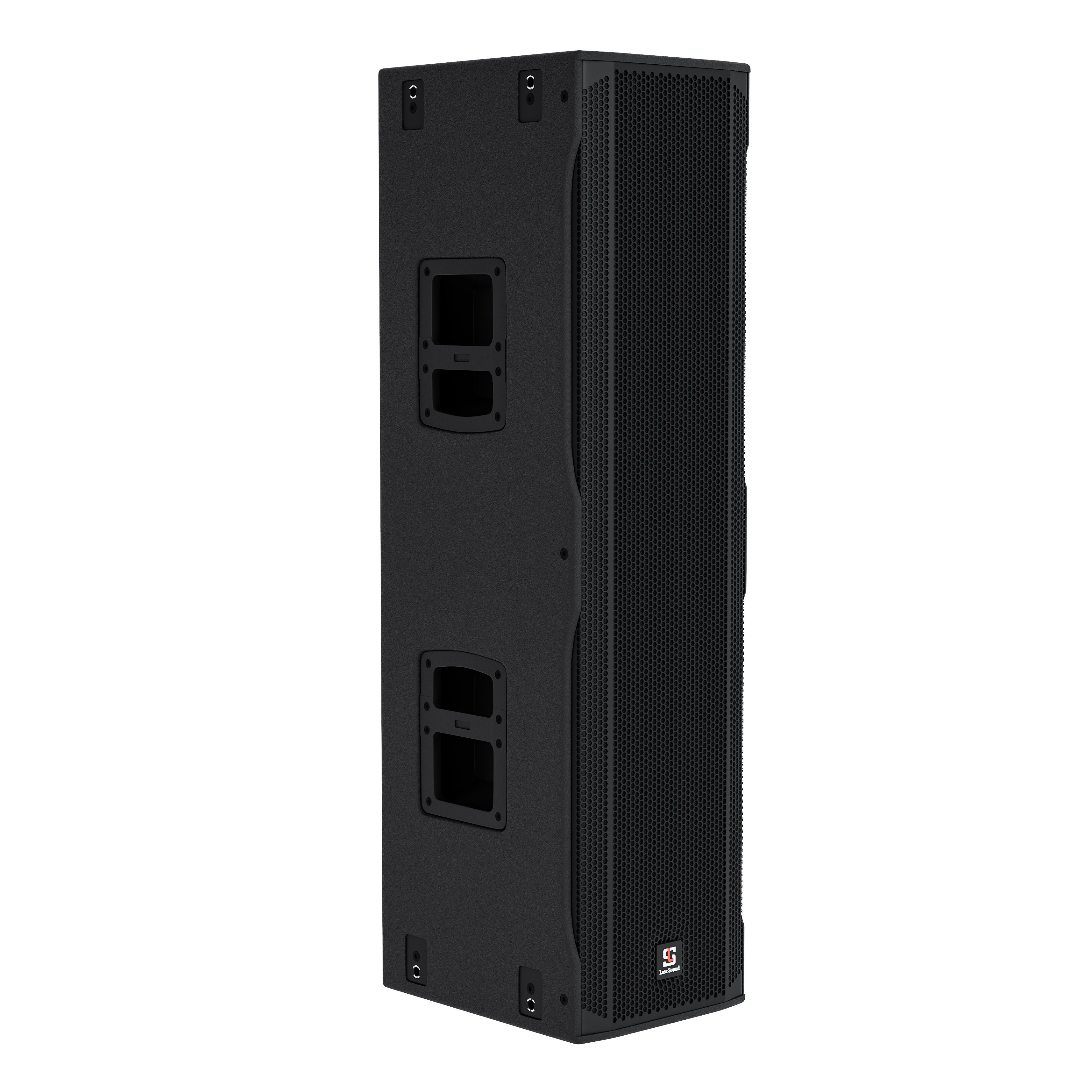
The first major price factor is speaker type. Concert PA speakers are often used for small and medium events because they are flexible, easier to deploy, and less expensive than large-format arrays. They may be active or passive, depending on whether the amplifier is built in.
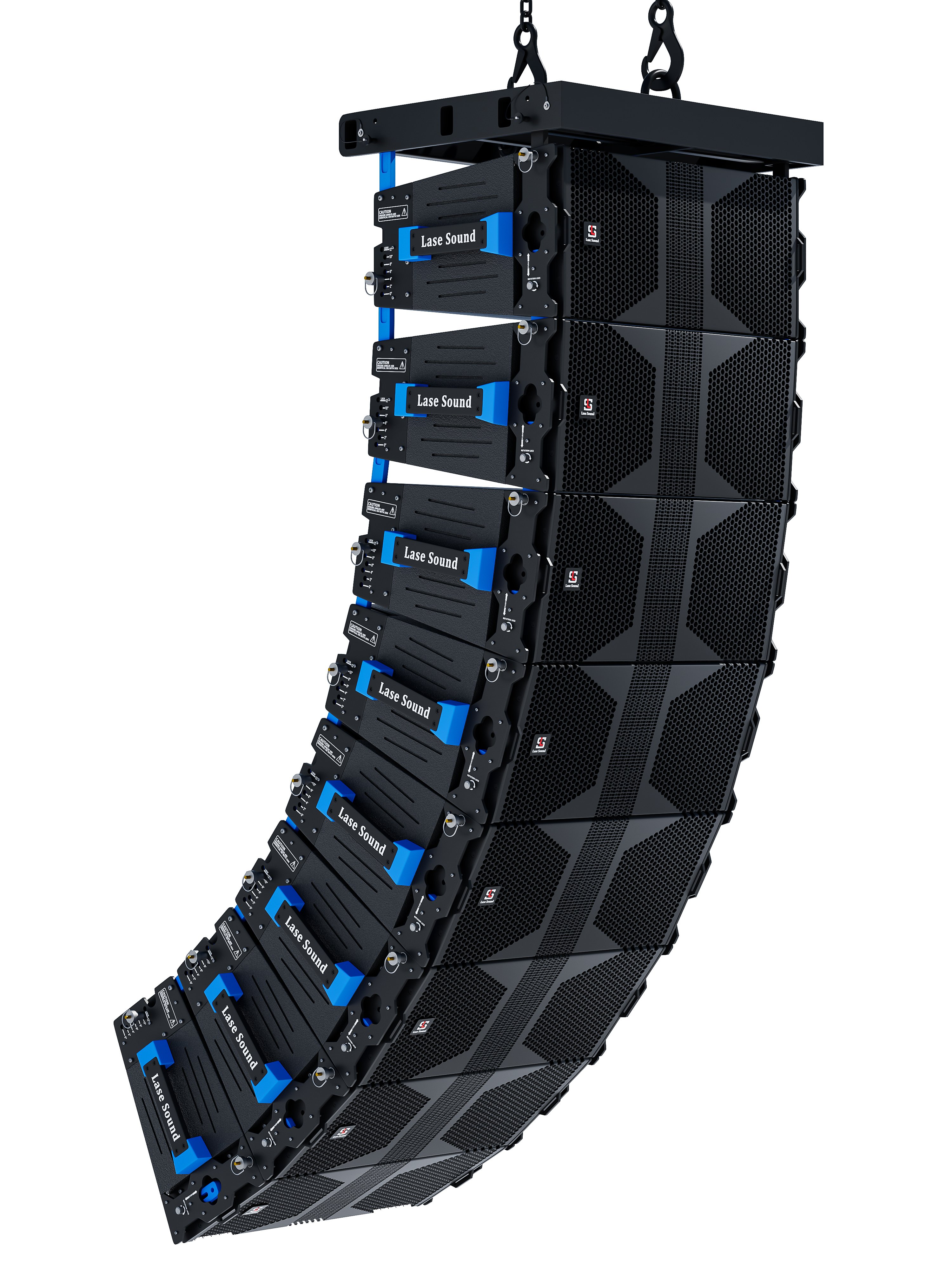
Line array speakers cost more because they are designed for controlled coverage over longer distances. A well-designed array can reduce the difference between the front row and rear audience area, which is critical in larger venues. However, line array speakers also require rigging frames, accurate angle adjustment, processing, and trained setup.
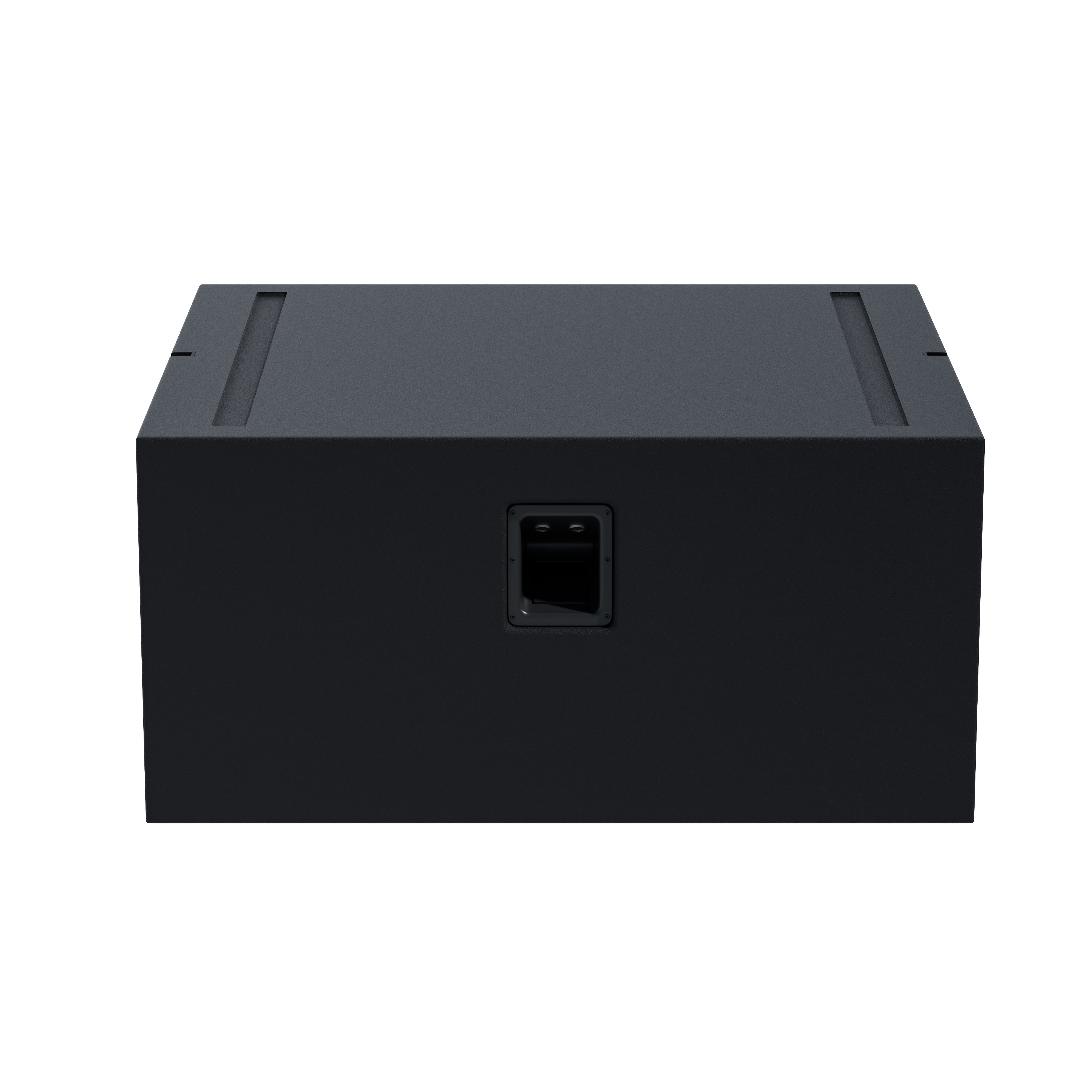
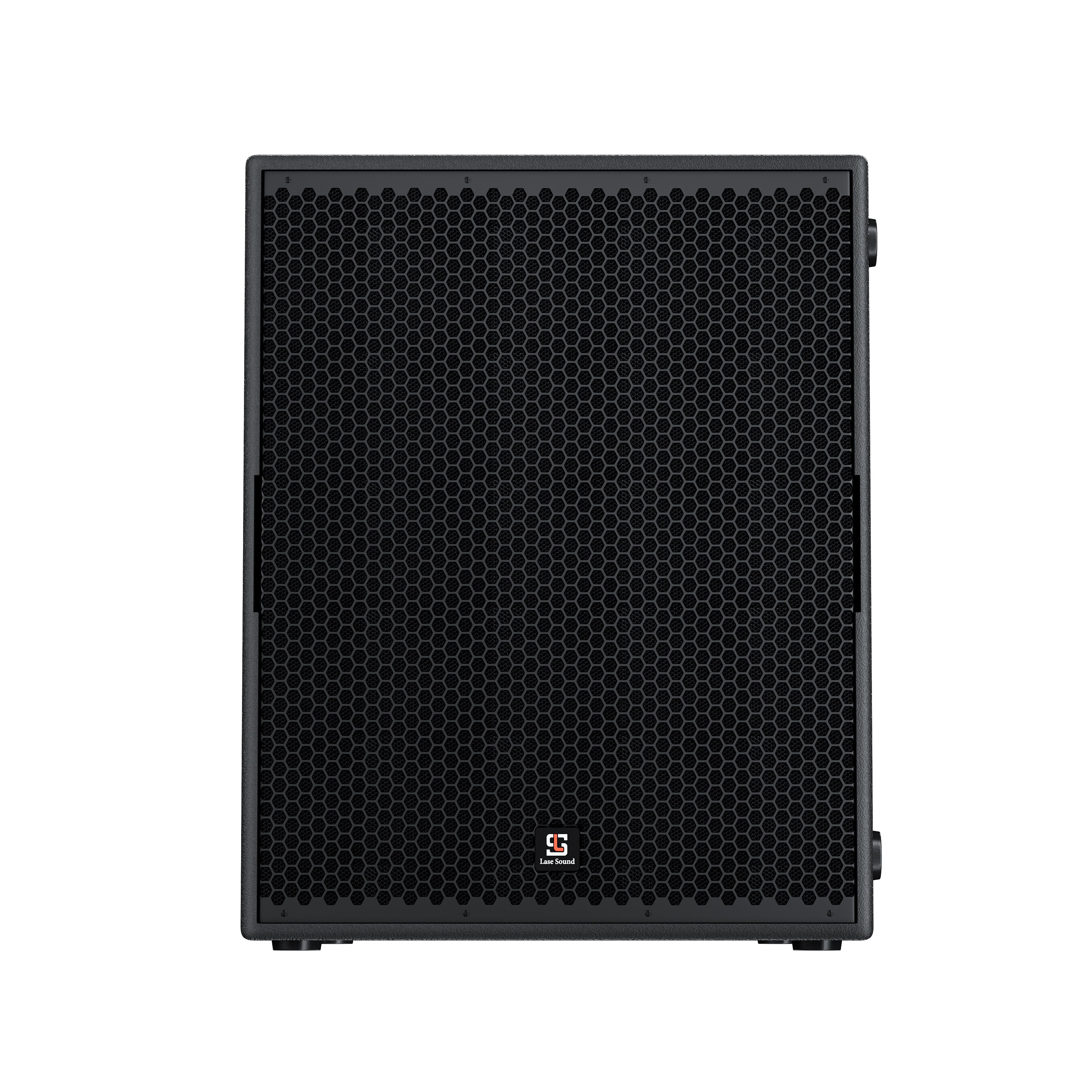
Concert subwoofers add another major cost layer. For rock, pop, EDM, worship events, and outdoor shows, low-frequency energy is essential. Without concert subwoofers, kick drum and bass guitar often feel weak, even if the top speakers are loud. Stage monitors are also part of the budget because performers must hear themselves clearly to deliver a stable show.
| System Part |
Cost Impact |
Quality Indicator |
| Concert PA speakers |
Medium |
SPL, vocal clarity, dispersion |
| Line array speakers |
High |
Long-throw coverage, rigging safety |
| Concert subwoofers |
Medium to high |
Low-frequency control, punch |
| Stage monitors |
Medium |
Feedback resistance, clarity |
| Live sound speakers |
Varies |
Reliability at high output |
Concert Speakers Price and SPL: Why Watts Are Not Enough
Concert Speakers Price often rises with SPL performance, not just power rating. SPL, or sound pressure level, tells you more about actual loudness than advertised wattage. A speaker with higher sensitivity and better drivers may outperform a cheaper high-wattage model.
For outdoor concert speakers, SPL matters even more because there are no walls or ceilings to help reflect sound. Open-air events require more headroom, stronger projection, and better pattern control. If the system is underpowered, the front row may be too loud while the back of the audience still cannot hear clearly.
A high-quality professional audio system should provide clean output before reaching its limit. Distortion is not only unpleasant; it can damage drivers and make vocals difficult to understand. When comparing concert speakers, check maximum SPL, continuous SPL, sensitivity, and coverage angle instead of relying only on peak power claims.
Before choosing a system, evaluate:
- Audience size and listening distance.
- Indoor or outdoor venue conditions.
- Music style, from speech to rock or EDM.
- Required bass level and number of concert subwoofers.
- Whether line array speakers or point-source cabinets suit the space.
- Total speaker system cost, including accessories and setup.
Coverage Range and Venue Size
Coverage is another reason prices vary. A small indoor venue may work well with two high-quality concert PA speakers and one or two subs. A large hall, arena, or festival stage may require flown arrays, delay fills, front fills, and multiple subwoofer positions.
Good coverage means the audience hears a similar tonal balance from front to back. Poor coverage creates complaints: front seats are too loud, rear seats are unclear, and side areas lose vocal definition. Better live sound speakers are designed with predictable dispersion, allowing engineers to aim energy where the audience is seated.
For deep venues, line array speakers usually justify their higher cost because they manage vertical coverage more effectively. For wide but shallow spaces, carefully placed point-source speakers may be more cost-effective. The best choice is not always the most expensive one; it is the one that matches the room geometry and performance goal.
Driver Quality, Cabinet Design and Distortion Control
The internal components strongly affect Concert Speakers Price. High-frequency compression drivers, woofers, crossover networks, magnets, voice coils, and cooling systems all contribute to cost. Better components usually provide lower distortion, higher durability, and more stable performance at concert volume.
Cabinet design is equally important. A poorly braced cabinet may vibrate and color the sound. A stronger enclosure reduces resonance, improves low-frequency response, and keeps vocals cleaner. Premium plywood, protective coating, reinforced grilles, and ergonomic handles increase manufacturing cost, but they also extend service life.
This is where cheap concert speakers often reveal their limitations. They may sound acceptable at low volume, but become harsh, muddy, or compressed when pushed. Quality live sound speakers should stay clear when the band gets louder, not collapse under pressure.
DSP, Amplifiers and PA System Price
DSP and amplification can significantly affect PA system price. DSP manages crossover points, EQ, delay, limiter protection, and phase alignment. Without proper processing, even expensive speakers may fail to blend correctly.
In an active concert sound system, amplifiers and DSP are built into the cabinets. This simplifies setup and helps protect the drivers. In a passive system, external amplifiers and processors add cost but provide more flexibility for large-scale systems. Both approaches can work if the design is properly matched.
Do not ignore hidden speaker system cost items such as signal cables, power cables, speaker stands, rigging hardware, flight cases, and backup components. For touring companies and rental users, these items are not optional. They protect the system and reduce downtime.
Durability, Rigging and Long-Term Value
Durability is a quality factor that directly affects long-term cost. Touring and rental systems are loaded, unloaded, stacked, flown, and transported repeatedly. A cheaper cabinet that breaks after a few shows can become more expensive than a stronger system bought once.
Rigging safety also affects Concert Speakers Price. Professional hanging hardware, certified frames, locking pins, and structural testing add cost, but they are essential for events where speakers are suspended above people. For outdoor concert speakers, weather resistance, stable mounting, and cable protection should also be considered.
Lase Sound provides concert PA speakers, line array speakers, concert subwoofers, stage monitors, and complete professional audio system solutions for venues, rental companies, churches, and live events. Instead of focusing only on wattage, Lase Sound helps buyers match system output, coverage, and budget to real performance conditions.
How to Balance Budget and Quality
A smart purchase starts with the event requirement, not the lowest quotation. For small venues, reliable concert PA speakers and compact subwoofers may be enough. For medium live halls, invest in better tops, stronger subs, and flexible monitoring. For large outdoor shows, a scalable concert sound system with arrays, subs, DSP, and support hardware is usually necessary.
Use this buying approach:
- Set the audience size and maximum listening distance.
- Decide whether the event needs speech clarity, full-band impact, or festival-level output.
- Compare SPL, coverage, and distortion data before comparing price.
- Include subs, monitors, DSP, power, rigging, and cases in the budget.
- Choose a supplier that offers technical support and long-term parts availability.
The best value is not the cheapest quote. It is the system that performs reliably, sounds clear, scales with future needs, and reduces maintenance risk.
Final Advice on Concert Speakers Price
Concert Speakers Price should be judged by total performance value: SPL, coverage, driver quality, DSP control, subwoofer capability, durability, and service support. A lower upfront price may be attractive, but weak output, poor coverage, or frequent repairs can raise the real cost quickly.
Contact Lase Sound to discuss your venue size, event type, and budget. Our team can help you compare Concert Speakers Price options and build a reliable system for concerts, rentals, churches, and outdoor events.


 EN


 Hot News