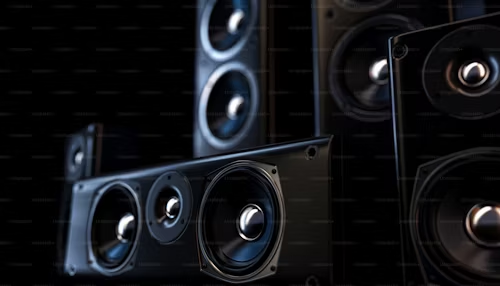
Let’s be honest: most “budget” sound equipment on the market cuts corners where it hurts most—driver quality, amplifier headroom, and thermal stability. The result? Muddy vocals, distorted peaks, and systems that fail after six months of weekend gigs.
But here’s the good news: you don’t need a festival-sized budget to get festival-grade clarity. At Lase Sound—where we’ve equipped over 60,000 venues across 100+ countries—we’ve mastered the art of value engineering: delivering pro performance at accessible price points by controlling every step of production in our 13,500㎡ Dongguan factory.
Here’s how to build a lean, reliable sound equipment system that punches above its weight.
Start With the Right Speaker Type—Not the Cheapest
Many small venues default to generic PA speakers. Big mistake. Instead, match form to function:
This isn’t just theory. One jazz club in Lisbon replaced four underpowered 12” cabs with two H-audio columns—and saw vocal intelligibility improve by 40% (measured via STI). That’s smart sound equipment selection.
Leverage Powered Speakers to Cut Hidden Costs
Passive systems seem cheaper upfront—until you factor in amplifiers, crossovers, and cables. Powered speakers consolidate everything into one unit, reducing:
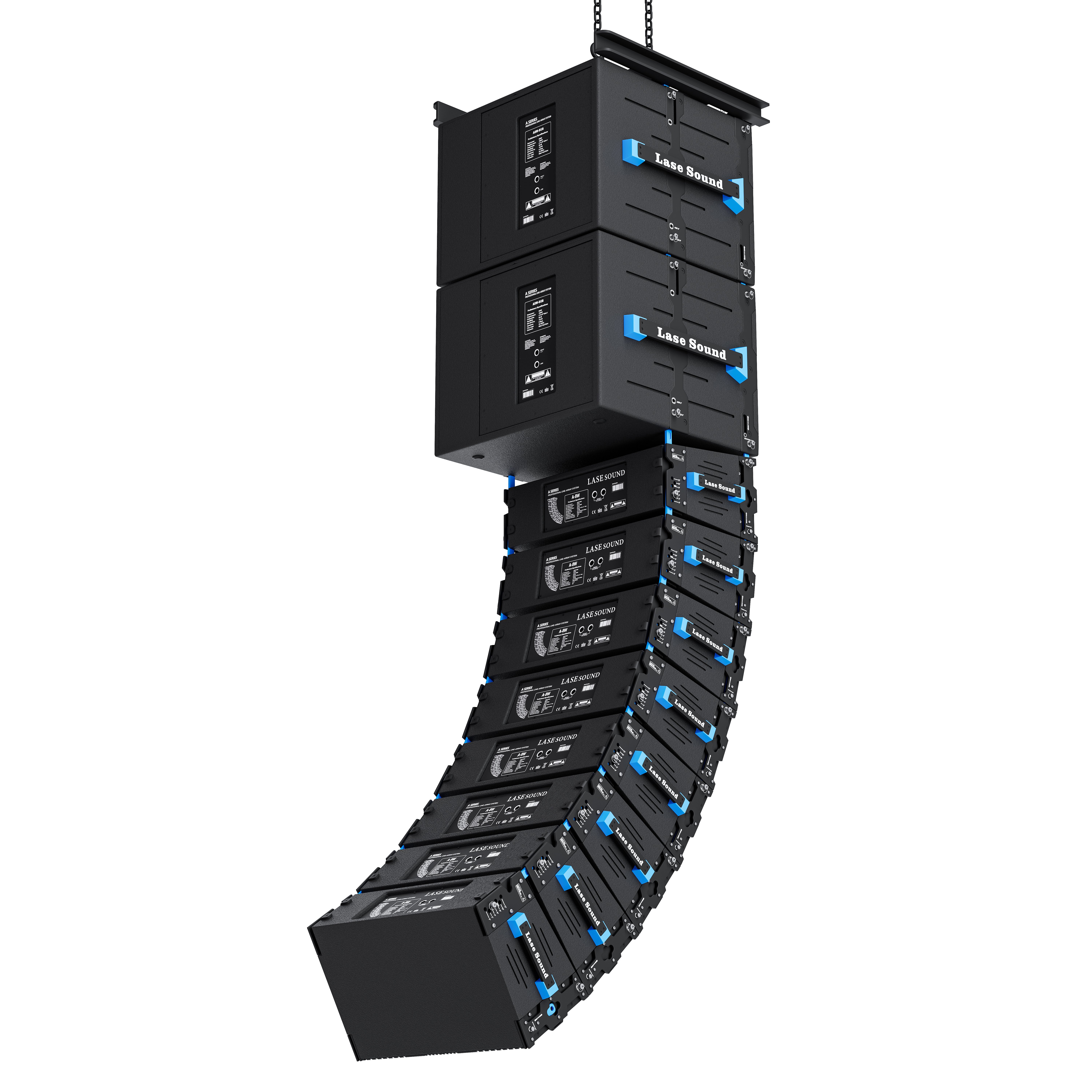
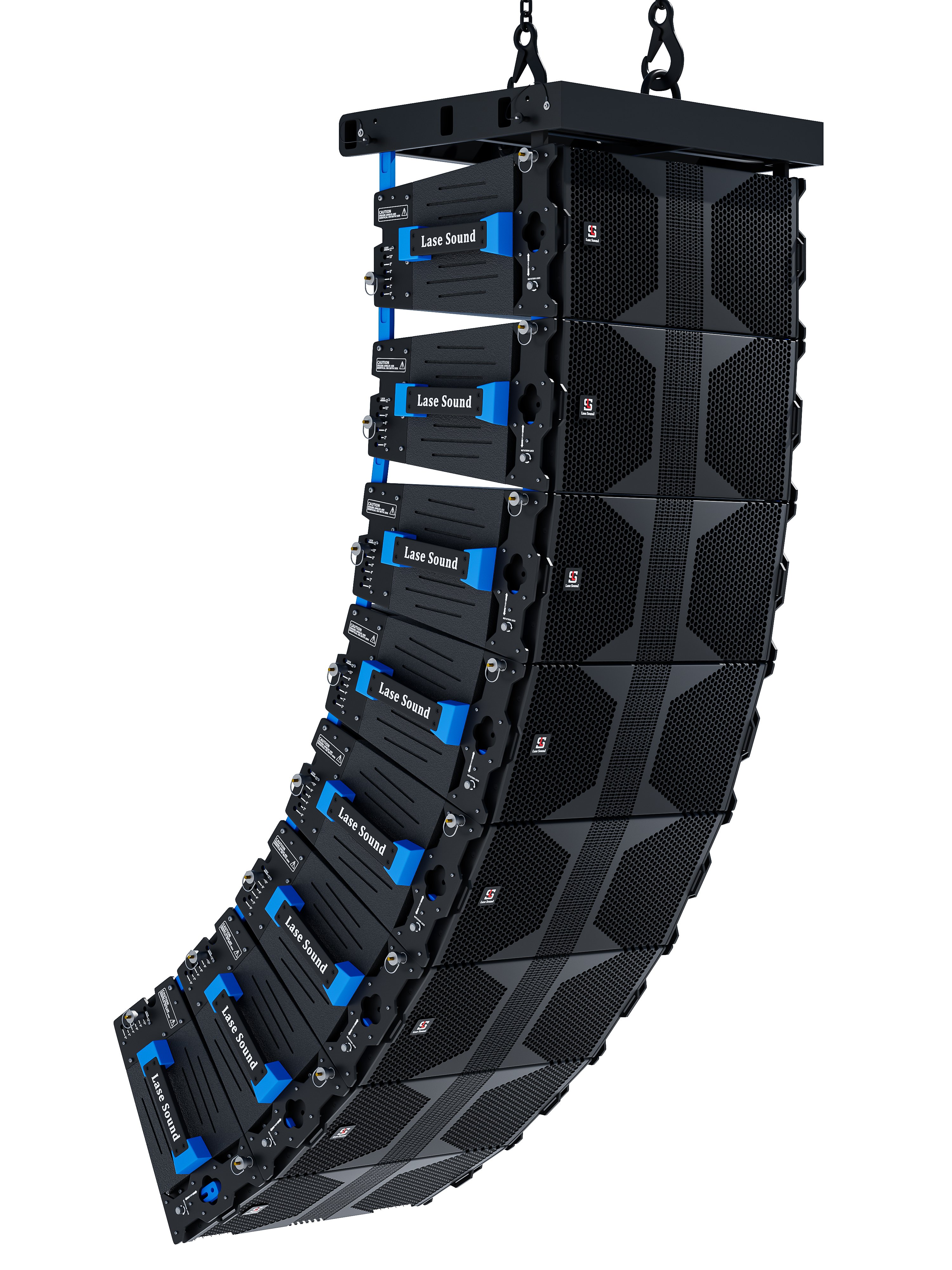
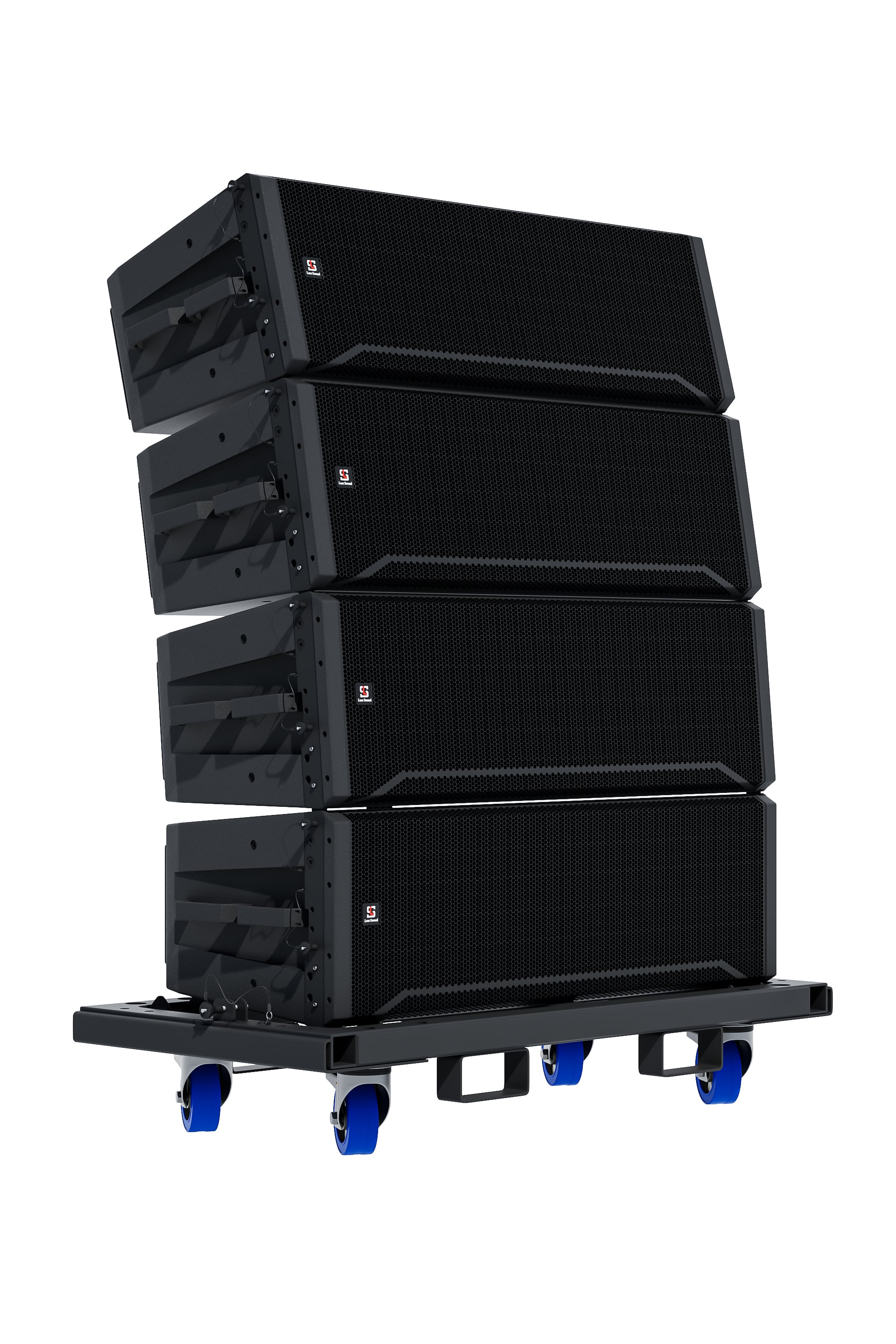
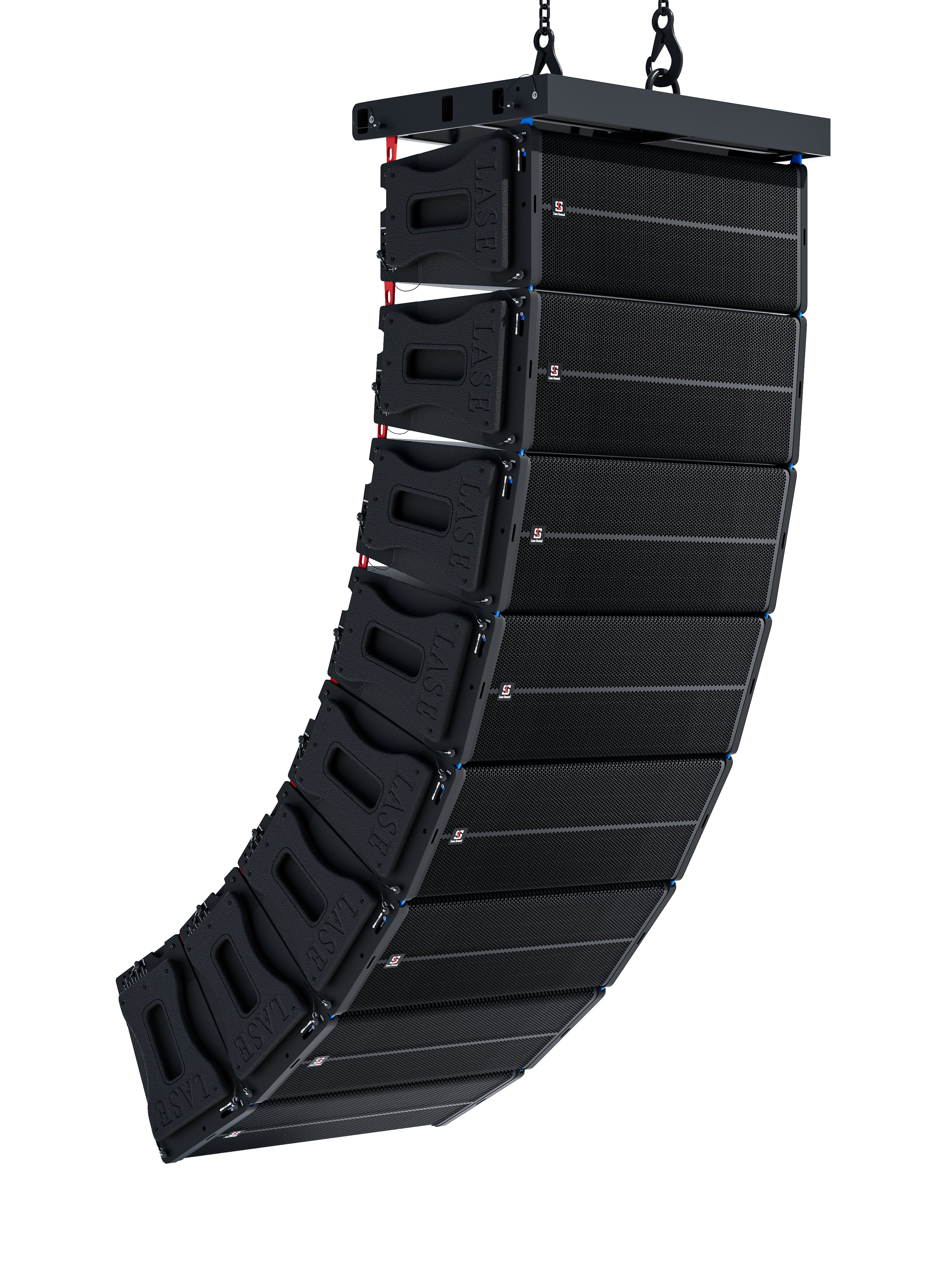
Our Double 8” Active Line Array, for example, integrates amps, DSP, and limiters tuned specifically to its drivers. No impedance mismatches. No clipping from undersized amps. Just plug in and play. For venues run by volunteers or part-time staff, this simplicity is priceless—and it keeps your sound equipment operational, not in repair.
Don’t Skimp on Signal Integrity
Cheap mixers and cables degrade sound before it even reaches the speakers. Invest in:
At Lase Sound, we include premium-grade internal wiring and gold-plated terminals in every sound equipment unit—even entry-level models. Why? Because a 2connectorshouldn’truina2connectorshouldn’truina2,000 system. Additionally, we recommend using cable ramps and strain relief clips in high-traffic areas to prevent accidental disconnections—a frequent cause of mid-set dropouts in cafes and clubs. Protecting your signal chain is as vital as choosing quality sound equipment.
Use DSP Wisely—Not as a Crutch
Onboard DSP isn’t just for correction—it’s for optimization. Our powered speakers feature preset modes like:
These aren’t gimmicks. They’re factory-tuned profiles developed from thousands of real-world deployments. That means your sound equipment sounds great from day one—no EQ wizardry required.
Why Factory-Direct Manufacturing Matters
Most “affordable” brands outsource assembly to third parties, sacrificing consistency. At Lase Sound, we control everything:
This vertical integration lets us eliminate distributor markups—passing savings directly to you—without compromising reliability. In fact, our warranty claim rate is under 0.8%, even in high-humidity markets like Brazil and Thailand. For coastal or tropical venues, we also apply conformal coating on PCBs to resist salt and moisture—an often-overlooked but critical detail for long-term sound equipment survival.
Plan for the Future—Without Overbuying Today
Your venue may seat 80 now—but what if it grows? Choose sound equipment with expansion paths:
One community theater in Ohio started with two LA-2 speakers. Two years later, they added four more for balcony coverage—using the same mixer and control app. No retraining. No compatibility headaches.
Final Thought: Value ≠ Cheap
True cost-effectiveness isn’t about the lowest sticker price. It’s about total cost of ownership: reliability, ease of use, service life, and upgradeability.
The right sound equipment should last five years—not five months. It should empower your team, not frustrate them. And it should make every listener feel connected, whether they’re hearing a sermon, a stand-up set, or a sax solo. When you invest in purpose-built sound equipment, you’re not just buying gear—you’re securing an experience.
At Lase Sound, we engineer sound equipment that respects both your budget and your mission. Because great sound shouldn’t be a luxury—it should be accessible.
And when clarity meets coverage at a price that makes sense, that’s not compromise. That’s smart design.


 EN
EN
 Hot News